Why Does a Comb Make Cats Gag: Unveiling the Mystery
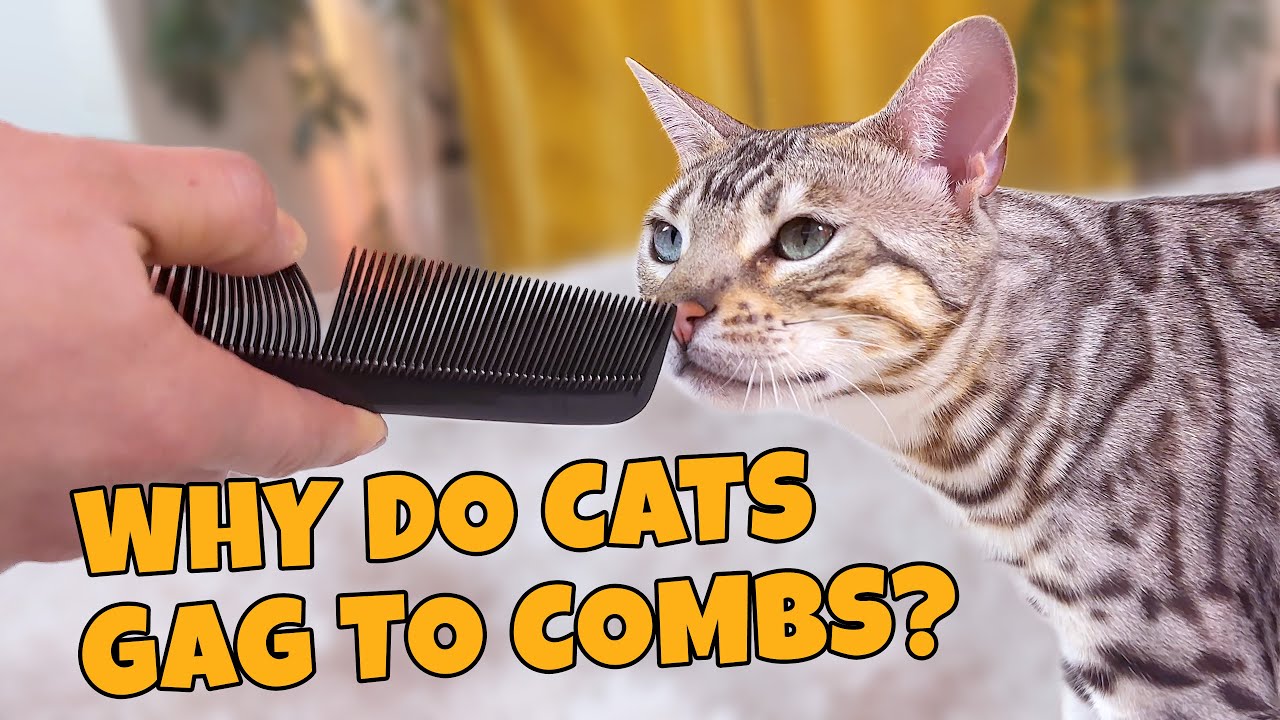
Have you ever brushed your cat’s fur with a comb, only to see them suddenly start gagging? It’s a strange phenomenon that has puzzled many cat owners.
You might wonder what’s happening and if you should be concerned. You’re not alone in seeking answers to this quirky feline behavior. Understanding why a simple comb can trigger such a reaction in cats could help deepen your bond with your furry friend and ensure their well-being.
You’ll discover the science behind this odd response, unraveling the mystery in a way that’s both engaging and enlightening. Get ready to uncover the fascinating reasons behind this gag-worthy mystery and find out how it impacts your cat’s health and happiness.
The Comb And Cat Behavior
Have you ever noticed your cat’s odd reaction to a comb? It’s a curious behavior that leaves many cat owners puzzled. Understanding why a comb makes cats gag involves exploring their unique behavior. Cats are sensitive creatures. Their responses can be surprising.
The Science Behind Cats And Sound
Comb teeth create a specific sound. This sound can be disturbing to cats. Their hearing is finely tuned. They detect sounds that humans can’t. The high-pitched noise from a comb may mimic distress signals. This triggers an automatic gag reflex in some cats.
Cats’ Sensory Overload
Cats experience the world through heightened senses. Loud or unusual sounds can overwhelm them. The comb’s sound might be too much for their ears. This sensory overload can cause discomfort. As a result, they gag as a reflex to this overload.
Instinctual Reactions And Survival
Cats have strong survival instincts. Unfamiliar sounds signal potential danger. Gagging might be a defensive reflex. It’s a way to clear potential threats. This reaction is deeply ingrained in their behavior.
Understanding Your Cat’s Response
Not all cats react to a comb’s sound. Each cat is unique. Some are more sensitive than others. Observing your cat’s behavior can provide insights. If your cat gags, consider avoiding the comb sound.
Acoustic Sensitivity In Cats
Cats have sensitive hearing, reacting strongly to certain sounds. The sound of a comb mimics a frequency that can trigger a gag reflex. This surprising reaction highlights their acute acoustic sensitivity.
Cats are fascinating creatures, especially when it comes to their acute sense of hearing. You might have noticed that when you run a comb through your hair in the presence of a cat, they sometimes react by gagging. This peculiar reaction is linked to their acoustic sensitivity. Understanding this sensitivity can help you create a more comfortable environment for your feline friend.Unique Hearing Abilities
Cats possess a remarkable range of hearing. They can detect frequencies that are beyond the reach of human ears. These frequencies can be as high as 64 kHz, while humans typically hear up to 20 kHz. This unique ability allows them to hear the faintest rustle of a mouse or the subtle chirp of a bird. However, it also means they are sensitive to high-pitched sounds produced by everyday objects. The sound of a comb, for instance, might be quite disturbing for them. Have you ever noticed your cat’s ears twitching at sounds you can’t hear? It’s their extraordinary hearing in action, constantly scanning their environment.Impact Of High-frequency Sounds
High-frequency sounds can be overwhelming for cats. The sound produced when a comb’s teeth strike against each other can mimic these high frequencies. This can trigger an immediate gag reflex as a response to discomfort or irritation. You might compare this to the way some people react to nails on a chalkboard. It’s not harmful, but it’s certainly unpleasant. Understanding this can help you prevent unnecessary stress for your pet. Next time you see your cat gagging at a comb, consider the sounds around them. Are there other high-frequency noises that might be affecting them? Being mindful of their acoustic environment can significantly improve their well-being. Creating a quiet and calm space for your cat can make a world of difference. Reducing exposure to unexpected high-pitched sounds might just be what your feline friend needs.Vibrations And Reflex Responses
Cats often gag when a comb is run over them due to vibrations triggering reflex responses. These vibrations stimulate the sensitive nerves in their bodies, leading to an involuntary gagging reaction. Understanding this quirky behavior can help cat owners care for their pets better.
Cats are mysterious creatures. Their behavior often leaves us puzzled. One curious reaction is their gagging response to comb vibrations. This phenomenon is linked to vibrational stimuli and reflex responses. Understanding this can help us better interact with our feline friends.Understanding Vibrational Stimuli
Cats are sensitive to vibrations. A comb produces sound waves when it vibrates. These waves travel through the air. Cats have acute hearing. They detect subtle changes in sound. Vibrations from a comb may mimic certain frequencies. These frequencies can trigger unexpected reactions. Cats also have a keen sense of touch. Vibrations can be felt through their whiskers. Whiskers are highly sensitive. They send signals to the brain. This sensory input can lead to reflex actions. Cats might interpret these vibrations as a threat.Gag Reflex Activation
The gag reflex is a protective mechanism. It helps prevent choking. Vibrations can stimulate this reflex in cats. Their throats might contract involuntarily. This results in gagging. The reflex is linked to survival instincts. Cats are wired to react quickly to potential danger. Vibrations might mimic distress signals. Gagging is a defensive response. It ensures their safety from perceived threats. Understanding this reflex helps us recognize their needs. It highlights their sensitivity to environmental stimuli. This knowledge can guide us in creating a calm space for cats.
Credit: www.youtube.com
The Science Behind The Reaction
Cats often gag when a comb runs through their fur because it mimics a high-pitched frequency. This sound is similar to a cat’s distress call, causing a reflexive gagging response. Understanding this helps in choosing the right grooming tools for your feline friend.
Cats are known for their quirky behaviors, but have you ever noticed how a simple comb can make them gag? This curious reaction has left many cat owners puzzled. Understanding the science behind it can shed light on this peculiar phenomenon.Neurological Factors
Cats have highly sensitive neurological systems. When a comb is drawn over their fur, the sensation can trigger specific nerve pathways. These pathways connect to areas in the brain responsible for gag reflexes. Imagine a ticklish spot that instantly makes you laugh. For cats, a comb can hit a gag-inducing nerve.Physiological Reactions
The physical response is equally intriguing. When the comb glides through their fur, it creates vibrations that cats feel deeply. These vibrations can mimic the sensation of a foreign object in their throat, triggering a gag reflex. It’s similar to how humans react when they accidentally swallow something too quickly. You might wonder, does this happen with all combs? Not necessarily. The material and texture of the comb play a role. A metal comb might create stronger vibrations than a plastic one, leading to a more pronounced reaction. Have you ever tried using different combs on your cat? Observing their reactions can offer insights into their sensitivities. Understanding these factors allows you to make grooming a more comfortable experience for your feline friend. Next time you see your cat gagging at the sight of a comb, you’ll know it’s not just a random quirk—it’s science in action!Common Misconceptions
There’s a curious phenomenon: cats gagging at the sound of a comb. Some believe this reaction is universal. But is it really? Many misconceptions surround this quirky feline behavior. Let’s explore what people often get wrong about why cats gag when hearing a comb.
Debunking Myths
One common myth is that all cats gag at comb sounds. This is not true. Some cats may react, but others don’t. The sound may irritate some cats’ sensitive ears. It’s not a rule that applies to every feline.
Another myth is the belief that comb sounds mimic a predator’s call. This is not accurate. No evidence supports this theory. Cats may find certain sounds unsettling, but not because they think a predator is near.
Clarifying Popular Beliefs
Many think comb sounds trigger a gag reflex in all cats. This belief oversimplifies feline reactions. Cats are individuals with unique preferences. What bothers one cat might not affect another.
Some believe it’s related to vibrations affecting a cat’s whiskers. This idea lacks scientific backing. Cats’ whiskers are sensitive, but vibrations from a comb don’t universally cause discomfort.
Understanding these misconceptions helps us better care for our furry friends. A cat’s reaction to sounds varies greatly. It’s important to observe each cat’s response individually.

Credit: www.tiktok.com
Practical Implications For Cat Owners
Understanding why a comb makes cats gag can help owners. It’s not just a curiosity. It affects daily grooming routines. Knowing this can guide cat owners to safer practices. It can also improve the cat’s grooming experience.
Safe Grooming Practices
Always observe your cat during grooming. Watch for signs of discomfort. If your cat gags, stop immediately. Reduce stress by choosing a quiet place. Use calm and gentle strokes. Regular grooming helps your cat get used to the process. Make grooming a positive experience. Offer treats and praise afterwards. This builds trust.
Alternative Tools
Consider using different tools. Brushes might be less irritating than combs. Rubber grooming gloves can be gentler. They mimic petting while removing loose fur. Try grooming mitts for a softer touch. Each cat is different. Experiment to find what works best for your pet.

Credit: www.drool.pet
Frequently Asked Questions
Can The Sound Of A Comb Hurt A Cat?
Cats can be sensitive to high-pitched sounds from a comb. It might cause discomfort or stress. Always observe your cat’s reactions to ensure their comfort and well-being. If your cat seems distressed, stop immediately and consult a vet for advice.
Why Do Certain Things Make My Cat Gag?
Certain smells or textures can trigger a cat’s gag reflex. Strong odors, unfamiliar foods, or hairballs often cause this reaction. Cats have sensitive noses and throats, leading to gagging when encountering irritants. Observing and eliminating these triggers can help reduce your cat’s discomfort.
What Is The Stuff That Makes Cats Gag?
Cats often gag due to strong smells, especially citrus or certain cleaning products. Hairballs can also cause gagging. Some foods, like spicy or overly rich items, might trigger this reaction. Always keep harmful substances away from cats to ensure their safety and comfort.
How To Trigger A Cat Gag Reflex?
Stimulate a cat’s gag reflex by gently touching the roof of its mouth or throat. Use caution and avoid causing distress. Ensure the cat remains calm and comfortable during the process. Always prioritize the cat’s well-being and consult a veterinarian for advice.
Conclusion
Cats have intriguing reactions to everyday objects. A comb, for instance, can make them gag. This occurs due to a sensory overload or reflex action. The comb’s vibrations mimic a cat’s natural sounds. This triggers an unexpected response. Understanding this helps us better care for our feline friends.
It highlights the importance of observing cat behavior closely. Respect their boundaries. Every cat is unique. Some may not react at all. Always approach your pet with patience and curiosity. Learn what makes them comfortable. It strengthens your bond and ensures their well-being.

Similar Posts