What Helps Cats With Hairballs: Effective Solutions
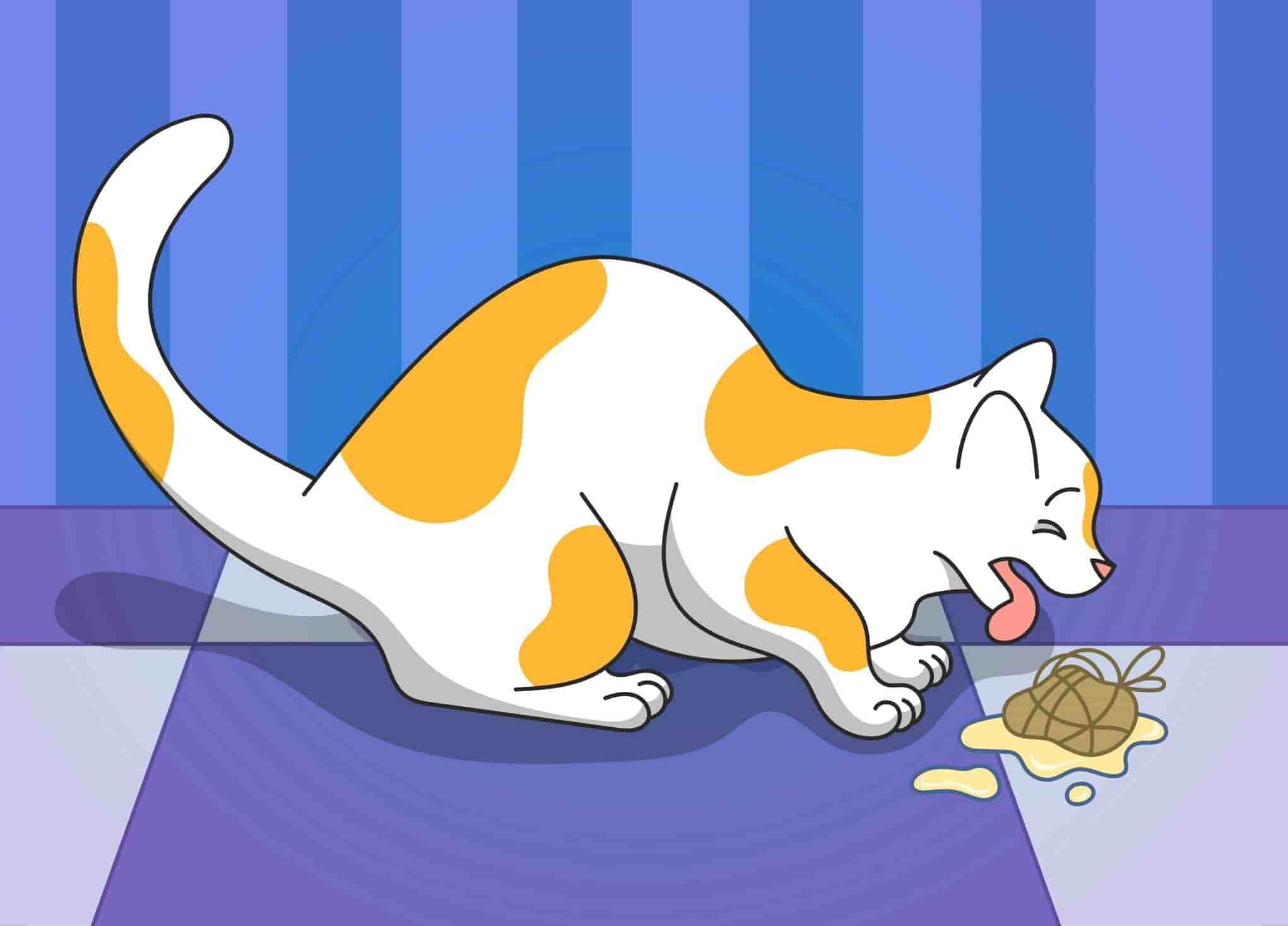
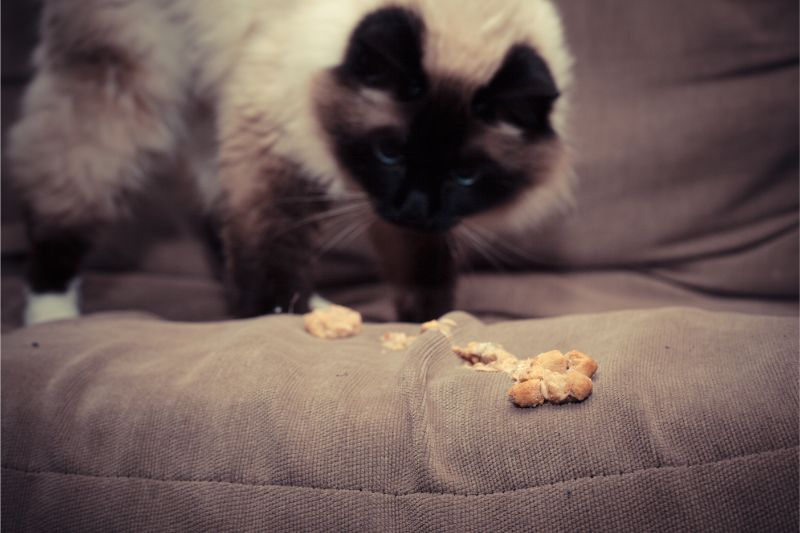
Imagine this: your cat is peacefully lounging on the couch, and suddenly, they start coughing, hacking, and retching. If you’re a cat owner, you’ve likely witnessed this scene more than once.
Hairballs are a common issue, yet they can be unsettling for both you and your feline friend. You might be wondering why they occur and, more importantly, what you can do to help your cat. We’re diving deep into the world of hairballs to uncover practical solutions that can bring comfort to your cat and peace of mind to you.
Whether you’re dealing with occasional hairballs or a chronic issue, you’ll discover effective strategies and simple tips that will make a real difference. Stick around to learn how to turn your cat’s troublesome hairball problem into a thing of the past. Your cat will thank you, and you’ll breathe a sigh of relief knowing you’ve got the situation under control.
Credit: www.volvethosp.com
Causes Of Hairballs In Cats
Cats are adorable, but dealing with hairballs can be frustrating. Understanding the causes of hairballs in cats is crucial. It helps you manage them effectively. Hairballs occur when cats groom themselves. They swallow loose fur, which collects in their stomach.
Excessive Grooming
Excessive grooming is a common cause. Cats lick their fur often. This habit leads to more fur being ingested. Stress or boredom can increase grooming frequency. Long-haired cats are more prone to this.
Lack Of Fiber
Diet plays a role in hairball formation. A diet low in fiber can contribute. Fiber aids digestion and helps fur pass through the system. Without enough fiber, fur accumulates in the stomach.
Seasonal Shedding
Cats shed more fur during certain seasons. This increases the amount of hair swallowed. Seasonal shedding can result in more hairballs. Regular brushing during these times helps reduce the issue.
Digestive Issues
Digestive issues can prevent fur from passing smoothly. A sluggish digestive system may lead to hairball formation. Health problems affecting digestion should be addressed by a vet.
Age Factors
Older cats may experience more hairballs. Aging affects digestive efficiency. They may not process fur as easily as younger cats. Regular check-ups ensure any underlying issues are managed.
Signs Your Cat Has Hairballs
Cats groom themselves constantly. While grooming, they swallow loose fur. This fur accumulates in their stomach, forming hairballs. Hairballs are common but can cause issues. Recognizing the signs helps in managing them.
Frequent Coughing And Gagging
Cats with hairballs often cough or gag. This happens when they try to expel the hairball. It may sound like they are trying to vomit. The sound is distinct and repetitive.
Reduced Appetite
Hairballs can make a cat feel full. This can reduce their appetite. They may eat less or skip meals. Monitor their eating habits closely.
Lethargy
Cats with hairballs might become lethargic. They may seem less active. This is due to discomfort in their stomach. Observe any changes in their energy levels.
Constipation
Hairballs can block a cat’s digestive tract. This leads to constipation. Watch for infrequent or difficult bowel movements. It can be a sign of hairball issues.
Excessive Grooming
Cats may groom more when they have hairballs. They try to remove loose fur. Excessive grooming can lead to more hairballs. This behavior becomes a cycle.
Dietary Adjustments For Hairball Prevention
Hairballs are a common issue for cats, but did you know that adjusting your cat’s diet can help prevent them? A few small changes can make a big difference in reducing hairball formation and improving your cat’s overall health. Let’s explore some simple dietary adjustments that can help keep your feline friend comfortable.
High-fiber Foods
Fiber is key in helping cats pass hair through their digestive tract. By adding high-fiber foods to your cat’s diet, you can help them manage hairballs more effectively. Foods like pumpkin and peas can be great options. You might notice your cat feeling more energetic and less prone to uncomfortable hairball episodes.
Consider creating a small experiment at home. Try incorporating a little canned pumpkin into your cat’s meals for a week. Keep track of any changes in their behavior or hairball frequency. It’s amazing how such a simple addition can lead to noticeable improvements.
Special Hairball Control Cat Food
Many brands offer cat food specifically designed to tackle hairball issues. These foods often contain a blend of fibers and oils that help reduce shedding and improve digestion. Switching to hairball control cat food is an easy step you can take.
If your cat has a favorite brand, check to see if they offer a hairball control variety. You might be surprised at how much your cat enjoys this new option. Cats can be finicky eaters, but when they find something they love that also helps them feel better, it’s a win-win.
Have you noticed any changes after switching to hairball control food? Many pet owners report fewer hairballs and happier cats. Observing such positive changes can motivate you to continue with these dietary adjustments.
Dietary changes can be powerful in managing your cat’s hairball problems. Are you ready to try these simple adjustments to improve your cat’s well-being?
Grooming Techniques To Reduce Hairballs
Brushing your cat regularly can help reduce hairballs by removing loose fur. Use specialized grooming tools to gently remove excess hair. A balanced diet aids digestion, minimizing hairball formation.
Cats are wonderful companions, but dealing with hairballs is a common concern for cat owners. One effective way to manage this issue is through grooming techniques. Proper grooming not only reduces hairballs but also strengthens the bond between you and your feline friend. So, how can you make grooming an enjoyable and productive experience for both of you?Regular Brushing
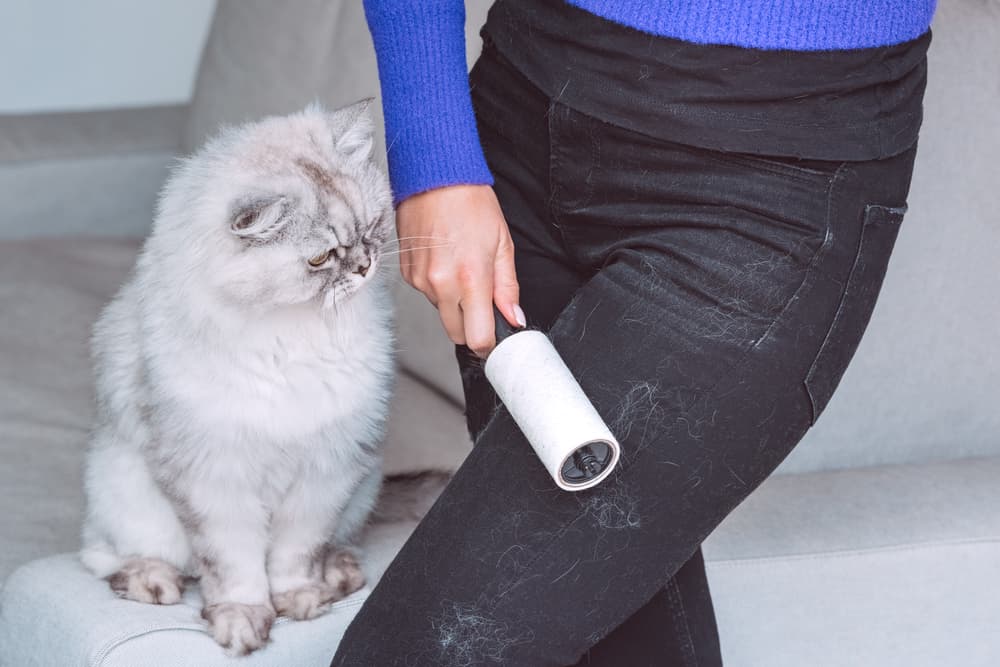
Regular brushing is a simple yet powerful tool in reducing hairballs. By brushing your cat a few times a week, you can remove loose fur before it becomes a problem. Choose a brush that suits your cat’s fur type. Short-haired cats may benefit from a rubber brush, while long-haired breeds might need a slicker brush. Make brushing a routine, perhaps after a meal or during a quiet moment. This not only minimizes shedding but also helps your cat get used to the process. Have you ever noticed how much your cat enjoys a good scratch? Brushing can mimic this sensation and make them look forward to grooming sessions.Professional Grooming Services
Sometimes, despite your best efforts, a professional touch is needed. Professional groomers have the expertise and tools to handle even the most stubborn mats and tangles. They can also provide additional services like trimming and bathing, which might be challenging at home. Many cats find the grooming salon a new and interesting environment, which can make them more cooperative during the process. Consider scheduling regular grooming appointments, especially if you have a long-haired cat or one that sheds excessively. It might be an investment, but the reduction in hairballs and the peace of mind can be worth it. Have you ever tried professional grooming for your cat? What difference did you notice in their coat and overall demeanor? Share your thoughts or experiences, and let’s help each other in keeping our feline friends happy and healthy.Home Remedies For Managing Hairballs
Cats benefit from regular brushing to reduce hairballs. A diet rich in fiber aids digestion, preventing hairball formation. Hydration is crucial; encourage your cat to drink water frequently to help manage hairballs effectively.
Cats are adorable, but dealing with hairballs can be less charming. If you’ve ever wondered how to reduce hairballs in your feline friend, you’re not alone. Many cat owners face this issue, and often the solution can be found right at home. By using simple ingredients from your pantry, you can help your cat manage hairballs effectively. Let’s dive into some practical home remedies that might just do the trick.Olive Oil And Butter
A small amount of olive oil or butter can work wonders for your cat’s digestive system. These fats can help lubricate the digestive tract, making it easier for hair to pass through. A teaspoon of olive oil or melted butter once a week is usually enough. However, it’s important not to overdo it, as too much fat can upset your cat’s stomach. Always consult your vet before making dietary changes. Have you tried this before? It can be surprisingly effective!Pumpkin Puree
Pumpkin puree is a fantastic source of fiber, which can help push hair through your cat’s digestive system. Adding a teaspoon of plain, canned pumpkin to your cat’s food can make a big difference. Most cats enjoy the taste, making it an easy addition to their diet. Just ensure the pumpkin is pure and free from spices or sugars. Have you ever noticed how quickly your cat takes to new foods? This could be one of those easy transitions! By experimenting with these remedies, you might find the perfect solution for your furry friend. What home remedies have you tried? Share your experiences and help others in the comments.Commercial Products For Hairball Control
Cats often struggle with hairballs, but commercial products can help manage this issue. These products, like special cat foods and treats, aid digestion and reduce hairball formation. Regular use can make your cat’s life more comfortable.
Dealing with hairballs is a common challenge for cat owners. If you’ve ever watched your feline friend struggle with one, you know how distressing it can be. Thankfully, there are commercial products specifically designed to help with hairball control. These products can make life easier for both you and your cat. Let’s dive into some of the most popular options available on the market today.Hairball Gels
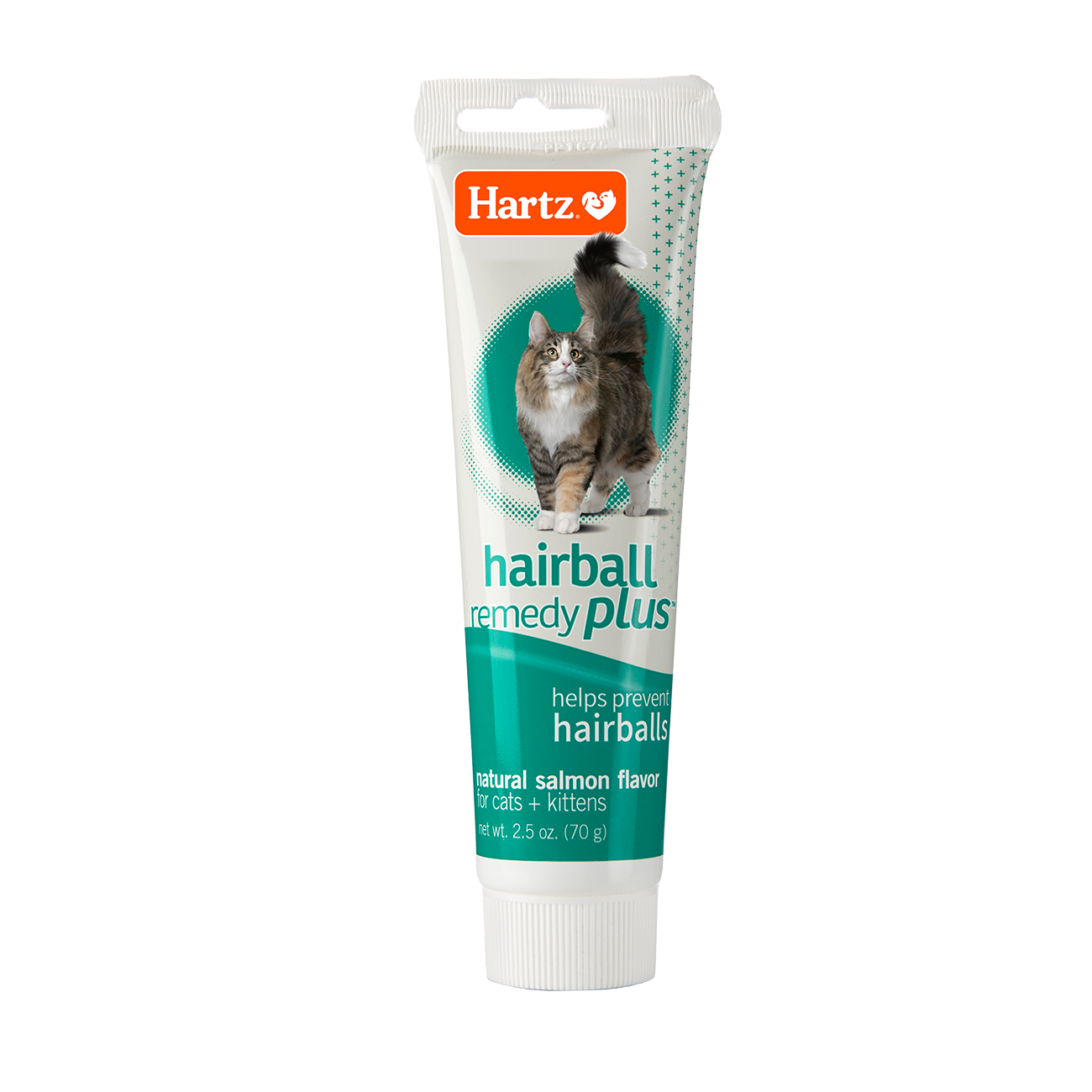
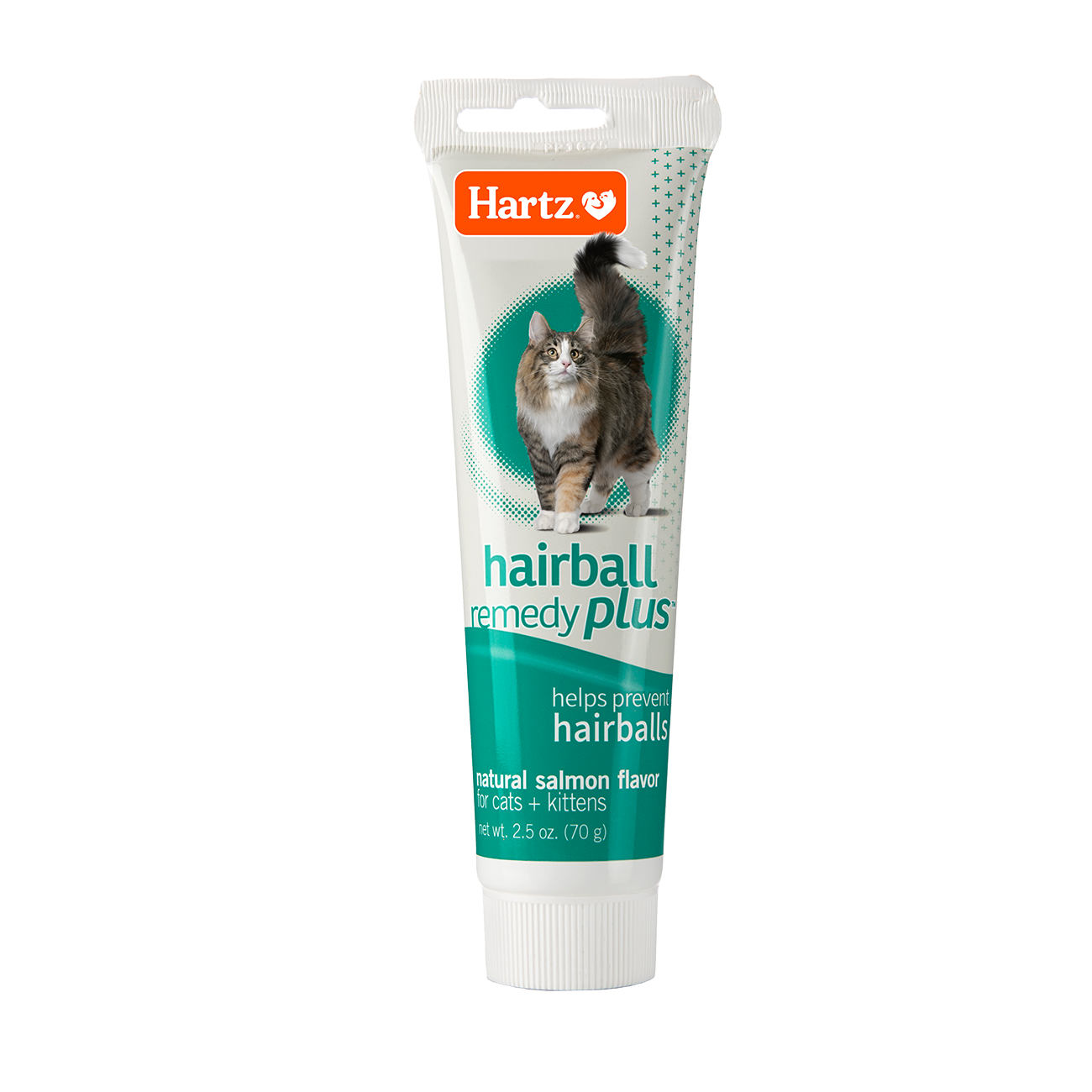
Hairball gels are a popular choice for many cat owners. They work by lubricating the digestive tract, allowing hairballs to pass through more easily. Most gels are flavored, making them a tasty treat for your kitty. You can typically find these gels in flavors like tuna or malt. Just a small dollop on your cat’s paw will encourage them to lick it off, making it an easy addition to their routine. Some cat owners even mix a bit of gel into their pet’s food. This can be particularly helpful if your cat is a bit fussy. Have you tried this method with your cat? How did it work for you?Hairball Treats
Hairball treats are another simple way to manage hairballs. These are specially formulated snacks that help reduce hairball formation. They often contain added fibers which aid in digestion. Cats usually love these treats. They think they’re just getting an extra snack, while you’re actually helping them with a common problem. Offering a few treats a day can make a noticeable difference. It’s essential, however, to ensure that these treats don’t lead to overfeeding. Balance is key. What has been your experience with hairball treats? Have they made a difference for your feline friend? Incorporating these commercial products into your cat’s care routine can lead to a happier, healthier pet. Consider trying out a few options to see which one your cat prefers. What works best for one cat might not be the best for another. Experiment, observe, and adjust to find the perfect solution for you and your furry companion.Hydration And Its Role In Hairball Management
Hydration plays a crucial role in managing cat hairballs. Cats often groom themselves, swallowing loose fur. This swallowed fur can form hairballs. Proper hydration helps move these through their digestive system. Water intake can help reduce hairball formation. Keeping your cat hydrated has many benefits.
Why Water Matters
Water aids digestion by softening fur in the stomach. This makes it easier for the hair to pass through the intestines. Cats naturally have a low thirst drive. Ensuring they drink enough water can prevent hairballs.
Encouraging Your Cat To Drink More
Provide fresh water daily. Consider using a pet fountain. Cats prefer moving water. Place water bowls in different areas. Offer wet food to increase water intake. Wet food contains more moisture than dry food.
Signs Of Dehydration
Watch for signs like dry gums and lethargy. A dehydrated cat might have a dry nose. Their eyes may appear sunken. Ensure your cat drinks enough water. Monitor their water intake regularly. Contact a vet if dehydration persists.
Benefits Beyond Hairball Control
Good hydration supports kidney health. It helps maintain a healthy urinary tract. Hydration can improve overall wellness in cats. Drinking water regularly is vital. It can make a big difference in their health.
Credit: www.pethealthnetwork.com
Veterinary Advice For Persistent Hairballs
Veterinary advice suggests regular brushing and fiber-rich diets help cats with persistent hairballs. Hydration also aids digestion, minimizing hairball formation. Natural remedies and specialized cat foods can further support your feline’s health.
Cats are adorable companions, but hairballs can be a recurring issue that leaves both you and your feline friend frustrated. While most hairballs are harmless and can be managed with simple home remedies, there are times when professional intervention is necessary. Understanding when and why to seek veterinary advice can make all the difference in ensuring your cat’s health and happiness.When To Seek Professional Help
Not all hairballs are created equal. If your cat is frequently vomiting hairballs, seems lethargic, or shows signs of distress, it might be time to consult a vet. Persistent hairballs could indicate an underlying health issue that needs attention. Have you noticed your cat straining or struggling more than usual? These could be warning signs. Don’t wait for things to worsen. Early intervention can prevent complications.Diagnostic Tests And Treatments
Veterinarians have several tools at their disposal to diagnose persistent hairball issues. They might start with a physical exam to check for blockages or other concerns. You might be surprised to learn that blood tests can reveal nutritional deficiencies that contribute to excessive hairball formation. Imaging tests, like X-rays or ultrasounds, help visualize internal obstructions. Treatment options vary but may include prescribed laxatives or dietary changes to help your cat pass hairballs more easily. In more severe cases, surgical intervention might be necessary. Have you considered asking your vet about specialized cat foods designed to reduce hairball formation? These practical solutions can make a big difference. Your proactive approach to managing hairballs doesn’t just improve your cat’s health; it strengthens your bond with your furry friend.
Credit: www.turramurravet.com.au
Frequently Asked Questions
How Can I Help A Cat Pass A Hairball?
Help a cat pass a hairball by providing fresh water and a balanced diet with fiber. Groom your cat regularly to reduce shedding. Offer cat grass or hairball remedy treats to aid digestion. Consult a vet if hairball issues persist or your cat seems uncomfortable.
Does Wet Food Help Cats Pass Hairballs?
Wet food can help cats pass hairballs. It provides hydration, softens stools, and aids digestion. This makes it easier for cats to expel hairballs naturally. Regular feeding of wet food may reduce hairball formation and promote a healthy digestive system.
Always consult your veterinarian for personalized advice.
How Can I Reduce Hairballs In Cats?
To reduce hairballs, regular grooming and brushing are essential. This helps remove loose fur before it’s ingested. Consider a specialized hairball control cat food, and ensure your cat stays hydrated. Additionally, providing fiber-rich treats can aid digestion and help pass hair naturally.
What Foods Help Prevent Hairballs?
Foods high in fiber can help prevent hairballs by aiding digestion. Look for cat food labeled as hairball control, which often contains added fiber. Wet food can also be beneficial as it helps keep your cat hydrated, promoting smoother digestion and reducing hairball formation.
Conclusion
Helping cats with hairballs involves simple steps. Regular grooming reduces loose hair. Special diets can aid digestion. Hairball treatments ease discomfort. Keep your cat hydrated. Water aids digestion naturally. Monitor your cat’s health closely. Regular vet visits are crucial. Healthy habits prevent hairballs.
You can improve your cat’s comfort. Understanding their needs makes a difference. Cats deserve a hairball-free life. Your efforts bring them relief. You and your cat will enjoy a happier home. Implement these tips today. Your feline friend will thank you.

Similar Posts