How to Help a Cat Pass a Hairball: Expert Tips
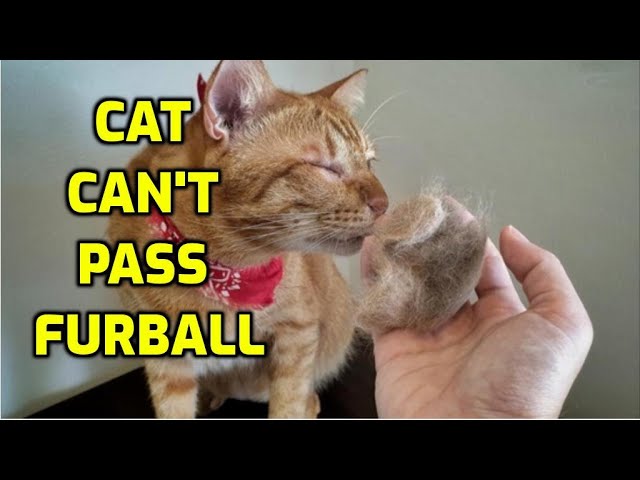
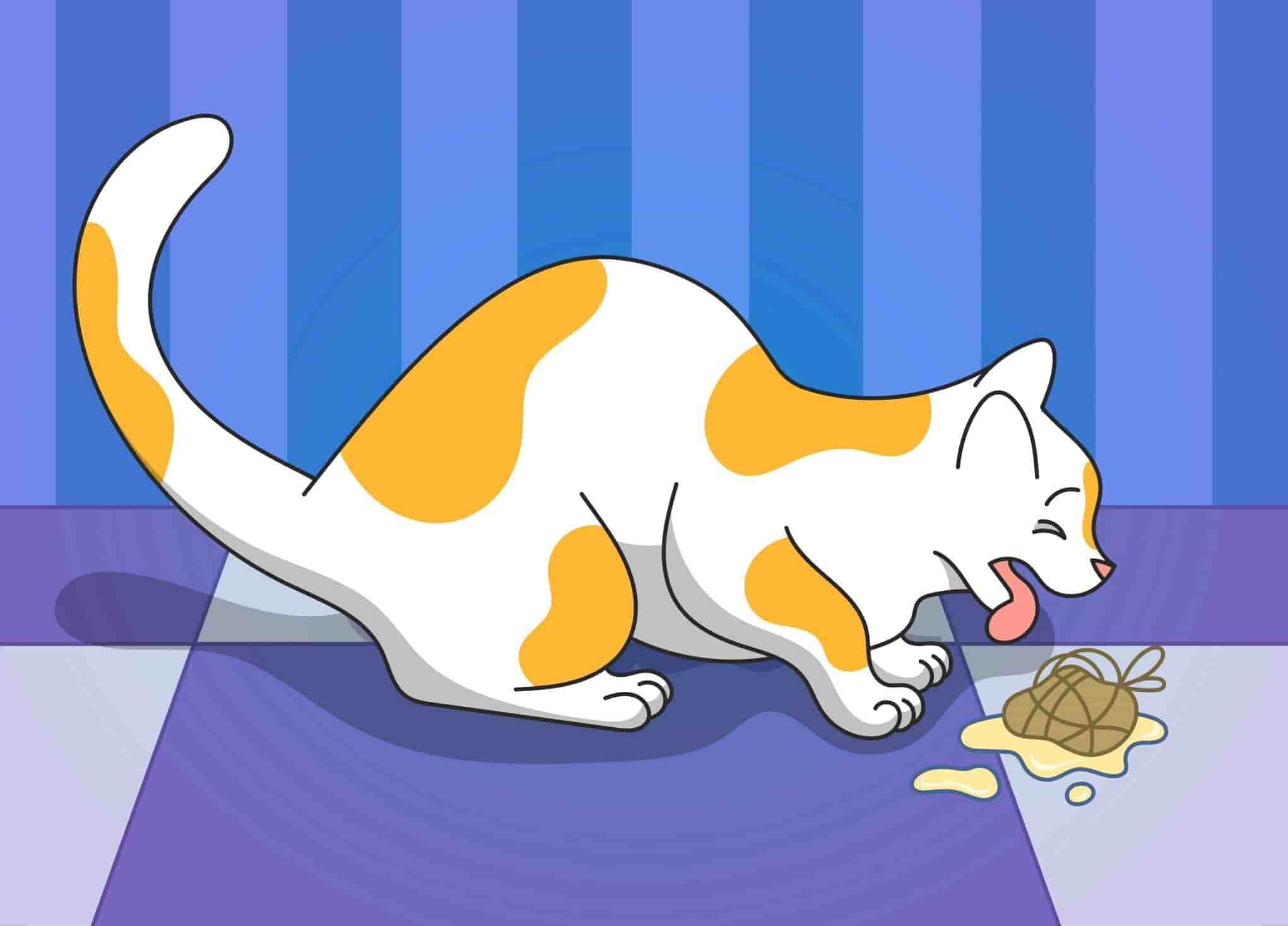
Imagine you’re peacefully sipping your morning coffee, and suddenly, your feline friend starts making that all-too-familiar hacking sound. You know what’s coming: a hairball.
It’s not only uncomfortable for your cat but also unsettling for you to witness. Hairballs are a common issue for many cat owners, yet they can leave you feeling helpless and worried about your furry companion’s well-being. But don’t fret! You can help your cat pass a hairball more easily, ensuring they’re comfortable and reducing the stress for both of you.
By understanding why hairballs occur and learning practical tips and tricks, you can turn this messy situation into a manageable one. Ready to make your cat’s life a little more comfortable? Let’s dive into the simple steps you can take to help your cat pass a hairball smoothly and keep those fur-filled surprises to a minimum.
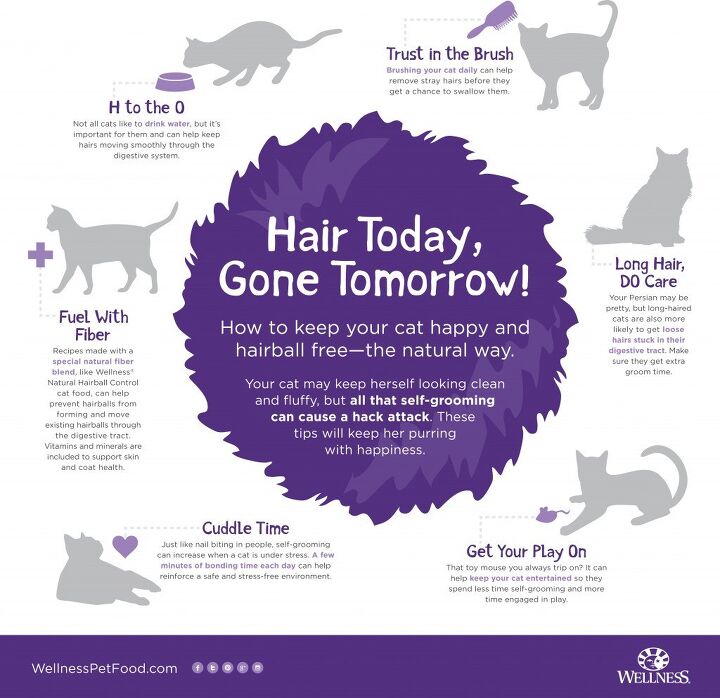
Credit: www.petguide.com
Understanding Hairballs In Cats
Understanding how hairballs form is the first step in helping your furry friend manage them effectively. As a cat owner, you may have encountered those unsightly hairballs on your floor. But have you ever stopped to consider why they happen? By grasping the causes and symptoms, you can better assist your cat in overcoming this common issue. Let’s dive into the details.
Causes Of Hairballs
Hairballs are primarily caused by your cat’s grooming habits. Cats groom themselves by licking their fur, and in doing so, they ingest loose hairs. These hairs can accumulate in their stomachs, forming a hairball. Have you ever noticed your cat grooming more during certain seasons? Cats shed more fur in warmer months, which can lead to increased hairball formation.
Another factor is the length of your cat’s fur. Long-haired breeds like Persians or Maine Coons are more prone to hairballs. They have more fur, which means more hair ends up in their digestive system. Do you own a long-haired cat? Regular grooming can help manage this issue.
Symptoms Of Hairballs
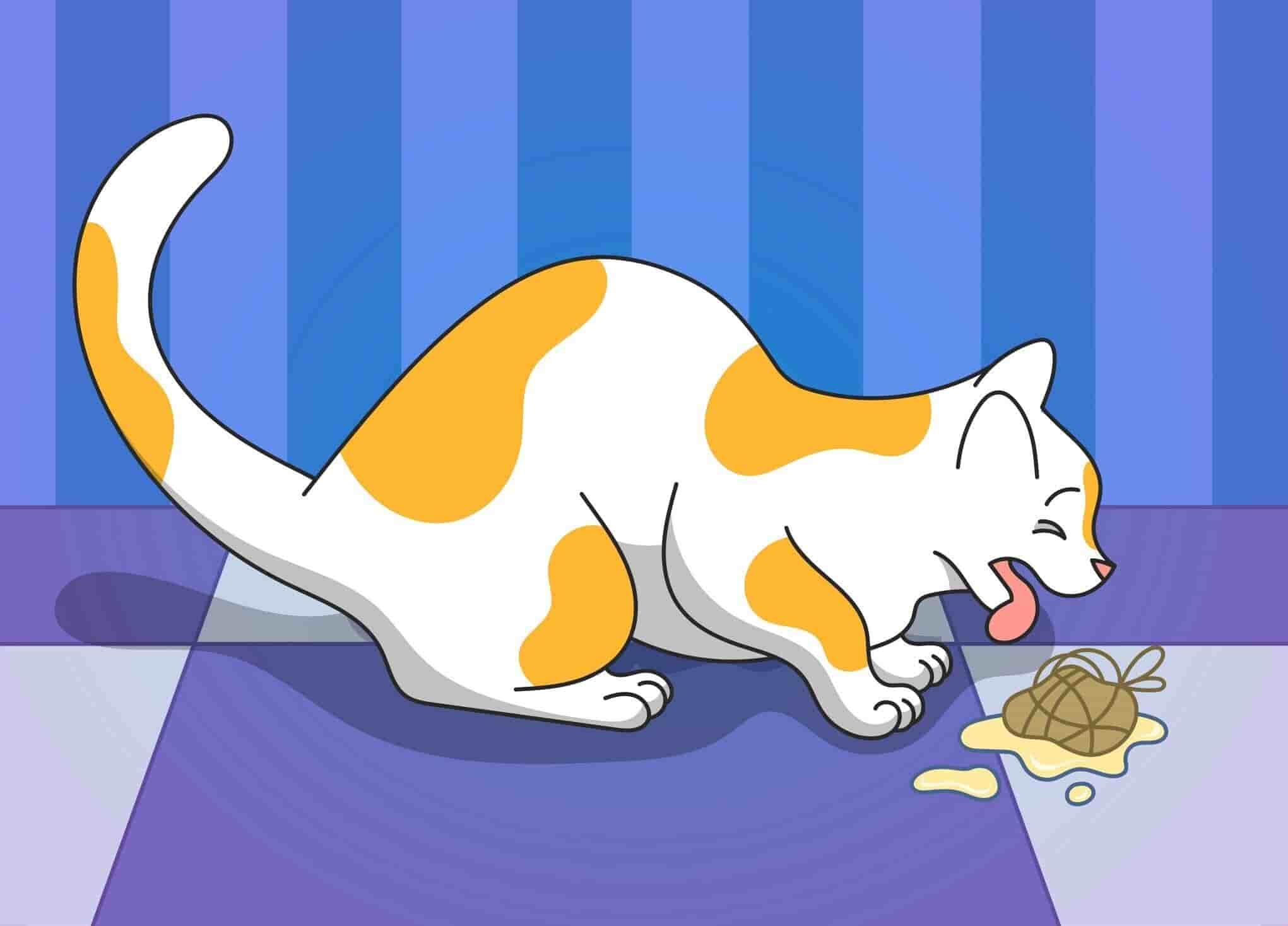
Identifying symptoms of hairballs is crucial in ensuring your cat’s comfort and health. Common signs include gagging or vomiting, particularly when your cat is trying to expel the hairball. Have you seen your cat retching without producing anything? That might be a hairball trying to make its way out.
Loss of appetite and lethargy are also indicators. If your cat seems less interested in food or appears unusually tired, it might be dealing with a hairball. Is your usually energetic feline suddenly less active? Observing these changes can alert you to potential hairball problems.
Understanding these causes and symptoms can not only help your cat pass a hairball but also prevent future occurrences. What actions will you take to make your cat more comfortable today? Consider regular grooming and monitoring your cat’s behavior to keep hairballs at bay.
Credit: petcube.com
Preventive Measures
Cats often deal with hairballs due to their grooming habits. These hairballs can cause discomfort and health issues. To reduce hairball formation, consider preventive measures. Small changes can make a big difference. Here are some effective strategies to keep your feline friend comfortable and healthy.
Regular Grooming
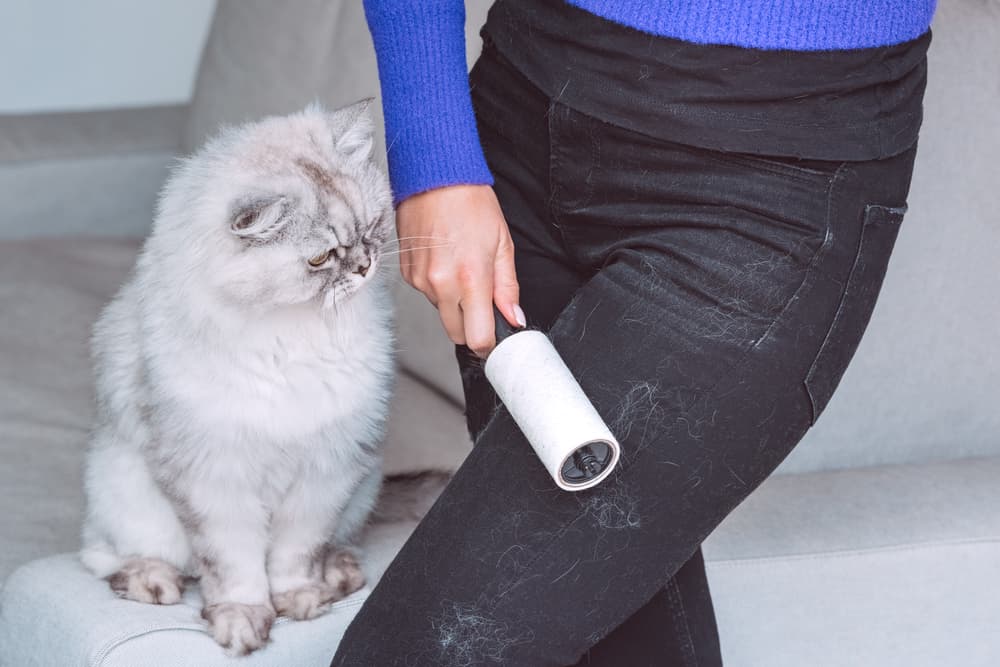
Brush your cat’s fur regularly. This reduces loose hair ingestion. Choose the right brush for your cat’s coat type. Long-haired cats may need daily grooming. Short-haired breeds might require less frequent brushing. Regular grooming helps minimize hairballs.
Dietary Changes
A proper diet supports your cat’s digestive health. Consider foods designed to reduce hairballs. These contain fibers that help move hair through the system. Ensure your cat stays hydrated. Wet food can be a good option. Always provide fresh water. Consult your veterinarian for dietary recommendations.
Natural Remedies
Cats are adorable companions but managing their hairballs can be less than pleasant. Luckily, there are natural remedies that can help your feline friend pass a hairball without much fuss. These remedies are simple and safe, often involving ingredients you likely have at home. Let’s dive into some practical solutions that can bring relief to your cat.
Olive Oil
Olive oil is a fantastic natural remedy for helping a cat pass a hairball. It works by lubricating the digestive tract, making it easier for the hairball to move through. You can add a small amount to your cat’s food. Just a teaspoon once a week can make a difference.
Have you ever noticed how your cat’s coat shines when you add olive oil to their diet? It’s not just about the hairball; it improves their overall skin health too. But be cautious—too much can lead to diarrhea.
Pumpkin Puree
Pumpkin puree is another effective natural remedy. It’s rich in fiber, which helps push the hairball through the digestive system. Adding a tablespoon to your cat’s meal can aid digestion and keep hairballs at bay.
I once tried pumpkin puree with my cat, and not only did it help with hairballs, but she loved the taste. This remedy is especially great during shedding season when hairballs are more frequent. Have you tried offering your cat something new to their diet recently?
These natural remedies are easy to implement and can provide relief for your furry friend. While managing hairballs, remember your cat’s comfort and health are the priority. Each cat is unique, so it might take some experimentation to find what works best for yours. Are you ready to help your cat feel better naturally?
Commercial Solutions
Cats often struggle with hairballs. Provide commercial solutions like specialized cat foods and hairball prevention treats. Regular grooming also helps in reducing hair ingestion.
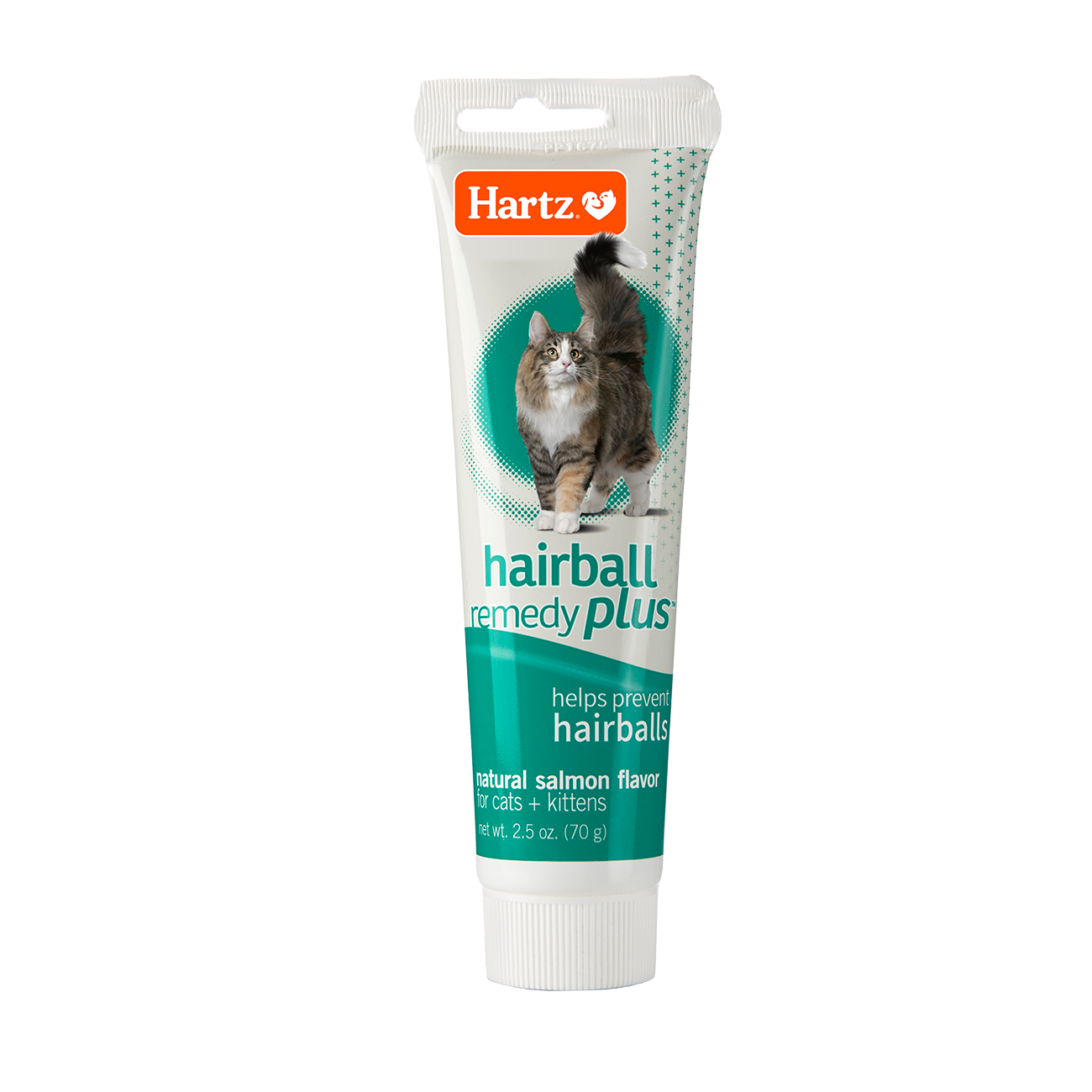
Cats can be charmingly independent, but when hairballs become a problem, they might need a little help from you. Commercial solutions offer convenient ways to address hairball issues, saving both you and your furry friend from discomfort. Imagine your cat enjoying a tasty treat or a specially formulated meal that not only satisfies their taste buds but also aids in reducing hairball occurrences. Let’s dive into some effective commercial options that can make a real difference.Hairball Control Treats
Many cat owners swear by hairball control treats. These are specifically designed to help manage and reduce hairball formation. Look for treats that are rich in fiber, as fiber helps move hair through the digestive system more efficiently. Consider my experience with my own cat, Whiskers. He loves his hairball control treats and sees them as a delicious reward. Since I started giving him these treats, the frequency of hairballs has noticeably decreased. Have you tried offering your cat a treat that’s both tasty and functional?Specialized Cat Food
Switching to specialized cat food can also be an excellent strategy for hairball management. These foods often contain higher fiber content and additional nutrients to support healthy skin and coat. A friend of mine switched her cat, Luna, to a hairball control cat food. Within weeks, Luna’s coat looked shinier, and hairball incidents were down significantly. Specialized cat food can be a simple change that brings about remarkable results. Both hairball control treats and specialized cat food are practical solutions that can make life easier for you and your cat. Have you considered trying these commercial options to help your feline friend? They might just be the key to a happier, hairball-free home.When To Seek Veterinary Help
Cats often deal with hairballs naturally. Sometimes, complications arise. Knowing when to seek veterinary help is crucial. Hairballs can cause blockages. They may lead to serious health issues. Understanding signs of trouble helps pet owners act promptly.
Signs Of Complications
Watch for frequent vomiting. It indicates a problem. If your cat appears lethargic, it might be struggling. Pay attention to appetite changes. Reduced eating signals distress. Breathing difficulties can occur. This suggests a blockage. Abdominal pain should not be ignored. Seek help if discomfort persists.
Emergency Situations
Certain signs require immediate action. Blood in vomit is alarming. It needs urgent attention. Continuous vomiting is dangerous. It leads to dehydration. Rapid breathing is a red flag. It can indicate severe issues. Extreme weakness requires emergency care. Don’t wait if your cat collapses.
Credit: www.pumpkin.care
Frequently Asked Questions
How Do You Help A Cat With A Hairball Stuck?
Help a cat with a stuck hairball by giving it some petroleum jelly. Offer a small amount on its paw. Encourage hydration with fresh water. Consult a vet if the problem persists or if the cat shows distress. Regular grooming can help prevent future hairballs.
What Happens If A Cat Can’t Cough Up A Hairball?
A cat unable to cough up a hairball might experience digestive issues or blockages. Watch for signs like vomiting, lethargy, or constipation. Consult a vet for persistent symptoms. Regular grooming and specialized diets can help reduce hairball formation.
How Do I Know If My Cat Has A Hairball?
Cats often exhibit coughing, retching, or hacking sounds when trying to expel hairballs. You may also notice decreased appetite or lethargy. Observing these symptoms can help you identify if your cat is struggling with a hairball, allowing you to offer timely assistance and care.
What Can I Feed My Cat To Pass A Hairball?
Providing your cat with specialized hairball control food can aid digestion. These foods often contain fibers that help move hair through the digestive tract. Adding a bit of canned pumpkin or olive oil to their diet can also ease the passage of hairballs naturally.
Conclusion
Helping a cat pass a hairball is vital for its health. Regular grooming reduces hairball formation. Ensure your cat drinks enough water daily. Adding fiber to their diet aids digestion. Observe your cat for signs of distress. Consult a vet if problems persist.
Hairball remedies can provide relief. Encourage play to keep your cat active. This can help too. Always prioritize your cat’s comfort and well-being. With these steps, you can minimize hairball issues. A happier, healthier cat is the goal. Keep your furry friend hairball-free and content.

Similar Posts