Why are Cats Eyes Reflective: Nature’s Night Vision
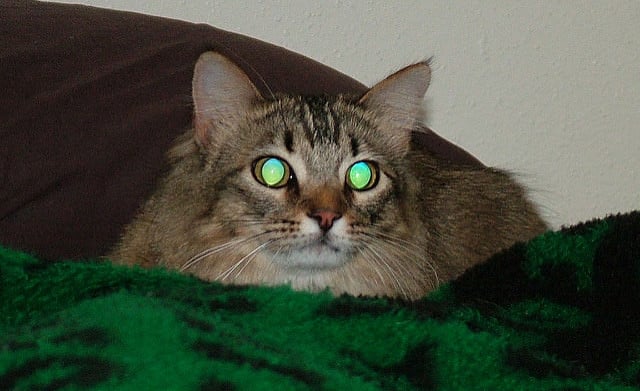
Have you ever wondered why your cat’s eyes seem to glow eerily in the dark? It’s a captivating sight that sparks curiosity.
When you catch a glimpse of those reflective eyes, it feels almost magical. But there’s a fascinating science behind this phenomenon that you might not know yet. Understanding why cats’ eyes reflect light can deepen your connection with your furry friend and reveal more about how they perceive the world.
Get ready to uncover the secrets behind this intriguing feature and discover what makes your cat’s eyes so special. Keep reading, and you might just find a new appreciation for those mesmerizing feline gazes.
The Science Behind Cat’s Reflective Eyes
Cats have a fascinating trait that captures our curiosity. Their eyes glow in the dark. This phenomenon has a scientific explanation. Understanding it can enhance our appreciation for these creatures. The reflective quality of a cat’s eyes is due to a special layer. This layer is found at the back of their eyes.
The Tapetum Lucidum: Nature’s Mirror
The tapetum lucidum is a reflective layer. It sits behind the retina. This layer acts like a mirror. It reflects light that enters the eye. This reflection gives cats a second chance to see in low light. It enhances their night vision abilities.
How Light Reflection Enhances Vision
Light enters a cat’s eye and hits the retina. Some light passes through, hitting the tapetum lucidum. This layer reflects the light back to the retina. The process allows cats to see better in darkness. It is a natural adaptation for survival.
Why Cats Need Enhanced Night Vision
Cats are crepuscular hunters. They are active during dawn and dusk. Low light conditions are common during these times. Enhanced night vision helps them hunt efficiently. The reflective eyes are crucial for spotting prey.
The Colors Of Reflection
The glow of a cat’s eyes can vary in color. It depends on the angle and type of light. Common colors include green and yellow. These colors depend on the composition of the tapetum lucidum.
Comparison With Other Animals
Many nocturnal animals have a tapetum lucidum. Dogs and deer also have reflective eyes. The feature is common among animals active at night. It gives them an advantage in the dark.
Structure Of A Cat’s Eye
Cats’ eyes reflect light due to a special layer called the tapetum lucidum. This layer enhances their night vision. It bounces light back through the retina, making their eyes glow in the dark.
When you spot a cat at night, have you ever wondered why their eyes reflect light so vividly? The secret lies in the unique structure of a cat’s eye. This fascinating feature is not just a quirk of nature but an evolutionary advantage that helps cats hunt in low-light conditions. Understanding this structure can deepen your appreciation for these mysterious creatures.Cornea And Lens
The cornea is the eye’s outermost layer, and in cats, it’s exceptionally curved. This curvature allows more light to enter the eye. The lens, located just behind the cornea, focuses this light onto the retina. Imagine a camera lens capturing a scene. The lens in a cat’s eye works similarly, ensuring that even minimal light is gathered and directed where it’s needed most.Retina And Tapetum Lucidum
The retina is the part of the eye that receives light and converts it into signals for the brain. In cats, the retina is packed with rod cells, which are more sensitive to light than cone cells. This design is perfect for night vision. But the real magic happens with the tapetum lucidum. This layer sits behind the retina and acts like a mirror. It reflects light that wasn’t absorbed the first time, giving it a second chance to hit the retina. This is why your cat’s eyes glow eerily in the dark. Have you ever caught your cat staring at you at night, their eyes glowing back at you? That’s the tapetum lucidum at work, enhancing their night vision and adding an air of mystery to their presence. Next time you see that glow, think of the complex and efficient design of your cat’s eyes. It’s a reminder of how nature equips creatures with the tools they need to survive and thrive.Function Of Tapetum Lucidum
Cats have a unique feature in their eyes called the tapetum lucidum. This special layer enhances their ability to see in low light. It acts like a mirror inside the eye. The tapetum lucidum reflects light that enters the eye. It sends this light back through the retina. This process increases the available light, helping cats see better in the dark.
Light Reflection Mechanism
The tapetum lucidum is a thin layer behind the retina. It contains cells with reflective properties. When light hits these cells, it bounces back through the retina. This reflection boosts the light reaching the photoreceptor cells. More light means clearer vision in dim conditions. This mechanism is essential for nocturnal animals like cats.
Enhancing Night Vision
Cats are known for their night vision capabilities. The tapetum lucidum plays a big role in this. By reflecting light, it doubles the light available to the eyes. This advantage helps cats hunt and navigate at night. Their eyes are adapted to low-light environments. This adaptation makes them excellent night-time predators.

Credit: news.utk.edu
Evolutionary Advantages
Cats have reflective eyes due to a layer called the tapetum lucidum. This layer enhances their night vision by reflecting light back through the retina. Such adaptation allows cats to see well in low-light conditions, giving them an edge as nocturnal hunters.
Cats have a fascinating ability. Their eyes reflect light. This is not just for show. It’s a crucial evolutionary trait. This feature offers them significant advantages. These advantages have helped them thrive through the ages. Here are some key evolutionary benefits.Survival In Low Light
Cats are often active at night. Their reflective eyes help in low light. This trait allows them to see better in the dark. They can detect movements and obstacles easily. This improves their chances of survival. Many predators hunt at night. Cats avoid them with this ability. It acts as a natural defense mechanism. Their survival rate increases significantly.Hunting Efficiency
Hunting is vital for cats. Reflective eyes aid in hunting. They can spot prey in dim conditions. This gives them an upper hand. They can track and catch prey more efficiently. This hunting advantage ensures they get food. Their survival depends on successful hunts. Reflective eyes make cats better hunters. They can thrive in different environments.Comparisons With Other Animals
Cats have a unique eye structure that makes them reflective. Their eyes have a layer called the tapetum lucidum. This layer reflects light, giving them better night vision compared to many animals.
Cats have always been fascinating creatures, and one of their most intriguing features is their reflective eyes. This attribute is not unique to cats; other animals share similar traits. Understanding these differences can deepen your appreciation of how nature equips animals for their environments. Let’s take a closer look at how cats compare to other animals in terms of eye reflectivity.Dogs Vs Cats
If you’ve ever shone a flashlight at your dog’s eyes, you might notice a mild glow. This glow is less intense than a cat’s. Why? Cats are built for hunting in low light. Their eye structure includes a layer called the tapetum lucidum, which reflects light back through the retina, enhancing their night vision. Dogs have this too, but it’s less developed. Dogs evolved alongside humans, relying more on scent and sound than sight. So, next time you see a cat’s eyes shining in the dark, remember it’s an adaptation for survival. Do you think your dog would be better off with improved night vision? Or are their other senses enough?Nocturnal Creatures
Cats aren’t the only animals with reflective eyes. Many nocturnal creatures share this trait. Owls, raccoons, and even some fish have similar eye adaptations. These animals live in environments where light is scarce. Having reflective eyes helps them find food and avoid danger. It’s like having built-in night goggles! When you walk in the woods at night, look for those tiny glimmers—it could be a raccoon watching you. Would you feel safer knowing that your pet cat has superior night vision? It’s comforting to know they can navigate the dark with ease. Understanding these comparisons can make you appreciate the marvels of evolution and adaptation. Each creature is uniquely equipped for survival, showcasing nature’s ingenuity at its finest.
Credit: www.reddit.com
Impact On Cat Behavior
Cats have reflective eyes due to a special layer called the tapetum lucidum. This layer helps them see better in low light. As a result, cats are more active and alert at night.
The reflective quality of a cat’s eyes is not just a fascinating feature; it significantly affects how they behave. This unique trait enhances their ability to see in low light, which in turn shapes their activities and interactions. Understanding this can help you appreciate why your feline friend acts the way it does, especially during the night.Nighttime Activities
Cats are naturally more active during the night. This behavior is partly due to their reflective eyes, which allow them to see better in the dark. Imagine your cat stealthily prowling through your home at night, seemingly seeing everything in the dim light. This is thanks to a layer of cells in their eyes called the tapetum lucidum, which reflects light back through the retina. This ability helps them hunt and play even when it’s dark outside. Do you ever hear your cat playing with toys or scratching at furniture while you’re trying to sleep? Their nocturnal adventures are made possible by their eye structure. This means they can explore and engage in activities when most other animals are resting.Adaptations In Domestication
Domesticated cats have adapted these nighttime behaviors to suit their lives with humans. While they might not need to hunt for food anymore, their instincts still drive them to be active when it’s dark. You might notice your cat kneading or purring late at night or early in the morning. These behaviors are remnants of their instinctive routines. They may reflect the hunting and exploring they would do in the wild. Could this be why your cat wakes you up with a playful paw or a gentle meow at dawn? Their reflective eyes have equipped them for a life of exploration that transcends their domesticated existence. Understanding this can help you adapt your interactions with your cat, ensuring they have enough stimulation during the day to settle down when you do. Knowing about these behaviors can improve your bond with your cat, helping you meet their needs more effectively. So, the next time your feline friend seems restless at night, remember that it’s just their natural behavior shining through.Myths And Misconceptions
Cats’ eyes reflect light due to a special layer called the tapetum lucidum. This layer acts like a mirror. It helps them see better in the dark.
Cats have always been surrounded by an air of mystery, and their reflective eyes have sparked numerous myths and misconceptions. The glow of a cat’s eyes in the dark can be both enchanting and eerie, leading to various tales over time. Let’s dive into some of these myths and clear up the confusion with scientific explanations.Superstitions About Cats
Cats, especially black ones, have long been associated with superstitions. In medieval Europe, a cat’s reflective eyes were often thought to be linked to witchcraft. People believed that these glowing eyes allowed cats to see into the future or even communicate with spirits. In some cultures, a cat with glowing eyes crossing your path was considered a bad omen. It was thought to bring bad luck or misfortune. However, these beliefs are nothing more than old wives’ tales, rooted in fear and misunderstanding. Reflect on your own experiences with cats. Have you ever felt uneasy seeing a cat’s eyes light up in the dark? Remember, these feelings are based on age-old superstitions, not reality.Scientific Clarifications
The real reason behind the reflective nature of cats’ eyes is purely biological. Cats have a layer called the tapetum lucidum behind their retinas. This layer reflects light, enhancing their night vision by allowing them to see better in low-light conditions. Think of the tapetum lucidum as a natural mirror. It reflects light that has passed through the retina back into the eyes, giving them a second chance to capture the image. This is why their eyes appear to glow when caught in headlights or a flashlight. Understanding this simple biological function helps dispel the myths surrounding cats’ eyes. Next time you see a cat’s eyes glowing, appreciate the marvel of nature instead of feeling spooked. Their eyes are simply adapting to help them navigate the world after dark. Have you ever considered why your own eyes don’t glow like a cat’s? It’s all about adaptation and evolution. Cats are naturally equipped to thrive in the dark, unlike humans. So, while the myths are intriguing, the science is fascinating and provides a practical explanation.
Credit: theconversation.com
Frequently Asked Questions
Why Are My Cat’s Eyes So Reflective?
A cat’s eyes are reflective due to a layer called the tapetum lucidum. This layer enhances night vision by reflecting light back through the retina, making their eyes appear to glow in the dark.
Why Do Cat Eyes Glint?
Cat eyes glint due to a reflective layer called the tapetum lucidum. This layer enhances light absorption, improving night vision. As light enters, it reflects back, causing a glowing effect. This adaptation helps cats hunt efficiently in low-light conditions, making their eyes appear luminous and striking.
What Do Cats See When They Look At Humans?
Cats perceive humans as large, friendly creatures. They recognize faces, interpret emotions, and notice body language. Their vision is adapted to detect movement and see well in low light. While colors appear muted to them, they rely heavily on their other senses to understand and interact with humans effectively.
Why Do Cat Eyes Glow On Camera?
Cat eyes glow on camera due to a layer called the tapetum lucidum. This layer reflects light, enhancing night vision. The reflected light causes the glowing effect in photos, making their eyes appear bright and luminous.
Conclusion
Cats have fascinating, reflective eyes. This unique trait helps them see in low light. Special cells in their eyes, called tapetum lucidum, make this possible. These cells reflect light, improving night vision. It’s a survival tool, aiding in hunting and safety.
Understanding this enhances our appreciation for cats. Their eyes aren’t just beautiful; they’re functional. This adaptation shows nature’s cleverness. Cats are truly remarkable creatures. They continue to intrigue and amaze us. Their reflective eyes are just one reason why. Keep observing these amazing animals.
You’ll discover more wonders.

Similar Posts