What Percentage of Orange Cats are Female: Unveiling the Mystery
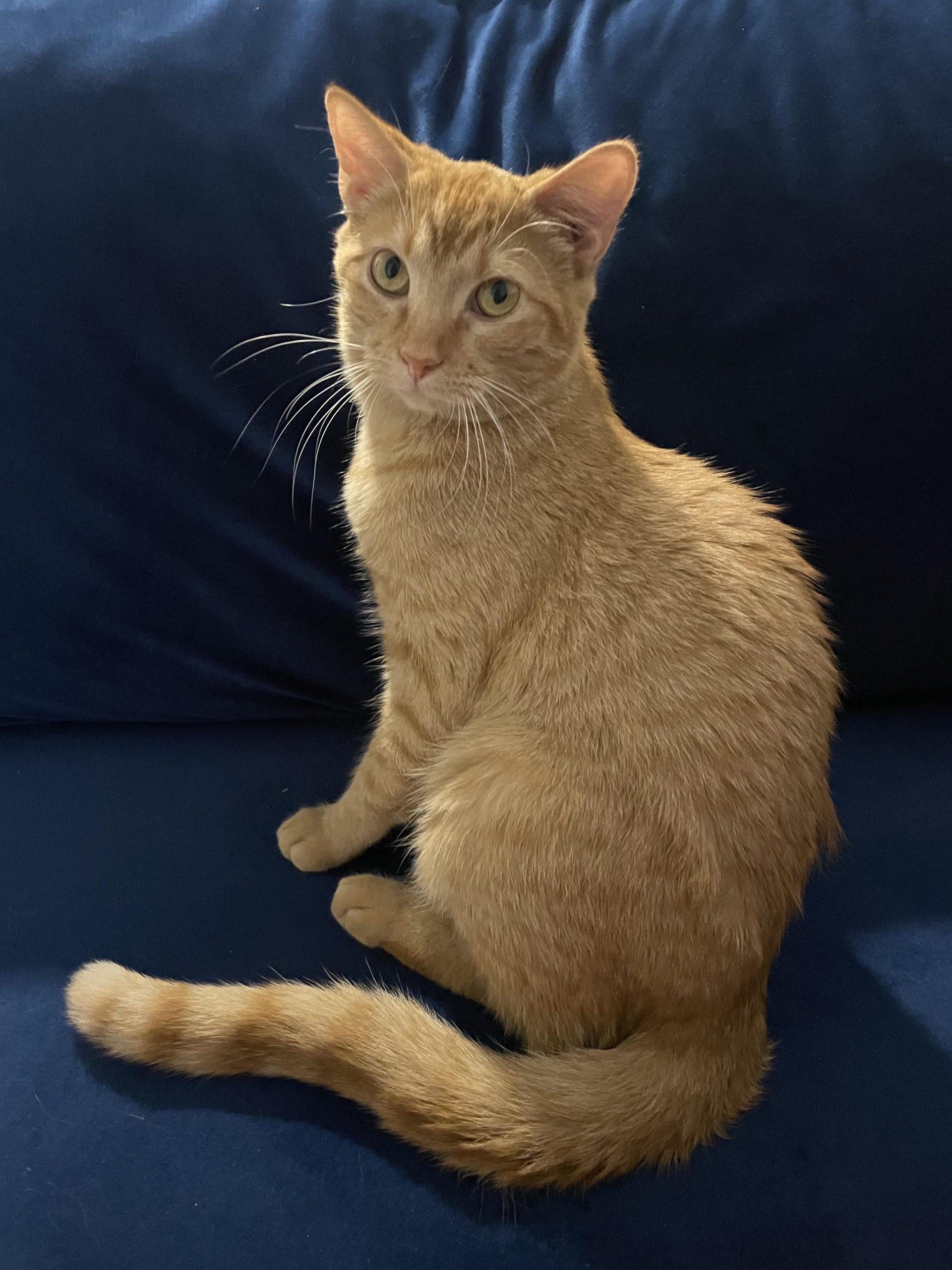
Are you a cat lover fascinated by the mysteries of feline genetics? If you’ve ever wondered about the gender distribution among orange cats, you’re not alone.
The vibrant, fiery coats of orange cats have captured the hearts of many, but did you know that the majority of these charming creatures are male? This intriguing fact might spark curiosity about the rarity of female orange cats. What if you could uncover the secrets behind this phenomenon?
You’ll discover the surprising science behind the percentage of orange cats that are female and why this rare occurrence makes them so special. Keep reading to explore the captivating world of orange cats and satisfy your curiosity!
Credit: www.catster.com
Genetics Behind Orange Cats
Orange cats captivate with their vibrant coats. The genetics of these cats intrigue many. Their color links closely to their genetic makeup. Understanding the genetics helps explain why most orange cats are male.
Chromosomal Traits
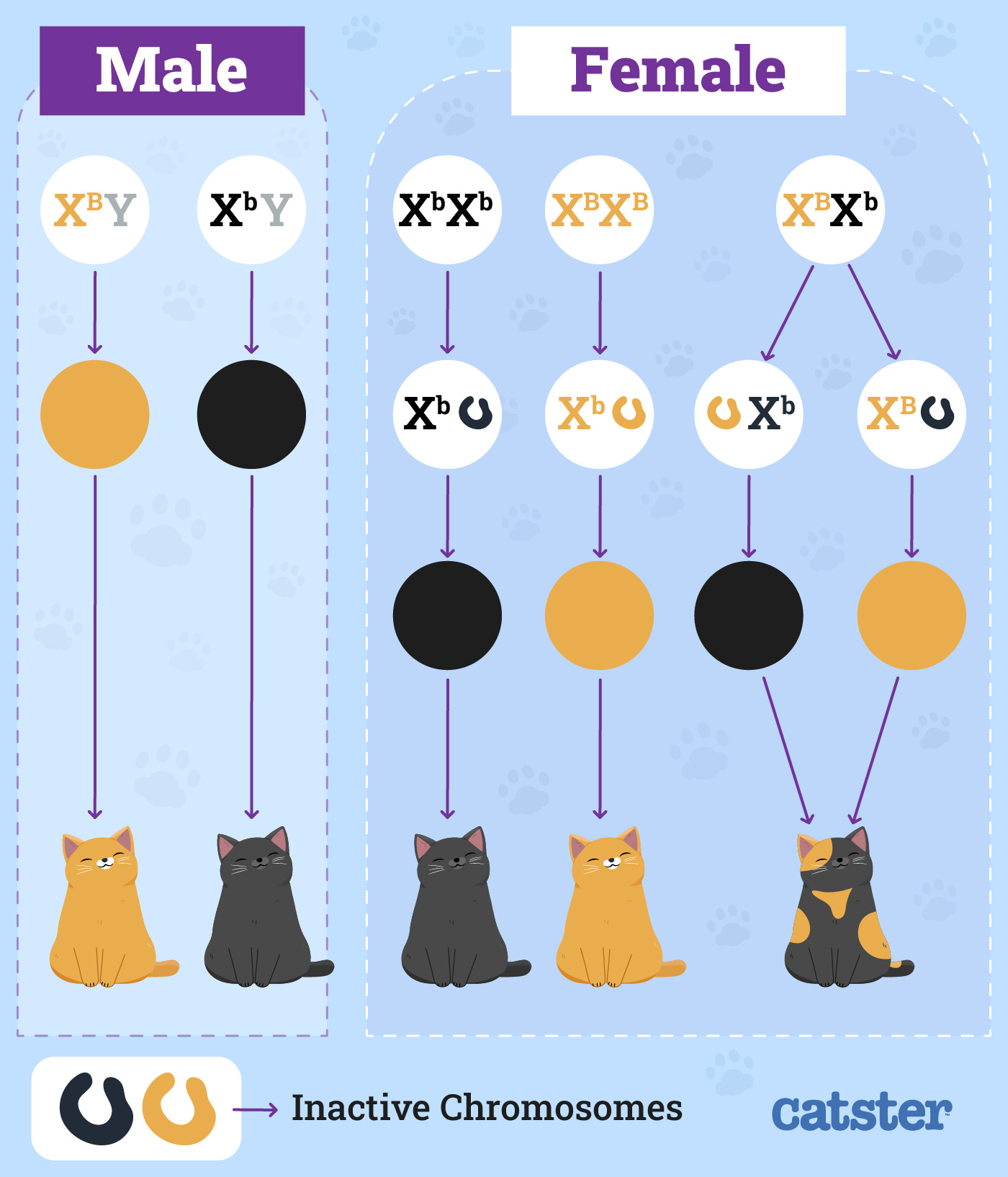
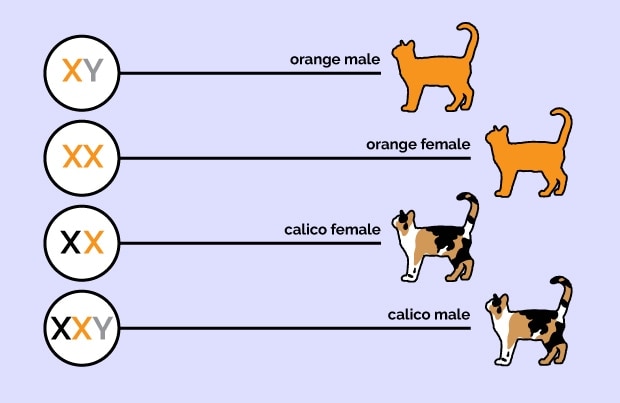
Orange fur results from specific chromosomal traits. These traits lie on the X chromosome. Male cats have one X chromosome and one Y chromosome. Female cats have two X chromosomes. This difference impacts the color.
Influence Of X And Y Chromosomes
The X chromosome carries the orange gene. Males need only one X chromosome to show orange fur. Females require two X chromosomes with orange genes. This makes orange females rarer. Around 80% of orange cats are male.
Understanding these genetic factors is crucial. It explains the rarity of female orange cats. It also reveals the fascinating world of feline genetics.
Common Myths
Orange cats, with their striking hues, are popular among cat lovers. Yet, myths surround these felines, sparking curiosity and confusion. Many wonder why so few female orange cats exist. Let’s explore these myths and uncover the truths behind them.
Misconceptions About Orange Cats
Many believe most orange cats are male. This is partly true. Genetics play a big role. The orange color gene is linked to the X chromosome. Male cats need only one orange gene to be orange. Female cats need two. This genetic setup means more male orange cats are born.
Another myth suggests orange cats are always large and lazy. Not true. Size and personality depend on breed, not color. Some orange cats are active and small. Others might be larger and calm. Each cat is unique, just like people.
Popular Beliefs And Their Origins
Orange cats have been associated with certain traits. Many think they are friendly and social. This belief may come from famous orange cats in media. Characters like Garfield paint a picture of a laid-back, sociable feline.
Some say orange cats bring good luck. This belief likely stems from folklore. In some cultures, orange animals symbolize prosperity. These stories add to their charm and mystery.
Understanding these myths helps us appreciate orange cats more. They are unique, just like any other cat. Each has its own personality, regardless of color.
Scientific Studies
Orange cats, often referred to as ginger or marmalade cats, are a delightful presence in many households. But have you ever wondered about the gender distribution among these charismatic felines? Scientific studies have delved into this intriguing subject, uncovering fascinating insights about the percentage of female orange cats. Let’s dive into the research findings and statistical analysis that shed light on this topic.
Research Findings
Recent studies have shown that the majority of orange cats are male, leading to the conclusion that female orange cats are relatively rare. The genetics behind this phenomenon are linked to the X chromosome.
In cats, the gene responsible for orange fur is located on the X chromosome. Since females have two X chromosomes, they require both to carry the orange gene to exhibit this color. Males, with only one X chromosome, need just one to be orange.
This genetic setup results in a higher number of male orange cats. Think about the orange cats you’ve seen. Chances are, most were male. It’s not just a coincidence; it’s science!
Statistical Analysis
According to statistical analysis, approximately 80% of orange cats are male. This leaves only about 20% as females. These numbers might surprise you but reflect a significant genetic bias.
If you have an orange female cat, consider yourself lucky. They are a unique presence in the world of feline genetics.
Imagine the rarity of finding an orange female kitten in a litter. It’s like discovering a hidden gem! Knowing these statistics, would you be more inclined to adopt an orange female cat?
Understanding these numbers can give you a deeper appreciation for the genetic makeup of your furry friends. Next time you meet an orange cat, you’ll know the science behind their color and gender.
Credit: www.chewy.com
Gender Ratio
Orange cats are a delightful sight for many feline enthusiasts, but have you ever wondered about the gender ratio among these vibrant creatures? Interestingly, the majority of orange cats are male, a fact that often surprises pet owners. Understanding the gender ratio can provide deeper insights into the world of orange cats, offering practical knowledge for cat lovers and breeders alike.
Prevalence Of Male Orange Cats
Did you know that around 80% of orange cats are male? This isn’t just a quirky statistic—it’s rooted in genetics. The gene responsible for the orange color is found on the X chromosome. Since males have one X and one Y chromosome, they only need one orange gene to show the color. This explains why you see more orange males basking in the sun.
Next time you visit a shelter or a friend’s house, notice the orange cats. You’ll likely find more males than females. It’s an intriguing aspect of feline genetics that’s as fascinating as it is practical for breeders. Knowing this can help you understand the dynamics of cat populations and breeding strategies.
Factors Affecting Female Presence
So, why are female orange cats so rare? Females have two X chromosomes, meaning they need two copies of the orange gene to display the color. This double requirement makes female orange cats less common. Only about 20% of orange cats are female, adding an element of rarity to their charm.
If you’re on the lookout for a female orange cat, patience is your friend. They can be harder to find, but their unique presence is worth the wait. Consider the genetics involved and how they shape the feline world. Is this rarity something that makes them more appealing to you?
Understanding the gender ratio of orange cats can enrich your knowledge and appreciation of these colorful companions. Whether you’re a breeder or simply a cat lover, recognizing these genetic patterns can enhance your experience with these fascinating felines.
Impact On Breeding
Orange cats, known for their striking coats, have a fascinating gender ratio. Surprisingly, only about 20% of orange cats are female. This unique distribution impacts breeding choices and practices. If you’ve ever wondered why your orange kitty is likely male, it’s all about genetics.
Selective Breeding Practices
Breeding practices play a crucial role in maintaining the vibrant orange coat color. Breeders often select males due to their prevalence in the orange cat population. It’s a strategic choice that ensures the continuation of this color trait.
But how does this affect the female orange cats? Their rarity makes them valuable in breeding programs. They are often paired with males of various colors to diversify genetic pools. This can lead to fascinating coat color combinations.
Have you ever considered how this impacts the broader cat population? Selective breeding not only affects the orange color but can influence other traits like personality. This interplay between genetics and breeding choices is significant.
Future Implications
The rarity of female orange cats might lead to changes in breeding strategies. As breeders seek to balance the gender ratio, new methods may emerge. This could involve genetic research and more precise breeding techniques.
How might this impact you as a cat owner? You might see an increase in orange female cats available for adoption. This shift could bring more variety to the orange cat population in your local shelters.
Think about the future of cat breeding. Will the demand for female orange cats rise? If you’re considering adopting an orange cat, these trends might shape your choices. The evolving landscape of cat breeding is something to watch closely.

Credit: www.reddit.com
Frequently Asked Questions
Is A Female Orange Cat Rare?
Yes, female orange cats are rare. Around 80% of orange cats are male. This is due to genetics, as the gene for orange fur is linked to the X chromosome. Females need two copies of this gene to be orange, making them less common.
What Color Cat Is Mostly Female?
Tortoiseshell and calico cats are mostly female. This is due to their unique genetic makeup involving two X chromosomes. Male tortoiseshell or calico cats are rare and usually sterile. These colorful patterns are linked to the X chromosome, making females more likely to display them.
Why Are Only 20% Of Orange Cats Female?
Orange cats’ color comes from the X chromosome. Females need two orange genes, making them rarer. Males require just one. This genetic factor results in only 20% of orange cats being female, while 80% are male.
How Rare Are Orange Cats Male Or Female?
Male orange cats are common, with about 80% being male. Female orange cats are rarer, making up around 20%. This is due to genetic factors linked to the X chromosome.
Conclusion
Orange cats are mostly male. It’s a fascinating genetic fact. Only about 20% of orange cats are female. This makes female orange cats rare and unique. Genetics play a big role in their color. Male cats need just one orange gene.
Females need two. That’s why there are fewer female orange cats. It’s interesting to learn about these genetic differences. It gives us a better understanding of cat genetics. Next time you see an orange cat, remember these facts. It might just help you appreciate their uniqueness even more.

Similar Posts