What is Difference between Cat Scan And Pet Scan: Explained
Have you ever wondered what the difference is between a CAT scan and a PET scan? If you or someone you know has been advised to undergo one of these tests, understanding the distinction can be crucial for your peace of mind.
Medical jargon can be intimidating, but breaking it down into simple terms can make all the difference. This article will explain these two diagnostic tools so you can make informed decisions about your health. Imagine walking into a hospital, where you’re faced with a choice between a CAT scan and a PET scan.
You might be thinking, “Which one is right for me? ” Or “How do they actually work? ” You’re not alone in this. Many people are eager to unravel the mystery behind these medical marvels. By the end of this post, you’ll have clarity on their unique purposes, how they function, and what to expect during each procedure. Keep reading to discover how understanding the difference between CAT scans and PET scans can empower you in your healthcare journey. You deserve to have the confidence and knowledge to make decisions that affect your well-being. Don’t let confusion hold you back; let’s dive into the world of medical imaging together.
Basics Of Cat Scan
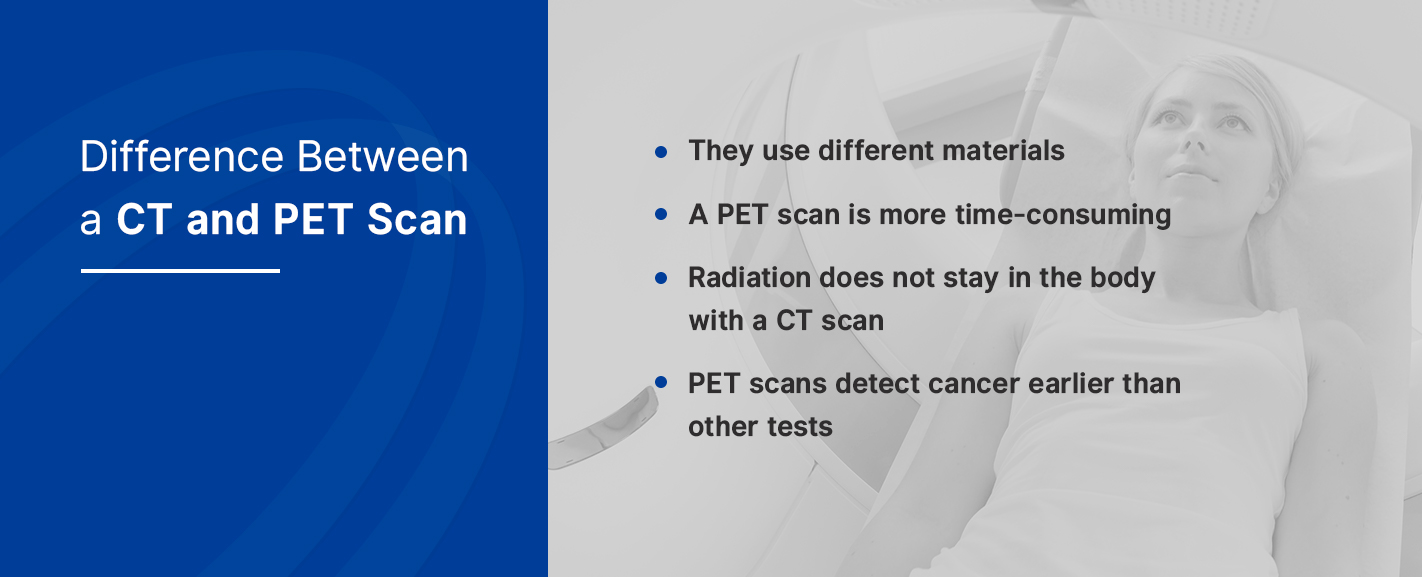
Cat scans, known as CT scans, use X-rays to create detailed images of the body’s internal structures. PET scans, on the other hand, utilize radioactive tracers to visualize metabolic processes. Both are essential in medical imaging but focus on different aspects of health analysis.
Understanding medical imaging can be confusing. Cat Scans and Pet Scans often get mixed up. Let’s break down the basics of a Cat Scan. This type of scan is crucial in medical diagnostics. It provides detailed images inside the body. Below, we dive into the core aspects of a Cat Scan.Definition And Purpose
A Cat Scan, or CT scan, stands for Computed Tomography. It uses X-rays to create detailed images. These images show bones, blood vessels, and soft tissues. The primary purpose is to diagnose diseases. Doctors use it to guide treatment plans. It helps in detecting tumors, infections, and injuries.How It Works
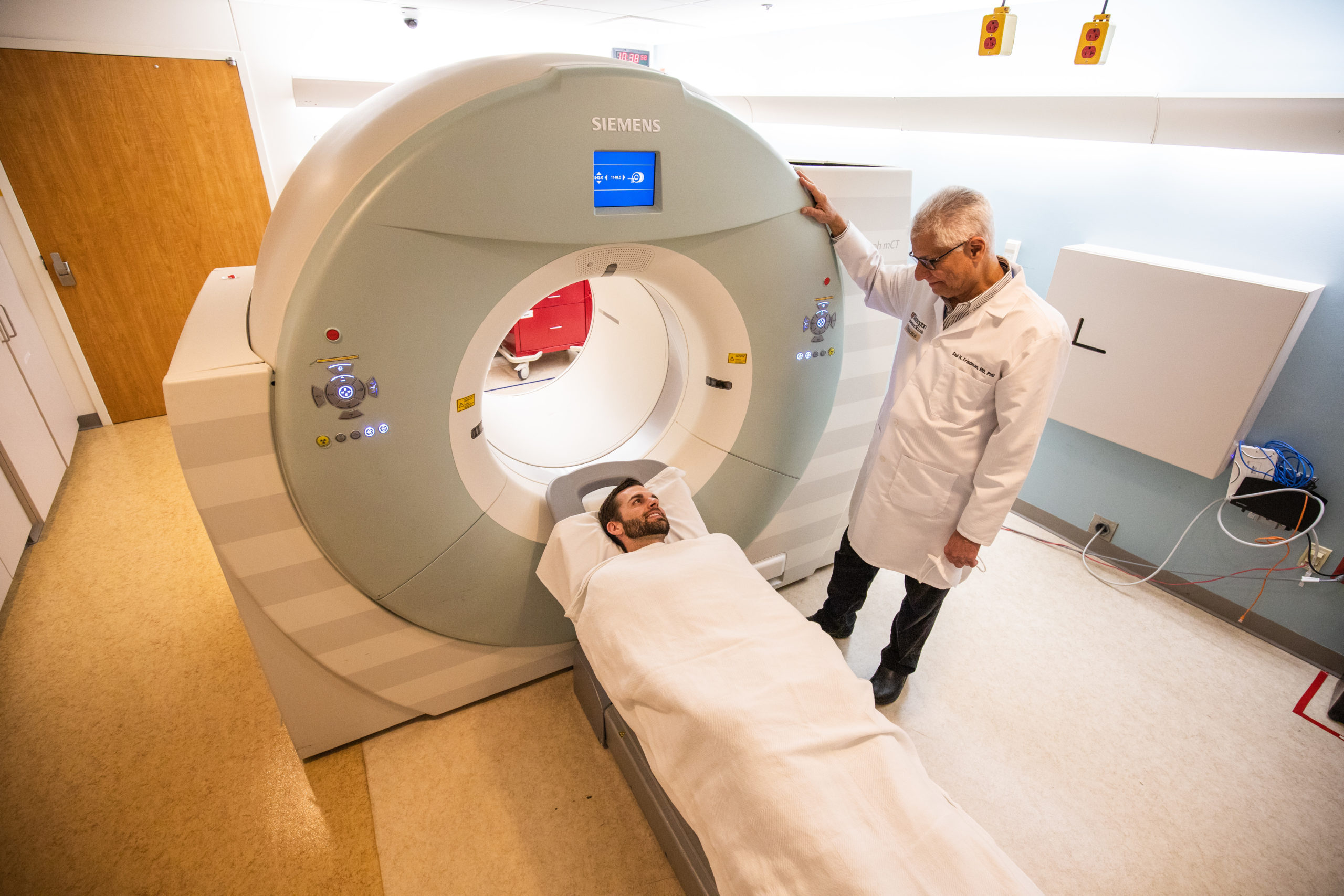
The Cat Scan machine is a large, doughnut-shaped device. You lie on a table that slides into the scanner. The machine takes multiple X-ray images from different angles. A computer combines these images. This creates a cross-sectional view of the inside of your body. The process is painless and quick. It usually takes just a few minutes.Common Uses
Doctors use Cat Scans for many reasons. They help detect bone fractures and tumors. They identify internal bleeding and blood clots. They are also used to monitor diseases like cancer. Cat Scans guide doctors during procedures. They ensure precision when performing biopsies. They are critical in emergency rooms. They provide fast, accurate information. This aids in making quick medical decisions.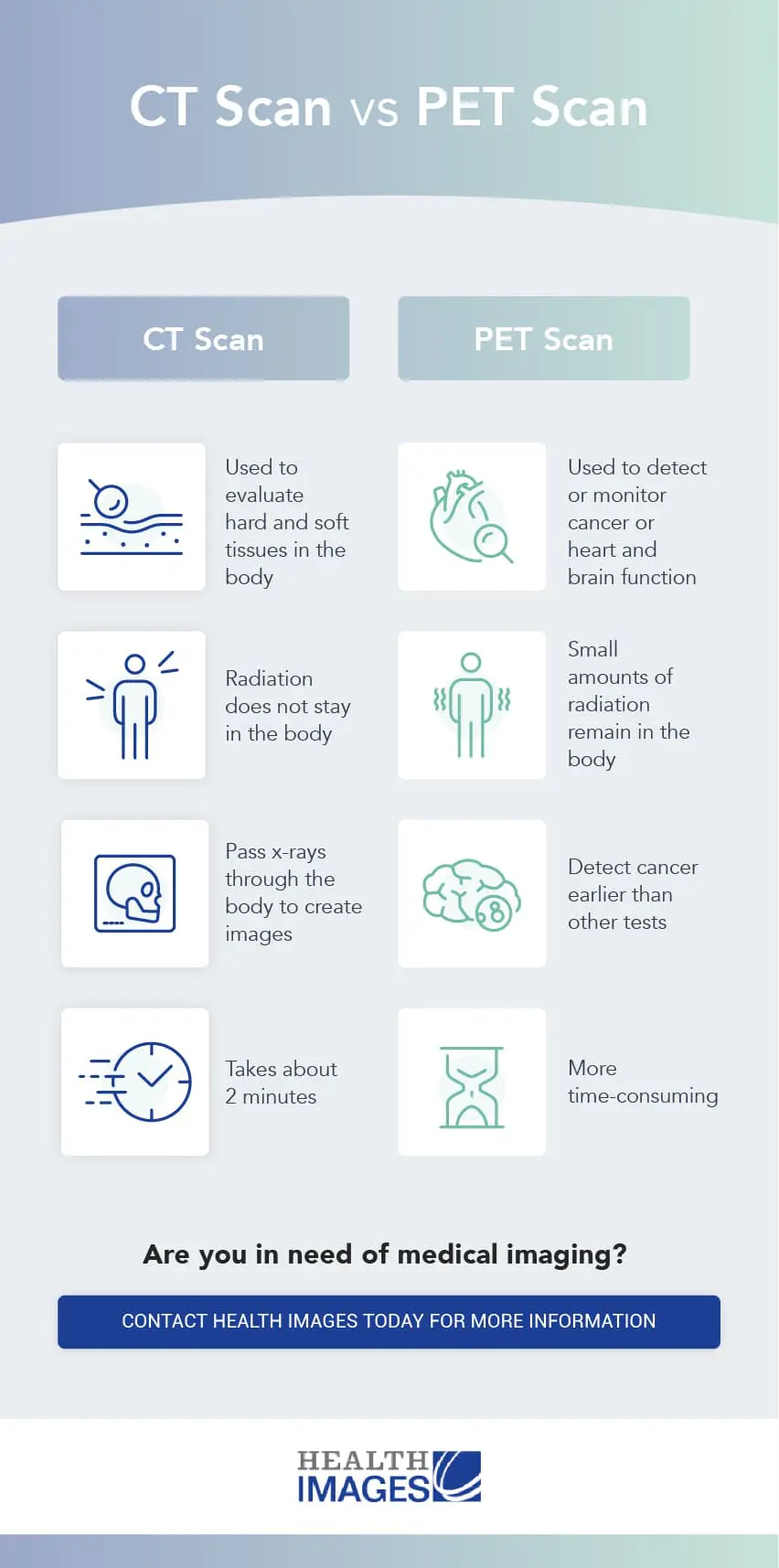
Credit: www.healthimages.com
Basics Of Pet Scan
Understanding the difference between CAT scan and PET scan is crucial. CAT scans provide detailed images of body structure, while PET scans reveal metabolic processes. These scans serve different purposes in medical imaging and diagnosis.
Understanding the basics of a PET scan is crucial. PET scans are advanced imaging tests. Doctors use them to see how organs and tissues work. Unlike CAT scans, which show structure, PET scans show function. They are unique in their ability to detect changes at a cellular level. This makes them powerful tools in diagnosing diseases early.Definition And Purpose
PET stands for Positron Emission Tomography. It is a type of nuclear medicine imaging. The main purpose is to observe metabolic processes in the body. It helps in identifying changes in body functions. This scan detects diseases before they show up on other tests. PET scans are vital in detecting cancer, heart disease, and brain disorders.How It Works
A PET scan uses a small amount of radioactive material. This material is called a tracer. Patients receive it through an injection. The tracer travels through the body and collects in organs and tissues. A PET scanner detects the energy emitted by the tracer. It then creates images of the inside of the body. These images show how tissues and organs are functioning.Common Uses
Doctors use PET scans for various reasons. They are common in cancer detection. PET scans help in identifying the spread of cancer. They are also used in heart disease diagnosis. They assess blood flow to the heart and detect damaged heart tissue. In neurology, PET scans evaluate brain disorders. They help in diagnosing conditions like Alzheimer’s disease and epilepsy. PET scans are also used to check the effectiveness of ongoing treatments.Technical Differences
The technical differences between a CAT scan and a PET scan are significant. Both are advanced imaging methods used in medical diagnostics. Understanding these differences helps in grasping their unique applications and advantages.
Imaging Technology
A CAT scan, or CT scan, uses X-ray technology. It captures detailed images of the body’s internal structures. The scanner rotates around the patient, creating cross-sectional images. These images help visualize bones, blood vessels, and soft tissues.
PET scans use radioactive tracers to detect changes at the cellular level. These tracers are often injected into the body. The PET scanner then captures images of how tissues and organs function. This is essential for detecting diseases like cancer.
Procedure Variations
CAT scans are quicker and typically painless. The patient lies on a table that slides into the scanner. The entire process usually takes a few minutes.
PET scans require more preparation. Patients may need to fast before the procedure. The tracer is administered, and then there’s a waiting period. This allows the tracer to distribute in the body. The scanning itself can take up to an hour.
Both scans provide valuable diagnostic information. Yet, their processes and technologies differ significantly. Knowing these differences aids in understanding their specific roles in healthcare.
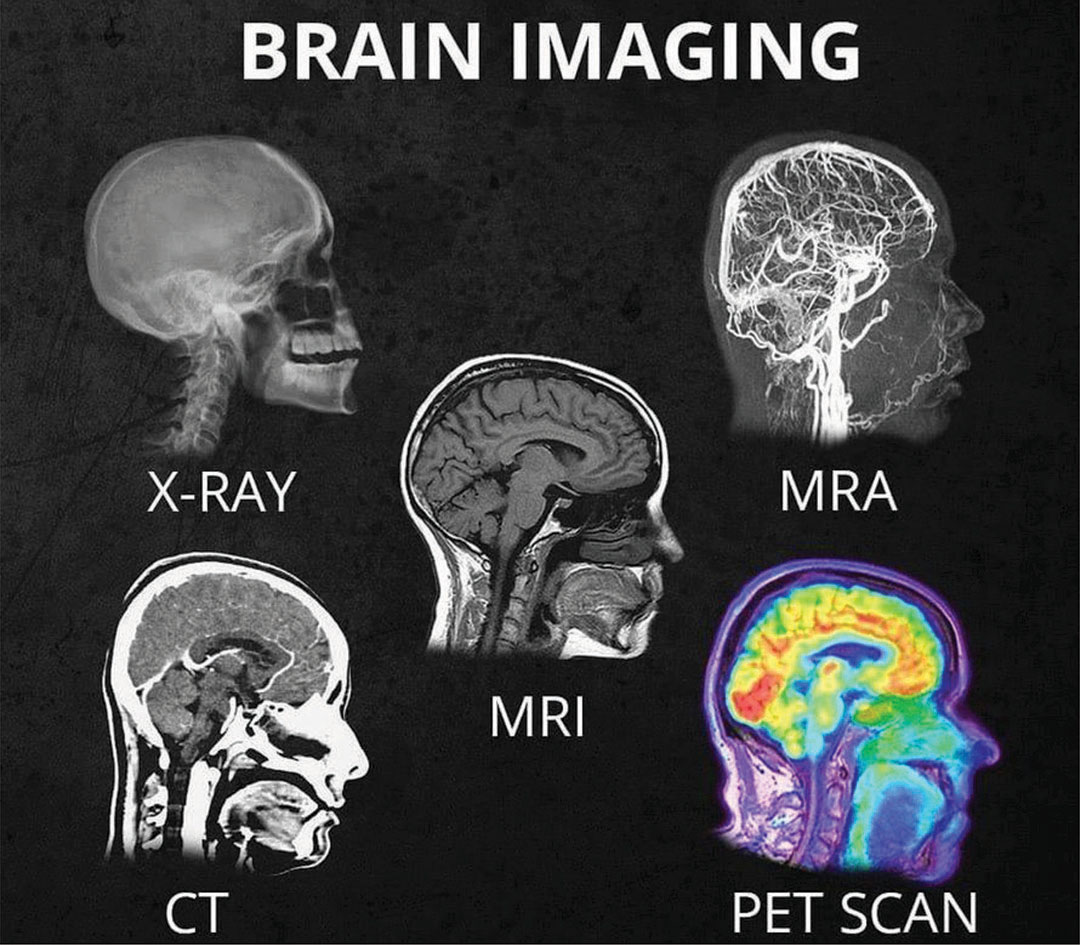
Credit: sdbif.org
Applications In Medicine
Understanding medical imaging is vital in modern healthcare. Cat scans and Pet scans both have unique roles. They help diagnose and plan treatment. Each scan offers different benefits. Knowing these can aid in better health decisions.
Diagnostic Capabilities
Cat scans use X-rays to create detailed images. They show bone and tissue structures clearly. Doctors use them to find fractures and tumors. Pet scans offer a different view. They show how organs and tissues work. They detect changes at a cellular level. This helps identify diseases early. Each scan serves specific diagnostic needs.
Treatment Planning
Cat scans help plan surgeries. They provide precise images for surgeons. This ensures effective treatment. Pet scans guide cancer treatment. They show how tumors respond to therapy. Doctors adjust treatment plans based on these results. Both scans improve treatment accuracy. They ensure patient care is tailored and effective.
Safety And Risks
Cat scans use X-rays to create detailed images of the body’s structures. Pet scans involve radioactive tracers to observe metabolic processes. Each scan has its unique benefits and risks, tailored to specific diagnostic needs.
When you or a loved one needs a scan, understanding the safety and risks involved is essential. Both CAT scans and PET scans are vital tools in modern medicine, but they come with their own concerns. How do these procedures impact your health, and what should you be aware of before deciding on one? Let’s dive into the specifics of radiation exposure and potential side effects to help you make an informed choice.Radiation Exposure
CAT scans, or CT scans, use X-rays to create detailed images of the inside of your body. Because they use radiation, there’s always a concern about exposure. PET scans, on the other hand, involve a different type of radiation. They use a radioactive tracer to highlight areas of concern, often providing more specific information than a CAT scan. Both tests expose you to radiation, but the levels are generally considered safe for most patients. You might wonder how much radiation is too much. It’s always wise to discuss your concerns with your healthcare provider.Potential Side Effects
Have you ever felt anxious about the potential side effects of medical tests? You’re not alone. While CAT scans might cause mild discomfort, such as feeling warm during the procedure, serious side effects are rare. PET scans involve the injection of a radioactive substance, which can sometimes lead to allergic reactions or discomfort. However, these are uncommon and usually mild. It’s crucial to weigh the benefits against the risks. Knowing what to expect can help ease your worries. Remember, these scans are tools to help diagnose and treat conditions effectively. Choosing between a CAT scan and a PET scan can be daunting. But with the right information, you can make a choice that best suits your health needs. Keep in mind, your peace of mind is just as important as the results.Choosing Between Cat And Pet Scan
Choosing between a CAT scan and a PET scan can be challenging. Both scans serve different medical purposes. Understanding their differences can help in making informed decisions.
Factors To Consider
Several factors determine the choice between CAT and PET scans. The type of information needed is crucial. CAT scans provide detailed images of bones and organs. PET scans show how organs and tissues function. Consider the purpose of the scan. CAT scans are often used to detect fractures or tumors. PET scans are useful for diagnosing cancer or brain disorders.
Another factor is exposure to radiation. Both scans involve radiation but in different amounts. CAT scans typically expose patients to less radiation than PET scans. Discussing these differences with your healthcare provider is important.
Consultation With Healthcare Provider
A healthcare provider can offer valuable guidance. They understand your medical history and needs. Discussing symptoms and medical concerns is essential. Your provider will recommend the best scan based on your condition. They can explain the benefits and risks of each scan. This ensures you are well-informed. Always consult with your healthcare provider before making decisions.
Advancements In Imaging Technology
Imaging technology has evolved rapidly in recent years. These advancements help diagnose and treat diseases more effectively. CAT scans and PET scans are key tools in modern medicine. Each has unique benefits for different medical needs. Understanding these differences is essential for both patients and healthcare providers.
Recent Developments
Recent developments in imaging technology have improved scan accuracy. CAT scans now offer faster imaging with less radiation. This reduces patient exposure and increases safety. PET scans have seen advancements in tracer technology. New tracers provide clearer images of cell activity. These improvements enhance early detection and monitoring of diseases.
Future Prospects
Future prospects for imaging technology look promising. Researchers explore hybrid imaging techniques combining CAT and PET scans. These techniques aim to offer comprehensive diagnostic insights. Artificial intelligence plays a growing role in image analysis. AI can help detect anomalies quickly and accurately. Continuous innovation in this field holds potential for better health outcomes.
Credit: www.mir.wustl.edu
Frequently Asked Questions
Does A Pet Scan Show More Cancer Than A Ct Scan?
PET scans often detect more cancer than CT scans. They reveal metabolic activity of cells, indicating active cancer presence. CT scans provide detailed images of body structures, but may miss smaller or less active cancers. Combining both scans offers a comprehensive view, enhancing cancer detection accuracy.
What Cancers Cannot Be Detected By A Pet Scan?
Some cancers may not be detected by a PET scan, including early-stage prostate cancer, certain types of brain tumors, and small-sized cancers. PET scans are less effective in detecting cancers with low metabolic activity. Always consult with a healthcare professional for accurate diagnosis and appropriate tests.
Why Is A Ct Scan Better Than A Pet Scan?
CT scans provide detailed images of bones and soft tissues. They are faster and more widely available. CT is better for diagnosing acute conditions like fractures and internal injuries. It offers superior spatial resolution compared to PET scans, making it ideal for anatomical assessments.
Is A Pet Scan More Claustrophobic Than A Ct Scan?
PET scans can feel more claustrophobic due to longer duration and the enclosed scanner design. CT scans are quicker and usually less confining. Both involve lying still, but the PET scan process might increase discomfort for those sensitive to confined spaces.
Conclusion
Understanding the difference between CAT scans and PET scans is important. CAT scans focus on detailed images of body structures. They help identify injuries, tumors, and diseases. PET scans, on the other hand, show how organs and tissues function. They are crucial in detecting cancer and assessing brain activity.
Both scans offer unique insights. Each serves different medical purposes. Knowing which scan is needed helps in accurate diagnosis. This leads to effective treatment plans. Consult your doctor to choose the right scan. This ensures the best care for your health needs.
Stay informed and proactive about your health.