What is a Civet Cat: Discover Their Mystique
Ever stumbled across the term “civet cat” and wondered what it actually is? You’re not alone.
This intriguing creature might be unfamiliar to many, yet it holds a fascinating place in the animal kingdom and even in some of the products you use daily. Imagine uncovering the secrets behind this mysterious animal that not only plays a vital role in the ecosystem but also has connections to gourmet coffee and luxury perfumes.
As you delve deeper, you’ll discover how the civet cat’s unique characteristics are influencing various industries and why it matters to your everyday life. Curious to know more? Keep reading to unravel the captivating story of the civet cat and its surprising significance.
Credit: www.purekopiluwak.com
Civet Cat Characteristics
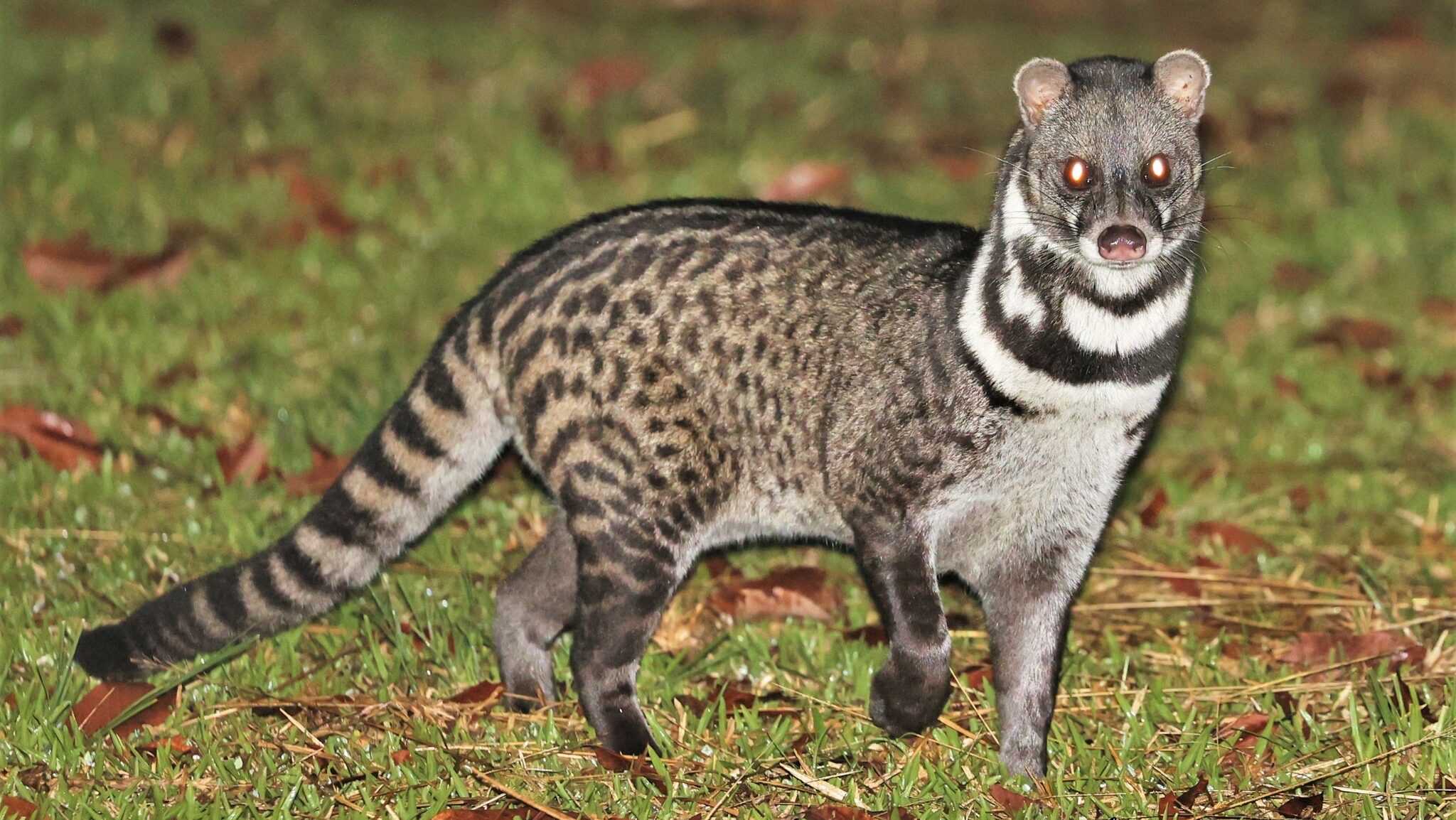
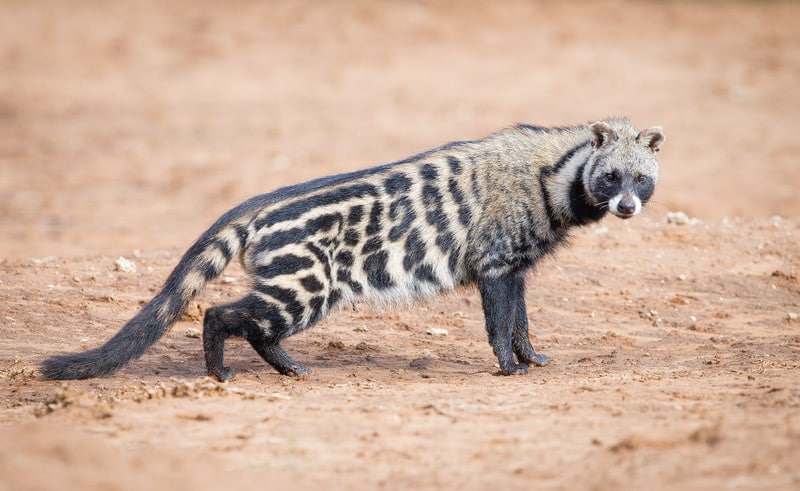
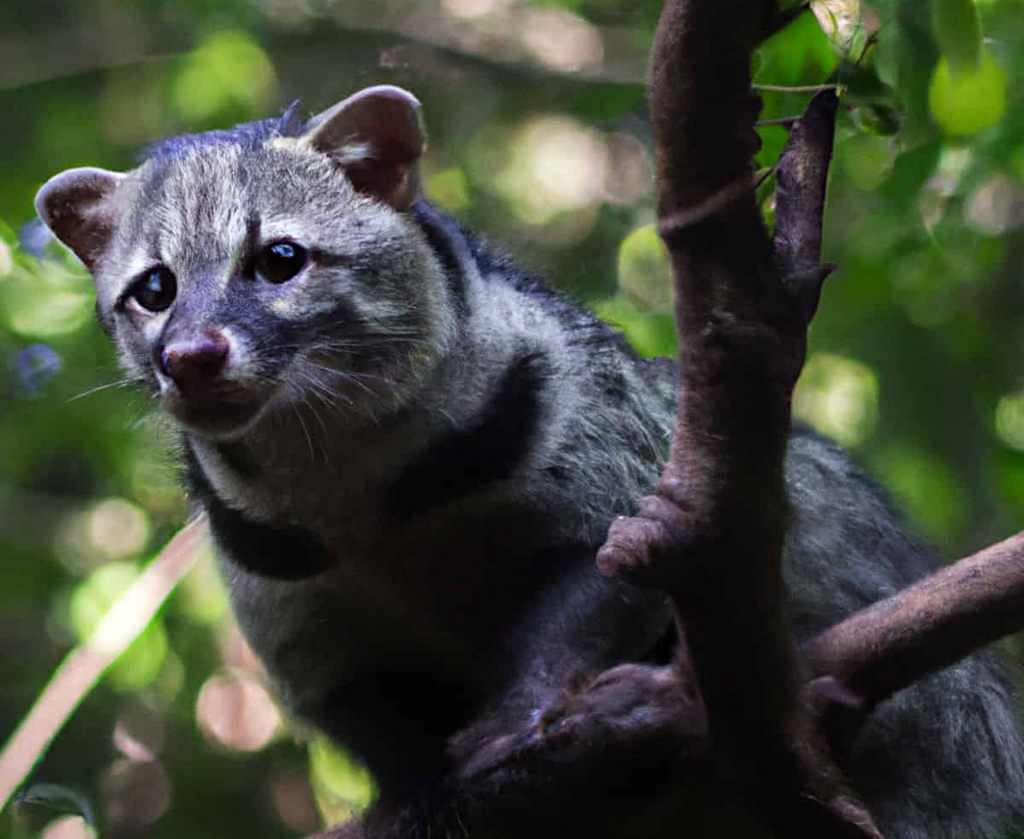
Civet cats, known for their unique musk scent, are small, nocturnal mammals. They have long bodies, short legs, and a distinctive, masked face. These solitary creatures thrive in forested environments and are excellent climbers. Their diet includes fruits, insects, and small animals.
When you think of a civet cat, what comes to mind? These fascinating creatures are often shrouded in mystery, yet they boast intriguing characteristics that make them stand out in the animal kingdom. Understanding these traits can enhance your appreciation for this unique species. Let’s dive into their distinct features, shedding light on both their physical and behavioral aspects.Physical Traits
Civet cats are small, resembling a curious blend of cats and weasels. They usually have a long, slender body with a bushy tail. Their fur varies in color but often displays a mix of gray, brown, and black markings, which provides excellent camouflage in their natural habitats. Their pointed faces are adorned with sharp, alert eyes and small rounded ears. This, coupled with their agile limbs, makes them adept hunters. They also have retractable claws, aiding them in climbing and catching prey. Have you ever observed how a civet moves? It’s a fascinating dance of stealth and grace, much like a ballet dancer in the wild.Behavioral Patterns
Civet cats are primarily nocturnal creatures. They emerge at night to hunt and forage, using their keen sense of smell to locate food. This nocturnal lifestyle helps them avoid predators and the scorching daytime heat in tropical regions. These animals are known for their solitary nature. Unlike many social mammals, civet cats prefer to roam alone, marking their territory with scent glands. Their territorial behavior is essential for survival, ensuring they have enough resources and space. Have you ever considered how their solitary lifestyle impacts their behavior? It fosters independence and resourcefulness, traits that are crucial for thriving in the wild. As you learn more about civet cats, think about how their characteristics could inspire your own approach to life and challenges. How might embracing solitude or honing your instincts enhance your personal journey?
Credit: en.wikipedia.org
Habitat And Distribution
The civet cat, known for its unique appearance and nocturnal habits, thrives in diverse habitats across the globe. Understanding its habitat and distribution can provide insight into its survival strategies and ecological impact.
Geographical Range
Civet cats inhabit regions in Africa, Asia, and parts of Europe. Their presence is notable in tropical and subtropical areas. Countries like India, Indonesia, and the Philippines host significant populations. They adapt to various climates from humid rainforests to dry savannas.
Preferred Environments
These creatures prefer dense forests with ample vegetation. They find shelter in bushes and trees, avoiding open spaces. Civet cats are nocturnal, thriving in areas with abundant food sources. Fruits, small mammals, and insects make up their diet. Water sources nearby are crucial for their survival.
Diet And Feeding Habits
Civet cats are small mammals known for their diverse diet. They feast on fruits, insects, and small animals. Their feeding habits are nocturnal, often seeking food in the dark, adding to their mysterious charm.
Understanding the diet and feeding habits of the civet cat offers a glimpse into the daily life of this intriguing creature. Known for their nocturnal lifestyle, civet cats have a varied diet that plays a crucial role in their survival and their ecosystem. Let’s explore what civet cats eat and how they impact their environment.Natural Diet
Civet cats are omnivores, meaning they eat both plants and animals. Their diet includes a variety of foods such as fruits, insects, small mammals, and even eggs. This adaptability allows them to thrive in diverse habitats, from dense forests to urban areas. Interestingly, civet cats have a particular fondness for coffee cherries. This unique preference has led to the production of a special type of coffee known as Kopi Luwak, made from beans excreted by civet cats. Imagine sipping a cup of coffee that owes its flavor to these curious creatures! Their diet changes with the seasons and availability of food. In fruiting season, they consume more fruits and berries, helping to disperse seeds and aiding in forest regeneration.Role In Ecosystem
Civet cats play a vital role in their ecosystem through their feeding habits. As seed dispersers, they contribute to plant diversity and forest health. When they consume fruits, the seeds pass through their digestive system and are deposited in different locations, ready to grow into new plants. Their predation on insects and small animals also helps control these populations. This balance ensures that no single species dominates, maintaining ecological harmony. Have you ever thought about how a small creature like a civet cat can have such a significant impact on its environment? Their contribution might seem minor, but it is essential for ecosystem balance. Next time you hear about civet cats, remember their crucial role in nature. Their diet not only sustains them but also supports the intricate web of life around them.Civet Cats In Culture
Civet cats have intrigued humans for centuries. These creatures have woven themselves into the tapestry of various cultures. From ancient times to present, they hold a unique place in human stories.
Historical Significance
Throughout history, civet cats were prized for their musk. Ancient Egyptians used civet musk in perfumes. This fragrance was sought after for its rich aroma. In medieval Europe, civet cats were symbols of luxury. Royals and nobles cherished their scent.
In Asia, civet cats had medicinal value. Traditional healers used civet products in remedies. These practices highlight the deep-rooted significance of civet cats. Their musk was a prized commodity across continents.
Symbolism And Beliefs
Various cultures saw civet cats as mystical creatures. In African folklore, civet cats were wise animals. They were believed to possess secret knowledge. Stories often depicted civet cats as protectors.
In some Asian traditions, civet cats symbolize transformation. Their nocturnal nature added mystery to their persona. People believed civet cats could ward off evil spirits. This symbolism enriched cultural narratives.
Civet cats’ mystical aura continues to captivate. They remain emblematic in many cultures today.
Conservation Status
The conservation status of the civet cat is a pressing issue. These unique creatures face numerous threats in their natural habitats. Efforts to protect them are vital for maintaining biodiversity.
Threats And Challenges
Civet cats suffer habitat loss due to deforestation. This reduces their living space significantly. Urban expansion and agriculture further destroy their environment. Poaching poses another serious threat. Civet cats are hunted for their musk and fur. Illegal wildlife trade increases their risk of extinction. Pollution affects their food sources and health. Chemicals in water and soil can harm them greatly.
Conservation Efforts
Several organizations work to conserve civet cats. They focus on protecting habitats from destruction. Creating wildlife reserves helps preserve their natural homes. Awareness campaigns educate people about civet cat importance. Legal measures aim to reduce hunting and trade. Local communities are involved in conservation activities. Sustainable practices are encouraged to minimize habitat damage. Research helps understand civet cat needs and behavior. This information aids in developing effective conservation strategies.
Civet Cats And Coffee
Civet cats have a curious connection to coffee. This connection has intrigued many coffee lovers around the world. The unique coffee known as Kopi Luwak is produced with the help of civet cats. These small, nocturnal animals play a vital role in creating this distinct coffee.
Kopi Luwak Production
Kopi Luwak is a special type of coffee. It is made from beans eaten and excreted by civet cats. The beans ferment in the civet’s digestive system. This process adds a unique flavor to the coffee. After the beans are excreted, they are collected, cleaned, and roasted. The result is a smooth and aromatic brew. Many describe its flavor as rich and earthy.
Ethical Concerns
There are ethical concerns about Kopi Luwak production. Civet cats are often kept in cages for coffee production. These conditions can be cruel and stressful for the animals. Many activists advocate for ethical treatment of civet cats. They encourage consumers to choose coffee from humane sources. Supporting ethical coffee production helps protect civet cats. It also ensures the sustainability of this unique coffee tradition.
Credit: naturalnicheperfume.com
Frequently Asked Questions
Are There Civet Cats In The Us?
Civet cats are not native to the US. They originate from Asia and Africa. Some may be found in zoos or as exotic pets. Always check local regulations before acquiring one as a pet.
Why Do Civet Cats Eat Coffee Beans?
Civet cats eat coffee beans for their fruity pulp. The beans ferment in their digestive system, enhancing flavor. They prefer ripe coffee cherries, which are sweet and nutritious. This natural process is essential for producing the unique and sought-after kopi luwak coffee.
Is A Civet Cat A True Cat?
No, a civet cat is not a true cat. It belongs to the Viverridae family, not Felidae. Civets have distinct features and behaviors compared to domestic cats.
Can A Civet Cat Be A Pet?
Civet cats can technically be kept as pets, but it’s challenging. They require special care and permits. Their wild nature can make them unpredictable and unsuitable for most households. Always research legal requirements and animal welfare before considering.
Conclusion
Civet cats are fascinating creatures with unique traits. They play a role in ecosystems by spreading seeds. Their musky scent is sought after in perfumery. Despite their name, they are not true cats. Civet cats have a varied diet, consuming fruits, insects, and small animals.
Understanding them helps us appreciate biodiversity. Awareness about their habitat needs is crucial. Protecting their environment ensures their survival. Observing civet cats can teach us about nature’s balance. They remind us of the beauty in diversity. Engaging with their world enriches our knowledge and respect for wildlife.