How Do Vets Neuter Cats: A Step-by-Step Guide
Have you ever wondered what actually happens when your furry friend goes for a neutering procedure? This question might stir a mix of curiosity and concern.
Understanding the process can bring peace of mind and help you make informed decisions about your pet’s health. If you’re considering having your cat neutered, knowing what to expect is vital. We’ll uncover the mysteries of how vets neuter cats, explaining each step in simple terms.
You’ll learn why this procedure is important, how it benefits your cat, and what you can do to prepare. Reading further could ease your worries and equip you with the knowledge to ensure your pet’s well-being. Dive in, and discover the fascinating details that make neutering a safe and beneficial choice for your beloved cat.

Credit: www.youtube.com
Pre-surgery Preparations
Preparing for a cat’s neutering surgery involves several important steps. These steps ensure the procedure goes smoothly and safely. Each phase of preparation is crucial for your cat’s health. Being informed helps reduce stress for both you and your pet. Let’s dive into these essential preparations.
Initial Consultation
The journey begins with an initial consultation with the vet. This meeting allows you to discuss the procedure details. You can ask any questions you have about neutering. The vet will explain the benefits and potential risks. Understanding the process helps you make informed decisions.
Health Assessment
A thorough health assessment is next. The vet examines your cat to ensure they are healthy for surgery. This includes checking weight, temperature, and overall wellness. If any health issues are found, they may need treatment first. Ensuring your cat’s health is vital for a successful procedure.
Fasting Requirements
Your cat will need to fast before the surgery. Fasting reduces the risk of complications during anesthesia. The vet will provide specific instructions on fasting times. Typically, food is withheld for 12 hours before surgery. Water may be allowed until a few hours before the procedure.
Anesthesia Process
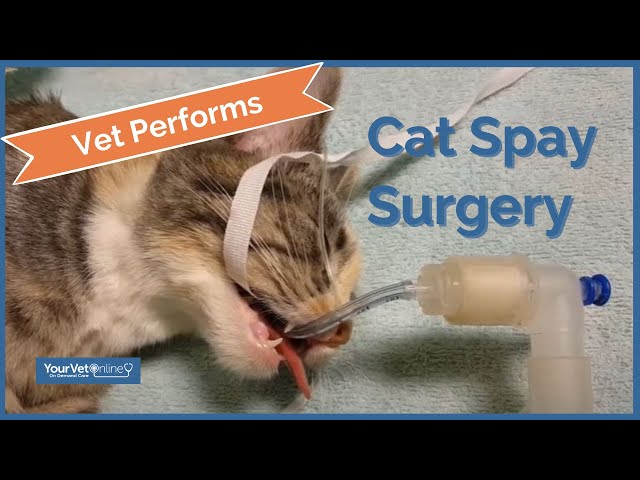
Neutering a cat is a common procedure performed by veterinarians. The anesthesia process is crucial for the safety and comfort of the cat during surgery. Understanding this process helps pet owners feel more at ease. Let’s explore how anesthesia works and why it’s important.
Types Of Anesthesia Used
Veterinarians choose between general and local anesthesia for neutering. General anesthesia puts the cat in a deep sleep. It ensures the cat feels no pain during the procedure. Local anesthesia numbs a specific area, but it’s less common for neutering. The choice depends on the cat’s health and the vet’s preference. Both types aim for a smooth and painless experience.
Monitoring Vital Signs
Monitoring vital signs is essential during anesthesia. Vets check the cat’s heart rate, breathing, and temperature. This ensures the cat stays stable and safe. Advanced equipment helps track these vital signs. Vets can quickly respond to any changes. This careful monitoring is a key part of the anesthesia process.
Surgical Procedure
Vets neuter cats through a safe surgical procedure. The surgery removes the cat’s testicles, preventing reproduction. This common operation helps control the cat population and can improve a cat’s behavior. It usually takes about 20 minutes, with cats recovering quickly.
Surgical neutering of cats is a routine procedure performed by veterinarians. This surgery involves removing the testicles to prevent reproduction. Understanding this process helps cat owners make informed decisions about their pet’s health. The procedure is precise and involves several key steps. Let’s explore how vets perform this surgery.Incision Technique
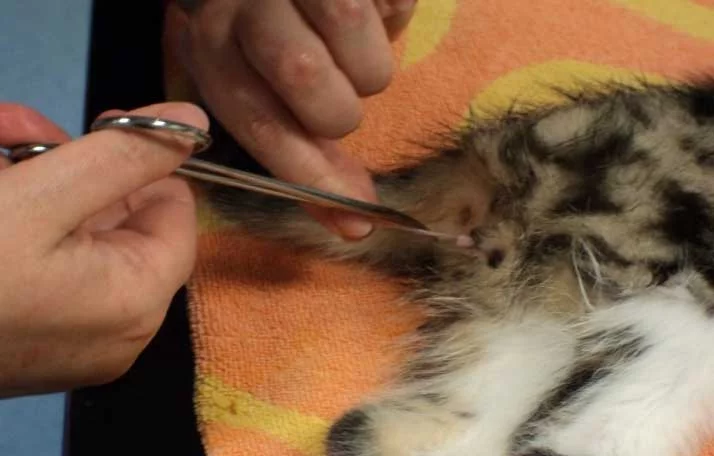
The vet begins by making a small incision. The incision is usually made near the scrotum. This step is crucial for accessing the testicles. The incision is carefully placed to minimize tissue damage. Sterile tools are used to ensure safety and cleanliness. Precision is essential during this stage.Removal Of Testicles
Once the incision is made, the testicles are located. The vet gently extracts them from the scrotal sac. Blood vessels and spermatic cords are tied off securely. This prevents any bleeding and ensures the testicles are detached. Removal is done with utmost care to avoid complications.Suturing And Closure
After removal, the incision requires closing. Sutures or surgical glue may be used. The closure method depends on the vet’s preference and the cat’s condition. The aim is to promote healing and prevent infection. The vet ensures that the wound is properly sealed. The cat is then monitored during recovery.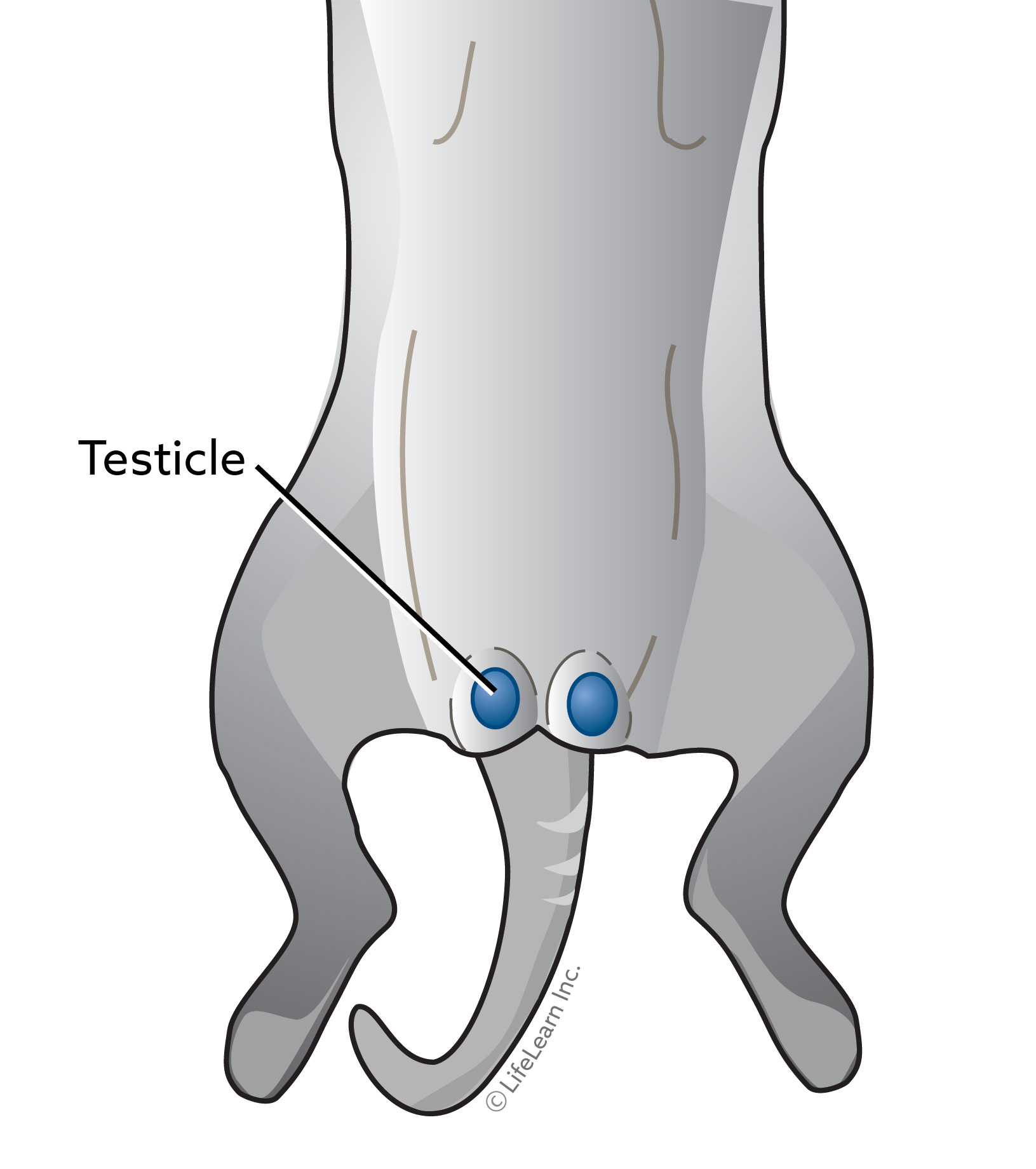
Credit: www.wellnessvet.com.hk
Post-surgery Care
Post-surgery care is crucial for a cat’s recovery after neutering. Ensuring your feline friend heals properly helps prevent complications. With proper care, your cat can return to their playful self in no time.
Monitoring Recovery
Observe your cat closely for the first few days. Look for signs of discomfort or unusual behavior. Ensure they are eating and drinking as usual. Keep an eye on their activity level. Too much movement might strain the surgical area.
Pain Management
Pain relief is vital for a smooth recovery. Your vet may provide medication to ease discomfort. Follow the dosage instructions carefully. Never give human painkillers to cats. They can be harmful.
Preventing Infection
Infection prevention is essential for healing. Keep the surgical site clean and dry. Avoid bathing your cat for at least ten days. Check for redness or swelling around the incision. Contact your vet if you notice any signs of infection.
Common Questions
Vets neuter cats through a simple surgical procedure. It involves removing the testicles to prevent reproduction. This helps control the cat population and reduces unwanted behaviors.
When it comes to neutering cats, many pet owners have questions. It’s natural to wonder about the changes your furry friend might undergo post-procedure, the long-term health benefits, and how much it will cost. Understanding these aspects can help you make informed decisions for your cat’s health and well-being. Let’s dive into some common questions surrounding this important procedure.Behavioral Changes
Neutering can bring noticeable changes to your cat’s behavior. Some cats may become less aggressive, and you’ll often see a reduction in territorial marking. My neighbor’s cat, Max, used to roam the neighborhood, getting into frequent altercations with other cats. After neutering, Max became more content staying close to home. You might wonder, will my cat’s personality change? Neutering doesn’t alter their fundamental personality. Cats often retain their playful and affectionate nature. It’s about curbing unwanted behaviors that can lead to stress for both you and your pet.Long-term Health Benefits
Neutering offers significant health benefits. It reduces the risk of certain cancers and diseases, which is a relief for any pet owner. My vet shared that neutered cats live longer, healthier lives. This procedure can lower the chance of testicular cancer and prostate issues. Imagine not having to worry about your cat facing certain health complications. It’s comforting to know that a simple procedure can make such a difference. What could be better than ensuring your cat’s longevity and vitality?Cost Considerations
Many pet owners are concerned about the cost of neutering. The price can vary depending on location and the specific clinic you choose. Some places offer affordable options or even discounts for multiple pets. Consider this: investing in neutering now might save you money on future medical expenses. Unwanted behaviors and potential health issues can lead to costly treatments. When weighing the costs, think about the peace of mind and health benefits for your cat. Neutering is a small step that can lead to a happier, healthier life for your feline friend. What are your thoughts on making this important decision for your pet?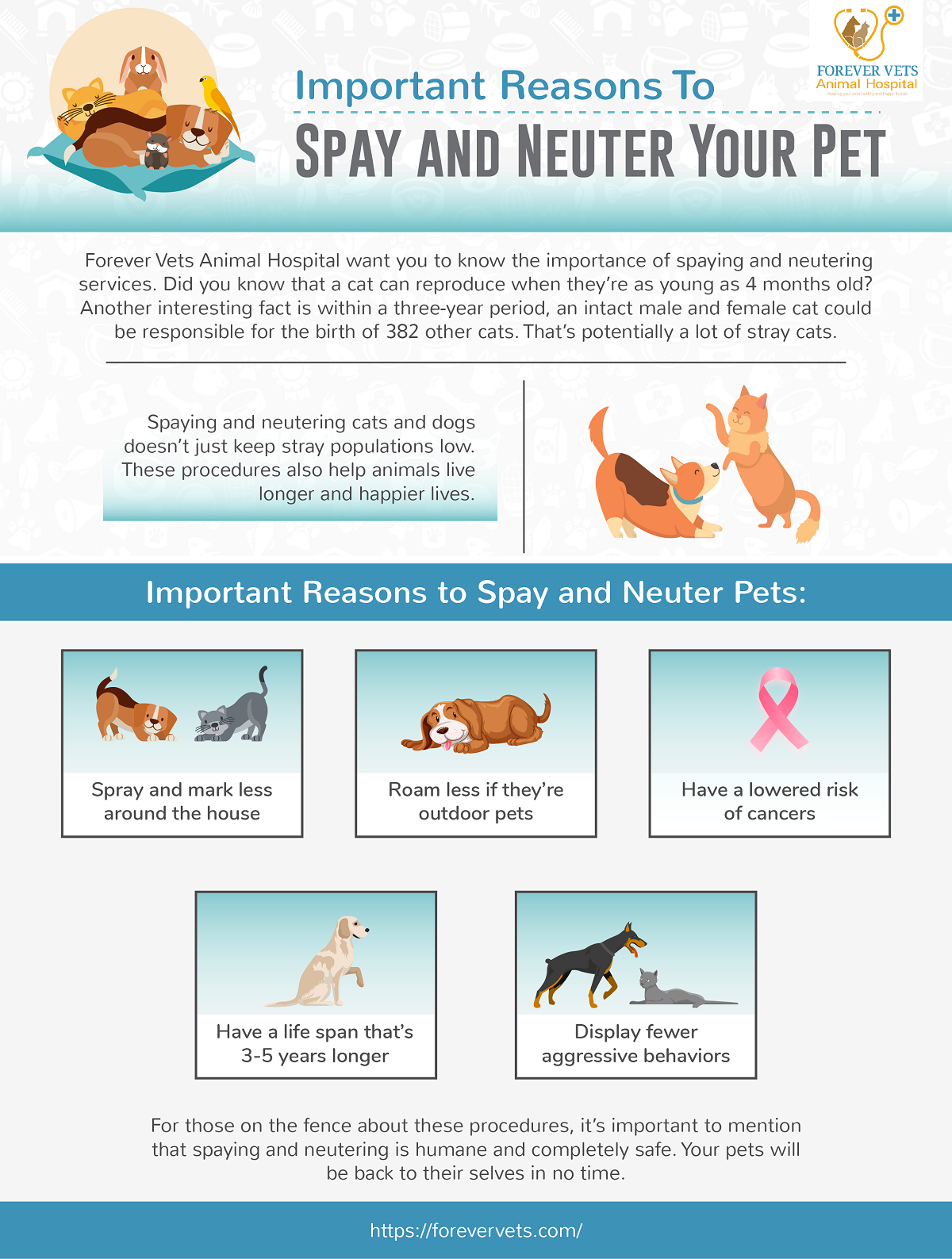
Credit: forevervets.com
Frequently Asked Questions
What Do Vets Do When Neutering A Cat?
Vets perform neutering by making a small incision in the cat’s scrotum. They remove the testicles to prevent reproduction. The procedure is quick and safe, done under anesthesia. Post-surgery care includes monitoring recovery and pain management. Neutering benefits include reduced aggression and prevention of certain health issues.
How Painful Is It For A Cat To Be Neutered?
Neutering is a common procedure with minimal pain for cats. Veterinarians provide anesthesia and pain relief. Most cats recover quickly within a few days. Proper care and monitoring help ensure a smooth recovery. Always consult with your vet for specific guidance and post-operative care instructions.
How Do Vets Neuter Cats Without Stitches?
Vets use a small incision for cat neutering. They apply surgical glue or dissolvable sutures that don’t require removal. This minimizes recovery time and reduces complications. The method ensures comfort and quick healing for cats.
Do Male Cats Change After Getting Neutered?
Male cats often become calmer after neutering. They show reduced aggression and roaming behaviors. Neutering lowers testosterone levels, minimizing territorial marking and fighting. Cats tend to be healthier and less prone to infections. Overall, neutering promotes a more peaceful and manageable pet.
Conclusion
Neutering cats is a vital procedure. It promotes their health and well-being. This simple surgery helps control the pet population. Vets perform it with care and precision. Your cat will recover quickly with proper care. Consult your vet for the best advice.
They provide guidance and support. Neutering is a responsible choice for pet owners. It ensures fewer stray cats and healthier pets. Understanding the process helps you make informed decisions. Your cat deserves a happy, healthy life. Choose neutering for a better future.
It’s a small step with big benefits.