Savannah vs Bengal Cat: Key Differences Explained
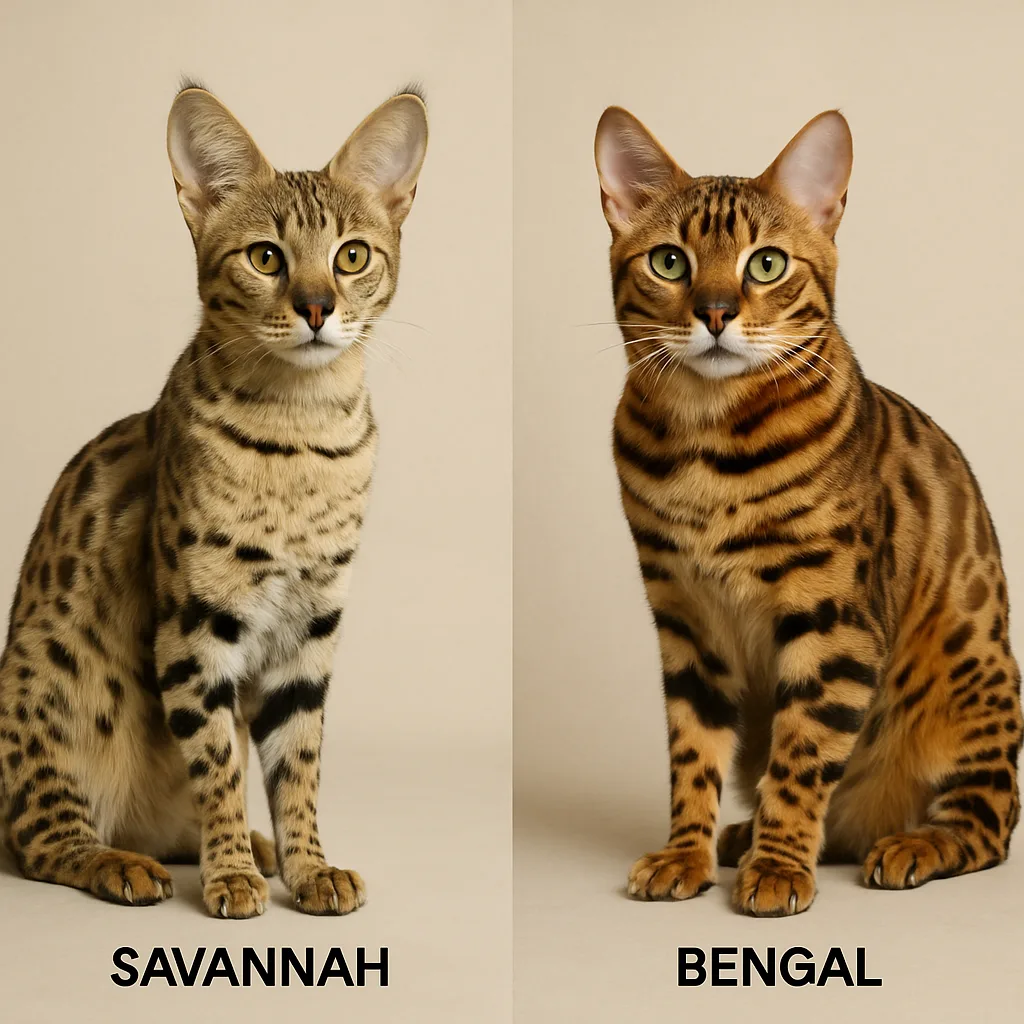
Image source: Bing (Web (fair-use with source credit))
If you've stumbled onto the phrase "savannah bengal cat" while searching for your next feline companion, you're probably wondering what on earth the difference is. Are they the same breed? Is one a cross of the other?
These are the questions that send people down a rabbit hole of confusing genetics and even more confusing terminology. The honest answer is that "Savannah Bengal" isn't a single official breed. It's a collision of two completely distinct hybrid cats, and knowing which is which before you bring one home is where all the practical work begins.
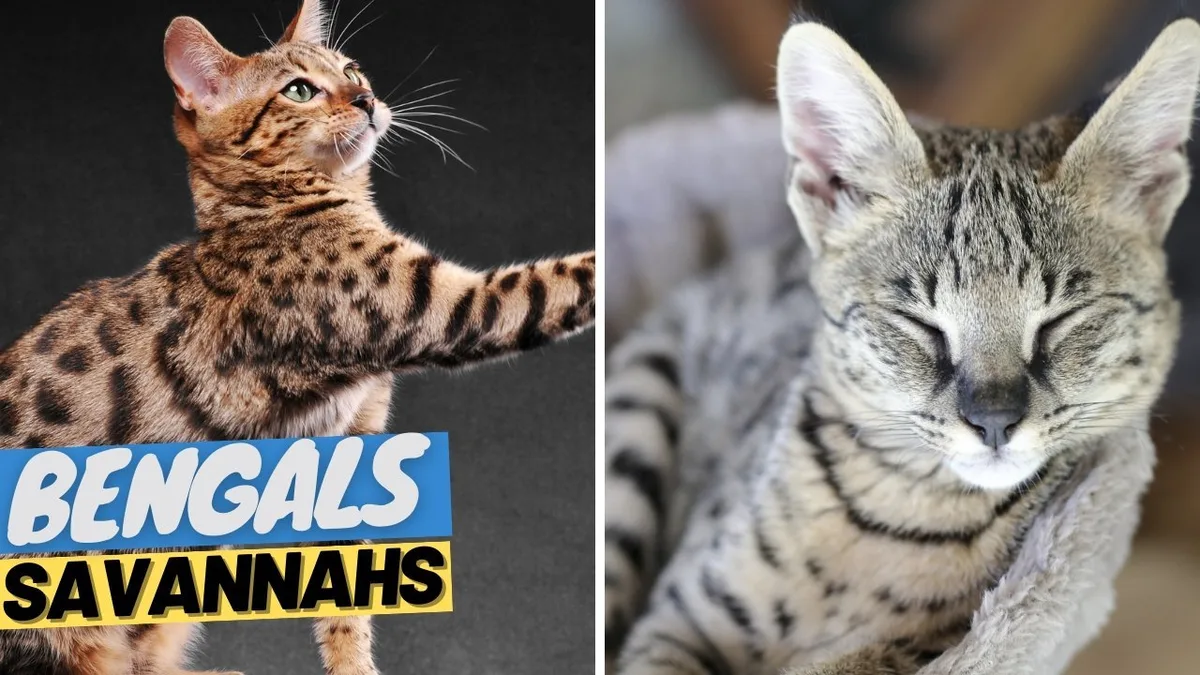
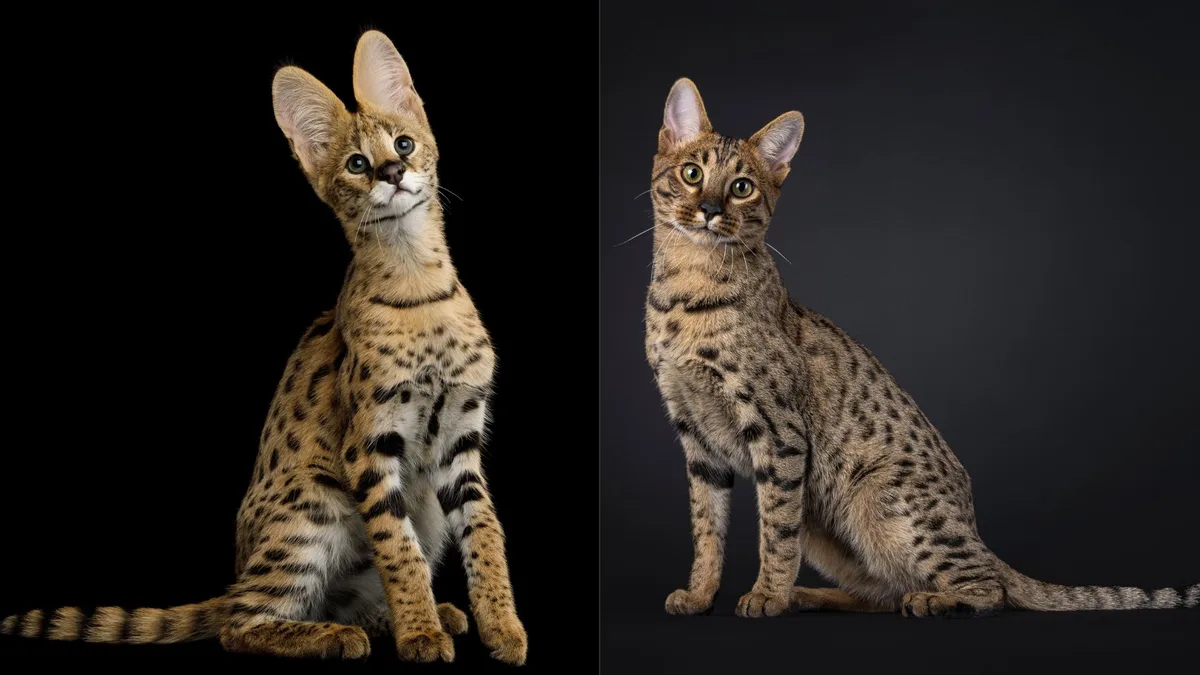
The confusion is completely fair. Both breeds carry those striking, wild-looking spotted coats and tall, athletic builds. But a Savannah cat is a cross between a domestic cat and a serval (a wild African cat), while a Bengal is a cross between a domestic cat and an Asian Leopard Cat.
These are fundamentally different hybrid programs. Our research shows that understanding the legal, behavioral, and financial differences up front is the only way to make a smart decision, and the good news is, it's not complicated if you know what to look for. We'll break down the specifics, the care requirements, and the gotchas across the next five sections.
Quick Answer
A savannah bengal cat is a mismatched way of grouping two distinct hybrid crosses: the Savannah and the Bengal. The Savannah pairs a domestic cat with a Serval. The Bengal pairs a domestic with an Asian Leopard Cat.
These breeds differ in legality, temperament, and size. Savannah cats carry F1-F3 hybrid regulations in many states. Bengals are generally more standardized and widely legalized.
Both demand significant daily activity. Neither is a low-maintenance lap cat by default.
Why Savannah and Bengal Get Mixed Up
Walk into any shelter or scroll through adoption groups and you'll see "Savannah Bengal mix" listed on cats that look vaguely exotic. It's a convenient label, but it's not an accurate one. The mix-up happens for a few concrete reasons that are worth unpacking before you go any further.
The Shared Wild Ancestry
Here's the core overlap: both breeds spring from a deliberate cross with a wild feline. You already know the Savannah comes from a Serval. The Bengal comes from the Asian Leopard Cat (ALC), and that's where all the similarities end biologically.
Since both breeds target exotic-looking coats, the average person sees spots, long legs, and striking features. They assume it's a shared breed standard. It isn't.
What this means practically is that the "wild factor" plays out differently. Savannah cats in the early filial generations (F1, F2) are larger, more unpredictable, and often carry legal restrictions. Bengals, by contrast, have been domesticated for generations.
Even an F1 Bengal is far removed from its wild ancestor. When someone advertises a "Savannah Bengal cat," they're almost always misidentifying a female Savannah who was bred back to a domestic, or they're using loose language to move a kitten.
The Terminology Trap
Breeders and official registries do not recognize a "Savannah Bengal" as a distinct breed. The Savannah cat is governed by TICA, which permits outcrossing to the Egyptian Mau, the Ocicat, and the domestic shorthair. The Bengal is separately recognized and outcrosses to the Asian Leopard Cat in early generations only.
These are separate breed standards with separate registries.
So when you hear the phrase "Savannah Bengal mix," you're really hearing a marketing term. In our research, the safest assumption is that the breeder is either crossing two Savannahs and using the Bengal as a descriptor, or you're looking at a mixed domestic. If a breeder uses the term "Savannah Bengal" on a pedigree, that's a red flag.
Real breed documentation will clearly state "Savannah" or "Bengal," never the hyphenated hybrid label.
Why the Distinction Matters
This is where we shift from trivia to real-world consequence. The United States Department of Agriculture (USDA) oversees the importation and interstate transport of hybrid cats, and they apply different rules based on filial generation. F1 Savannahs (meaning the first generation from a Serval cross) are considered "assistive" animals under their regulations in some jurisdictions.
Many states ban ownership outright, while Bengals enjoy a far more permissive legal landscape. If you adopt a cat labeled as a "Savannah Bengal" assuming you're getting a Bengal's temperament, the legal and behavioral consequences could be severe. Knowing exactly what you're buying, generation by generation, is the single best thing you can do for your safety and the cat's.
Savannah Cat Essentials: Beyond the Hype
Let's get into the Savannah specifically. If you've watched "Savannah Cat" videos on YouTube, you've seen the floor-dragging leashes and the dog-like fetching. It's easy to get hooked.
But bringing an F1 or F2 Savannah into your home is closer to adopting a small wild animal with a domestic cat's lifespan than getting a big cuddly housecat.
Legal and Liability Realities
This is not flexible. An F1 Savannah has a Serval parent, and several states classify them as exotic pets. Zoning laws matter.
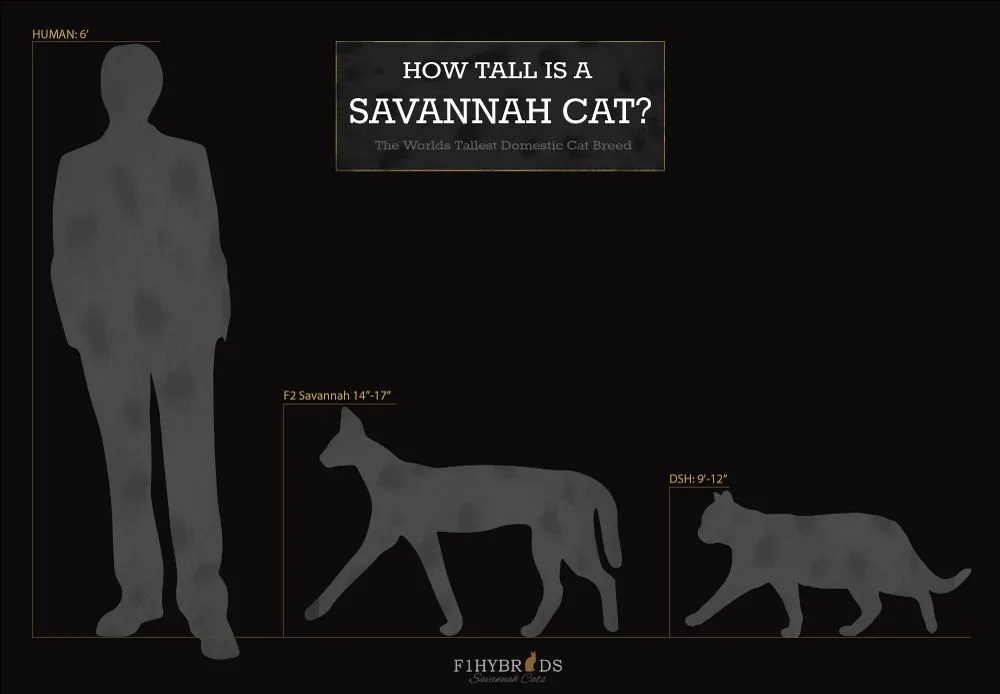
You can't just rent a pet-friendly apartment in one of these restricted states. Even in permissive states, your homeowner's insurance may deny coverage or charge a premium once they hear you own a hybrid feline. Manufacturer specifications for cat carriers and leash training only go so far when you're dealing with a cat that can clear a 7-foot jump from a standstill.
As of 2026, federal regulations continue to classify F1 and F2 Savannahs under the same guidelines as some wild felids, requiring permits and proof of legal acquisition. The USDA's Animal and Plant Health Inspection Service (APHIS) is the primary official source for these regulations. This is a case where "finding out" costs you hundreds in fines.
Check your state's fish and wildlife page before you set your heart on a specific kitten.
Temperament and Handling
Here's what the breeder won't tell you outright. F1 and F2 Savannahs bond intensely to one person. That sounds lovely, until you realize they're territorial over that bond.
They often don't travel well, and they absolutely do not tolerate being left alone for a workday. These generations are high-reward if you have huge budget for catification (we're talking floor-to-ceiling climbing structures) and a flexible schedule.
Owner preferences split sharply here. Some owners relish the challenge of an F1's active drive. They invest in segway rides for cats, which exists because of this exact dynamic.
Most owners are happier with an F2 or F3 Savannah, which retains the exotic look but tapers off the energy levels and sharpens the bond with the entire household. Per the TICA standards, the F3 and beyond is where a Savannah behaves more like a clever domestic cat.
Health and Longevity
Savannahs are generally healthier than their purebred domestic counterparts thanks to hybrid vigor. An F1 enjoys vigor from the outcross. However, they retain the Serval's extreme drive.
They're known for "body slamming" their water bowls, opening cabinets, and learning door handles. Expect an F1 to spend the better part of day in active play, not sleeping on your keyboard.
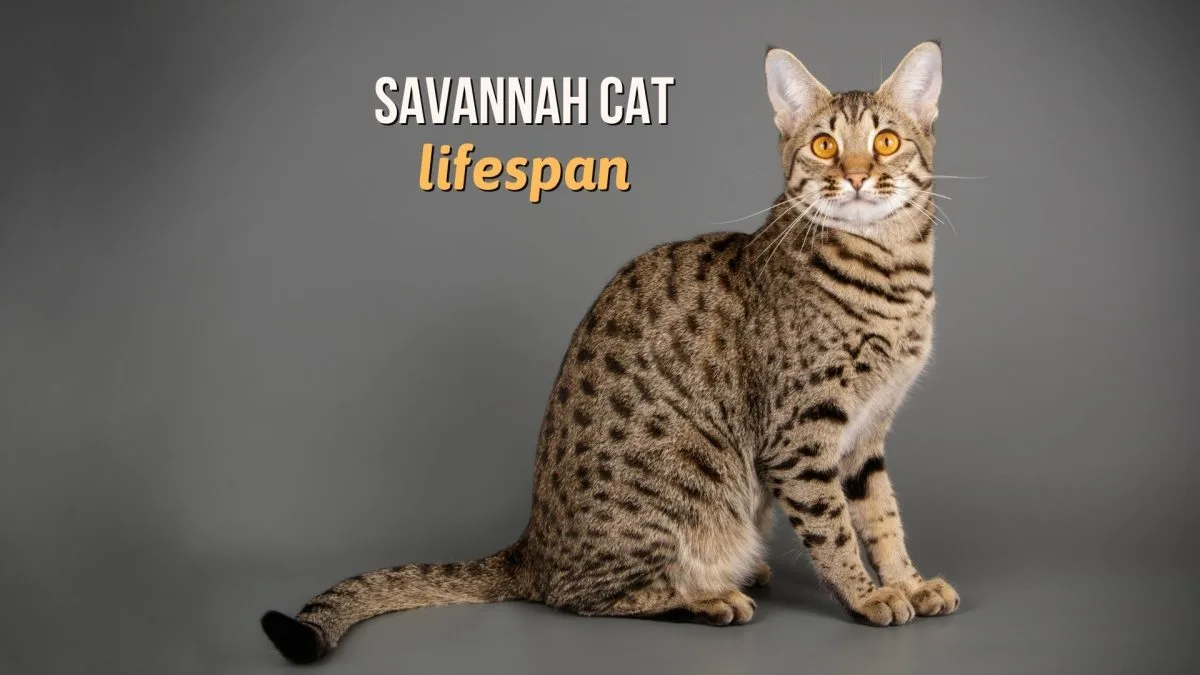
The lifespan averages 12 to 20 years for later generations, slightly shorter for the larger early generations. Nutrition is a major point of disagreement. Many F1 owners feed a raw diet because of the Serval's high protein needs, but the latest veterinary guidance from Cornell's Feline Health Center (a solid .edu resource) strongly advises consulting a veterinary nutritionist before raw feeding because of the common deficiencies.
The bigger point is that Savannahs require specialized care early in life to avoid behavioral destruction. An expensive cat is not necessarily a well-bred cat.
Bengal Cat Essentials: The Exotic Look, Domesticated
Where the Savannah feels like a project, the Bengal feels like a housecat that checked a county prison into its visual palette. The Bengal is a direct descendant of the Asian Leopard Cat (ALC) but stands apart because it was selectively bred to push out the wild aggression in early generations. As of 2026, the Bengal breed has been fully domesticated for over two decades, meaning an F4 or later Bengal (what most people own) behaves like a typical energetic housecat.
The Key Personality Traits
Forget the wild rep. A domestic Bengal is defined by its "dog-like" behaviors, including fetching, leash walking, and a strong obsession with water. They are thief cats.
They will open cabinet doors, so you'll want child-proof latches. They will squeeze into every closet they can pry open. The biggest complaint from owners isn't aggression, it's the mischievous energy level.
Bengals are also vocal, but not in the way a Siamese is. They trill, chirp, and make a low "mrrrrph" noise when they want something, which is almost always to play. If you absolutely need a cat that naps for 18 hours, the Bengal is a terrible fit.
They are athletic sprinters with the endurance to chase a feather wand for a full hour at a time.
Coat and Grooming Reality
The Bengal's coat is the main differentiator and the source of lots of owners' interest. It sheds less than most cats because it's a "single coat" with little to no undercoat. That means you'll still find fur on your black sweater, just less of it.
Their iconic glitter gene, which gives the coat a metallic sheen under light, is a beautiful trait but hard to capture on camera and harder to guarantee from a breeder.
The critical maintenance detail is that Bengals love water, so water bowls designed to spray and ripple are a favorite. Their skin is different from a normal cat's. They require high-protein, grain-free diets in many cases to maintain coat quality, though a review of allergen issues reveals some lines are prone to gluten intolerance.
Grooming is a weekly brush, but their wild love of playing with string means you must supervise your play sessions closely.
Health and Breed-Specific Risks
Bengals are prone to an inherited heart condition called Hypertrophic Cardiomyopathy (HCM), and they're also specifically vulnerable to a neurological disorder called "Progressive Retinal Atrophy" that can lead to blindness. A reputable breeder will provide genetic testing records for both PRA and HCM. If they don't voluntarily show you the test papers, that's a massive red flag.
Diet and exercise matter: Bengals have a fast metabolism and are prone to obesity if they don't get enough play, which in turn exacerbates joint issues.
Comparing Them Side-by-Side: The Research-Backed Breakdown
So which one is right for you? That answer depends on your experience level, your living situation, and your honest willingness to adapt your routine. The best way to see the differences is side-by-side.
| Attribute | Savannah (F1-F2) | Savannah (F3+) | Bengal (F4+) |
|---|---|---|---|
| Size | 12-20+ lbs (male, intact) | 10-15 lbs | 8-15 lbs |
| Legal status | Restricted in many states | Varies by state | Generally legal, some city bans |
| Energy level | Extremely high (needs 2+ hrs active play) | High | High (1 hour minimum daily) |
| Noise level | Hisses, screams, chirps loudly | Moderate to high | High (chirps, trills) |
| Good with kids | Chosen carefully; not ideal for toddlers | Possible with older kids | Very good with respectful kids |
| Potential health caveats | Sensitive digestion (species-specific raw diet common) | Similar but less severe | HCM, PRA, sensitive gums, skin issues |
| Lifespan | 15-20 years | 12-20 years | 12-16 years |
| Price (kitten) | $4,000-$20,000+ | $2,000-$5,000 | $1,800-$4,500 |
The "Best For" Verdict
From our research across breeder registries and aggregate owner reviews, it's clear that the Savannah, even at F3, is not for first-time cat owners. The learning curve is steep, the destructiveness potential (more than furniture, we're talking carpet, window screens, and drywall) is real, and the legal stakes are higher. A Savannah is an invested enthusiast's companion.
The Bengal, while demanding, forgives beginner mistakes. They are confident, adaptable, and thrive in homes with busy schedules as long as you provide scheduled play. The biggest trap is buying a "glitter" Bengal from a kitten mill and paying later with vet bills.
What makes this comparison clear: if you want a wild-looking cat with less wild behavior, you go Bengal. If you're chasing that true hybrid spirit and have the resources to manage it, the Savannah is your match.
Legal, Sourcing, and Home Prep Before the Kitten Arrives
Let's be super clear here. Adopting a hybrid cat is not like adopting a fluffy stray. There's necessary homework before you even start browsing kittens.
Verify Your Local Ordinance
First, you need to confirm the legal status. Don't take your neighbor's word on it. Look up your city's municipal code and your state's wildlife regulations.
Even within a permissive state, cities like New York City and Portland, Oregon, ban Savannahs outright. The quickest way your future kitten gets confiscated is by trusting an online poll or a breeder in a different state who has no idea about your local laws.
As of 2024, over 20 states have specific restrictions on the ownership of Savannahs. The USDA APHIS page we referenced earlier is the final authority on federal transport guidelines. If you're moving across state lines, the permit process takes months, not days.
Purposely bypassing these laws puts your cat's life in danger, not just your wallet.
Sourcing from a Responsible Breeder
Both breeds are prone to "backyard breeding" disasters. For a Bengal, always look for a breeder who provides veterinary records showing two negative tests: HCM (echocardiogram for the parents) and PRA. For Savannahs, never buy a kitten from a breeder who refuses to put a contract in writing.
A solid breeder will ask you questions. They'll deny you if you say the phrase "I have a quiet apartment and work 12 hours a day."
Expect a deposit of $500-$1000 to hold the kitten, applied to purchase price but not refundable if you back out. Legitimate breeders will interview you. They will ask about your fencing situation, your experience, and whether there's a resident dog.
If the breeder has two distinct litters and doesn't ask these things, hang up. Responsible breeders maintain waiting lists because they have a genuine candidate vetting process.
Kitten-Proofing Your Home
Before you pick up that carrier, you need to think like your cat. Hybrids, especially Savannahs, are natural problem solvers. Your laptop cords are a delicacy.
Your window blinds are a climbing frame. Your kitchen counter is a parkour platform. Plan your defense.
- Hide every set of wiring, charge cables, and earbuds.
- Lock all cabinets with childproof latches that withstand adolescent chimpanzee-level strength.
- Set up an initial "safe room" that is neutral, quiet, and contains a litterbox placed away from the food and water. Your kitten is arriving in a strange place from a quiet cattery. Crashing into your open-plan living room is an easy way to startle the cat into hiding for a full day.
- Prepare a separate feeding area: tall, heavy bowls that won't slide. Bengals routinely push their water bowl around.
This prep phase isn't just a "nice to have." It's the highest-leverage part of your entire ownership journey. Proper preparation in the first few days is the difference between a well-adjusted companion and a skittish feline that hides from visitors for a year.
Frequently Asked Questions
Is a Savannah Bengal mix a recognized breed?
No. There is no officially recognized "Savannah Bengal" breed standard. The term is informal at best, misrepresentation at worst.
A cat sold as a "Savannah Bengal" is either a Savannah bred back to a Bengal, or a domestic cat mislabeled to inflate value. Always demand actual pedigree documentation from TICA or CFA.
How much does a Savannah or Bengal cat cost?
Savannahs range from $4,000 to $20,000 for F1/F2 kittens. Later-generation Savannahs (F3, F4) cost $2,000-$5,000. Bengals from a well-established cattery generally sell for $1,800-$4,500.
Unless the kitten is explicitly for reproduction, expect to pay a mandatory spay/neuter fee included in the above price.
Are Savannah cats aggressive?
No, they aren't naturally aggressive, but they are highly territorial and easily startled. An F1/F2 Savannah that feels afraid may scratch defensively. They bond best with one person and prefer a predictable routine.
Bengals are notably less likely to be rehomed for aggression and get along well with respectful children.
Why do Bengals and Savannahs love water?
Both breeds have wild ancestors that lived near aquatic environments. The Serval in the Savannah and the Asian Leopard Cat in the Bengal naturally fished for prey. This strong prey drive persists in domestic generations.
Expect splashing in the water bowl and curious paws in toilets (always keep the lid down), and never be alarmed about your Bengal trying to swim in your bathtub.
What is a "filial generation" (F1/F2/F3)?
The "F" stands for "filial," and it counts how many generations removed the cat is from the wild ancestor, tricky, but here's the shortcut. An F1 Bengal has one wild parent and one domestic parent. An F3 Bengal has two F2 Savannah parents, meaning it carries only a fraction of the wild genes.
In legal terms, F5 or later is usually treated as a fully domestic ancestor for most jurisdictions.
How long do Savannah and Bengal cats live?
Savannahs typically live 12 to 20 years with later-generation cats living longest. Bengals average a solid 12 to 16 years. Both live healthier lives on a high-protein, low-grain diet and regular veterinary care.
Neutered cats of both breeds tend to outlive their intact counterparts due to reduced fighting and roaming risks.

Similar Posts