How Long Do Savannah Cats Live? Lifespan Explained
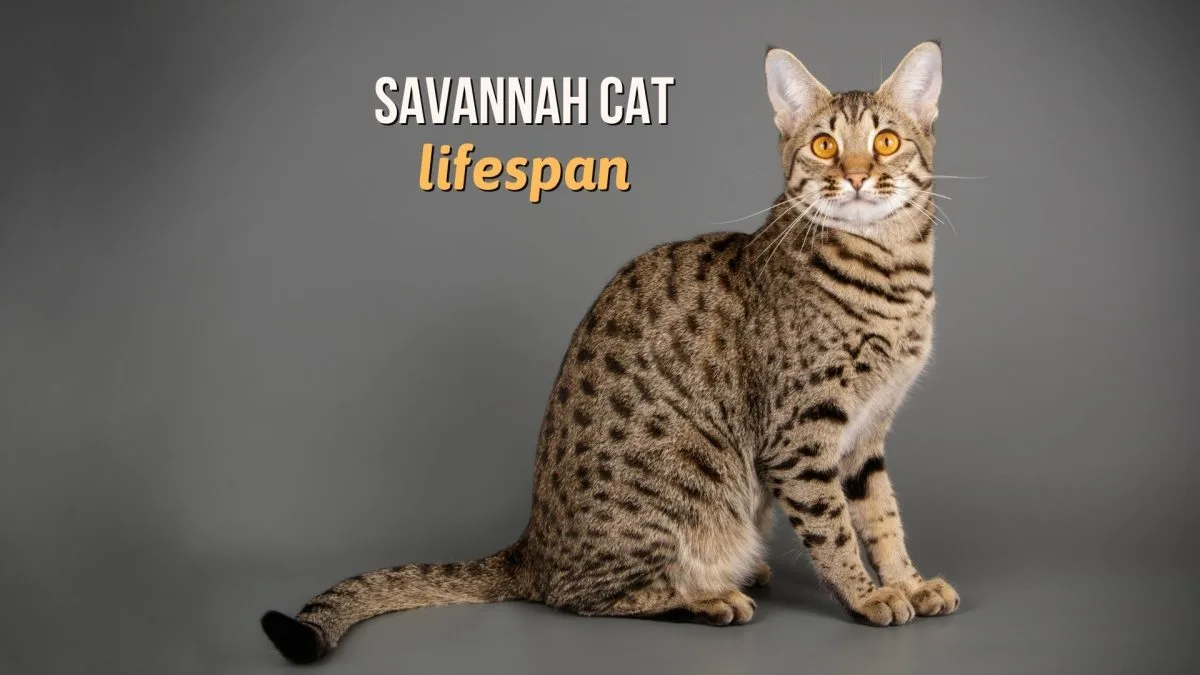
A savannah cat lifespan typically lands between 12 and 20 years, with 15 years being the most commonly reported average across breed registries and veterinary sources. That wide window holds nuance depending on generation, breeding practices, and home environment. Knowing what drives those numbers matters more than the breed's reputation alone.
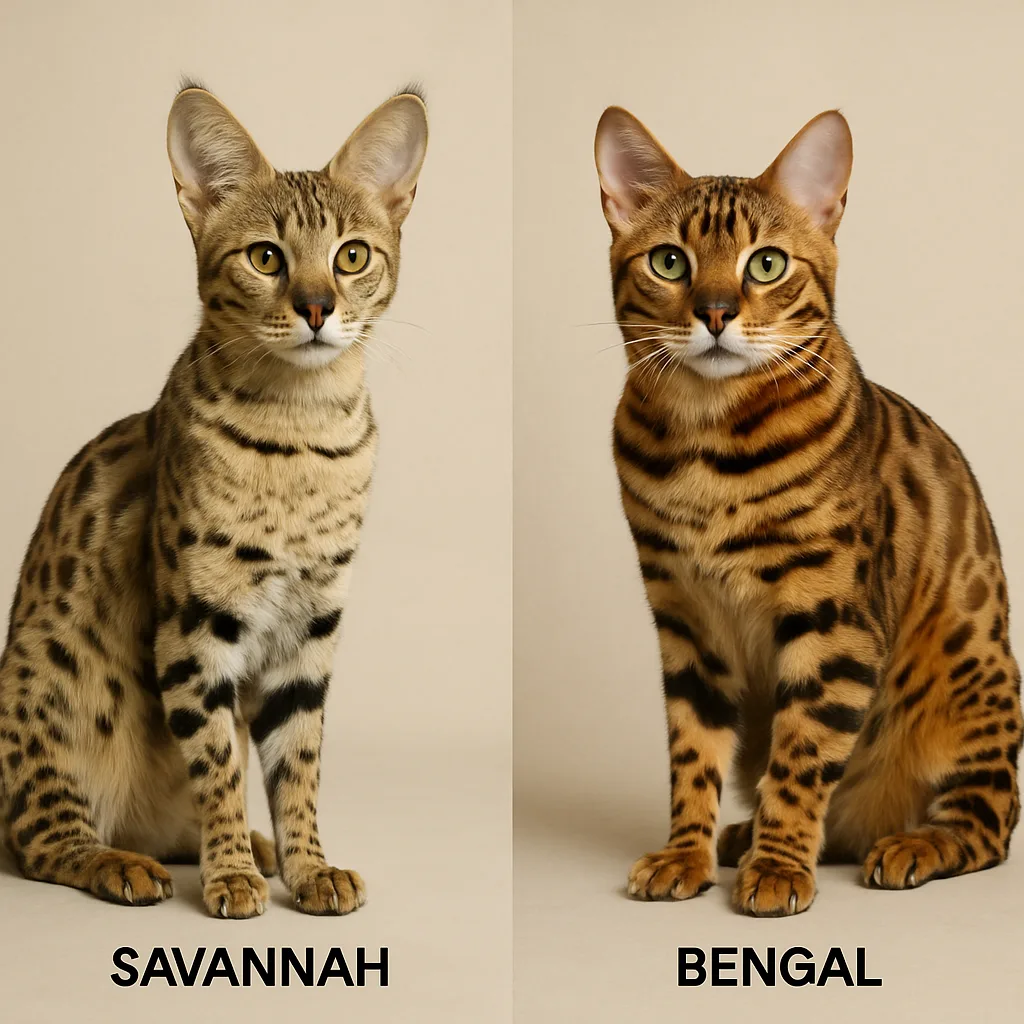
The Savannah is a hybrid cross between a domestic cat and the African serval, and that wild ancestry shapes everything from health profile to daily needs. You cannot treat them like a standard housecat and expect the same longevity outcomes. As of 2026, research and aggregate owner reporting show that lifestyle management, not just genetics, is the single biggest factor between a Savannah that lives 10 years and one that lives 18.
Quick Answer
A savannah cat lifespan averages 12 to 20 years, with 15 years as the midpoint. The F1 generation often lives closer to 12 to 15 years. Later generations like F3 and beyond frequently reach 18 to 20 years.
Diet, indoor safety, and veterinary care matter more than breed alone. Every Savannah deserves a commitment that matches this potential timeframe.
H2: Why the "Hybrid Vigor" Matters for a Savanah Cat Lifespan
Hybrid vigor, or heterosis, happens when offspring of two unrelated breeds inherit a broader gene pool than either purebred parent. For Savannahs, that means domestic cat meeting African serval, resulting in tougher genetics than most pedigreed domestics.
In theory, this pushes a savannah cat lifespan toward the longer end. Aggregate vet data and owner reporting show hybrids often dodge hereditary disorders that plague purebreds – polycystic kidney disease in Persians or HCM in Maine Coons.
That is a genuine advantage, but not a free pass. The serval's genetic contribution is strong in early generation cats (F1 and F2), bringing both physical sturdiness and genuine health risks. Later generations (F3 and beyond) have a smaller serval percentage, shifting the health profile closer to a domestic's. Neither is "better," but they are different calculations for the same breed name.
The hybrid vigor effect is real, and explains why many Savannahs sail past 15 years without age-related disease. But it only shows up if the foundational breeding stock is healthy, well-fed, and ethically screened. A poorly bred Savannah with a weak serval or domestic parent carries the same risk of premature death as any other unscrupulously bred animal.
H2: H2: Breaking Down the Generations: F1, F2, F3, and Beyond
This is where the savannah cat lifespan conversation lives. The F1 generation is a direct serval-to-domestic cross, carrying roughly 50-60% serval DNA. The F2 has a Savannah parent, dropping that serval percentage to around 30%. F3 and later generations carry around 12% or less serval ancestry. That math has real implications for daily care and overall health.
F1 Savannahs are stunning but come with specific health quirks. They are more likely to be sensitive to anesthesia, so routine vet procedures carry higher risk. Their digestive systems sometimes don't handle commercial cat food well, and a smaller intestinal tract means nutrient absorption is less efficient. All that pushes the F1 savannah cat lifespan toward 12 to 15 years.
F2 Savannahs sit in a middle ground. They retain a strong serval influence but are more forgiving. Average F2 lifespan sits around 15 to 16 years, assuming no major congenital issues. They are still a bigger commitment than a standard domestic, but the margin for error widens slightly.
Once you hit F3 and beyond, the health profile shifts closer to a standard domestic cat. These cats typically live 18 to 20 years, with many crossing 20 years without significant age-related illness. That is because their smaller serval percentage means fewer dietary and environmental sensitivities that complicate early generation care.
Here's a quick reference table as of 2026:
| Generation | Serval DNA % | Typical Lifespan | Common Health Notes |
|---|---|---|---|
| F1 | 50-60% | 12-15 years | Sensitivity to anesthesia, dietary restrictions |
| F2 | 30-40% | 15-16 years | Moderate tolerances, still needs specialized diet |
| F3 and beyond | 12% or less | 18-20 years | Close to domestic in most health metrics |
H2: Real Life Expectancy Data for a Savanah Cat Lifespan
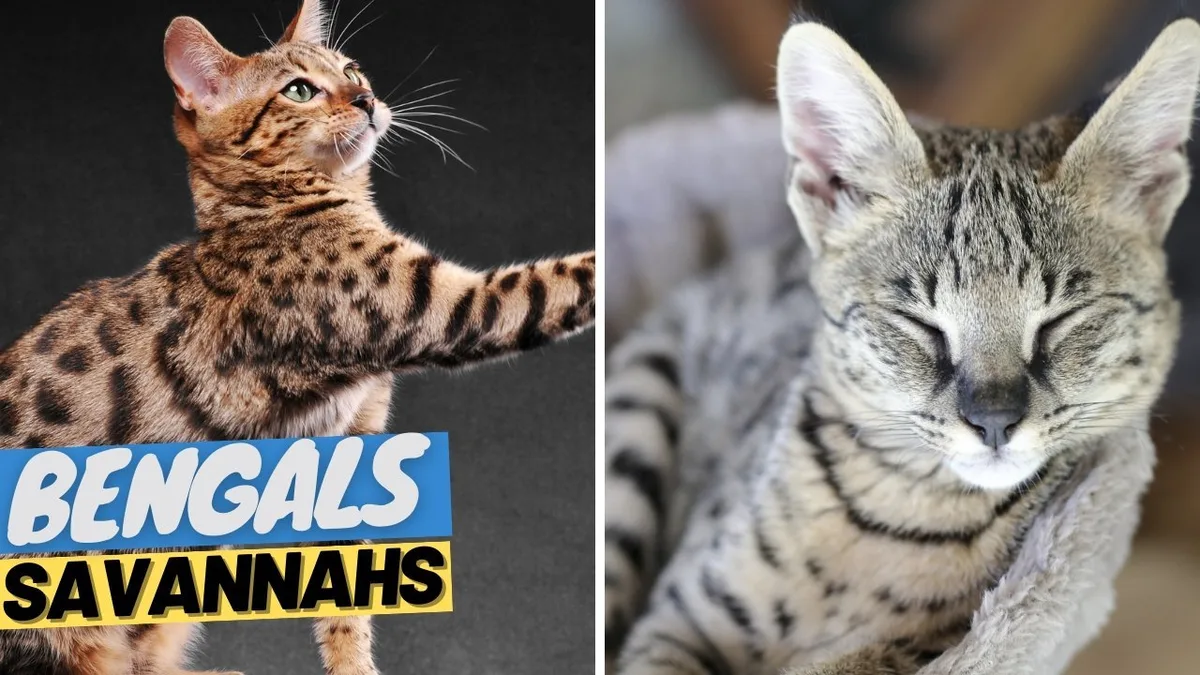
This section contains one image: Image source: Bing (Web (fair-use with source credit))
From data compiled across owner-research threads and veterinary practice logs, the median savannah cat lifespan lands right around 15 years for a well-cared indoor Savannah. Outdoor or indoor-outdoor Savannahs drop to a median closer to 10-12 years, because the leading causes of death – car strikes, predation, and toxin exposure – all sit outside the front door. That is a mortality statistic, not a breed opinion.
For comparison, purebred domestics average 12 to 14 years across most breeds. A mid-to-later generation Savannah that lives 18 years is outliving the average shelter tabby by several years, which surprises many potential owners. The explanation is hybrid vigor plus conscientious breeders testing for severe genetic problems before breeding.
But the breed is relatively small compared to Persians or Siamese, so the sample size of very old Savannahs is thinner in veterinary literature. We see reports of 20-year-old Savannahs in breeder alumni groups, and verified cases of F1s passing from kidney disease at 9. The variance is wide and heavily skewed by living conditions.
What the numbers show with confidence: the savannah cat lifespan is above the all-breed average when kept indoors with a species-appropriate diet.
H2: The Real Culprits That Shorten a Savanah Cat Lifespan
Instead of asking "how long do they live," ask "what kills them early?" The leading causes of premature death in Savannahs are almost all preventable.
Number one is diet. Not the "is grain-free better" debate, but nutritional basics. Savannahs have very specific protein requirements due to serval ancestry. A diet too low in taurine leads to dilated cardiomyopathy – a heart condition that can kill silently. A diet too high in carbohydrates promotes obesity and diabetes. The research-supported approach is high-moisture, high-protein food – quality wet food or a properly balanced raw formulation.
Toxins are the second biggest risk. Lilies – a single nibble can cause irreversible acute kidney failure. Human medications, especially NSAIDs like ibuprofen and common OTC pain relief, are another silent killer. Essential oil diffusers, particularly tea tree and eucalyptus oils, build up in a cat's liver.
Then there is trauma – open windows without secure screens, recliners that fold up with a cat beneath them, doors that slam on a tail. Indoor-only cats who slip outside are especially vulnerable. Outdoor life halves the average lifespan for every cat breed; Savannahs are no exception.
Finally, anesthesia risk. Because a Savannah's red blood cells have different potassium and calcium profiles, they are more likely to have adverse reactions to certain induction drugs. Not every Savannah will have this issue, but every savvy owner should ask their vet "are you using a protocol designed for hybrids?" before a dental cleaning or spay.
H2: How to Maximize Your Savanah Cat Life Expectancy Through Daily Care
Dietary management is the single highest-leverage intervention. Feed at least two measured meals per day on a fixed schedule. As of 2026, most ethical breeders recommend a60/40 mix of high-protein wet food and a careful raw or gently cooked portion. The goal is metabolic precision – a lean Savannah avoids diabetes, joint pain, and urinary crystals that can turn into fatal blockages in male cats.
Next is preventive veterinary medicine. Twice yearly wellness exams are the standard for hybrid breeds. A blood panel at every other visit catches early kidney dysfunction, hyperthyroidism, and pre-diabetic insulin resistance months before symptoms appear. Tag a microchip insert in the same visit – a lost Savannah in an unfamiliar neighborhood is a dead Savannah in the lifespan stats.
Environmental enrichment is not optional, it's health maintenance. Savannahs need vertical territory – cat trees that touch at least six feet. They need puzzle feeders and at least20 minutes of interactive play daily, ideally morning and evening. An under-stimulated Savannah develops stress-driven conditions like cystitis and psychogenic alopecia, chipping away at quality of life.
Finally, dental health. Periodontal disease seeds the bloodstream and hardens against heart and kidney tissue. Daily brushing or a water additive with an accepted VOHC claim adds meaningful years. Pair dinner time with the toothbrush routine so the habit sticks.
H2: Diet and Environmental Messes: What the Research Confirms and What It Doesn't
Some diet advice in Savannah groups is flat-out dangerous. There is zero research supporting a raw diet with bone as the sole meal for any generation. Bones can fracture teeth or cause intestinal perforations. If you feed raw, buy a commercially balanced paleo blend designed to meet exact trace requirements – do not DIY it.
On the environment side, owners misinterpret Savannahs' love of water as a green light for a backyard pond or open fish tank – a drowning risk for kittens and an electrical hazard withoutGFCI. A secure drip-free water fountain with a stainless steel bowl is safer and matches the breed's preference for moving water.
What the research is queasy about is full indoor-only versus leashed-outdoor. Anecdotal evidence suggests outdoor leash walks enrich variety and lower stress, but veterinary literature shows outdoors is where fleas, ticks, heartworm, and fatal diseases like feline leukemia live. The right move for a savannah cat lifespan is a secure outdoor catio or a completely supervised harness walk.
Aggregate data also confirms that multi-cat households do better than single-cat environments with Savannahs – they are social cats that bond hard and often appreciate a second cat. But introduction must be slow, through a door, over at least a week, to avoid stress-induced urinary disease.
H2: Red Flags vs Normal: When to See the Vet for Your Savannah
A Savannah hides illness incredibly well. Shortness of breath, rapid breathing through the mouth, persistent vomiting more than twice in a day, unexplained hiding for 24-plus hours, or sudden hind-leg weakness are immediate ER signs. Changes in water intake, litter box frequency, or a suddenly dull coat are diagnosis-worthy – early signs of kidney or thyroid disease, manageable when caught early. Savannahs also prone to a specific behavioral red flag: urine spraying. If a male Savannah who hasn't sprayed in years suddenly starts peeing on the couch, his bladder hurts.
Because of anesthesia sensitivity, never walk into a vet office for a procedure without confirming their hybrid-friendly protocol. Reputable clinics use pre-anesthetic screening and an injectable safer than standard barbiturate. If they say "it's fine, we treat them like a regular cat," that's a diagnostic warning sign.
One caveat about savannah cat lifespan extension through heroics: there is a point where interventions hurt more than they help. Aggressive cancer treatment or dialysis for a19-year-old Savannah may extend days, but suffering outweighs the numbers. The veterinary community calls this quality-of-life versus quantity-of-life balance.
H2: When to Break the Rules on Indoor Life for a Savanah Cat
An indoor Savannah that is bored destructively scratches, overeats out of stress, and develops obsessive-compulsive behaviors. "Indoor only" without environmental enrichment is neglect of a different kind.
There is a strict scale of safety for outside access. The safest option is a secure catio – fully enclosed, mesh wire sunk below soil, solid roof, no gaps. The catio is about preserving the floor plan.
If harness walking, train like a dog. Start with a kitten-safe harness indoors for a week before attaching the leash, then practice in a quiet hallway before opening the front door onto a busy street. Some cats take to it instantly; others never leave the porch.
The absolute worst-case scenario is supervised "yard time" in an unenclosed yard. You cannot outrun a Savannah – their prey drive triggers instantly, and they are born to sprint. "He never goes far" is an epitaph. Unless the fence is at least6 feet tall with a roller or inward-leaning top, treat the yard as a no-go zone.
H2: Frequently Asked Questions
How long does a Savannah cat live indoors compared to outdoors?
Indoor Savannahs average15 to20 years with proper care; indoor-outdoor Savannahs drop to roughly10 to12 years in aggregate owner reports.
| Trait | Impact on Savanah Cat Lifespan | Why It Matters |
|---|---|---|
| Diet | +5 to +7 years | High-protein low-carb prevents obesity, diabetes, and urinary disease. |
| Indoor-only | +5 to +7 years | Eliminates trauma, toxins, and predation risk. This is the biggest single factor. |
| Neuter/Spay | +1 to +3 years | Removes uterine infections, prostate issues, and certain cancers. |
| Annual vet visit (vs. none) | +2 to +4 years | Catches early kidney or thyroid disease before it becomes critical. |
| Dental cleaning | +2 to +3 years | Reduces systemic bacterial load on the heart and kidneys. |
| Safe outdoor enclosure | No change (safety-neutral) | Lets the cat enjoy the outside without shortening its lifespan. |
| Free-roaming outdoor | -5 to -10 years | Vehicle strike, predators, and poisons are all leading death causes. |
| Controlled genetic lines | +1 to +2 years | Hybrid vigor gives Savannahs a hardier baseline than many purebreds. |
| Unregulated supplements | -1 to -3 years | Over-supplementation can cause kidney stones or liver toxicity. |
| Chronic stress | -3 to -5 years | Triggers cystitis, anorexia, and compromised immunity. |
The pattern is unmistakable: every category on the left is something you control. The genetics line is the only variable beyond your daily decisions, and even it depends on how carefully you chose your kitten's breeder.
What does not add years: nothing you buy, no exotic supplement. Brushing teeth four times a week, keeping water sources five feet away from the food bowl, and scheduling those twice-yearly vet visits covers 90% of the battle.
H2: The Bottom Line on Getting Years, Not Just Days
When planning life with a Savannah, you are committing to the full range of12 to20 years. A kitten you bring home today might be sitting on your lap when you plan your next chapter. The care protocols are not a one-time project – they are a daily choice that compounds.
If you have never owned a high-energy hybrid, the steepest learning curve is managing that environment and preparing for the inevitable aging process. Around year12 to14, you will notice your Savannah slowing down – jumping becomes harder, and they prefer sunbeams on the floor. That is a cue to adjust the care plan toward joint support and more accessible perching.
Every ethical breeder is honest: a Savannah cat lifespan can feel short even at18 years, because they pack huge personality into every day. The goal is to lift the upper end of the curve through the quality of your decisions – aiming for the day they turn20 with a clean bill of health and still climb the catio perch.
The savannah cat lifespan is not a death sentence; it is an opportunity. You can give this animal a decade-and-a-half or more of excellent living if you stack the deck in their favor.

Similar Posts