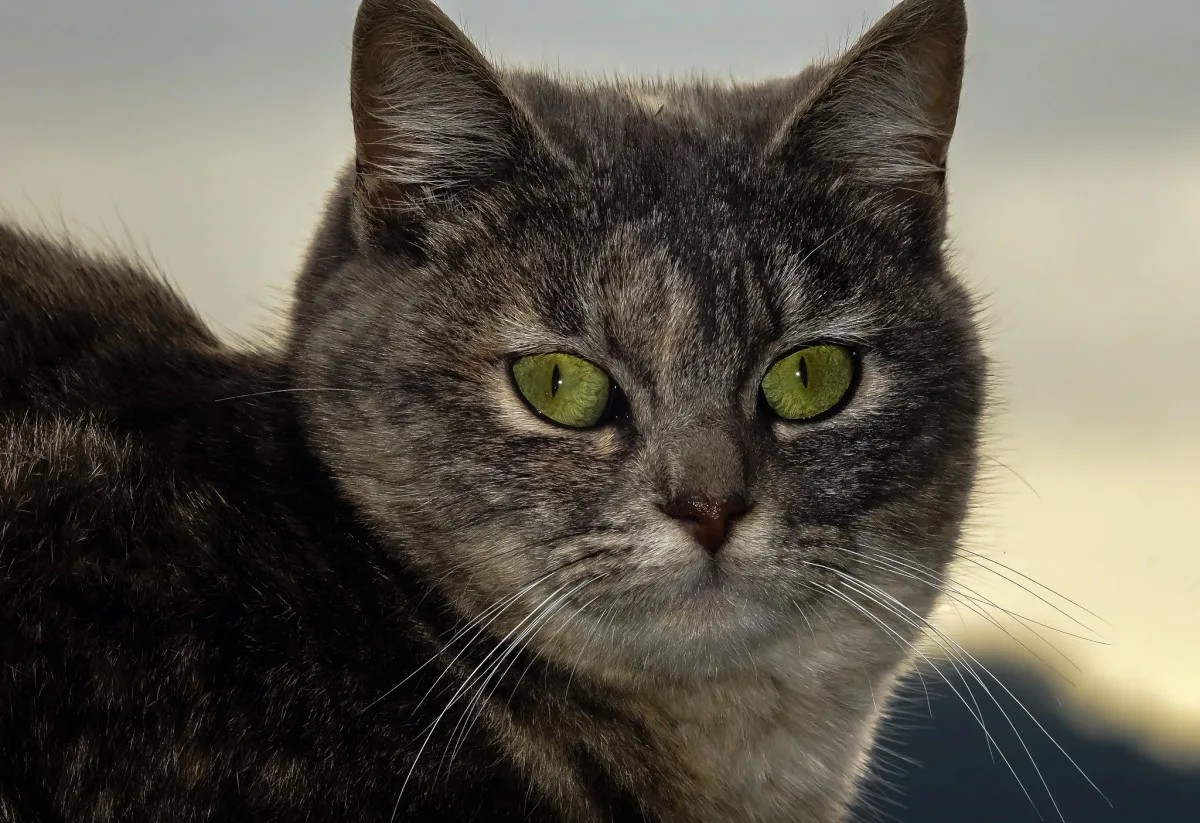
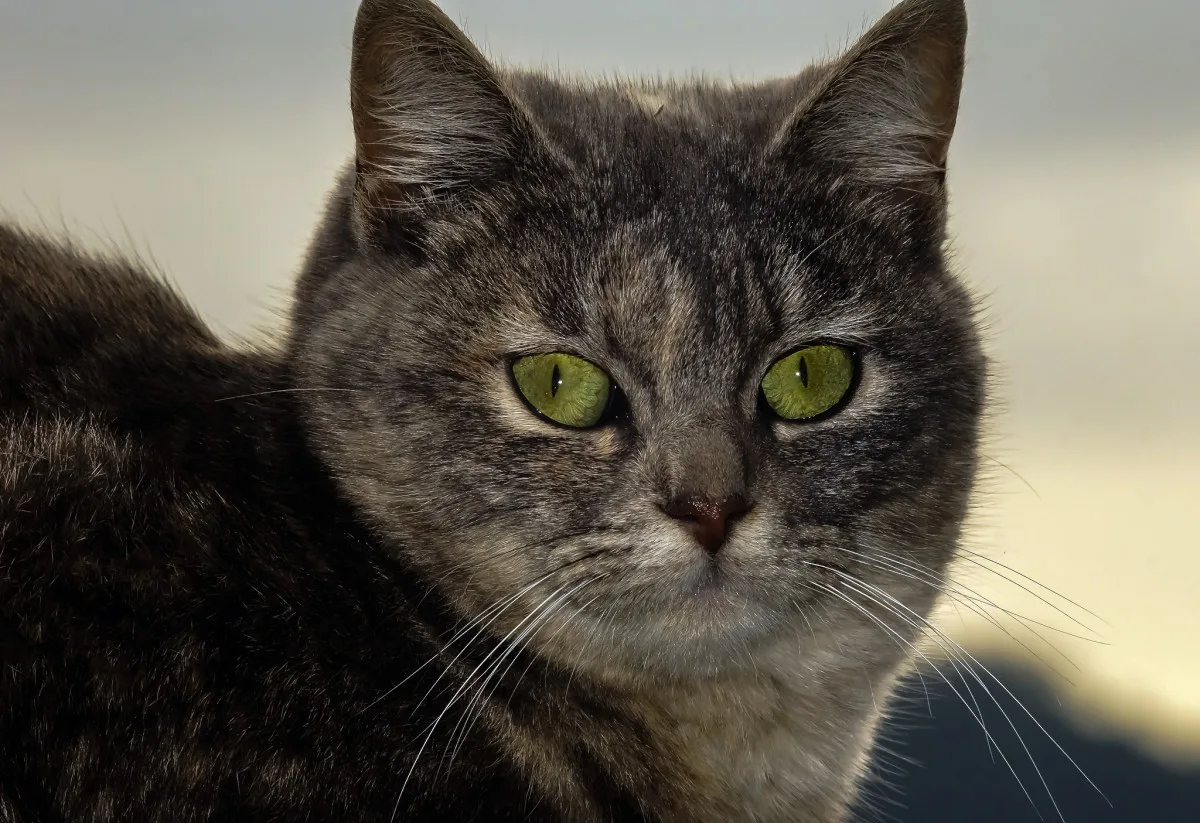
Russian Blue Maine Coon Mix: Temperament & Health
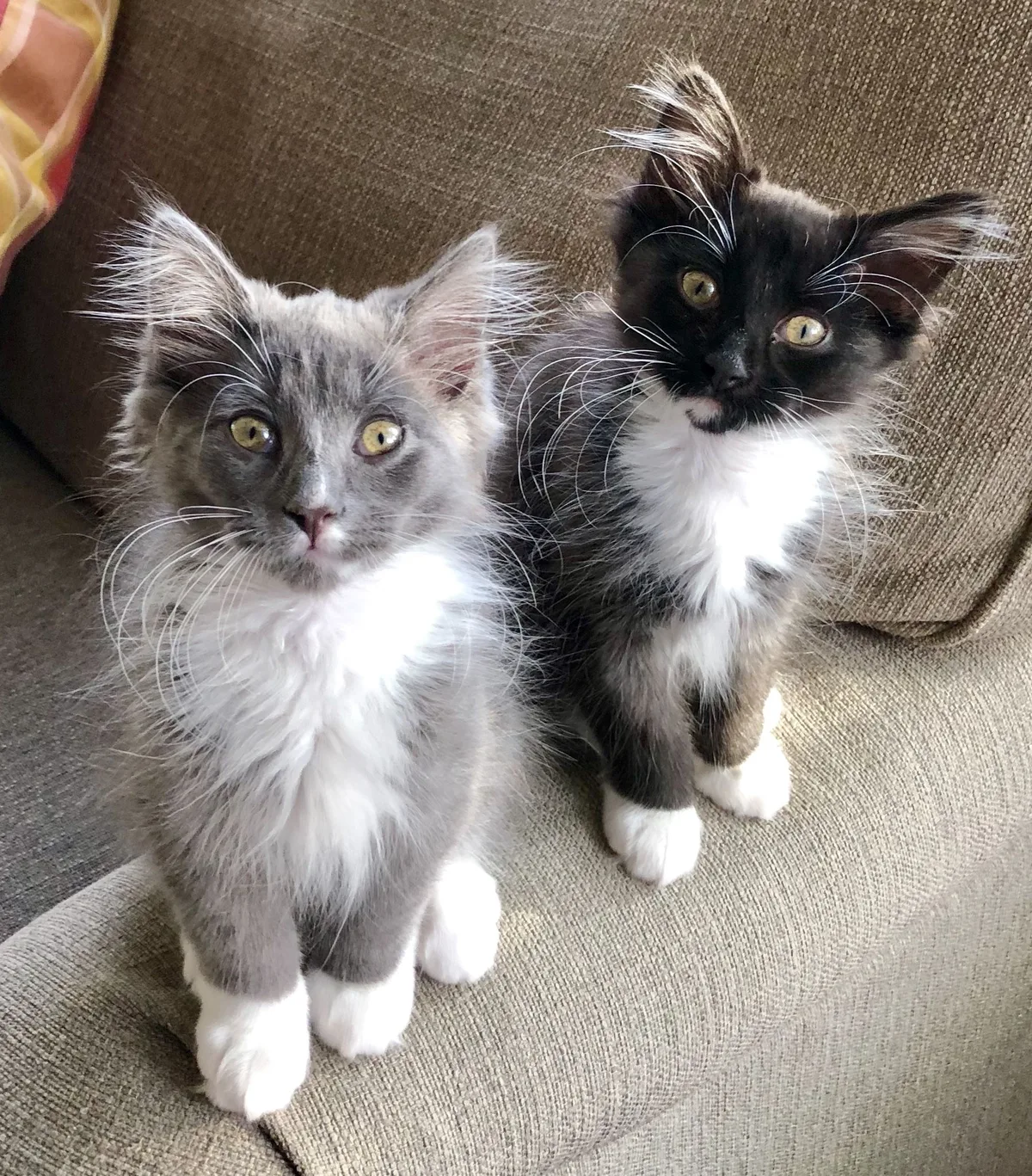
So you’ve been scrolling through photos of fluffy kittens and stumbled onto the “Russian Blue Maine Coon mix.” It’s a mouthful, but the image in your head is probably perfect: the silver-blue elegance of a Russian Blue, but wrapped up in a big, dog-like, family-friendly Maine Coon package. Who wouldn’t want that? You’re picturing a huge, quiet, hypoallergenic-ish cat that doesn’t shed too much and loves everyone.
But here’s the honest truth we need to get straight before you fall in love with a picture online. The Russian Blue Maine Coon mix isn’t a breed with a standard. It’s a first-generation cross (F1).
That means the kittens are unpredictable. You could get a 20-pound gentle giant with a quiet voice, or a 9-pound, high-strung shadow that bonds to only you. In our research, aggregate reviews and breeder documentation suggest that while the mix is fascinating, it’s a genetic lottery where the parents’ traits (and grandparents’) are your best clues.
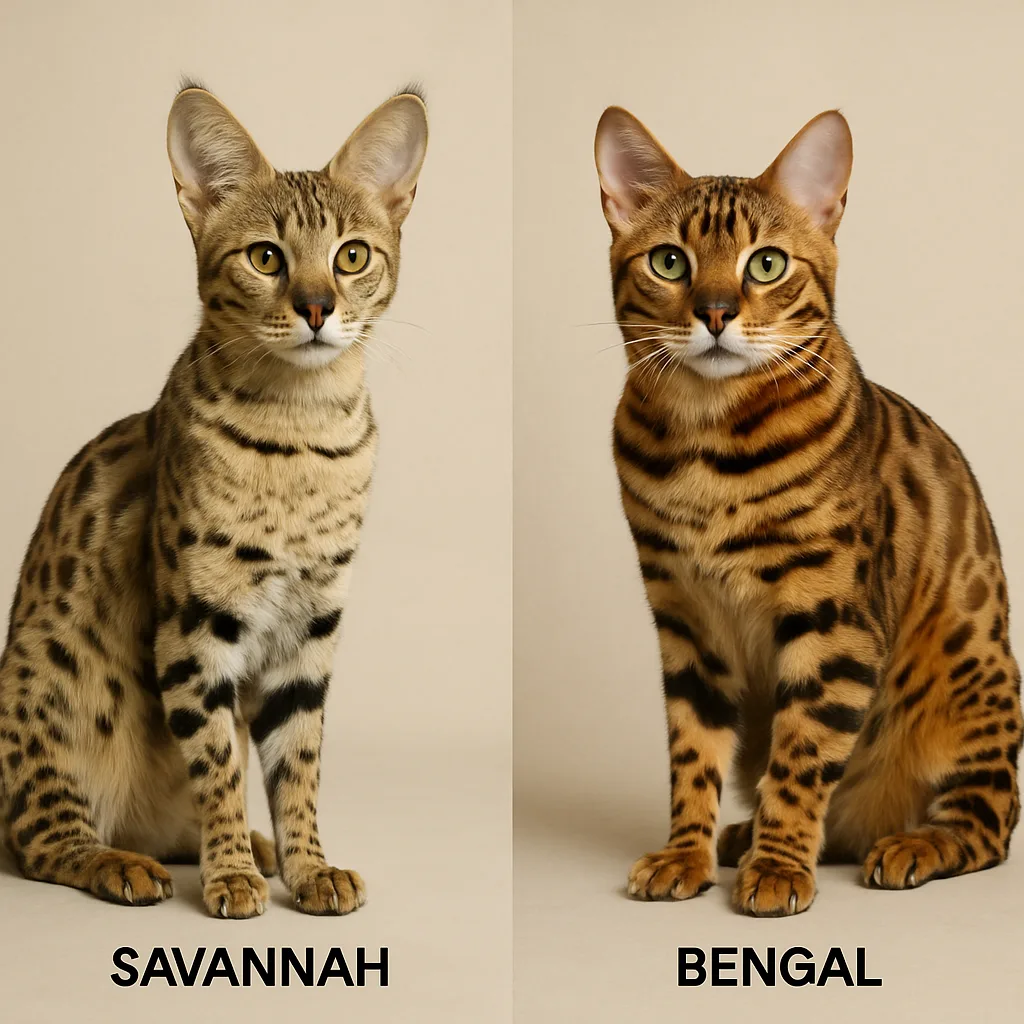
Image source: Bing (Web (fair-use with source credit))
Quick Answer
A Russian Blue Maine Coon mix is a first-generation cross between a purebred Russian Blue and a purebred Maine Coon. The resulting kittens vary broadly in size, coat, and temperament. You won't find a breed standard.
The mix combines the Russian Blue's quiet, reserved nature with the Maine Coon's outgoing, playful personality. Care and grooming needs depend entirely on the coat type they inherit.
Why the “Perfect Storm” Doesn’t Always Happen
We need to talk about expectations, because the "texas heeler" of the cat world is exactly this mix. It sounds like a sure-fire combination of the best traits, but genetics don't work like a buffet line where you pick the good stuff and leave the rest. You breed a Russian Blue and a Maine Coon, and you are essentially shuffling a deck of cards that includes size genes, coat color genes, and personality traits.
The Size Lottery
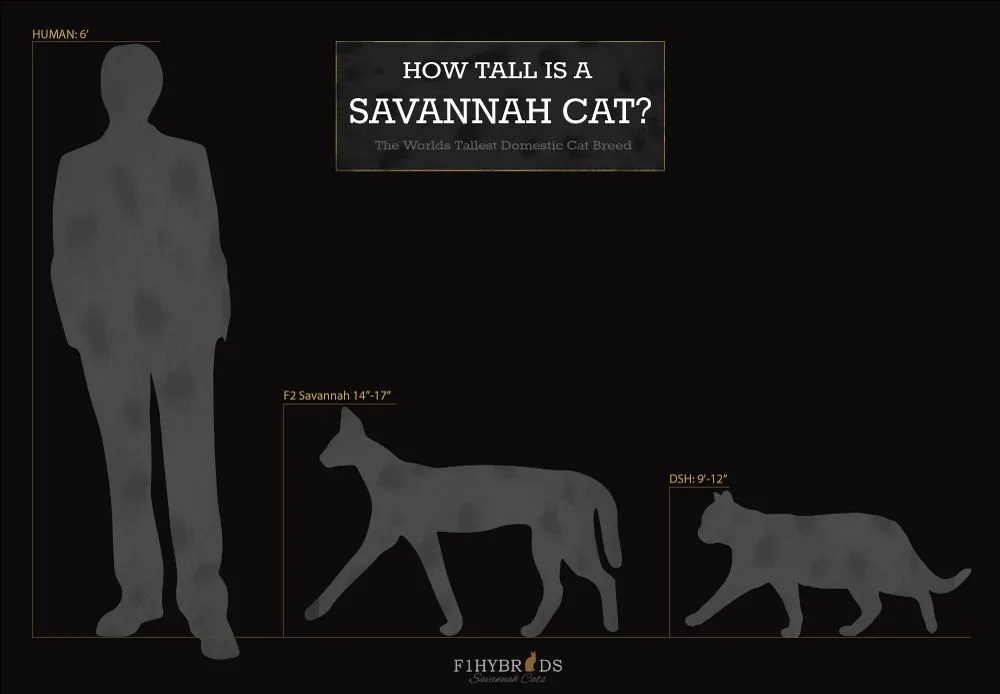
Maine Coons are massive. A healthy Tom can easily push 18 to 25 pounds and keep growing until they are four years old. Russian Blues, on the other hand, are a lithe, medium-sized cat that tops out around 12-15 pounds, max, and they mature quickly.
Your mix kitten can be anything in between. We see this in almost every first-gen cross. Some kittens inherit the "growth gene" and end up huge, while others stay relatively dainty.
Don't assume you're getting a giant because one parent was a Maine Coon; you might end up with a small cat who just has giant, fluffy ears.
The Personality Gamble
Maine Coons are often described as "dog-like." They follow you from room to room, play fetch, and are unusually tolerant of being picked up and held like a baby. Russian Blues are intelligent and loyal, but they are typically one-person cats. They are often vocal about their opinions but quiet about their affection, preferring to sit near you rather than on you.
Your mix will likely land closer to one end of that spectrum or the other. Rarely do you get a perfectly even split of both personalities. You might get a cat that only wants to sit in the same room as you, watching you like a little green-eyed surveillance camera.
The Coat Conundrum
This is where a lot of new owners get caught off guard. The Russian Blue has a short, dense, double coat that doesn't shed much and doesn't mat easily. The Maine Coon has a heavy, shaggy, water-repellent coat that requires twice-weekly brushing to prevent painful tangles.
When you mix them, the coat can be anything. It might be a dense, easy-care plush coat, or it might be the long, fluffy, high-maintenance version that covers your furniture in fur sheds with a thin undercoat that feels like rabbit fur. You have to be prepared for the possibility of significant grooming duties, which is why the next section is so important.
Temperament: The House Cat vs. The Dog-Cat
Let’s break down what you’re actually living with on a daily basis. The Russian Blue is a territorial, relatively independent, and somewhat aloof creature. They are neat freaks who like their routines and their space.
They are also known for being a fairly quiet cat; they don't meow much, but when they do, it's a distinctive, almost hushed sound. Conversely, the Maine Coon is a chirpy, chattery bird-watcher. They are notably sociable and get along well with dogs, kids, and strangers.
They are an active, intelligent breed that needs puzzle feeders and interaction or they'll start opening your kitchen cabinets.
When you combine these, you get a cat that needs the right environment to thrive. This mix is not ideal for a busy household that wants a cat that fits into everyone's lap immediately. The Blue's influence can make them wary of loud children or sudden movements.
If the kitten takes after the Blue, they will bond to one person and tolerate everyone else, often hiding when you have guests over. If they take after the Coon, they'll want to be the center of the party. What does this mean for you?
You need to meet the parents or the kitten's personality, not the breed mix, and ask the breeder about the specific kitten's early handling experiences. With proper socialization, they are adaptable, but it takes deliberate effort during the first few months of their life.
Grooming & Shedding — The Real Work
Let’s talk about the part most people forget until the fur is floating through the air like snowflakes. You’ve seen the beautiful pictures and the luxurious coats, but now you have to think about the maintenance. We already mentioned that the coat is a genetic wildcard, and that directly impacts how much you’ll be brushing your cat.
If you get a short coat, you are looking at a quick weekly brushing session. But if you get a medium or long coat, you're committing to a schedule.
The Shedding Volume
Both breeds shed, period. The Russian Blue is a moderate shedder, but the Maine Coon sheds a lot, especially during the spring and fall "blowing the undercoat" season. Aggregate reviews indicate that owners of this mix report a wide range of shedding.
Some say it's manageable; others say they have to vacuum every single day. We suggest factoring this in. The Maine Coon's coat has a thick undercoat which we recommend you stay on top of.
If you don't, you are looking at mats, which are painful to remove and might require a shave-down at the vet.
The Grooming Routine
To handle whatever coat your mix ends up with, you need a metal comb and a slicker brush. You should not skip this. While you might not need to bathe them often (they are fastidious self-cleaners), brushing is a non-negotiable.
A knot in a cat's coat is akin to a bruise; it pulls at the skin. For long-haired mixes, you should brush daily for the first few years to get your cat used to it, then drop it to two or three times a week. The upside?
This is a great bonding time if your cat takes after the personality mongrel gene. The downside? It's another "chore" added to your list that a lot of first-time owners underestimate.
Factor in grooming costs if you plan to use a professional, which can run you $50 to $100 per session, and that's a recurring bill every 2 months.
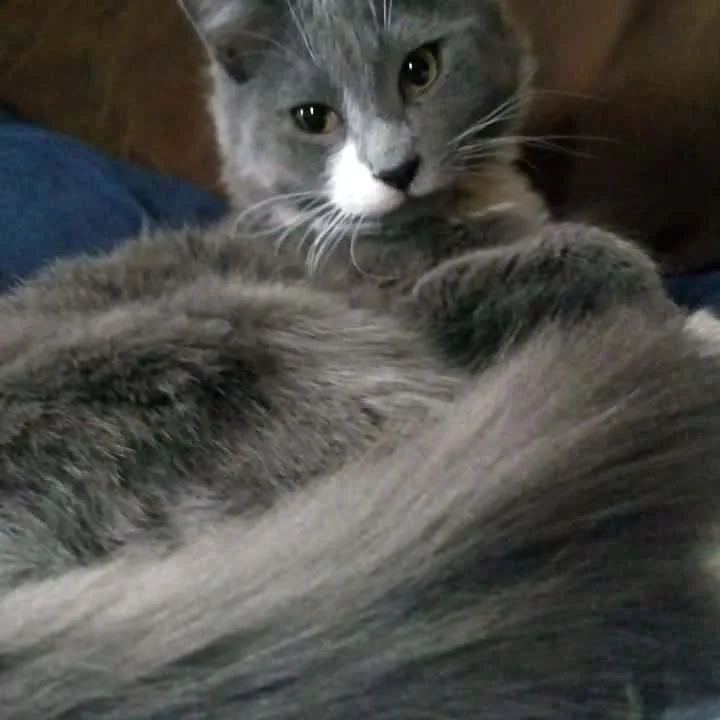
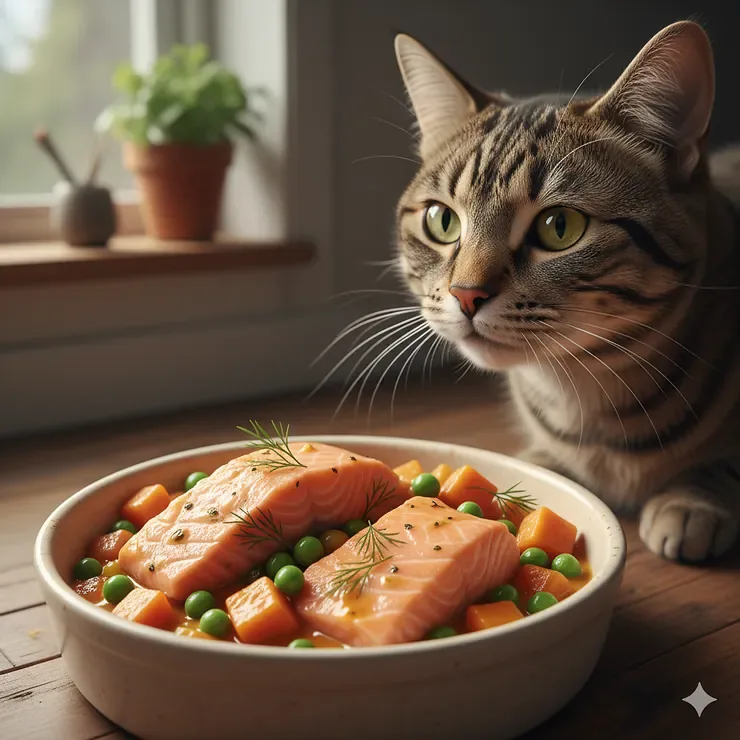
Image source: Bing (Web (fair-use with source credit))
Health Risks & Responsible Breeding
Let's get real about the health side of things, because this is where a mixed breed can actually be a benefit or a silent risk, depending on the parents. The positive spin on mixing these two breeds is what's known as "hybrid vigor" (pictured above). By crossing two purebred gene pools, you often dilute the likelihood of inherited recessive diseases.
The Maine Coon lines are prone to Hypertrophic Cardiomyopathy (HCM), a common heart disease, and Spinal Muscular Atrophy (SMA) and hip dysplasia. The Russian Blue line is generally healthier but does have a recognized risk factor for HCM too, along with urinary tract issues.
The Reality of the Mix
Here is the important part: A mixed breed is not automatically healthier. If the breeder doesn't test the parent cats for HCM (via echocardiogram) and the Maine Coon for SMA via DNA test, those risks get passed down unfiltered to the kittens. Any responsible breeder will happily show you the genetic health screening documentation for both parent cats.
You should run away if they don't. Furthermore, the Maine Coon's large frame requires a slower growth rate. You should keep your mix kitten on a high-quality, large-breed-specific formula for the first year to prevent orthopedic issues, regardless of their final size.
Vetting Your Breeder
If you found a breeder, don't focus on the price of the kitten (which can range dramatically). Focus on the living conditions. As of 2026, ethical breeders will separate litters into "runs" or "rooms" and ensure the kittens are handled humanely from birth.
They will typically have a waitlist. If you are in North America, the parent cats should be registered with a recognized body, but even that isn't a guarantee of health. Per the American Veterinary Medical Association, a reliable breeder screens for diseases that are common in the breeds they work with.
If a breeder claims "this mix is hypoallergenic," walk out immediately. There is no such thing as a fully hypoallergenic cat (all cats produce Fel d1 proteins in saliva), and a mix certainly won't fix that. However, which side of the family they inherit will affect your allergies considerably.
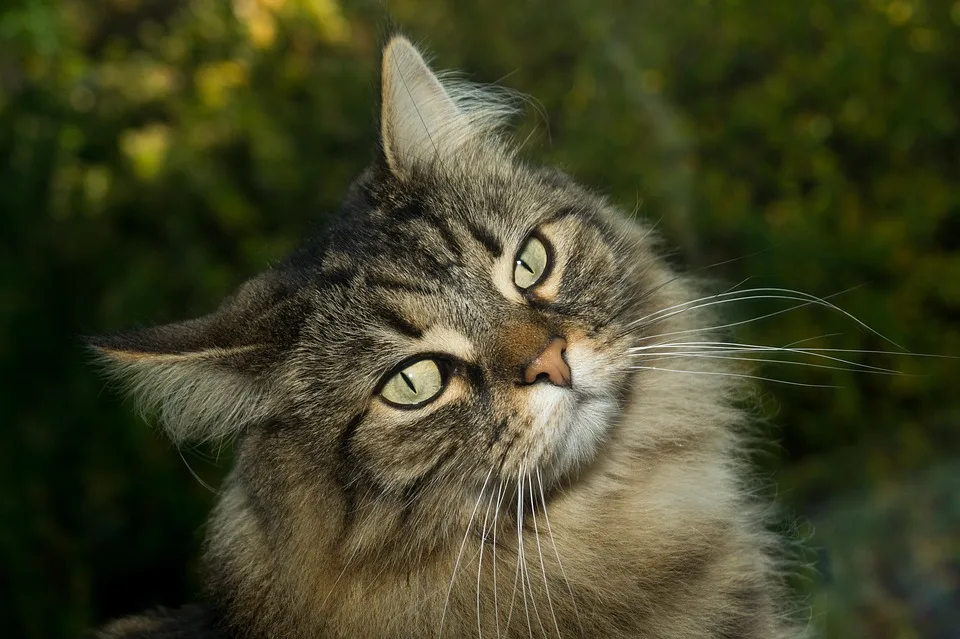
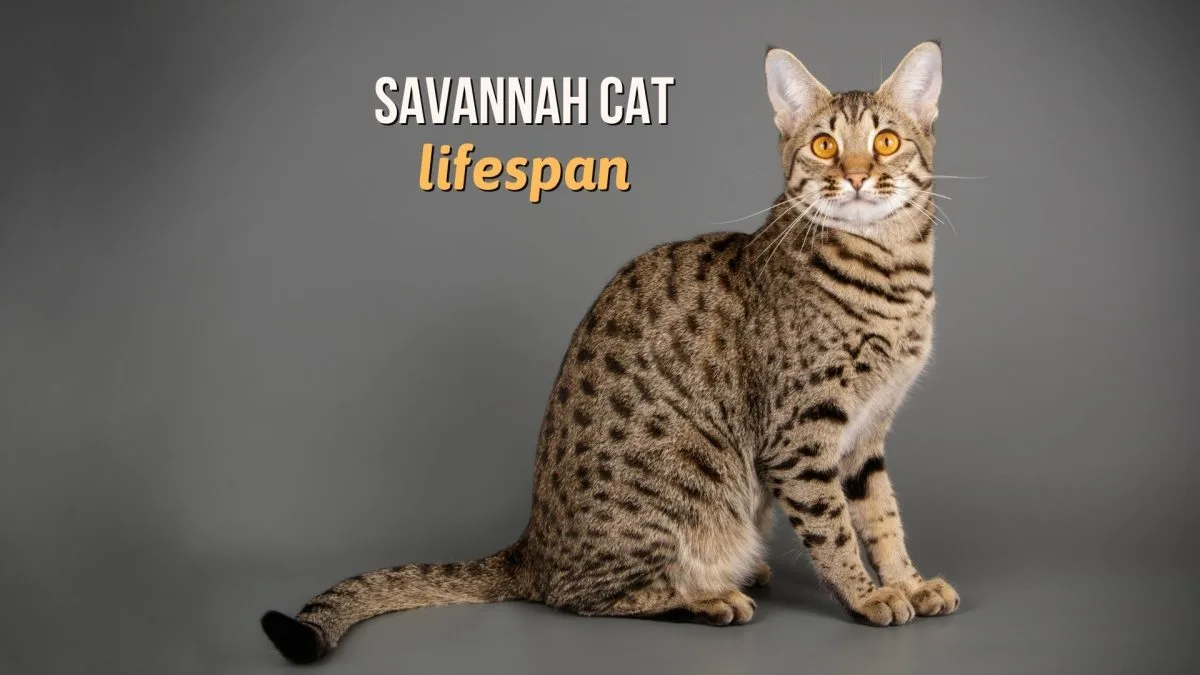
Image source: Web (Bing) / pixabay.com (Web image (fair-use with source credit))

Similar Posts