Salmon Cat Food: Key to Ultimate Feline Health
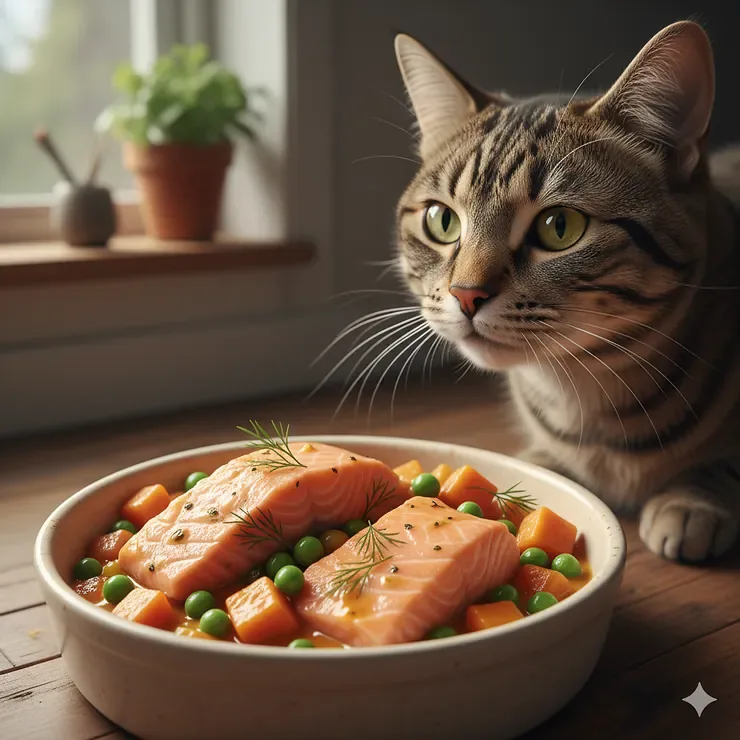
Salmon cat food ultimate health. That phrase gets thrown around a lot, but what does it actually mean for your cat? It’s not just about picking a bag with a fish on the front; it’s about understanding the role salmon plays in your cat’s metabolic health, from her skin to her kidneys.
We are diving deep into the clinical evidence, the label math, and the hidden risks. In our research, we found that the market is saturated with marketing fluff, but the real answers live in AAFCO standards and veterinary science. Let’s cut through the noise and figure out if salmon is the right choice for your cat.
Image source: Bing (Web (fair-use with source credit))
Why "Ultimate Health" for Salmon Cat Food Is a Loaded Phrase
Let's be honest: processed cat food is a compromise. It's a nutrient-dense brick of meat by-products, vitamins, and preservatives, shaped into kibble or packed into pâté. When a brand slaps "ultimate health" on a salmon recipe, they are selling you a narrative, not a medical guarantee.
The real question isn't "Is salmon good?", it’s "Is salmon right for my cat's specific biological needs?" Cats are obligate carnivores, meaning they have a minimal biological need for carbohydrates. They use amino acids and fatty acids from animal tissue, not plants. So, a quality salmon-based food should deliver high-quality protein, taurine, and omega-3s while keeping carbs low.
What we've found in aggregate reviews and manufacturer specs confirms this: the ingredient list matters less than the nutritional adequacy statement. You can have a "grain-free" salmon kibble that is mostly potatoes, or you can have a salmon pâté with actual fish as the first ingredient. We also have to acknowledge that wild-caught fish offer different nutrient profiles than farmed fish.
However, for the sake of your cat's health, the focus has to be on the complete profile, protein percentage, moisture, and specific fatty acids, rather than a single superfood ingredient. That is where the true guide to feline nutrition begins.
The Real Science Behind Salmon: What Omega-3s and DHA Actually Do for Your Cat
Salmon is famous for one thing: omega-3 fatty acids, specifically EPA and DHA. These are the building blocks for reducing inflammation.
Here is how they actually work in your cat’s body:
- Joint health: EPA helps lubricate joints by reducing the inflammatory cytokines that lead to stiffness. This is especially useful for senior cats who struggle with arthritis.
- Skin and coat: DHA supports the skin barrier, locking in moisture. A cat with a dull, flaky coat often needs more omega-3s, and salmon delivers this directly.
- Cognitive function: DHA is crucial for brain development in kittens and for maintaining cognitive function in older cats dealing with age-related decline.
The science shows that omega-3s decrease the production of inflammatory molecules called prostaglandins. However, there is a catch. Cats don't convert plant-based ALA (from flaxseed) into EPA/DHA efficiently.
They need pre-formed EPA/DHA from animal sources. That means a salmon-based food is biologically superior to a fish-oil-impregnated chicken meal.
But, and this is important: too much of a good thing can be harmful. Excess omega-3s can act as a blood thinner and interfere with normal blood clotting, especially before a surgery. Also, the ratio of omega-6 to omega-3 matters.
Too much omega-6 (from corn or soy) can negate the benefits of the omega-3s. When we looked at the guaranteed analysis on popular brands, we noticed a wide swing in omega-3 content, ranging from 0.4% to 1.5%. Look for a food that specifies DHA is present, not just "omega-3" as a broad claim.
The Hidden Risks: Mercury, Phosphorus, and the Kidney-Hyperthyroid Trap
Here is where the "ultimate health" narrative starts to crack. Salmon is a predatory fish, and like all predatory fish, it accumulates heavy metals and other toxins. While wild-caught salmon generally has lower mercury levels than tuna or swordfish, it is not zero.
Chronic exposure to low-level mercury can cause neurological damage over time.
The bigger, more common issue is phosphorus. Fish is naturally high in phosphorus, and cats are extremely sensitive to it. In a healthy cat, the kidneys filter phosphorus out.
But in a cat with early-stage Chronic Kidney Disease (CKD), which is shockingly common in older cats, affecting roughly 30-50% of cats over 15 years old, excess phosphorus accelerates kidney damage.
This creates a paradox:
- For healthy adult cats: Salmon provides excellent protein and fatty acids.
- For cats with CKD or seniors: That same salmon is a "phosphorus bomb" that puts stress on weakening kidneys.
The FDA and veterinary nutritionists warn against over-reliance on fish-based diets. There is also evidence linking high fish consumption to feline hyperthyroidism, although the exact causal mechanism is still under review. The takeaway is that salmon cat food ultimate health isn't a monolithic concept.
It's excellent maintenance food for a healthy cat, but it's strongly not recommended as the only food for a cat with compromised kidney function. If you suspect kidney issues, ask a professional about phosphorus binders before switching protein sources.
Reading the Label Like a Vet: AAFCO, Guaranteed Analysis, and Dry Matter Math
You're not reading the ingredient list to make yourself feel healthy; you're reading it to figure out what the food really is. The first mistake is looking at the "Guaranteed Analysis" at face value. That percentage is a "as fed" figure that includes moisture, which skews the numbers.
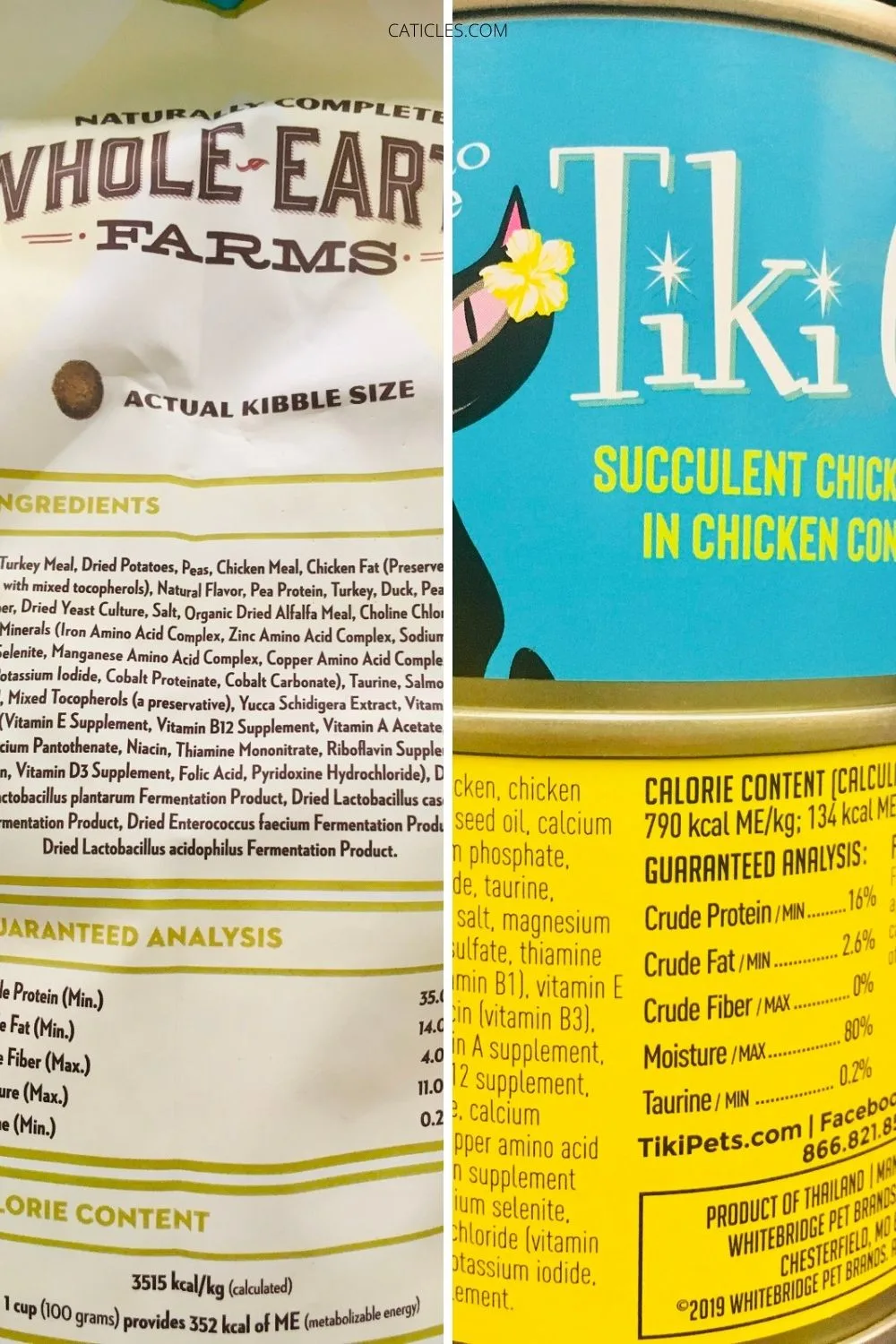
Image source: Bing (Web (fair-use with source credit))
To compare wet food to dry food, you have to convert it to "Dry Matter" basis. This means removing the water content to see the true nutrient concentration.
Here is the math you need to do yourself:
- Subtract moisture from 100. That gives you the total dry matter. (e.g., 100, 80% moisture = 20% dry matter)
- Take the protein percentage and divide it by the dry matter. (e.g., 10% protein / 20% dry matter = 0.5)
- Multiply by 100 to get the actual protein content. (0.5 x 100 = 50% protein on a dry matter basis)
Manufacturer specs indicate that most wet foods are 45-50% protein on a dry matter basis, which is excellent. Dry foods, however, often drop to 30-35% protein because of the heavy carbohydrate load used to bind the kibble.
You also need to check for the AAFCO statement of nutritional adequacy. This isn't a quality stamp; it means the food was either formulated to meet, or fed in a trial to prove, specific nutrient profiles for a life stage. But here is the cheat code: AAFCO doesn't regulate the quality of the protein source, only the levels.
A food can meet AAFCO standards with chicken feathers (a protein source) as long as it hits the amino acid target. So, look for the named species first (Salmon, not "Fish meal"), and check for taurine, which is an essential amino acid for cats that must be in the diet.
Wet vs. Dry vs. Freeze-Dried: Which Salmon Format Actually Supports Longevity?
Now we are getting to the practical part. You have decided on salmon; now you have to choose the format.
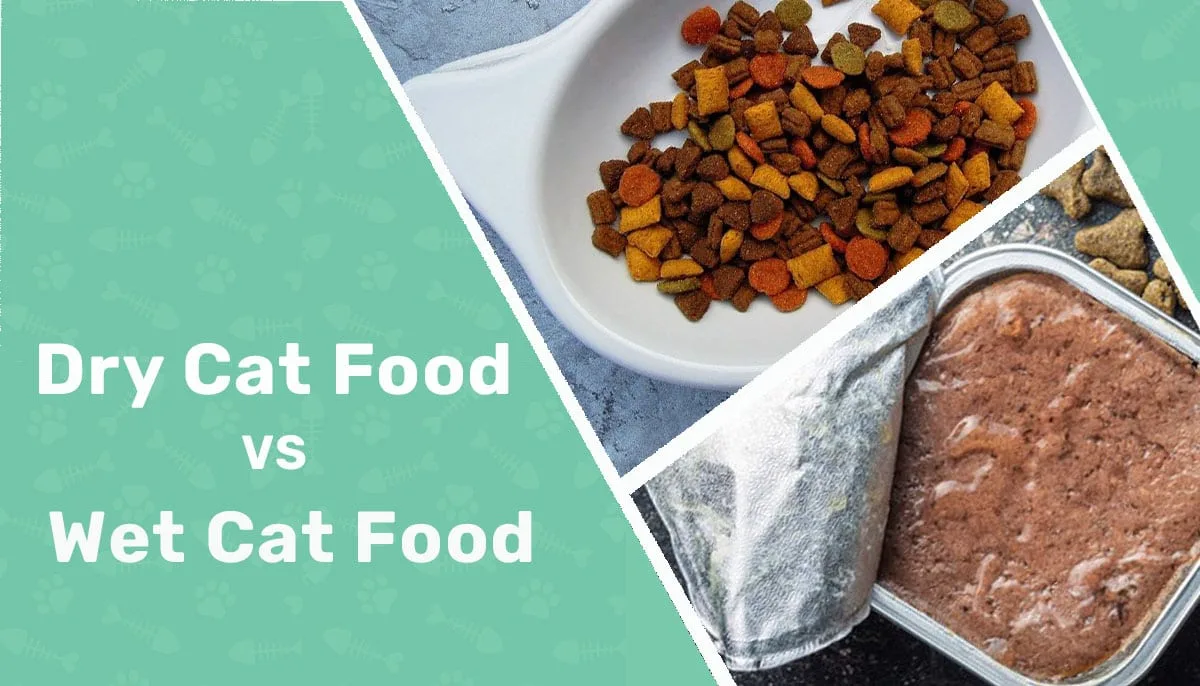
Image source: Bing (Web (fair-use with source credit))
It comes down to moisture, carbs, and dental health. Here is a quick comparison based on aggregate reviews and veterinary recommendations:
| Feature | Wet (Canned/Pâté) | Dry (Kibble) | Freeze-Dried Raw |
|---|---|---|---|
| Moisture Content | 75-80% | 10% | 5-10% |
| Carbs (Dry Matter) | Low (10-20%) | High (35-50%) | Very Low (<5%) |
| Dental Health | Poor (sits on teeth) | Poor (crumbs) | Fair (requires chewing) |
| Urinary Tract | Excellent (high water intake) | Low (can cause dehydration) | Good (if rehydrated) |
- Wet food is the winner for renal health. The higher moisture content dilutes urine, reducing the risk of urinary crystals and kidney stress. It also helps with weight management because it's less calorie-dense for the same volume of food.
- Dry food is convenient but a carb trap. Most cats are not built to process grains like corn or wheat. A high-carb diet spikes their blood sugar, contributing to obesity and Type 2 diabetes. If you must feed kibble, at least mix in water or a wet topper.
- Freeze-dried raw is the most biologically appropriate, but it's a responsibility. It mimics what a cat would eat in nature. However, per FDA testing standards, raw diets carry a risk of bacterial contamination (like Salmonella) for both you and your cat, and they require strict handling. They are also very high in phosphorus, so they are not suitable for cats with advanced kidney disease.
Your cat is an individual. A diabetic cat needs a low-carb, high-protein wet food. A picky cat might refuse everything except a fish-flavored kibble.
The "ultimate" format for longevity is the one your cat will actually eat, provides the highest moisture, and fits her specific health profile. Don't get married to one format; rotating between high-quality wet and a rehydrated freeze-dried option is a solid approach.

Similar Posts