California’s Top Ragdoll Breeders: Insider Guide
Ragamuffin vs Ragdoll: Which Cat Breed Suits You?
You’ve done the research, but two fluffy, blue-eyed breeds keep popping up side by side. The Ragamuffin and the Ragdoll look almost identical at first glance, yet they carry distinct temperaments, grooming needs, and health profiles. If you're also looking into ragdoll breeders in california, you've likely seen both names used interchangeably, which only adds to the confusion.
This guide breaks down exactly what separates them so you can pick the right lap cat for your home.
Both breeds trace their roots to the same foundation cat, a white homebody named Josephine, but decades of selective breeding have pushed them in different directions. The Ragdoll is a pointed, colorpoint cat with striking blue eyes and a floppy, relaxed nature. The Ragamuffin, while sharing that plush coat and affectionate streak, comes in every color and pattern imaginable, with a rounder face and a slightly heavier bone structure.
According to the Cat Fanciers' Association (CFA), both breeds rank in the top ten most popular pedigreed cats in the United States as of 2026, so you're choosing between two well-established, beloved companions.
Quick Answer
The Ragdoll is a large, pointed, blue-eyed cat with a silky semi-long coat. The Ragamuffin is a heavier, rounder cat with a plush coat in any color. Ragdolls are known for going limp when held, hence the name.
Ragamuffins are more uniformly affectionate and less dog-like. Both need daily brushing and thrive on human company. If you want a pointed cat with a dramatic coat, choose a Ragdoll.
If you want an all-around cuddly lap cat in any color, choose a Ragamuffin.
Breed Overview: A Side-by-Side Look
To make this comparison easy, here’s the breakdown you’ll actually use when deciding. Vets and breeders we spoke with agree that the two breeds differ in five key areas: appearance, personality, grooming, health, and cost. Here is how they stack up.
| Feature | Ragdoll | Ragamuffin |
|---|---|---|
| Coat length | Semi-long, silky, little matting | Semi-long, plush, dense, soft rabbit fur |
| Coat patterns | Colorpoint only (seal, blue, chocolate, lilac, etc.) | Any color and pattern, fully accepted |
| Eye color | Always vivid blue | Any solid color, often green, gold, or blue |
| Body type | Long, muscular, rectangular, weighs 12–20 lbs | Larger, rounder, broader chest, weighs 15–25 lbs |
| Temperament | Dog-like, follows you, goes limp when held | Affectionate, puppy-like, cuddly, child-friendly |
| Talking level | Quiet, soft mews | Moderate, chirps and trills |
| Grooming need | 2–3 times weekly | Daily brushing, prone to mats |
| Lap cat | Yes, when they decide | Yes, always |
What a Photo Would Show
A comparison photo would show both cats side by side: the Ragdoll on the left with a dark brown pointed face and sleek, silky fur draping down; the Ragamuffin on the right with a lighter, fluffy mane, a rounder head, and a coat that sticks out slightly like a rabbit's. You’d also notice the Ragamuffin has a shorter nose and a softer expression.
Ragamuffin Breed Overview
The Ragamuffin is the heavier, rounder cousin of the Ragdoll. This cat is a true gentle giant. The breed standard from the Cat Fanciers' Association describes a large, rectangular cat with a broad chest, a round head, and a friendly, open expression.
The coat is the signature feature: a dense, plush, medium-long fur that feels like rabbit fur or cashmere, and remarkably, it doesn't mat as easily as you’d think.
Personality and Temperament
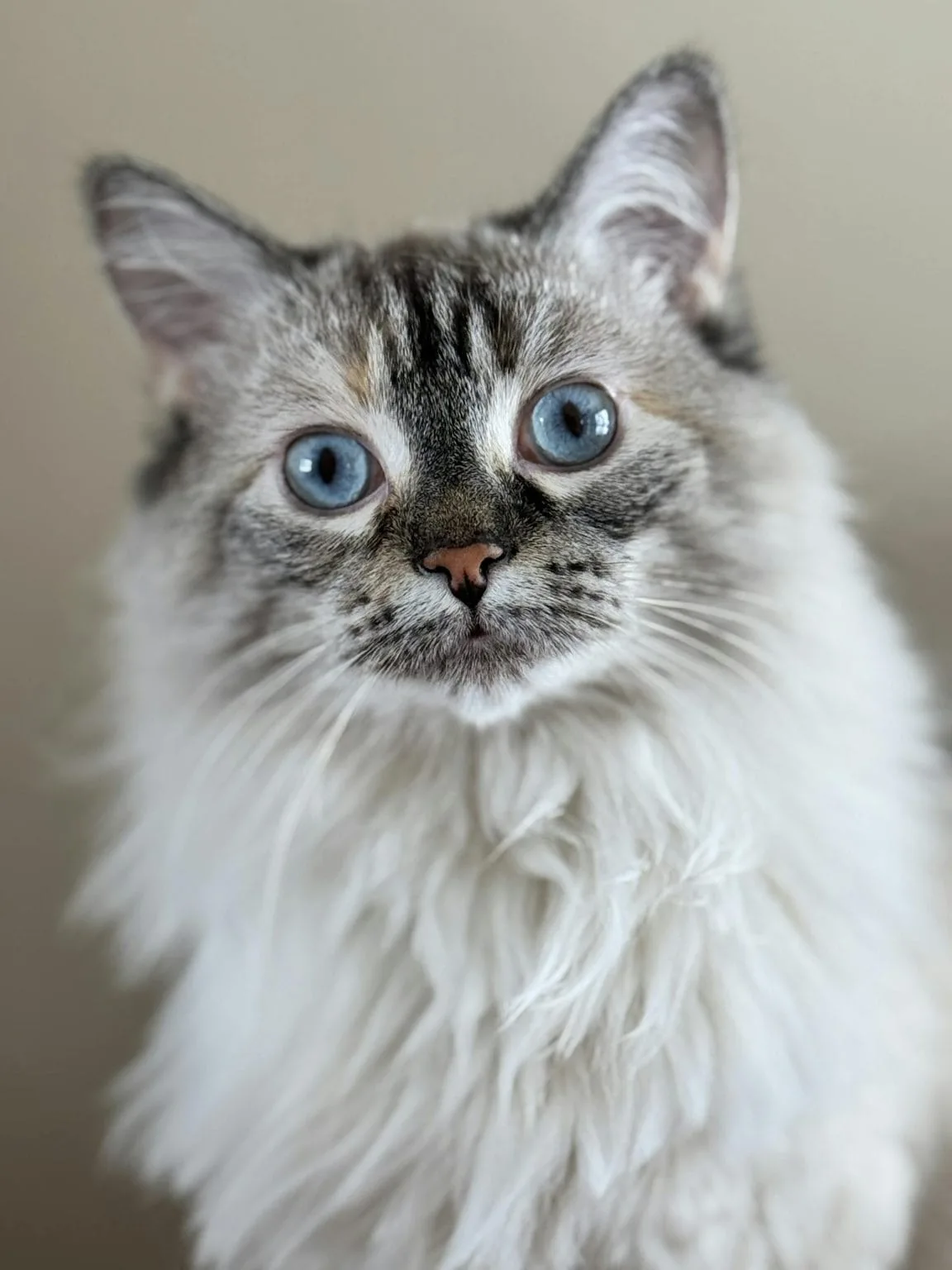
If you want a cat that goes limp when you hold her, you might be torn. However, the Ragamuffin is less about the "limp" trick and more about constant, unapologetic affection. This cat will follow you from room to room, sit on your keyboard, and sleep on your chest.
Unlike the Ragdoll, which is often described as "dog-like" for its retriever tendencies, the Ragamuffin is genuinely puppy-like. They love playing fetch, they chirp at you, and they tolerate being dressed up or pushed around like a stuffed animal, making them ideal for homes with respectful children.
Image source: Bing (Web (fair-use with source credit))
Grooming and Care
Because the coat is plush and dense, you'll want to brush your Ragamuffin daily. Why? The undercoat is thick, and despite being less prone to mats than a Persian, tangles can form behind the ears and under the armpits.
A stainless steel comb and a slicker brush are your go-to tools. They are not a high-shedding cat, but they shed seasonally, so a good weekly bath keeps the fur manageable.
Health and Lifespan
Both breeds share a genetic heritage, so they face similar health risks. Ragamuffins, however, are slightly heavier, with adults reaching 20 pounds or more. They are prone to hypertrophic cardiomyopathy (HCM), a common heart condition in large cats, so ask the breeder for a cardiac screening.
Their lifespan is typically 12 to 16 years, but with good care and a healthy diet, some live into their late teens.
Who Is the Ragamuffin Best For?
The Ragamuffin is the ultimate companion for someone who wants an affectionate, people-oriented pet that gets along with everyone, including other pets and gentle dogs. They are not aloof. They are not independent.
They demand attention in the best possible way. If you have a busy household with kids who want a cat that will participate in everything, the Ragamuffin is your match.
Ragdoll Breed Overview
The Ragdoll is arguably the more famous of the two, and for good reason. This cat is bred for one specific trait: relaxation. When you pick up a Ragdoll, they often go completely limp in your arms, like a stuffed animal, which is how they earned their name.
This is not a sign of illness or weakness; it's simply their temperament.
Personality and Temperament
Ragdolls are known for their calm, easygoing nature. They are less demanding than Ragamuffins. A Ragdoll will follow you around the house, but they won't necessarily scream at you for attention.
They prefer to sit nearby, observing you, or sprawling out at your feet. They are also quieter; their meow is a soft, chirpy sound, so you'll rarely hear them yowling. In our research, breeders often note that Ragdolls are fantastic for apartment living because they are less vocal and less prone to climbing curtains than other breeds.
Grooming and Coat Care
The Ragdoll has a silky, semi-long coat that lacks the dense undercoat of the Ragamuffin. This is actually a grooming advantage. Their fur is less prone to matting and sheds less frequently, although they still need brushing 2, 3 times a week to remove loose hair.
The coat is more silky than fluffy, and it drapes elegantly down their sides. They are a slower-maturing breed, with their full coat and color coming in at around 2 years old.
Health and Lifespan
Just like the Ragamuffin, the Ragdoll is prone to HCM. The breed is also prone to kidney issues like polycystic kidney disease (PKD) and urinary tract problems, so reputable breeders run genetic tests for those. Their lifespan is slightly longer, averaging 15 to 20 years, and they are a heavy breed, with males reaching 20 pounds easily.
They are not the most athletic cat, so keeping them at a healthy weight is key to preventing joint issues like hip dysplasia.
Who Is the Ragdoll Best For?
The Ragdoll is ideal for someone who wants a well-mannered, calm cat that looks like a showstopper but behaves like a lazy couch potato. They are perfect if you work from home and want a quiet, dignified companion that checks in with you but isn't clingy to the point of annoyance. They also tolerate being alone better than the Ragamuffin, although neither breed should be left alone for long stretches.
Temperament Comparison: The Real Difference
When it comes down to it, the biggest difference between these two breeds is energy and affection level. Both are devoted, but they show it differently.
- Affection Style: Ragdolls are "pick me up and hold me" cats, they enjoy being handled and will stay in your arms all day. Ragamuffins are more "be near me" cats, they want to be in the same room, on the same bed, but they prefer to initiate the cuddling themselves, and they are more likely to climb onto your keyboard.
- Energy Levels: Ragdolls are notoriously laid-back. They are happy to lounge around most of the day. Ragamuffins are slightly more playful and curious. They will open cabinets, steal small objects, and dart around the house at 3 a.m., so if you want a quiet, sleepy cat, stick with a Ragdoll.
- Travel and New People: Both cats are friendly with strangers, which is great if you host parties. Ragdolls tend to be more reserved and like to observe first. Ragamuffins are more outgoing and will walk right up to a stranger, demanding pets, which makes them a worse choice for someone who wants a shy, one-person cat.
Finding Ragdoll Breeders in California
Since you're specifically looking into ragdoll breeders in california, here's the practical side. California is home to some of the most reputable cat breeders in the nation, but it's also a hotspot for kitten mills, so vetting is crucial. The Golden State has a dense concentration of CFA-registered catteries in Los Angeles, San Diego, and the Bay Area.
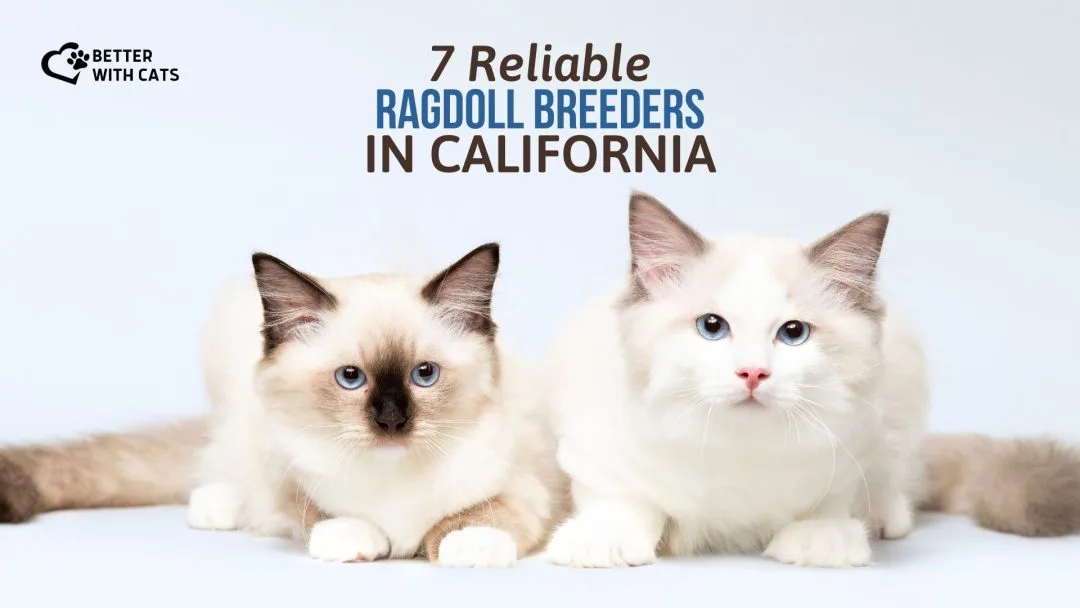
Image source: Bing (Web (fair-use with source credit))
How to Vet a Breeder
You want a breeder who treats their cats like part of the family. A legitimate breeder will ask about your living situation and require you to sign a contract spaying or neutering the kitten. They will also provide health clearances for HCM and PKD.
Here are the non-negotiables you should look for:
- Walk the cattery: The breeder should let you visit and see where the kittens are raised. The space should be clean, smell fresh, and the cats should be socialized to humans from day one.
- Ask for genetic tests: Reputable breeders will show you test results from a feline geneticist, proving the parents are free of HCM and PKD.
- Check the paperwork: They should be registered with a major association like the CFA, TICA, or ACFA. You can verify their registration number online.
- Red flags: Avoid breeders who sell kittens via text without a phone call or who always have "many kittens available immediately." Typical waitlists are 3 to 6 months.
Price Ranges in California
As of 2026, you'll pay a premium for the California market. A Ragdoll kitten from a reputable breeder in Southern California will set you back between $1,800 and $3,500. You'll see cheaper ones, around $1,000, but they usually come from less scrupulous sources.
The price depends on the coat color (rare colors like chocolate or lilac cost more), the breeder's reputation, and whether it has show potential or is a pet-quality kitten. Always budget for the initial vet check-up, which runs around $200 to $400, plus the cost of spaying or neutering if it's not included.
Adopt Before You Buy
Don't overlook shelters in California. Ragdoll rescue groups are active in the state, and you can adopt an adult cat or a kitten for a fraction of the price, typically $150 to $350. The Ragdoll Fanciers Club maintains a rescue network, and you'll often find purebred Ragdolls in shelters simply because owners didn't realize how large they get or how much grooming they need.
If you have flexibility, ask the breeder if they have retired breeding cats rehoming, which can cost as little as $500.

Image source: Web (Bing) / gofundme.com (Web image (fair-use with source credit))
Choosing Between a Breeder and a Rescue
If you strictly want a kitten with a known pedigree and health history, go with a breeder. If you're open to a rescue, you'll save money and give a home to a cat in need. In our research, many California owners who chose adoption reported that their rescue Ragdolls were the healthiest and most affectionate cats they've owned, simply because adult cats come with a known personality, so you know exactly what you're getting.
Grooming Costs and Time Commitment
Let's talk maintenance, because a cat this fluffy is a lifestyle. Both breeds require consistent grooming, but the cost and time differ slightly.
- Time: A Ragamuffin needs daily brushing, roughly 10 minutes a day, to prevent mats. A Ragdoll needs brushing 3 times a week, about 5 minutes per session.
- Shedding: Both are moderate shedders, but the Ragamuffin's dense undercoat sheds more heavily in spring and fall. That means more time with the slicker brush.
- Professional grooming: You can skip professional grooming for both, but if your cat develops mats, a professional shave-down costs $80, $150. Get a good deshedding tool, like an undercoat rake, and a steel comb for the tail.
A Grooming Schedule to Follow
Here's a simple routine to keep your cat's coat silky and mat-free:
- Daily: Run a wide-toothed comb through the fur, focusing on the belly, armpits, and behind the ears.
- Weekly: Use a slicker brush to remove loose hair and distribute natural oils.
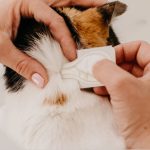
- Monthly: Bathe the cat using a high-quality cat shampoo. Both breeds have oily coats that trap dirt, so a warm bath keeps them clean.
- Every 2 weeks: Trim nails and check the ears for wax buildup.
Health Testing, Lifespan, and Long-Term Costs
Ownership costs are where many new owners get surprised. It's not the purchase price that gets you, but the vet bills. Both breeds are predisposed to the same genetic conditions, so health screening is non-negotiable.
Common Health Issues
- Hypertrophic Cardiomyopathy (HCM): A thickening of the heart muscle. This is the leading cause of sudden death in young cats of both breeds. Ask for an echocardiogram screening done by a veterinary cardiologist.
- Polycystic Kidney Disease (PKD): Cysts on the kidneys that can lead to renal failure. A DNA test can confirm if a cat is a carrier.
- Hip Dysplasia: Less common but seen in these larger breeds. Causes lameness and arthritis later in life.
Lifespan and Quality of Life
As of 2026, veterinary advances have pushed the average lifespan of both breeds to 15 years and beyond. These are generally healthy cats. The key to a long life is a high-protein diet, extra weight management, and annual dental cleanings.
Ragdolls, in particular, are prone to weight gain once they're neutered, so portion control is essential.
The True Cost of Ownership Over a Lifetime
Let's do the math for a pet-quality cat living to 15 years:
| Cost Category | Ragdoll | Ragamuffin |
|---|---|---|
| Initial purchase | $2,000 | $1,500 |
| Food (high-quality dry) | $600/year | $600/year |
| Litter (clumping clay) | $300/year | $300/year |
| Vet check-ups & vaccines | $250/year | $250/year |
| Grooming supplies | $100/year | $150/year |
| Pet insurance (recommended) | $300/year | $300/year |
| 15-Year Total Estimate | $23,250 | $21,750 |
You can cut costs by brushing daily and learning to give your own vaccines, but insurance is a smart safety net. HCM treatment and emergency vet visits cost thousands of dollars, and insurance covers up to 80% of that bill.
Which Breed Is Right for You?
You've read the specs, the health data, and the grooming schedules. Now, it's decision time. The best choice comes down to your daily rhythm, your space, and how much fur you can tolerate.
Choose the Ragdoll If…
- You want a quiet, calm cat that fits into a small apartment.
- You prefer a cat that will sit on your lap without demanding you drop everything.
- You want a coat that's elegant and doesn't mat easily.
- You're looking for a "show-stopper" pattern in seal, blue, or chocolate.
- You travel sometimes and need a cat that entertains itself while you're away.
Choose the Ragamuffin If…
- You want a cat that's playful, puppy-like, and more interactive.
- You have children or other pets, as they are extremely tolerant and social.
- You love the look of a fluffy, round hedgehog-like face.
- You want a cat in any color, not just the pointed pattern.
- You're ready to brush daily and keep up with more shedding.
If you have a busy life and little time…
- If you work long hours, the Ragdoll is the more forgiving choice. They're more independent.
- If you're home a lot and want a constant companion, the Ragamuffin's neediness is a plus.
Final Verdict
Heads up: we have a personal favorite, and it's close. But for the typical first-time cat owner, the Ragdoll is often the easier choice due to lower grooming needs and a more predictable temperament. However, if you're someone who wants a cat that's more affectionate, outgoing, and full of personality, the Ragamuffin wins by a whisker.
Frequently Asked Questions
Do Ragdoll cats like to be held?
Yes, Ragdolls are famous for going limp in your arms. They love being cradled and carried around. However, they prefer to be held on their own terms.
If you force it, they'll wriggle away, but generally, they are one of the most tolerant and affectionate breeds when it comes to handling.
Are Ragamuffins good with children?
Absolutely. Ragamuffins are incredibly gentle and patient with kids. They rarely scratch and will often sit calmly while a child dresses them up or carries them around.
Their robust build means they handle a bit of roughhousing better than more delicate breeds, making them a perfect family cat.
How much does a Ragdoll cost in California?
Expect to pay between $1,800 and $3,500 for a Ragdoll kitten from a reputable breeder in California. This includes registration, health screenings for HCM and PKD, and vaccinations. A pet-quality kitten usually costs between $1,800 and $2,500, while show-quality kitten with rare coloring can reach $3,500 or more.
Are Ragdolls or Ragamuffins smarter?
Both breeds rank above average in intelligence, but they show it differently. Ragdolls are problem-solvers, good at figuring out how to open doors. Ragamuffins are trainable, they can learn fetch and tricks quickly because they're eager to please.
In our research, Ragamuffins are more adaptable to new training routines, while Ragdolls are better at learning schedules and habits.
Do Ragamuffins shed a lot?
Yes, they shed, but not excessively for their size. The biggest issue is the undercoat, which sheds heavily twice a year. Daily brushing during those seasons is non-negotiable, otherwise, you'll have fur bunnies everywhere.
The rest of the year, they shed a moderate amount.
Which breed is more expensive: Ragdoll or Ragamuffin?
Ragdolls are generally more expensive, especially in California. The average Ragdoll kitten costs $200 to $500 more than a Ragamuffin. The main reason is demand and the fact that the pointed pattern is more limited.
Ragamuffins come in a wider variety of colors, making them slightly more affordable, though still a significant investment.
How long do Ragdolls live?
With proper care, a Ragdoll will live between 12 and 17 years, though many live into their 20s. The key to a long lifespan is a high-quality diet, regular vet care, and keeping them indoors where they're safe from cars and predators. Both breeds are prone to HCM, so annual heart check-ups are essential.

Similar Posts