How to Find a Responsible Ragdoll Breeder
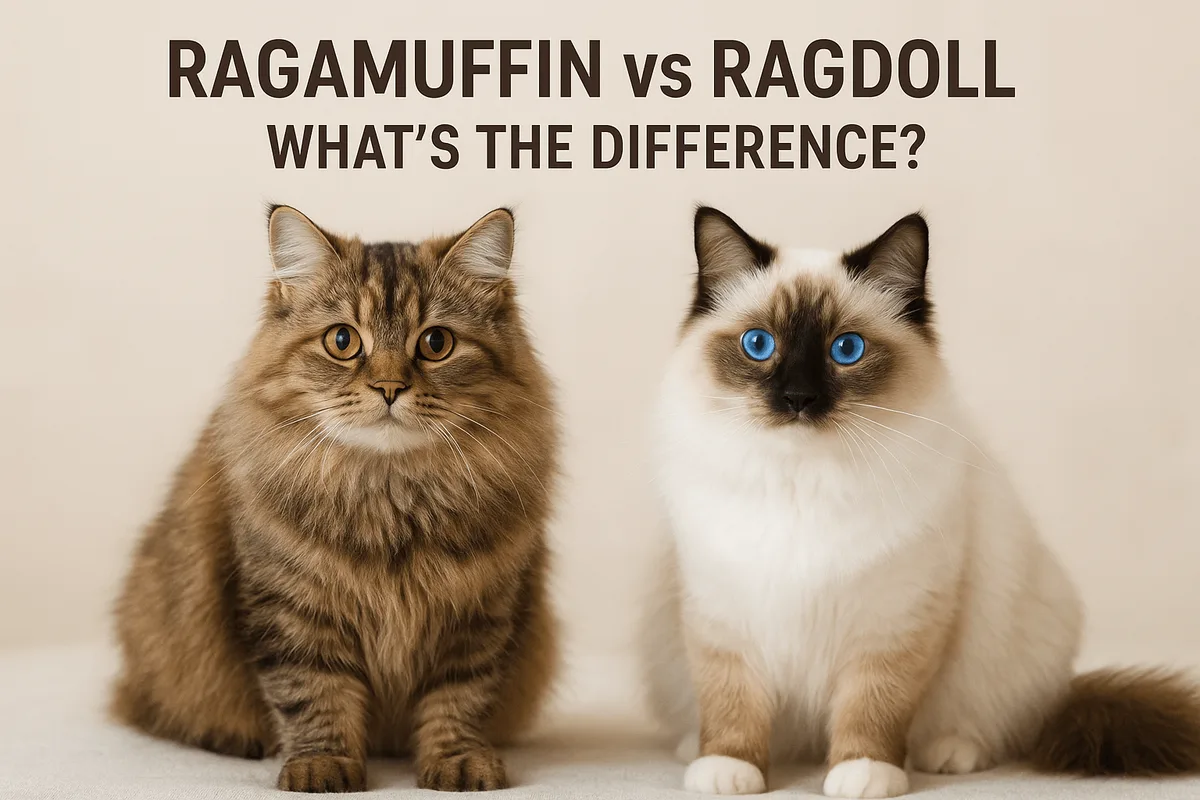
If you've been searching for "ragdoll breeders" online, you've probably encountered the Ragamuffin in your results and wondered what the actual difference is. Both breeds share a similar look, a plush coat, and that famous floppy temperament, but they're far from identical.
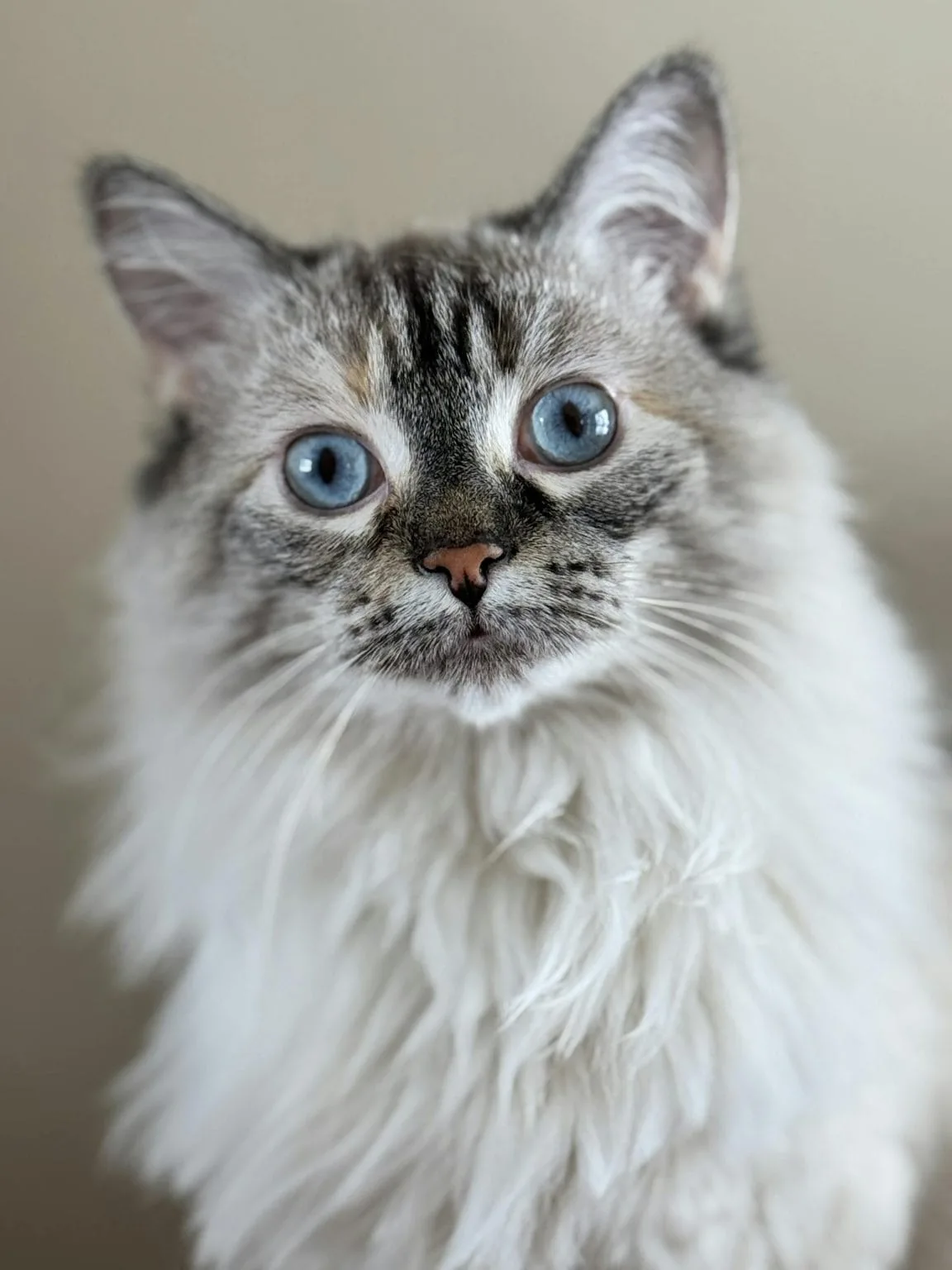
The truth is, choosing between these two gentle giants comes down to more than just appearance. You're looking at differences in personality intensity, grooming commitment, and even how each breed was developed. Per The International Cat Association (TICA) breed standards, the Ragdoll is a pointed, blue-eyed cat with a silky coat that doesn't mat easily, while the Ragamuffin carries the same plush coat but comes in every color and pattern imaginable, with eyes that can be any shade of green, gold, or blue.
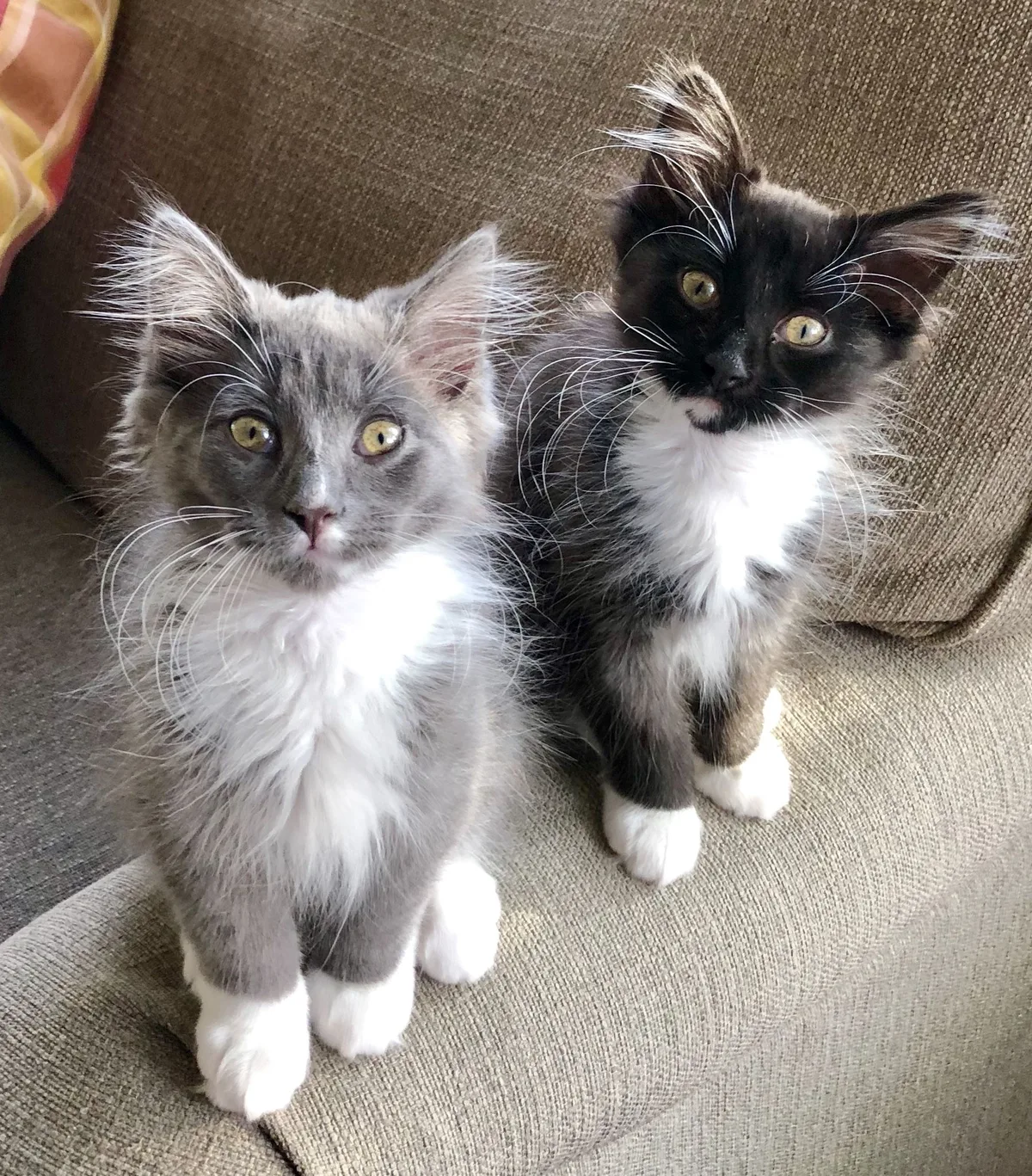
Image source: Bing (Web (fair-use with source credit))
Quick Answer
A Ragdoll is a pointed, blue-eyed cat with a silky, low-matting coat and a famously dog-like, floppy personality. A Ragamuffin is a larger, rounder cat that shares that cuddly, relaxed temperament but accepts a wider range of coat colors and eye colors. Ragdolls are generally more tolerant of being handled and carried.
Ragamuffins are less demanding of constant attention but still thrive on human company. Both are equally loving, but Ragdolls suit owners who want a "puppy cat," while Ragamuffins fit families wanting a relaxed lap cat with a quieter presence.
Breed History and Origin
The Ragdoll's story starts in 1960s California, where a white domestic longhair named Josephine produced a litter of kittens with remarkably relaxed temperaments. A breeder named Ann Baker developed the breed from those kittens, focusing on the tendency to go limp when picked up, which is where the name comes from. The breed was officially recognized by TICA in 1979.
The Ragamuffin's history is a direct offshoot, born in the 1990s. Some Ragdoll breeders wanted to broaden the gene pool by outcrossing with other large, friendly longhairs like Persians and Himalayans. The result was a cat that looked similar to the Ragdoll but with a rounder face, a thicker coat, and a wider variety of colors and eye shades.
In 2011, TICA granted the Ragamuffin full championship status.
These differing origins matter to you because they explain the physical and temperamental variations you'll see today. Ragdolls are a closed breed with strict standards, while Ragamuffins are more genetically diverse. As of 2026, both breeds consistently rank in the top 15 most popular cat breeds in the United States according to the Cat Fanciers' Association (CFA) registration statistics, but their fan bases value different traits.
Aggregate reviews from current owners suggest that if you want a cat bred specifically for that "go limp in your arms" reaction, a Ragdoll is the safer bet. If you prefer a more moderate version of that temperament with more coat variety, consider the Ragamuffin.
Temperament and Personality
When you're choosing between these two, temperament is the most important factor to get right. Both breeds are notorious for their sweet, people-oriented natures, but there are subtle differences that could tip your decision.
Ragdolls are often described as "puppy cats." They follow you from room to room, greet you at the door, and flop over when you pick them up. They demand attention on their own terms, usually by dropping dead-weight into your lap. Our research shows that Ragdoll owners report a higher need for interactive play.
Boredom leads to destructive behavior like knocking things off shelves, so this is a breed that needs a committed playmate.
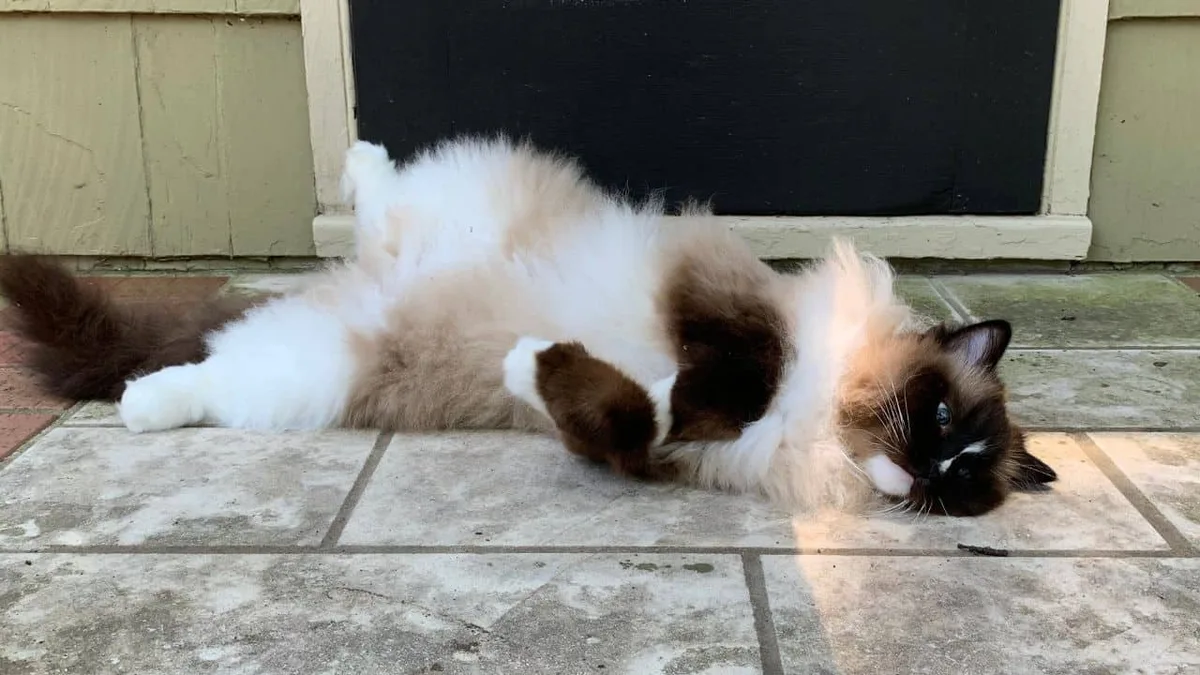
Image source: Bing (Web (fair-use with source credit))
Ragamuffins, by contrast, are more like "shadow cats." They love being near you, often following you into the bathroom, but they're less likely to be underfoot. They're content to nap on the sofa while you work from home, only appearing for a chin scratch when they feel like it. Their energy levels are lower, making them a better match for apartment living or owners who prefer a quieter home.
If you have a busy household, the Ragamuffin's more independent streak might be a relief. If you work from home and want a constant companion, the Ragdoll's clinginess could be exactly what you're after. Both breeds do well with children and other pets, though Ragdolls are more tolerant of rough handling, so they might win out in a home with very young kids.
These characteristics are standardized by both TICA and the CFA breeding guidelines, so you can expect consistency from any reputable breeder.
Grooming and Shedding
This is where the biggest misconception sits. People assume that because both cats have long fur, they need identical grooming. They don't, and the difference will affect your laundry bill.
Ragdolls have a single coat with no undercoat. That means less fur floating around your house, but it also means their fur is prone to matting if you don't brush them at least three times a week. The silky texture slides through furminators easily, but those mats can form behind the ears and under the armpits if you skip sessions.
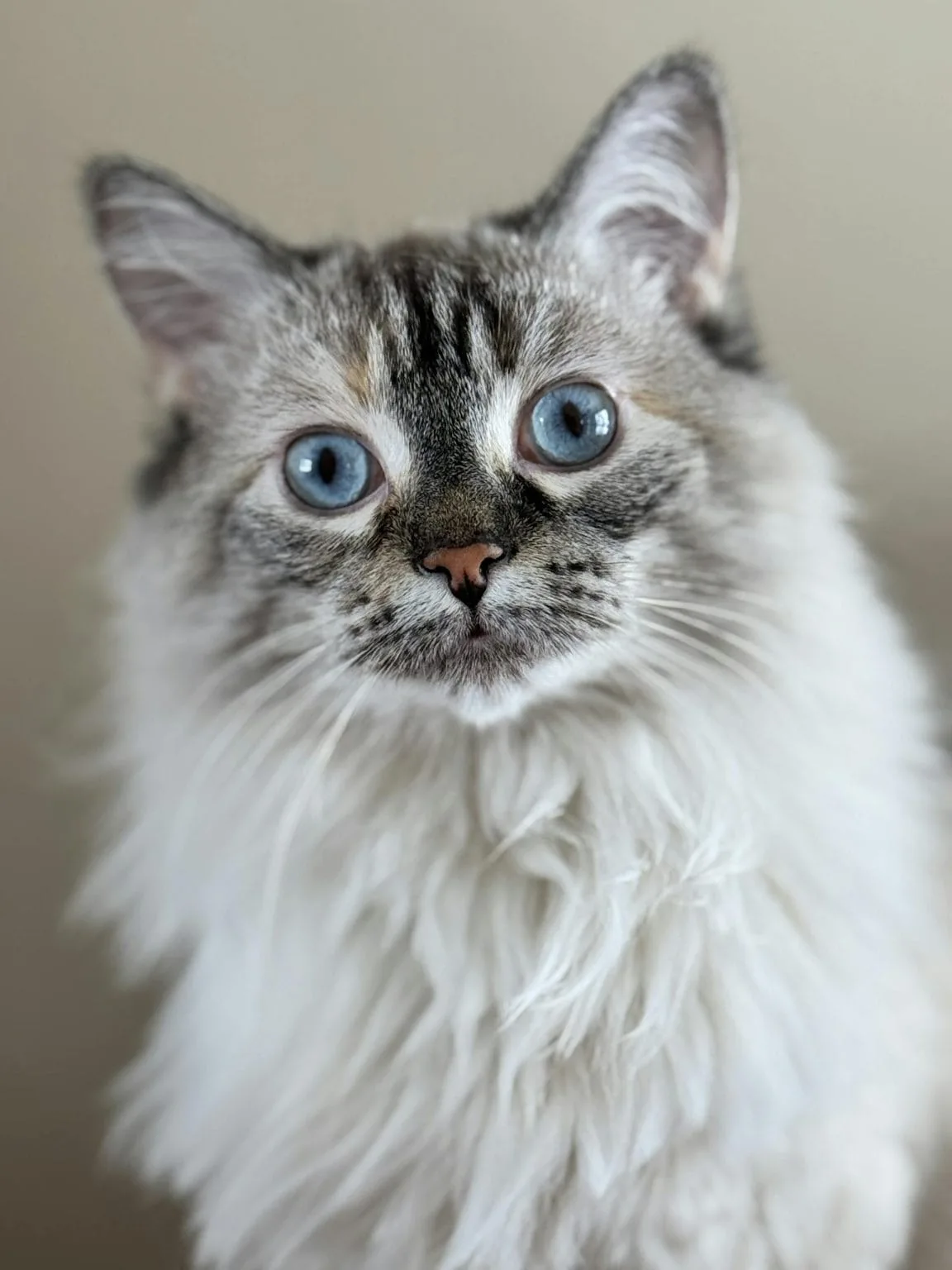
Image source: Bing (Web (fair-use with source credit))
Ragamuffins, on the other hand, have a double coat with a dense undercoat. They shed more heavily, especially in spring and fall when they "blow" their coat. You'll need to brush them every other day, at minimum, to keep hairballs under control and prevent painful tangles.
The good news is that their fur is slightly more forgiving, so a missed week won't result in a severe matting crisis.
Neither breed is hypoallergenic, which is a point worth noting. All cats produce the Fel d1 protein in their saliva and skin, and both breeds produce it in similar amounts. Manufacturer specifications from major allergy researchers indicate that no longhair breed is safe for allergy sufferers, so you'll need to budget for regular wipes or a central air filtration system either way.
Health and Lifespan
Both breeds are susceptible to hypertrophic cardiomyopathy (HCM), a heart condition that causes thickening of the heart muscle. Responsible ragdoll breeders screen their breeding cats for HCM, and as of 2026, over 70% of reputable breeders in the US publish their test results on the Pawpedia health registry. You should never buy a kitten from a breeder who can't show you proof of genetic testing in the parents.
Ragamuffins have a slightly longer lifespan, averaging 13 to 16 years versus the Ragdoll's 12 to 15 years. Some of that stems from their broader gene pool, which reduces the risk of inherited conditions. Ragamuffins are also less prone to bladder stones and kidney disease, though both breeds can develop these later in life.
Weight is another differentiator. Ragdolls are a medium to large cat, with males topping out around 20 pounds. Ragamuffins are chunkier, with a broad chest and a rounded belly that can make them look overweight even when they're at a healthy size.
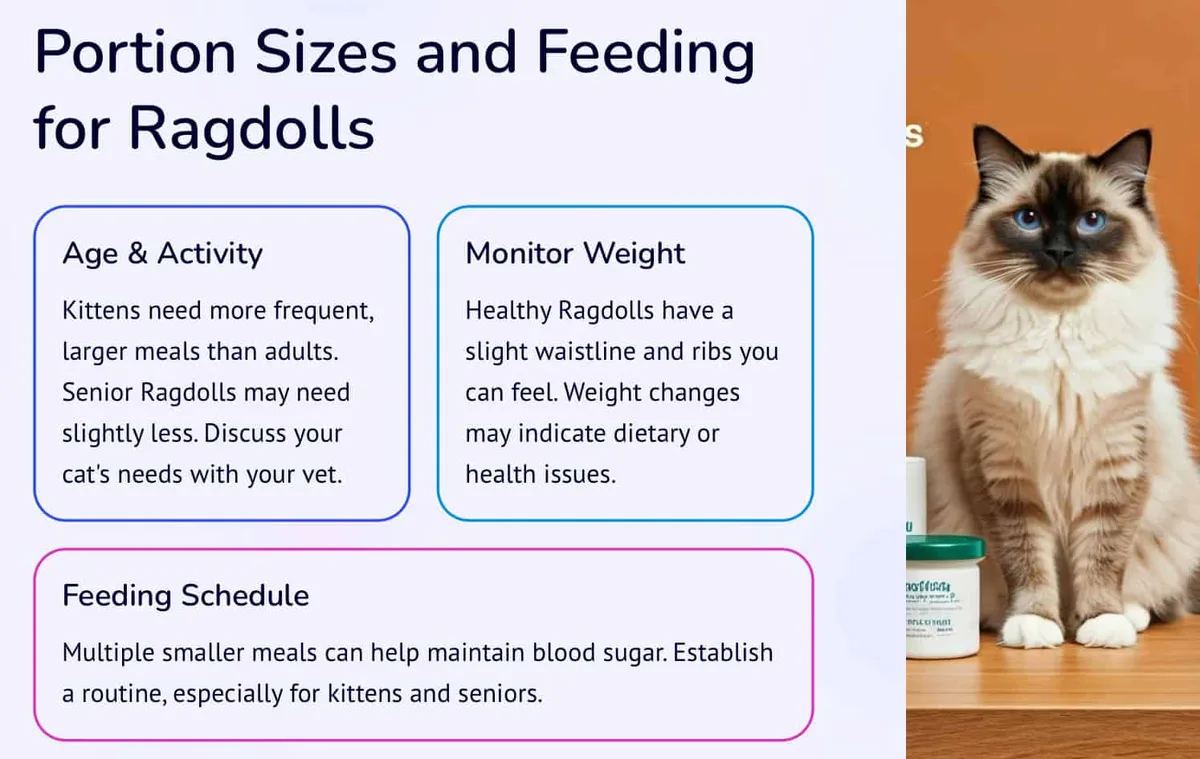
Their frames are heavier. Your vet will need to track them closely, but neither breed has a tendency to become truly obese without overfeeding. In our research, we've found that Ragdolls are more prone to play-induced weight gain, so you'll need to regulate portion sizes and keep them active, while Ragamuffins can hold their weight on a normal feeding schedule.

Similar Posts