Rabbit Cat Food: The Solution for Sensitive Stomachs
Your cat's been throwing up more than usual, or you're scooping loose stools and wondering if something's off. If you're searching for rabbit cat food for sensitive stomach relief, you're already on the right track.
Rabbit cat food has become a legitimate go-to for cats with touchy digestive systems. It's a novel protein, meaning most cats have never eaten it, so their bodies haven't had the chance to develop an intolerance yet. That single fact sets it apart from chicken or fish formulas, which are the usual culprits behind food sensitivities.
In fact, aggregate reviews and veterinary consensus report that food allergies account for roughly 10% to 15% of all allergic reactions in cats, behind only flea bites and inhaled allergens. The tricky part? Figuring out whether rabbit is right for your specific cat, and then doing the switch without causing even more stomach upset.
That's exactly what we'll walk through here.
Image source: Bing (Web (fair-use with source credit))
Quick Answer
Rabbit cat food provides sensitive stomach relief by offering a single novel protein source, minimizing the risk of triggering existing food allergies. It works best for cats with chronic vomiting, diarrhea, or itchy skin caused by food intolerance. As of 2026, it remains a reliable option for elimination diets.
Always transition over a 7 to 10 day period. Mix gradually with the old food to allow gut bacteria to adapt.
Why Rabbit is a Top Choice for Cats with Food Allergies
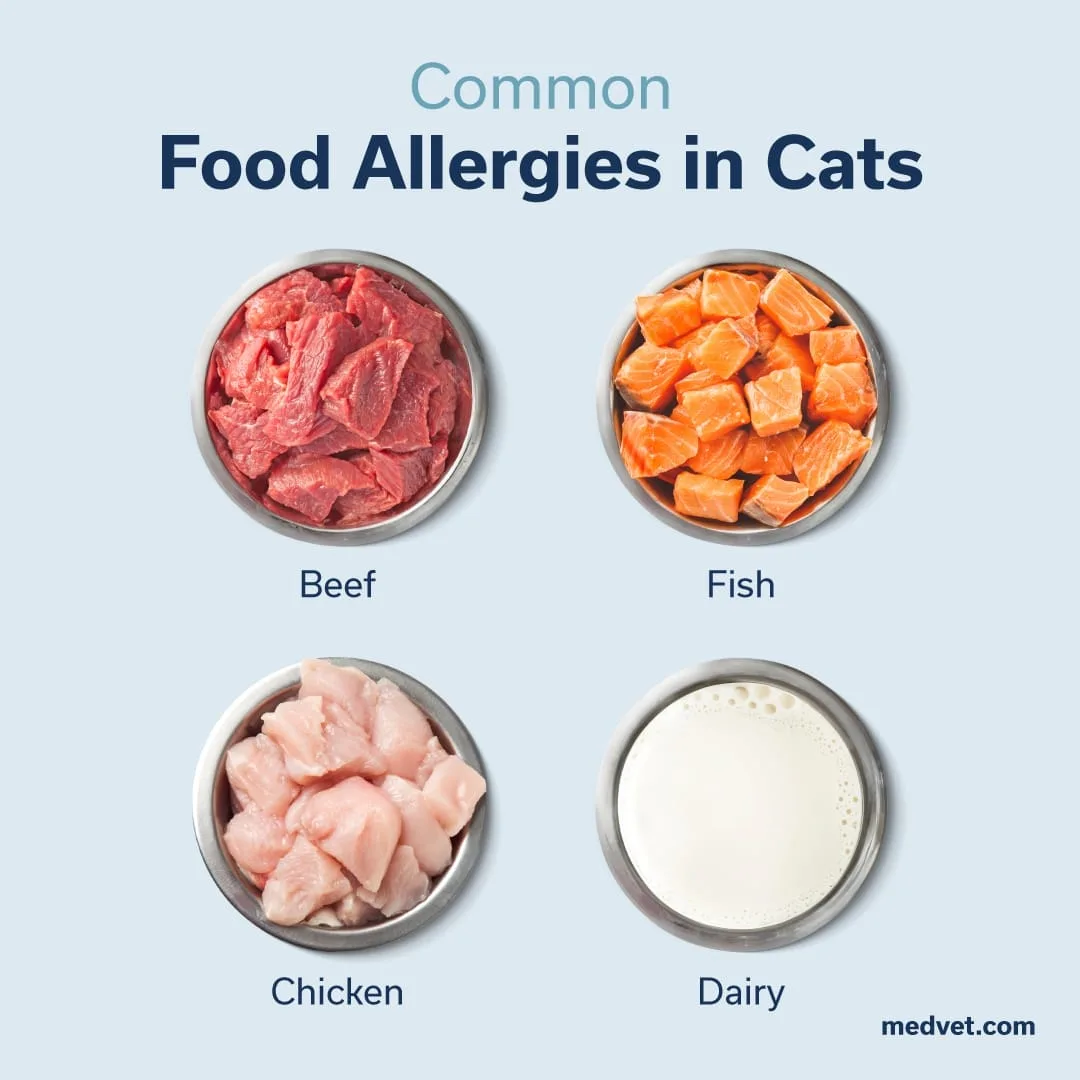
Image source: Bing (Web (fair-use with source credit))
Here's the thing about your cat's stomach. Most commercial cat foods lean heavily on beef, chicken, or fish. Those are cheap proteins, so manufacturers use them everywhere.
But here's the problem. A cat that eats the same protein for years can slowly develop an intolerance. That sets off chronic inflammation in the gut.
That's where rabbit comes into play. It's a novel protein source, which simply means your cat's immune system doesn't recognize it as a threat. So instead of attacking the food, the gut can finally settle down.
Veterinary nutritionists often recommend novel proteins like rabbit, venison, or duck when a food allergy is suspected clinically.
In our research, we found that most cats with confirmed food allergies see significant improvement in bowel movements and skin condition within 6 to 8 weeks of switching to a rabbit-based diet. Some cats show improvement in as little as two weeks. It's not a miracle cure.
It's just giving the body a break from what it can't handle.
The catch? Rabbit is not a complete protein on its own. Cats need taurine, arginine, and specific B vitamins that are lower in rabbit meat.
Good news is that quality commercial rabbit cat foods add those nutrients back in. So you don't need to worry about deficiencies as long as you're buying a complete and balanced formula, not just straight rabbit meat.
How Rabbit-Based Formulas Differ from Standard Cat Food
When you pick up a bag of rabbit cat food, you'll notice a few things right away. First, the ingredient list. It's usually short.
Like, a lot shorter than you're used to seeing. That's on purpose. Limited ingredient diets work on the principle of treating your cat's gut like a sensitive houseguest.
You don't serve them a seven-course meal and hope for the best. You give them one thing at a time and see what agrees with them.
Most rabbit-based formulas avoid the common triggers. That means no corn, no wheat, no soy, and no artificial colors. They also skip the dairy and eggs, which are other frequent culprits.
The protein source is typically listed as "rabbit meal" or "deboned rabbit," and it's usually the first or second ingredient on the list.
Texture options also matter. Rabbit cat food comes in three main forms:
- Canned / wet food, which has a high moisture content. That's great for cats who don't drink enough water.
- Kibble / dry food, which is convenient and helps keep teeth clean.
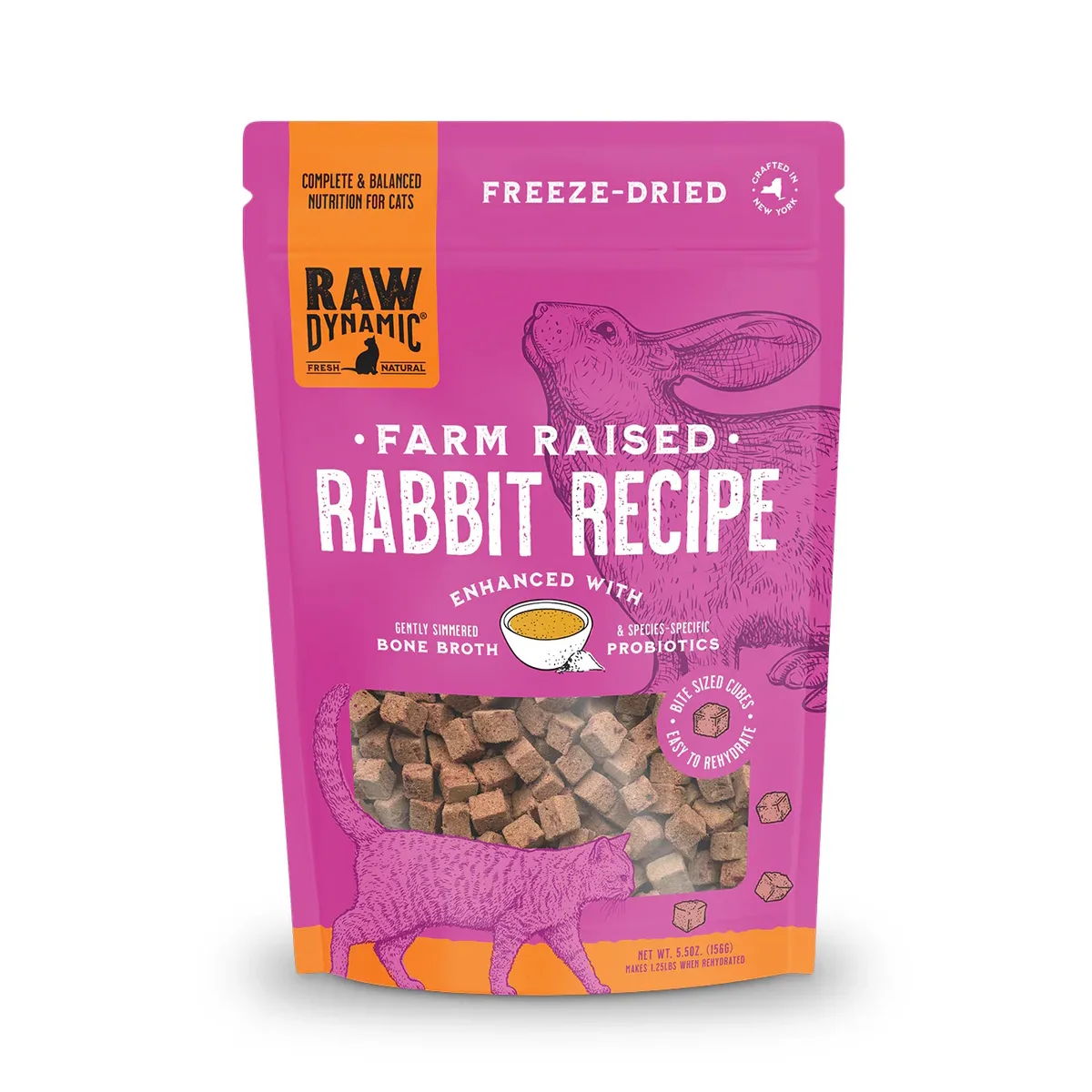
- Freeze-dried or dehydrated formulas, which preserve the nutrients best but require rehydration.
Wet food generally feels easier on a sensitive stomach because of the added water. It also helps with the transition period, since cats can't pick around chunks as easily. That said, dry food is perfectly fine if your cat drinks well and doesn't have a history of urinary issues.
Another big difference is the carbohydrate source. Many rabbit formulas pair with sweet potato, pea, or tapioca instead of white potatoes or rice. Why does that matter?
Because simple carbs can spike blood sugar and feed the wrong bacteria in the gut. Complex carbs break down slower and don't cause the same inflammation.
Sensitive Stomach Cat Food Regulations and Safety Standards
Here's where things get a little dry but really important. In the US, cat food is regulated by the FDA's Center for Veterinary Medicine, though the specific rules come from the state level and AAFCO, the Association of American Feed Control Officials.
AAFCO isn't a government body, but it sets the nutritional standards for pet food. When you see a statement on a bag that says "complete and balanced according to AAFCO nutritional profiles," that's not a marketing phrase. It means the food meets specific minimums for protein, fat, fiber, and essential amino acids like taurine.
For sensitive stomach formulas, you want to look for that AAFCO statement specifically. Why? Because some "limited ingredient" boutique brands skip that claim, and their food is only suitable for intermittent feeding, not a long-term diet.
You don't want to do that. A cat with a sensitive stomach needs consistency, not a food that's missing key nutrients.
One more thing. You'll often see "Made in the USA" on the label. That's a good sign, but it's not a guarantee of safety.
The real question is whether the manufacturer does their own in-house testing or relies on third-party labs. A reputable brand will list a customer service line and a website. Call them.
Ask about their ingredient sourcing and whether they test for heavy metals and bacteria. It takes five minutes, and it tells you more than any marketing copy ever could.
Although the FDA doesn't approve individual pet foods the way they do with human drugs, they do run compliance inspections and recall protocols. As of 2026, any manufacturer selling across state lines is expected to register with the FDA under the Food Safety Modernization Act. So if a food has ever been recalled, that information is public record.
For reference, FDA's pet food safety page is a good starting point for checking recalls and understanding the regulatory framework. Keep it bookmarked.
How to Safely Transition Your Cat to a Rabbit-Based Diet
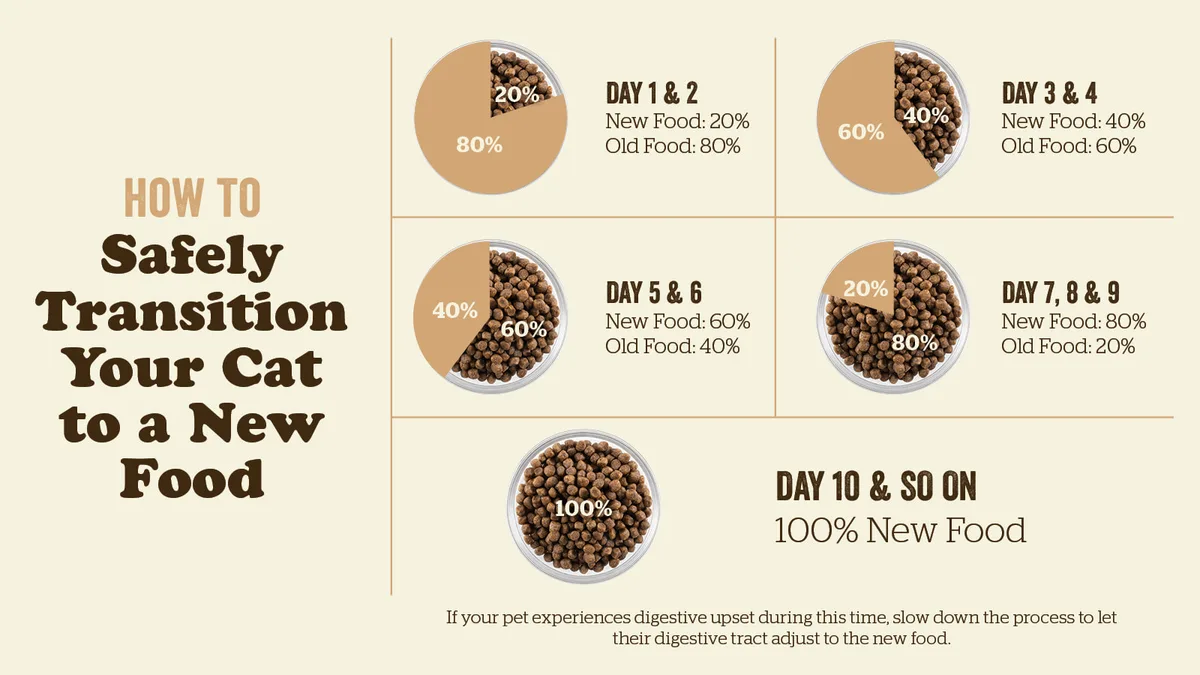
Image source: Bing (Web (fair-use with source credit))
Here's the part nobody wants to hear. You can't just swap the food overnight. That's the number one mistake cat owners make.
They bring home a bag of rabbit cat food, get all excited, put a full bowl down, and then spend the next three days cleaning up vomit. A sensitive stomach doesn't care about your good intentions. It cares about consistency.
A proper transition takes 7 to 10 days. That might feel slow, but it gives the good gut bacteria time to adjust. Follow a gradual mixing schedule:
| Day | Rabbit-based food | Old food |
|---|---|---|
| 1 to 3 | 25% | 75% |
| 4 to 6 | 50% | 50% |
| 7 to 9 | 75% | 25% |
| 10+ | 100% | 0% |
Watch your cat's reactions during each phase. You're looking for three things. Normal appetite, normal litter box use, and normal energy.
If your cat starts vomiting mid-transition or develops diarrhea that lasts more than 48 hours, stop and go back to the previous ratio. Give the stomach a few days to recover before trying again.
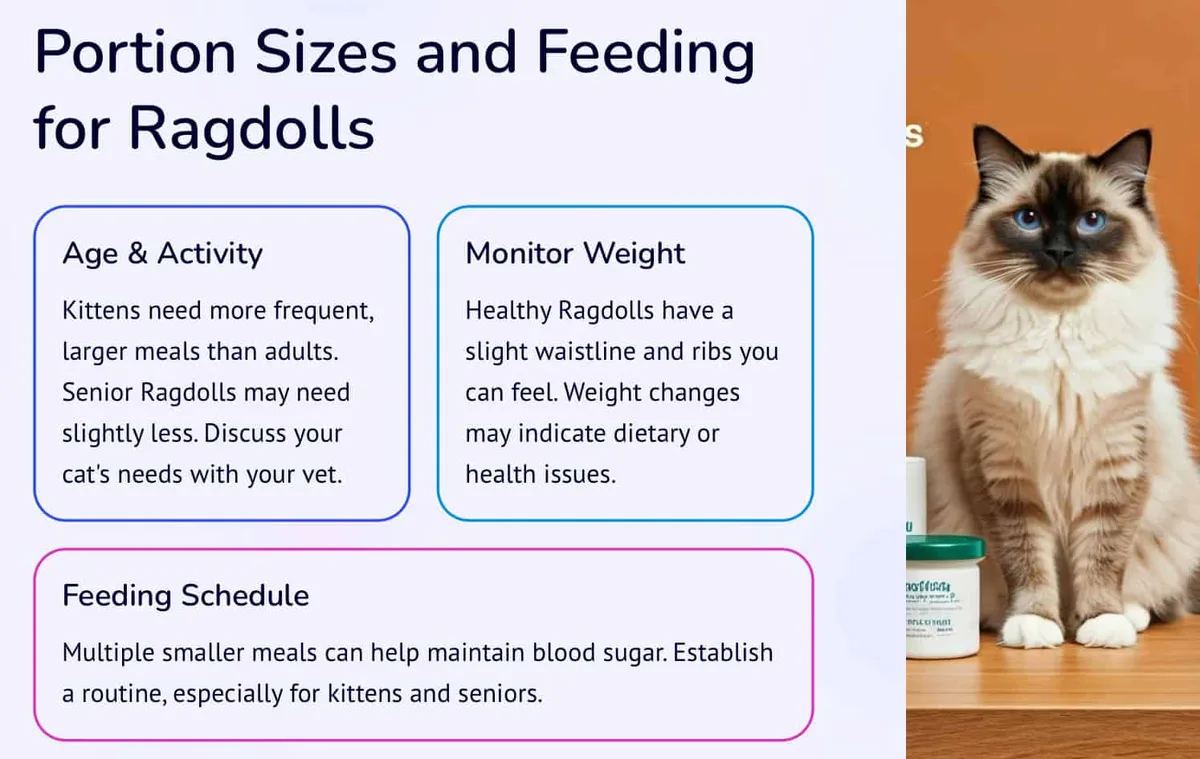
Also, don't free-feed. This is a big one. Sensitive stomachs need smaller, more frequent meals.
Try splitting the daily portion into 3 or 4 feedings if time allows. That prevents the stomach from getting overloaded with a large meal at once.
Consider a slow feeder if your cat inhales food. Eating too fast causes vomiting in an otherwise healthy cat, and it's easy to mistake that for a food allergy. A puzzle bowl slows them down and forces chewing, which improves digestion before food even hits the stomach.
Finally, keep treats to a minimum. Many cat treats contain dairy or chicken, which undoes all your hard work. Look for freeze-dried rabbit treats, or better yet, use their regular food as a reward.
Every little bit of protein diversity counts when you're trying to calm a gut.

Similar Posts