Is Mange in Cats Contagious to Humans? Discover the Truth

Have you ever noticed your cat scratching more than usual? It might be a sign of mange, a skin condition that can leave your furry friend feeling uncomfortable.
But, as a pet owner, you might be wondering: is mange in cats contagious to humans? This question can be a source of concern, especially if you have young children or other pets at home. We’ll unravel the mysteries of mange, exploring how it spreads and what you can do to protect your loved ones.
You deserve peace of mind when it comes to your family’s health and safety. By the end of this read, you’ll have all the insights you need to keep both your cat and your household safe. Stay with us to learn the facts and feel confident in your care.

Credit: www.healthline.com
What Is Mange In Cats?
Understanding mange in cats can be crucial for pet owners. Mange is a skin condition caused by tiny mites that burrow into a cat’s skin, leading to irritation and discomfort. It’s more common in cats with weakened immune systems, so knowing the symptoms and types can help you catch it early and ensure your feline friend remains healthy and happy.
Types Of Mange
There are two primary types of mange in cats: demodectic and sarcoptic. Demodectic mange is less common and usually occurs in cats with compromised immune systems. It’s caused by the demodex mites and often leads to hair loss and scaly skin.
Sarcoptic mange, on the other hand, is highly contagious and can spread quickly among cats. It’s caused by the sarcoptes mites, which are notorious for causing intense itching and redness. Sarcoptic mange can also spread to other animals and even humans, making it essential to address quickly.
Symptoms In Cats
If your cat starts scratching excessively or develops red patches, it might be a sign of mange. Other symptoms include hair loss and crusty skin, particularly around the ears, face, and neck.
Your cat might also become irritable due to constant itching, impacting their mood and behavior. Have you noticed your cat hiding more often or refusing to be touched? This could be a result of the discomfort caused by mange.
Identifying these symptoms early can make treatment more effective. If you suspect your cat has mange, consult your vet to confirm the diagnosis and explore treatment options.
Does your cat’s behavior or appearance seem off lately? Keeping an eye on their skin and fur condition can be a great way to catch mange early. With proper care, you can help your furry friend get back to their playful self in no time.
Causes Of Mange
Mange in cats stems from several causes. Each plays a crucial role in its development. Understanding these causes helps in managing the condition. Two main factors contribute to mange: mites and environmental conditions. These elements create a perfect setting for mange to thrive.
Mites And Their Role
Mites are tiny parasites. They live on the skin of cats. These mites burrow into the skin. This causes intense itching and discomfort. Cats often scratch themselves raw. There are different types of mites. Each type can cause a specific form of mange. Mites spread easily among animals. This makes cats more vulnerable. Regular grooming helps detect mites early.
Environmental Factors
Environmental factors also play a part in mange. Overcrowded living conditions heighten the risk. Poor hygiene can lead to infestation. Cats in shelters face higher exposure. Stress weakens a cat’s immune system. This makes them more susceptible to mites. A clean environment reduces mange risks. It helps keep cats healthy and comfortable.
Transmission To Humans
Mange in cats can raise concerns about transmission to humans. Understanding how it spreads is important for pet owners. Human infection is rare but possible, requiring awareness and precaution.
How Mange Spreads
Mange is caused by mites living on the skin. These tiny parasites can transfer from cats to humans. Direct contact with infected skin or fur increases the risk. Mites can also survive briefly on surfaces, like bedding or furniture. Regular cleaning reduces the chance of mite survival.
Risk Factors For Humans
People with weakened immune systems face a higher risk. Children and elderly individuals might be more susceptible. Skin conditions can make humans more vulnerable to mites. Close contact with infected cats poses a significant risk. Practicing good hygiene helps prevent transmission.

Credit: www.vetlexicon.com
Symptoms Of Mange In Humans
Mange, a skin condition caused by mites, is a concern for cat owners. But can humans catch it? While mange is less common in humans, it’s still possible. Understanding the symptoms in humans is crucial for early detection and treatment. Let’s break down what you need to look for.
Recognizing Signs
Do you notice a sudden itchiness after close contact with your cat? It could be more than just dry skin. Mange in humans often begins with intense itching. You might see red bumps or a rash on the skin. These symptoms can appear on any part of the body, but commonly affect areas that have been in contact with your pet.
Pay attention to changes in your skin texture. Are there rough patches or scaling? These could be early signs of mange. It’s easy to dismiss them as minor irritations, but being proactive can prevent further complications.
Severity And Duration
Mange symptoms in humans can vary in severity. In mild cases, you might experience mild itching or a small rash. More severe cases can lead to widespread skin irritation and discomfort. The intensity often depends on your immune response and the type of mite.
How long do these symptoms last? Typically, they can persist for several weeks if untreated. Prompt action is key to minimize discomfort. Consider consulting a dermatologist if symptoms linger or worsen. They can offer tailored advice and treatment options.
Could your lifestyle impact the severity? Absolutely. Stress and poor hygiene can exacerbate symptoms. Maintaining a clean environment and reducing stress may help mitigate the effects.
Have you ever had a skin issue that seemed insignificant, but turned out to be more serious? Mange might be one of those. Taking early steps can make a significant difference in your recovery.
Preventing Mange Transmission
Mange in cats can spread to humans through direct contact with affected animals. Simple hygiene practices like washing hands and avoiding close contact with infected cats help prevent transmission. Treating pets promptly reduces the risk of spreading mange to people.
Preventing Mange Transmission Mange in cats can be a worrying condition, especially when you consider the possibility of transmission to humans. Being proactive in preventing this transmission is essential. Understanding simple hygiene practices and protective measures can make a significant difference. You might wonder, is your home as safe as it can be from mange? Let’s dive into practical steps you can take to ensure your safety and peace of mind.Hygiene Practices
Keeping a clean environment is the first step in preventing mange transmission. Regularly wash your hands after handling your cat. Use soap and warm water to ensure any mites are thoroughly removed. Change your cat’s bedding frequently. A clean bed reduces the chances of mites lingering in your home. Vacuum and clean areas where your cat spends the most time. Don’t forget your own clothing. If you have interacted closely with a cat that might have mange, wash your clothes immediately. It’s a simple yet effective way to prevent the spread of mites.Protective Measures
Consider wearing gloves when handling a cat suspected of having mange. Gloves act as a barrier, preventing mites from coming into contact with your skin. Keep your cat isolated if mange is confirmed. A separate space helps contain the condition while treatment is underway. This practice not only protects you but also other pets in your household. Seek veterinary advice promptly. A professional can guide you on how to effectively treat mange and suggest additional protective measures specific to your situation. Have you ever thought about how these steps could impact your health positively? Implementing these practices can ease your worries and keep both you and your feline friend safe.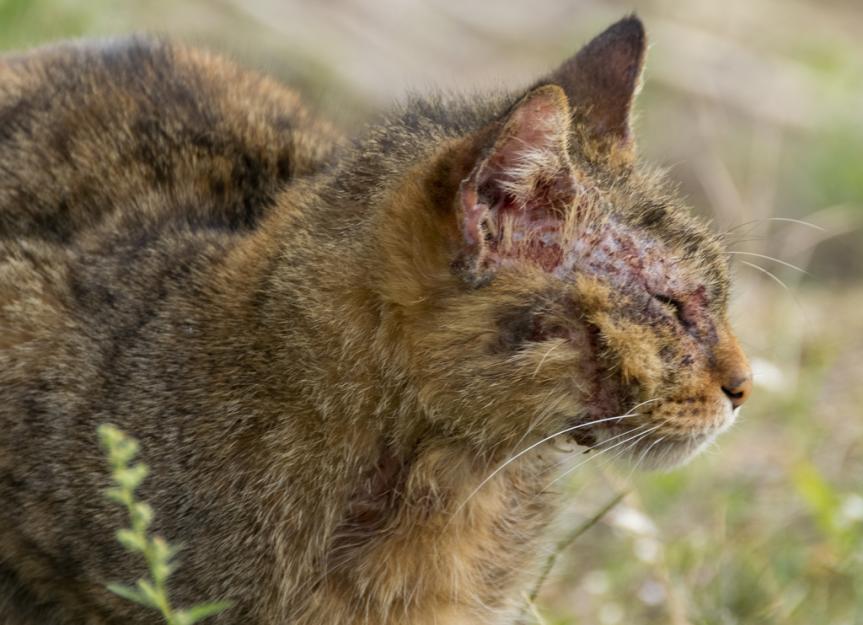
Credit: www.petmd.com
Treating Mange In Cats And Humans
Mange in cats can spread to humans through direct contact with infected animals. The mites cause itchy skin and discomfort. Early treatment in both cats and humans can prevent severe symptoms and further spread.
Treating mange in cats and humans can seem daunting, but understanding the right steps can make all the difference. Both felines and humans can suffer from mange, albeit different types. While the condition is more common in animals, humans can catch a version of it too. Knowing how to treat it effectively ensures a faster recovery and less discomfort. So, what are the best ways to tackle mange for you and your pet?Veterinary Treatments For Cats
Veterinarians often recommend topical or oral medications to treat mange in cats. These medications eliminate the mites causing the condition. It’s crucial to follow your vet’s instructions closely to ensure the treatment is effective. In addition to medication, regular bathing with a gentle shampoo can help soothe your cat’s irritated skin. Frequent cleaning of your cat’s bedding and living area is also essential. This reduces the risk of re-infestation and helps keep your home mite-free. Some pet owners have shared their success with natural remedies, like diluted apple cider vinegar. However, it’s wise to consult your vet before trying any home solutions. They can guide you on safe practices to avoid any adverse reactions.Medical Solutions For Humans
If you suspect you have contracted mange from your cat, seeking medical advice is the first step. Doctors usually prescribe creams or lotions that contain permethrin or benzyl benzoate. These treatments effectively kill the mites on human skin. Washing clothes, bed linens, and towels in hot water is necessary to prevent further spread. A clean environment is your ally in fighting off mange. It’s a simple yet powerful step that supports your treatment plan. Do you wonder if home remedies can be helpful? Some people have found relief using tea tree oil. However, it’s important to use it cautiously, as it can cause skin irritation. Always patch-test and consult a healthcare provider before trying alternative treatments. Addressing mange in cats and humans requires patience and diligence. By following appropriate treatments and maintaining a clean environment, you can tackle this pesky condition effectively. Have you ever dealt with mange in your household? What worked best for you? Share your experiences and tips in the comments!When To Seek Professional Help
Mange in cats can be a troubling condition. Knowing when to seek professional help is crucial. It helps in ensuring the health and safety of both cats and humans. Early detection and treatment can prevent complications. Professional guidance can provide peace of mind. Below are key points to consider.
Warning Signs
Observe your cat for excessive scratching. Look for red or inflamed skin. Hair loss in patches is another sign. Notice any crusty or scabby skin areas. Watch for changes in behavior. Lethargy or decreased appetite are concerning. These signs suggest a need for expert advice.
Consulting A Specialist
Schedule a vet appointment if signs persist. A specialist can perform a thorough examination. They may conduct skin tests to confirm mange. Accurate diagnosis is essential for effective treatment. Follow the specialist’s advice closely. Timely intervention can prevent spread to humans. Your cat’s comfort and health depend on it.
Myths And Facts
Mange in cats, caused by mites, can sometimes spread to humans, leading to temporary skin irritation. Direct contact with an infected cat increases the risk, but it usually resolves quickly with treatment. Understanding the signs and seeking timely care helps protect both pets and humans from discomfort.
Understanding the truth about mange in cats is crucial, especially if you’re a pet owner concerned about your family’s health. Myths and facts often blur the lines between reality and fiction, leading to unnecessary fear and misinformation. By separating the myths from the facts, you can make informed decisions about your cat’s health and your own safety.Common Misconceptions
Many people believe that mange in cats is highly contagious to humans. This misconception can lead to panic and drastic measures, like isolating your pet or even considering giving them away. However, while certain types of mange can be transmitted to humans, it’s not as common as you might think. You might hear stories from friends about catching mange from their pets, but these instances are rare and usually involve specific types of mange like scabies, which is more common in dogs. Have you ever hesitated to pet a stray cat because of fear of mange? It’s important to recognize that not every cat with a skin issue has mange, and not every type of mange is contagious.Scientific Insights
Scientific research provides clarity amidst the confusion. Studies show that feline mange, caused by the Notoedres cati mite, can occasionally affect humans but it’s typically self-limiting. This means that if you do get a rash, it usually resolves on its own without serious complications. Experts emphasize the importance of good hygiene practices. Washing your hands after handling your cat can significantly reduce the risk of transmission. Consider this: Your cat’s health directly impacts your own. Regular vet check-ups can prevent mange and other skin conditions from escalating. Are you aware of the different types of mange and their varying levels of risk? Understanding these can alleviate unnecessary fears and empower you to care for your feline friend confidently. In the end, knowing the facts helps you nurture a safer environment for both you and your cat. It’s about debunking myths and embracing informed choices.Frequently Asked Questions
Can A Person Catch Mange From A Cat?
Yes, humans can catch mange from cats. Mange is caused by mites, which can transfer to humans. Symptoms may include itching and skin irritation. It’s important to consult a doctor for proper diagnosis and treatment. Regular veterinary care can help prevent mange in pets.
How Do I Disinfect My House From Mange?
Clean surfaces with a mixture of water and bleach. Wash bedding and fabrics in hot water. Vacuum carpets and upholstery thoroughly. Dispose of vacuum bags immediately. Use insecticidal sprays approved for home use.
What To Do If You See A Cat With Mange?
Notice signs of mange and contact a veterinarian immediately. Keep the cat isolated from other pets. Avoid direct contact and wash hands thoroughly. Follow vet advice for treatment and cleaning. Ensure your pet’s environment is clean to prevent further spread.
Regular check-ups can help maintain your cat’s health.
What Does Cat Mange Look Like On Humans?
Cat mange on humans causes itchy, red, and inflamed skin. You might see small bumps or blisters. The affected areas can resemble a rash and often appear on arms, chest, or stomach. It’s important to seek treatment promptly to alleviate discomfort and prevent further skin irritation.
Conclusion
Mange in cats can spread to humans, but it’s rare. Most people don’t get sick from it. Good hygiene helps prevent transmission. Always wash hands after touching an infected cat. Keep your cat healthy with regular vet visits. Treat mange quickly to avoid spreading.
Look for signs like itching or hair loss. Early treatment keeps everyone safe. Mange isn’t life-threatening, but it needs attention. Care for your cat and protect your family. Stay informed and act promptly. Healthy pets lead to happy homes.

Similar Posts