Is Cat Scratch Disease Contagious? Uncover the Truth
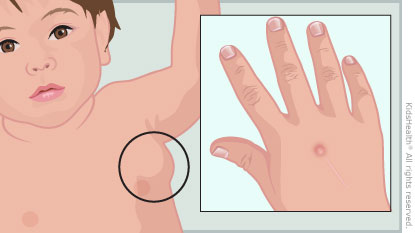
Have you ever wondered if that playful swipe from your furry friend could lead to something more serious? If you’ve heard of Cat Scratch Disease (CSD), you might be curious about whether it’s contagious and how it could affect you or your loved ones.
Understanding the risks and realities of CSD is crucial, especially if you’re a cat owner or planning to adopt one. We’ll delve into the details of Cat Scratch Disease, unravel myths, and provide you with clear, straightforward answers. Stay with us as we explore everything you need to know to keep you and your family safe, informed, and worry-free.
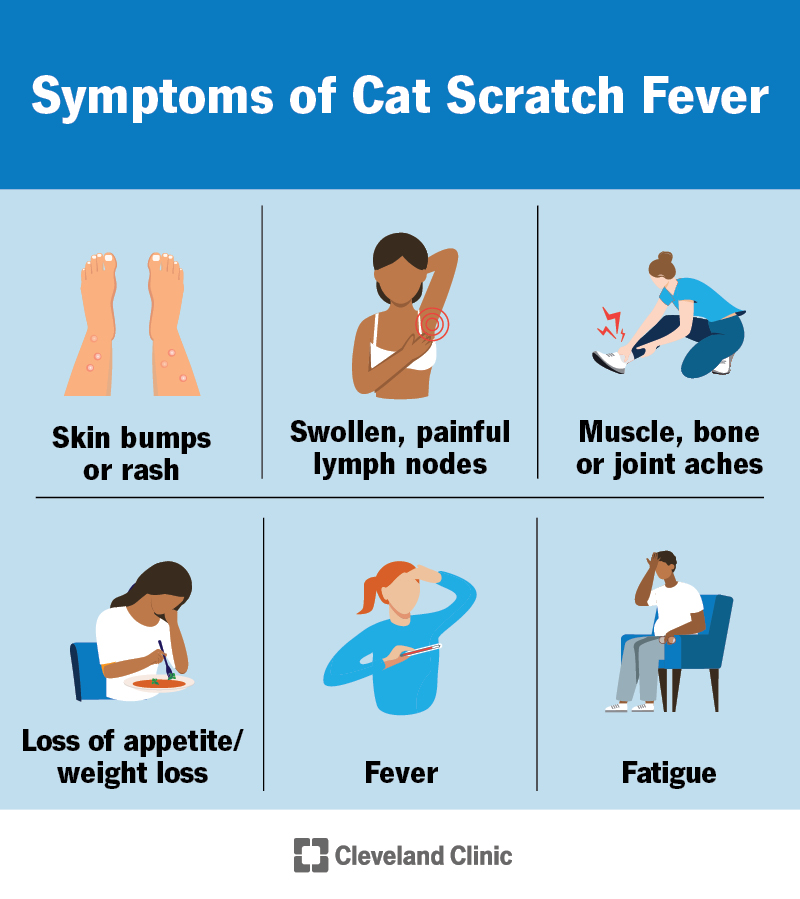
Credit: my.clevelandclinic.org
What Is Cat Scratch Disease?
Understanding illnesses like Cat Scratch Disease (CSD) can feel daunting, especially if you’ve never heard of it before. But don’t worry, it’s not as complicated as it sounds. CSD is an infection caused by bacteria, and it’s usually associated with cats—specifically, young cats or kittens that may carry these bacteria.
Cat Scratch Disease is an infection caused by a bacterium called Bartonella henselae. It’s primarily spread through scratches or bites from cats. While this might sound alarming, most cases are mild and resolve without treatment.
You might wonder how a simple scratch can lead to an infection. Well, cats often lick their paws and fur, transferring bacteria from their mouths to their claws. So, when your playful kitten scratches you, it can inadvertently pass on these bacteria.
Symptoms of Cat Scratch Disease can vary. You may notice a small bump or blister at the site of the scratch, which may be accompanied by swollen lymph nodes. Sometimes, flu-like symptoms such as fever, fatigue, or headaches may develop, making you feel under the weather.
How Common Is Cat Scratch Disease?
Many people are surprised to learn that CSD is relatively common, especially if you live with cats. It’s estimated that over 12,000 people in the United States are affected annually. However, severe cases are rare.
If you’ve ever been scratched by a cat, you might have experienced a mild case without even realizing it. Most people recover quickly with minimal discomfort.
Is Cat Scratch Disease Dangerous?
For most people, Cat Scratch Disease is not dangerous. Symptoms typically resolve within a few weeks. However, individuals with weakened immune systems may face more severe complications.
If you’re immunocompromised, it’s important to be cautious and seek medical advice if you suspect you have CSD. Your doctor may recommend treatment to ensure a swift recovery.
Have you ever wondered how you can prevent Cat Scratch Disease? Simple precautions, like washing scratches immediately and keeping your cat’s claws trimmed, can make a big difference.
Can You Still Have Cats?
Absolutely! Having cats doesn’t mean you’ll definitely get Cat Scratch Disease. With proper care, you can enjoy your feline friends without worry. Regular vet check-ups and maintaining good hygiene can help keep both you and your cats healthy.
Do you have a story about a scratch from your pet? Share it in the comments. It’s always fascinating to hear how others manage life with their furry companions.

Credit: www.mountsinai.org
Causes Of Cat Scratch Disease
Cat scratch disease spreads mainly through bites or scratches from an infected cat. The bacteria Bartonella henselae cause the infection. Direct contact with an infected cat is required for transmission, making it not contagious between humans. Symptoms include swollen lymph nodes and fever.
Understanding the causes of Cat Scratch Disease (CSD) can help you take preventive measures to protect yourself and your furry friend. CSD is primarily caused by bacteria that can be transmitted through various pathways. Knowing how these bacteria operate and how they spread will empower you to create a safer environment for both you and your pet.Bacteria Involved
The main culprit behind Cat Scratch Disease is a bacterium known as Bartonella henselae. It’s a tiny organism with a significant impact on health. Cats often harbor these bacteria without showing any symptoms, making it tricky for pet owners to detect. Interestingly, not all cats carry these bacteria. It’s more common in kittens or stray cats that have had exposure to fleas. So, if your cat loves exploring the outdoors, they might be at a higher risk of carrying Bartonella henselae.Transmission Pathways
You might wonder how these bacteria make their way from a cat to a human. It’s usually through a scratch or bite. If your cat has Bartonella henselae and scratches you, the bacteria can enter your body through the broken skin. Additionally, flea bites can transmit the bacteria to cats. Once a cat is infected, their claws may carry the bacteria, especially if they groom themselves frequently. If your cat tends to scratch when playing or gets aggressive, you might be more exposed to infection. Have you ever been scratched by a playful kitten? That seemingly harmless playtime can be a pathway for bacteria. It’s a good idea to wash any scratches or bites promptly to minimize the risk of infection. Being aware of how Cat Scratch Disease is caused can help you take practical steps to protect yourself and your pets. Regular flea control and mindful play with your cat can make a big difference. What steps will you take today to ensure a safer interaction with your feline friend?Symptoms In Humans
Cat Scratch Disease, caused by bacteria from cat scratches or bites, is not directly contagious between humans. Symptoms include swollen lymph nodes, fever, and fatigue, appearing a few days after contact with infected cats. Proper hygiene and care can reduce the risk of transmission from pets to humans.
Cat Scratch Disease (CSD) might sound like something out of a cartoon, but it’s a real infection caused by a scratch or bite from a cat carrying Bartonella henselae bacteria. Understanding the symptoms in humans is crucial, especially if you’re a cat lover or frequently interact with felines. Whether you’re a pet owner or just someone who enjoys the company of cats, knowing what to watch for can be a lifesaver.Early Signs
The early signs of Cat Scratch Disease in humans are often mild. You might notice a red bump or blister at the site of the scratch or bite. This can happen within a few days. You may also experience swollen lymph nodes, usually around the area where the scratch occurred, like your neck or armpit. Fever, fatigue, and headaches are common. These symptoms can easily be mistaken for other minor ailments. Sometimes, people overlook these signs, thinking they’re just dealing with a typical scratch. But if you start feeling unusually tired or your lymph nodes are more swollen than normal, it’s time to pay attention.Serious Complications
While early signs are mild, some cases escalate into serious complications. Imagine feeling constant, severe headaches or abdominal pain. These could be indications that the infection is spreading. In rare cases, CSD can affect organs such as the liver, spleen, or even the brain. This might lead to more severe symptoms like seizures or temporary blindness. These severe conditions require medical intervention and can be life-threatening. Have you ever thought a simple scratch could lead to hospitalization? It’s rare, but possible. Knowing the symptoms and acting early can prevent these complications. Always consult a healthcare professional if you suspect CSD. Being informed and vigilant can make a significant difference, especially if you love being around cats. So, keep an eye out for those early signs and ensure you seek help if symptoms worsen. Your health is important, and understanding CSD can help you enjoy your feline friends without worry.How Cats Transmit The Disease
Cats can transmit cat scratch disease through bites or scratches. The bacteria is often carried in their saliva. Humans may get infected when the bacteria enters through broken skin.
Cats are charming creatures, but they can transmit diseases. Cat Scratch Disease is one such illness. Understanding how cats pass this disease helps in prevention.Role Of Fleas
Fleas play a crucial part in spreading Cat Scratch Disease. These tiny parasites carry bacteria. When fleas bite a cat, they transfer bacteria. This bacteria settles in the cat’s body. Cats with fleas often scratch themselves. Scratching leads to bacteria spreading to their claws. These claws can then scratch humans, passing the bacteria. Flea prevention is vital for controlling the disease. Regular flea treatments reduce infection chances.Cat Behavior And Interaction
Cats are playful by nature. They interact through scratching and biting. During play, they may scratch humans unintentionally. These scratches can transmit bacteria. Sometimes, cats bite as a form of defense. Bites can also spread Cat Scratch Disease. Handling cats gently reduces aggressive behavior. Teach children how to play safely with cats. This minimizes the risk of scratches and bites. Keeping cats healthy reduces disease transmission. Regular vet check-ups help maintain a cat’s well-being.Risk Factors
Understanding the risk factors for Cat Scratch Disease (CSD) can help you protect yourself and your loved ones. This disease, caused by the bacteria Bartonella henselae, is usually transmitted through scratches or bites from infected cats. While cats are the primary carriers, certain factors can increase the likelihood of contracting the disease. Let’s explore who is most vulnerable and how environmental influences play a role.
Who Is Most Vulnerable
Young children are particularly vulnerable to Cat Scratch Disease. Their playful nature often leads to interactions with cats that might involve scratches or bites. Parents should monitor these interactions closely, ensuring gentle play.
People with weakened immune systems are also at higher risk. If you’re undergoing treatment that affects your immune response, take extra precautions around cats. Always clean any scratches or bites thoroughly and monitor for signs of infection.
Consider this: Have you ever observed how your cat’s behavior changes when they’re stressed or frightened? During these times, they might be more prone to scratching. Understanding your pet’s mood can prevent unexpected incidents.
Environmental Influences
Warm climates can increase the risk of Cat Scratch Disease. Fleas thrive in these environments, and they are a key factor in spreading Bartonella henselaeamong cats. Keeping your home flea-free reduces the risk of transmission.
If you live in a region with a high cat population, the risk can be greater. Stray or feral cats might carry the bacteria, so be cautious when interacting with unknown animals. Encourage your community to support local shelters and spay/neuter programs.
Have you noticed how different seasons affect your cat’s behavior? In spring and summer, outdoor cats might roam more, increasing their chances of encountering infected fleas. Keeping an indoor cat can significantly reduce these risks.
Understanding these factors helps you make informed decisions about your pet interactions. What steps will you take to mitigate these risks in your environment?
Prevention Tips
Cat scratch disease can spread from cats to humans. Regular handwashing after playing with cats helps reduce risk. Keeping cats indoors and using flea control can also prevent infection.
When it comes to preventing Cat Scratch Disease (CSD), being proactive is key. While cats are lovely companions, they can occasionally carry bacteria that may lead to this illness. Don’t worry, though! With a few simple prevention tips, you can keep both you and your feline friend healthy and happy.Handling Cats Safely
Be gentle but firm. Cats enjoy play, but their claws can unintentionally cause scratches. Teach children to handle cats with care. Young ones might not realize their own strength, and a startled cat can scratch. Consider trimming your cat’s nails regularly. A little trim can prevent deeper scratches.Hygiene Practices
Wash your hands after petting or playing with cats. It’s a simple habit that can make a big difference. Keep your cat’s living area clean. Regularly clean their bedding and toys to minimize bacteria. If scratched or bitten, clean the wound immediately. Use soap and water, then apply an antiseptic to reduce infection risk.Have you ever thought about how these small actions can impact your health? By handling cats safely and following good hygiene, you’re taking a big step toward preventing CSD. Isn’t it worth a few minutes of your time to ensure peace of mind and health for you and your cat?
Treatment Options
Cat Scratch Disease is not typically contagious between humans. It usually spreads through cat scratches or bites. Treatment options include antibiotics to manage symptoms and prevent complications.
When you or a loved one is diagnosed with Cat Scratch Disease, the burning question is often about the available treatment options. While this bacterial infection is generally mild, knowing how to address it can ease your worries. Here’s a breakdown of medical interventions and home care recommendations to help you get on the path to recovery quickly.Medical Interventions
Doctors typically recommend treatment based on the severity of your symptoms. For mild cases, rest and time might be all you need. However, if symptoms persist or worsen, antibiotics may be prescribed. Common antibiotics like azithromycin can help reduce lymph node swelling and speed up recovery. If you notice persistent fever or severe pain, it’s crucial to consult a healthcare professional. In rare cases, lymph node drainage might be necessary to relieve discomfort.Home Care Recommendations
At home, simple measures can significantly aid in recovery. Keep the affected area clean and dry to prevent further infection. Applying a warm compress to swollen lymph nodes can offer relief. Over-the-counter pain relief like acetaminophen can help ease discomfort. Make sure to stay hydrated and rest well. A balanced diet rich in vitamins can support your immune system as it fights the infection. Have you ever considered how your pet’s health can impact yours? Regular vet check-ups can prevent your cat from harboring the bacteria that cause Cat Scratch Disease. Remember, your health is interconnected with your pet’s well-being. Taking proactive steps can keep both of you healthier and happier.Myths And Misconceptions
Cat Scratch Disease often sparks confusion and worry. Many people fear it more than they should. Misunderstandings can lead to unnecessary concern. Let’s explore the common myths and clear the air.
Common Beliefs
One belief is that Cat Scratch Disease spreads easily between humans. People think touching or being near someone with the disease makes you sick. Others believe every cat carries the disease. They assume all cats can infect humans just by scratching.
Separating Fact From Fiction
Cat Scratch Disease does not spread from person to person. It requires direct contact with an infected cat. Not all cats carry the disease. Only a few cats actually have the bacteria. Even among infected cats, not all scratches lead to disease.
Scratches must be deep or broken skin for transmission. Simple contact with a cat does not pose a risk. Washing the scratch promptly reduces the chances of infection.
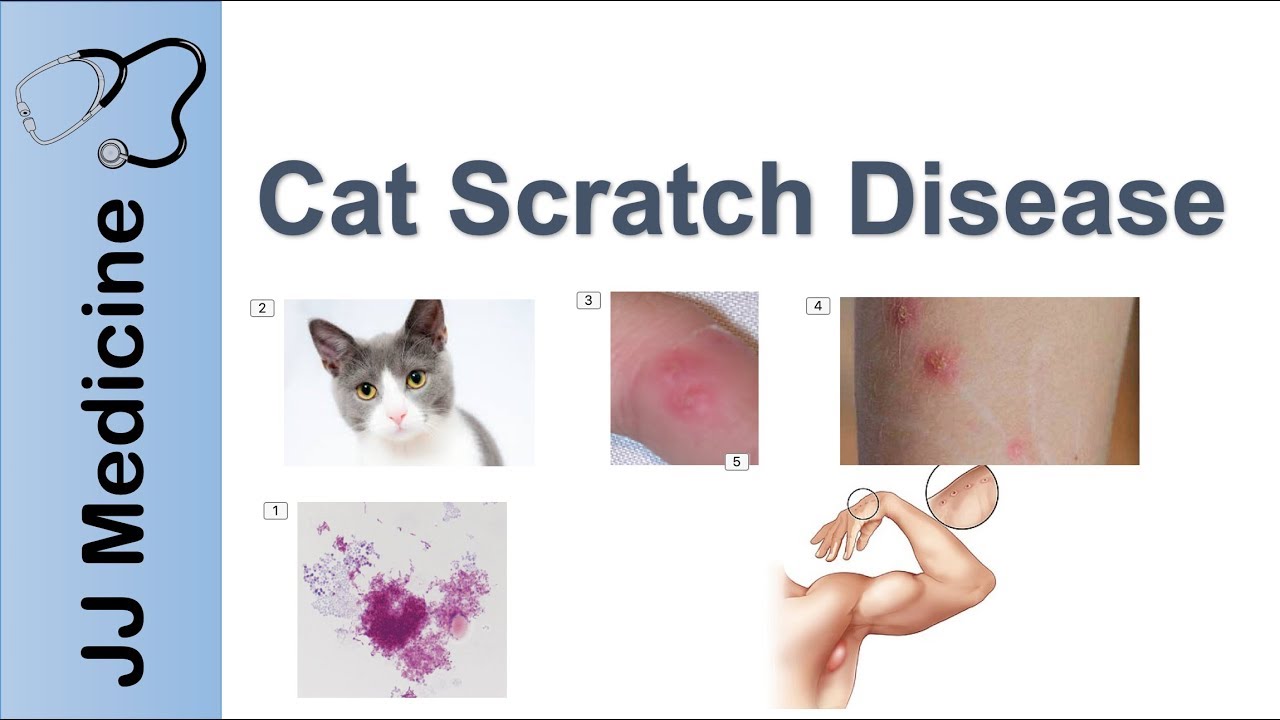
Credit: www.youtube.com
Frequently Asked Questions
Does Cat-scratch Disease Ever Go Away?
Yes, cat-scratch disease usually resolves on its own. Most people recover without treatment in a few weeks. Symptoms like fever, fatigue, and swollen lymph nodes may occur. If symptoms persist or worsen, consult a healthcare professional for advice. Maintain good hygiene to prevent infection from cats.
How Is Cat-scratch Disease Transmitted?
Cat-scratch disease is transmitted through a scratch or bite from an infected cat. Cats can carry Bartonella henselae bacteria. After contact with a cat, symptoms may appear. Cats often transmit the bacteria through fleas. Keeping cats indoors may reduce transmission risk.
Always wash hands after handling pets.
What Are Three Symptoms Of Cat-scratch Disease?
Common symptoms of cat-scratch disease include swollen lymph nodes, fever, and fatigue. These symptoms usually appear after a cat scratch or bite. If symptoms persist, seek medical advice for proper diagnosis and treatment.
How Likely Are You To Get Sick From A Cat Scratch?
Cat scratches can lead to infections like cat scratch disease. Risk increases if the cat carries bacteria. Clean the wound and monitor for symptoms like swelling or fever. Seek medical advice if symptoms appear. Good hygiene and regular vet check-ups for cats reduce the risk of illness.
Conclusion
Cat Scratch Disease is not easily spread between people. It mainly transmits through cat scratches or bites. Affected individuals often recover without treatment. Watch for symptoms like fever or swollen lymph nodes. Seek medical advice if symptoms persist. Preventive measures include washing hands after petting cats.
Regular vet check-ups for your cat can help. Keeping cats indoors reduces their risk of infection. Stay informed and keep your pets healthy. Understanding Cat Scratch Disease helps in preventing it. Stay aware, stay safe. Always consult a doctor for medical concerns.

Similar Posts