How Do You Stop Cats from Scratching on Furniture: Tips
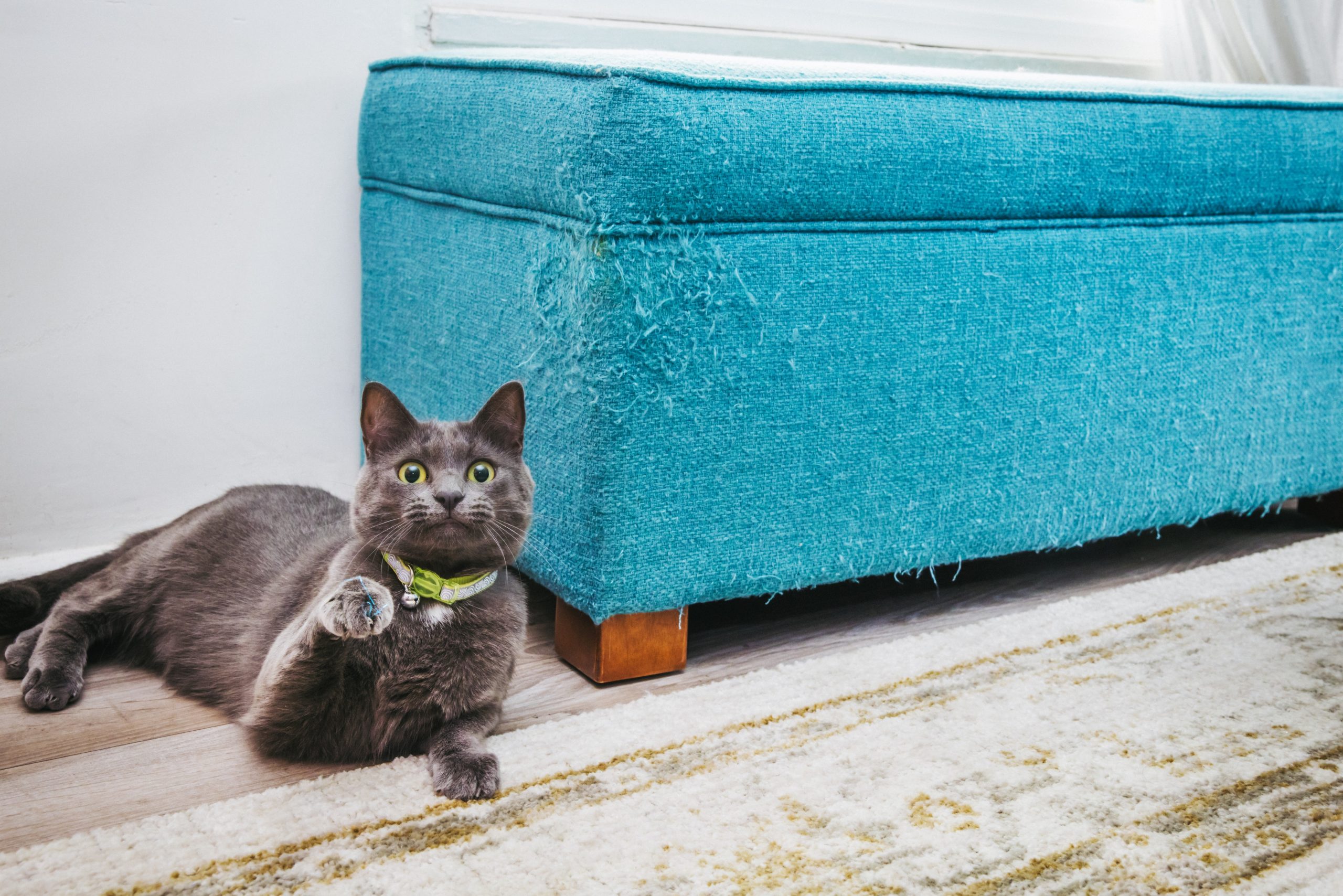
Is your furniture under siege from the tiny claws of your beloved cat? If you’re nodding your head, you’re not alone.
You love your feline friend, but their scratching habits are wreaking havoc on your beautiful couch. You’re probably wondering, “How do I stop my cat from scratching on furniture? ” Well, you’ve landed in the right place. Here, you’ll discover effective and easy-to-implement strategies to protect your cherished furniture while keeping your cat happy and healthy.
Get ready to transform your home into a peaceful haven where your cat can express itself without leaving a trail of destruction. Keep reading to unlock the secrets to a harmonious home environment for both you and your furry companion.
Understanding Cat Scratching Behavior
Cat owners often face the challenge of scratched furniture. Understanding cat scratching behavior is crucial for resolving this issue effectively. Cats scratch for various reasons, and recognizing these can help manage their actions without resorting to harsh measures.
Reasons Cats Scratch
Scratching is a natural part of a cat’s life. It helps them mark their territory. Cats have scent glands in their paws. When they scratch, they leave a scent behind. This communicates their presence to other cats. Scratching also helps them stretch their muscles. It’s a way to keep their bodies agile and fit.
Natural Instincts
Scratching is ingrained in a cat’s instincts. In the wild, cats scratch to sharpen their claws. This is vital for hunting and climbing. Even domestic cats retain this instinct. They need to maintain their claws for their own comfort. Scratching also helps cats relieve stress. It’s a soothing action when they feel anxious. Understanding these instincts allows owners to redirect scratching behavior.

Credit: www.wikihow.com
Preventive Measures
Cats can be deterred from scratching furniture by providing scratching posts. Cover furniture with protective materials. Use deterrent sprays to discourage their behavior.
Preventing your cat from scratching up your furniture can feel like a losing battle. But with the right preventive measures, you can keep both your feline friend and your beloved couch happy. Let’s dive into some practical steps you can take to redirect your cat’s natural scratching instincts away from your furniture.Choosing Scratching Posts
The first step is to choose the right scratching post. Cats are particular, so not just any post will do. Consider the material—many cats love sisal fabric because it’s tough and provides a satisfying scratch. Height is another crucial factor. A good scratching post should be tall enough for your cat to stretch fully. If your cat can’t extend, they might lose interest. Stability is key. A wobbly post won’t give your cat the resistance they crave. Look for posts that are sturdy and well-anchored.Placement Of Scratching Posts
Where you place the scratching post can make all the difference. You might think a corner of the room is perfect, but your cat may disagree. Place a scratching post near the furniture your cat likes to scratch. This way, they have an alternative nearby. Consider your cat’s favorite spots. If they love basking in the sunlight by the window, try placing a post nearby. It’s about making the post more appealing than your couch. Have you noticed your cat’s scratching habits change with time? Relocate the post accordingly. Being observant and adaptable can help maintain your furniture’s integrity. By focusing on these preventive measures, you can guide your cat to scratch in appropriate places, preserving your furniture and your peace of mind. Have you tried any of these strategies? What worked best for you?Training Techniques
Cats often scratch furniture to mark territory and sharpen claws. Redirect their behavior using scratching posts. Place these near favorite spots and encourage use by rewarding with treats.
Training your cat not to scratch your furniture requires patience and consistency. Cats scratch naturally to mark their territory and maintain their claws. However, with the right techniques, you can guide your feline friend to channel this behavior appropriately. Let’s dive into some effective training methods that can help you protect your beloved furniture while keeping your cat happy.Positive Reinforcement
Positive reinforcement is a powerful tool in training your cat. Reward your cat whenever they use a scratching post instead of your couch. You can offer treats, praise, or playtime as a reward. The key is to associate the desired behavior with something your cat enjoys. Have you ever noticed how quickly your cat learns to come for dinner when they hear the sound of a can opening? Use that same principle to encourage scratching in the right places.Redirecting Scratching
Redirecting your cat’s scratching behavior requires some creativity. Place scratching posts or pads near the furniture they tend to scratch. This makes it easy for your cat to choose the right option. You might find your cat prefers a specific material, like sisal or cardboard. Incorporate different textures to see what your cat likes. Ever caught your cat scratching the armchair while staring at you? They’re looking for your reaction. Redirect their attention with a toy or a gentle nudge toward the scratching post. Remember, every cat is unique. What works for one might not work for another. Have you tried any of these techniques with your cat? What surprised you about their response? Share your experiences with fellow cat owners in the comments.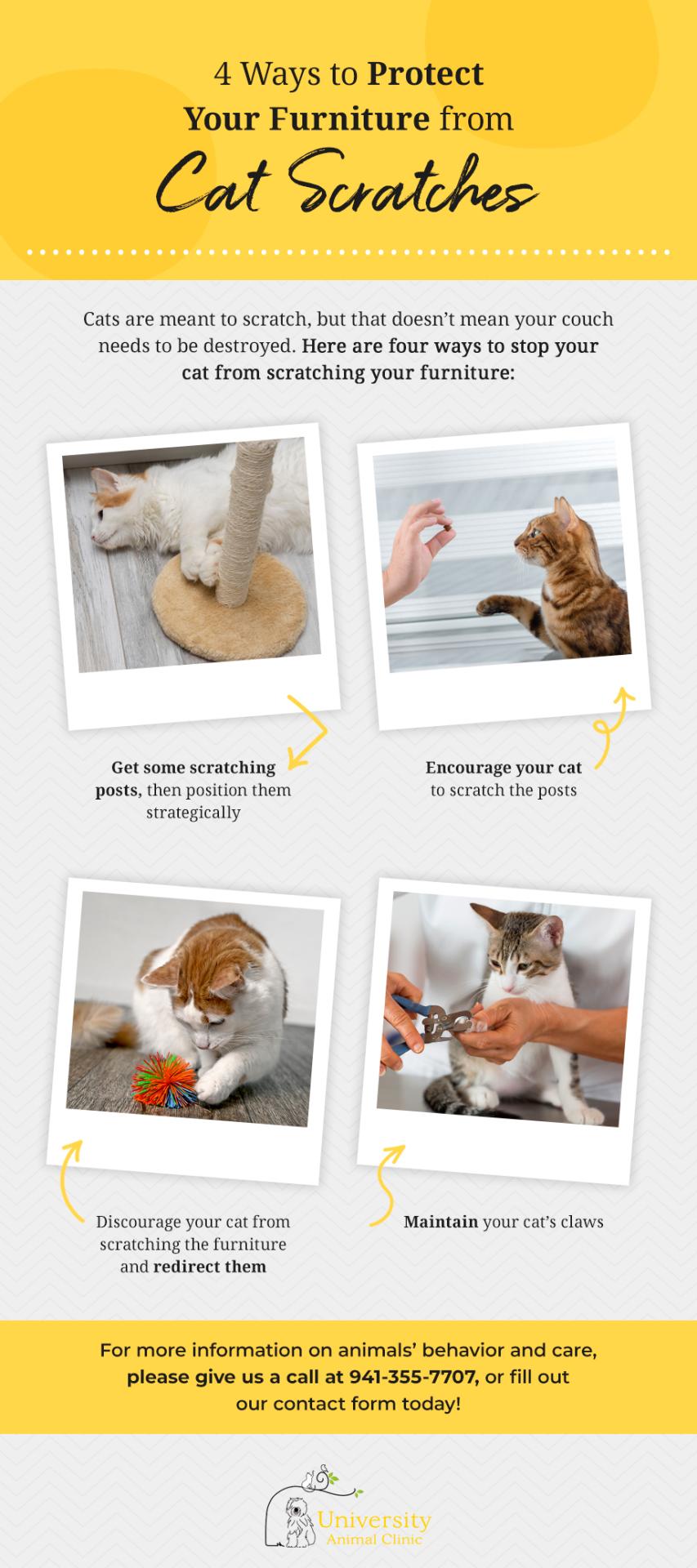
Credit: www.theuniversityanimalclinic.com
Protecting Furniture
Cats love to scratch, but you can protect your furniture with some simple tricks. Provide scratching posts nearby to redirect their attention. Cover furniture with protective materials or use deterrent sprays to keep your couches and chairs safe.
Protecting your furniture from cat scratches can sometimes feel like an uphill battle, but with the right strategies, you can keep both your kitty and your couch happy. Cats love to scratch—it’s in their DNA. It’s how they keep their claws sharp, mark their territory, and stretch their muscles. But this natural behavior doesn’t mean your furniture has to suffer. Let’s dive into some practical ways to safeguard your beloved pieces.Using Protective Covers
Protective covers can be a lifesaver. They shield your furniture and can be easily replaced or washed. Consider using slipcovers made from durable fabric that can withstand your cat’s claws. You might want to look for covers specifically designed for pet owners. These often have added features like waterproof lining or reinforced stitching. A good cover can extend the life of your furniture significantly. Another idea is to use blankets or throws. These not only protect but also add a splash of color to your room. Choose materials that your cat won’t find appealing to scratch.Applying Deterrents
Deterrents can be very effective in keeping your cat away from your furniture. There are sprays available that have scents cats dislike, such as citrus or lavender. You could also use double-sided tape on parts of your furniture. Cats hate the sticky feeling on their paws, and this can discourage them from scratching. In my own home, I found that a combination of both sprays and tape worked wonders. Has your cat been persistent in scratching? Sometimes, a little persistence on your part with deterrents can make a big difference. Protecting your furniture doesn’t mean you have to compromise on style or comfort. By using protective covers and applying deterrents, you can maintain a beautiful home and keep your feline friend happy. What methods have you tried to keep your cat from scratching your furniture?Alternative Solutions
Cats naturally scratch things. It’s how they keep their claws sharp. Scratching also marks territory. It can damage furniture, though. Finding solutions is important. You can try alternative methods. These are easy and effective.
Nail Trimming
Regular nail trimming helps a lot. Keep your cat’s nails short. It reduces damage to furniture. Use special cat nail clippers. Trim just the tip. Be careful with the quick. It can hurt if you cut it.
Soft Claws And Caps
Soft claws are small plastic caps. They cover the cat’s nails. Cats can still use their paws. The caps prevent furniture scratches. You can apply them at home. They come in different colors. Most cats get used to them quickly.

Credit: wb-iisg.com
Creating A Cat-friendly Environment
Preventing cats from scratching furniture involves providing scratch-friendly alternatives. Offer scratching posts or mats to divert their attention. Protect furniture with covers or repellents to discourage unwanted behavior.
Creating a cat-friendly environment is key to preserving your furniture from those curious claws. Cats scratch not to annoy you, but as a natural instinct. They do it to mark their territory, stretch, and keep their claws healthy. By creating an environment that caters to these needs, you can reduce unwanted scratching.Enrichment Activities
Cats need stimulation to stay happy and healthy. Engaging them with toys and activities can significantly reduce their interest in furniture. Have you tried puzzle feeders? They challenge your cat’s mind and keep them entertained. Feather wands and laser pointers can also spark their hunting instincts. Regular playtime is crucial. Spend just 15 minutes a day playing with your cat. This not only strengthens your bond but also tires them out, leaving less energy for destructive scratching. Remember, a tired cat is a satisfied cat.Providing Vertical Spaces
Cats love climbing and observing their environment from a high vantage point. By providing vertical spaces, like cat trees or shelves, you satisfy this natural behavior. Have you noticed how your cat perches on top of the fridge or a bookshelf? Offering designated spots for climbing can divert their attention from your furniture. Install shelves at different heights. This creates a playground for your cat to explore. Make sure these spaces are stable and safe to prevent accidents. Would your cat prefer a window view? Position a perch near a window for added entertainment. By enriching your cat’s environment and offering vertical spaces, you create a happier home for both your cat and your furniture. What changes will you make today to protect your beloved couch?Frequently Asked Questions
What Is The Best Way To Stop Cats From Clawing Furniture?
Provide a scratching post near furniture. Use double-sided tape or foil on furniture surfaces. Trim cat nails regularly. Offer toys to distract them. Use cat deterrent sprays on furniture.
What Can I Spray On My Furniture To Keep Cats From Scratching?
Use a citrus-scented spray to deter cats from scratching furniture. Cats dislike citrus smells. Ensure the spray is safe for fabrics. Alternatively, try using a commercial cat deterrent spray specifically designed for furniture. Regularly apply for best results and monitor cat behavior changes.
How Do You Scratch Proof Furniture From Cats?
Place scratching posts near furniture to attract cats. Use furniture covers or double-sided tape as deterrents. Trim cat claws regularly. Consider using citrus scents or sprays to repel cats. Provide toys and distractions to keep cats engaged.
How To Punish A Cat For Scratching A Couch?
Redirect your cat’s attention with toys or scratching posts. Use a firm voice to discourage bad behavior. Reward positive actions with treats. Use deterrent sprays on the couch. Consistency is key to modifying behavior. Avoid physical punishment, as it can cause stress and fear.
Conclusion
Stopping cats from scratching furniture requires patience and consistency. Use scratch posts. They offer a great alternative. Reward your cat for using them. This helps reinforce good habits. Keep nails trimmed to reduce damage. Try using protective covers on furniture.
Cats dislike certain textures. Consider using cat deterrent sprays. They keep cats away from furniture. Understand your cat’s needs and behavior. Provide toys for play and exercise. A happy cat scratches less on furniture. With these tips, your furniture stays scratch-free.
And your cat remains content. A win-win for both.

Similar Posts