What is the Hairless Cat Called: Unveiling the Mystery
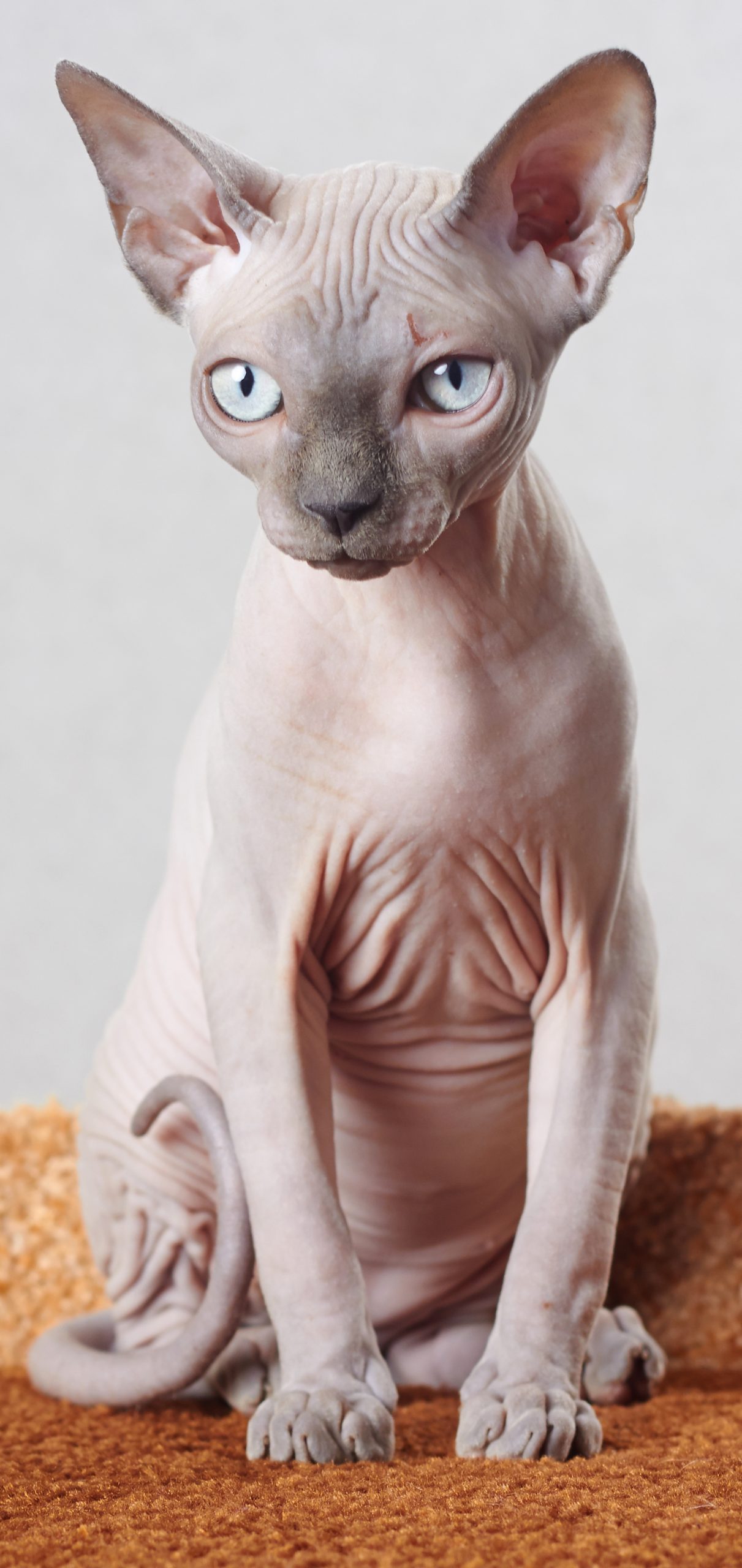
Picture this: a cat that doesn’t shed fur all over your furniture, doesn’t trigger your allergies, and looks like it stepped straight out of a sci-fi movie. Intrigued?
You’re not alone. Hairless cats, with their unique appearance and charming personalities, have captured the hearts of animal lovers worldwide. But what is this fascinating feline called? If you’ve ever found yourself wondering about these striking creatures, you’re in the right place.
You’ll discover the name of the hairless cat, explore its origins, and learn why it might just be the purr-fect pet for you. So, if you’re curious about what makes this cat so special and whether it’s the right fit for your home, keep reading—you won’t want to miss a thing!
Origins Of Hairless Cats
When you first encounter a hairless cat, you might be intrigued by its unique appearance. The origins of hairless cats are as fascinating as their look. Understanding where these cats come from can deepen your appreciation for these extraordinary animals.
Historical Background
Hairless cats have a rich history that dates back to ancient times. While the modern-day Sphynx cat is well-known, ancient civilizations like the Aztecs had their versions of hairless cats. The Aztec cats were revered for their unusual traits, much like the Sphynx today.
During the 20th century, the hairless cat gained popularity after a spontaneous genetic mutation. You might find it surprising that the first recognized hairless cat, named Prune, was born in Canada in 1966. This marked the beginning of a breed that would captivate cat lovers worldwide.
Genetic Factors
The hairlessness in these cats is primarily due to a genetic mutation. This mutation affects the hair follicles, preventing fur from growing normally. The gene responsible, known as the “hr” gene, is recessive, meaning both parent cats must carry it to produce hairless offspring.
If you’re wondering about the health implications, hairless cats are generally healthy, although they require special care. Without a fur coat, they can be sensitive to temperature changes and need regular skin care. It’s a small price to pay for owning such a unique pet.
Have you ever considered the appeal of owning a hairless cat? Their distinct look and captivating history make them a fascinating addition to any household. Would you embrace a pet that challenges the norms of feline appearance?
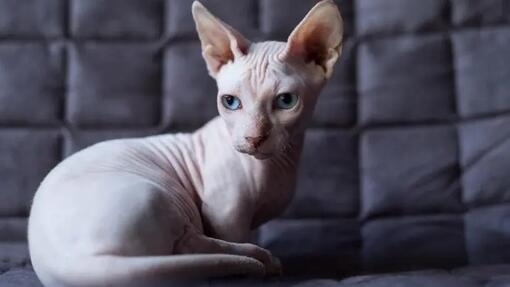
Credit: www.purina-arabia.com
Popular Hairless Cat Breeds
Hairless cats are unique and intriguing. They stand out with their bare skin. Many people find them charming and mysterious. Different breeds have different traits. Some are playful, while others are calm. Let’s explore some popular hairless cat breeds.
Sphynx Cats
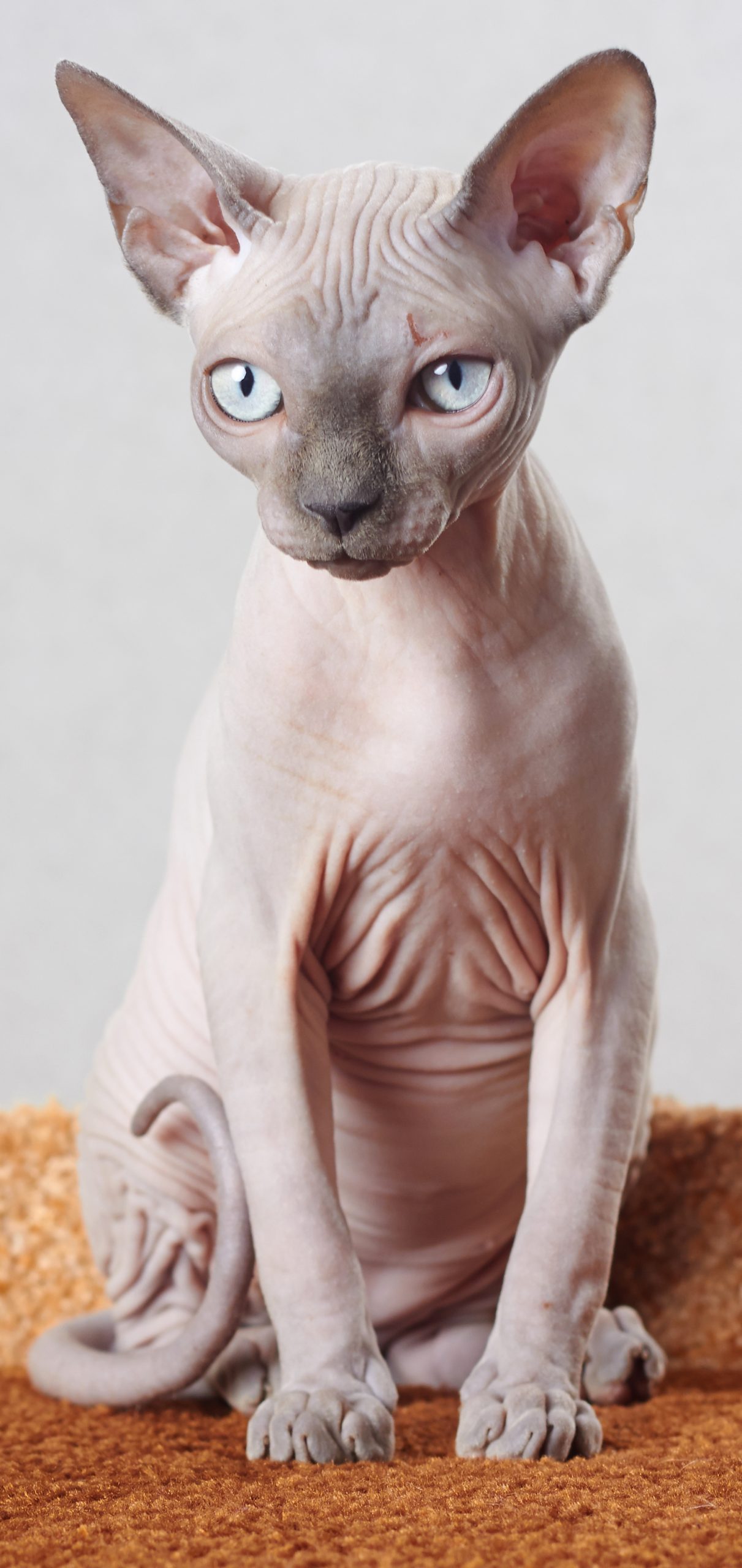
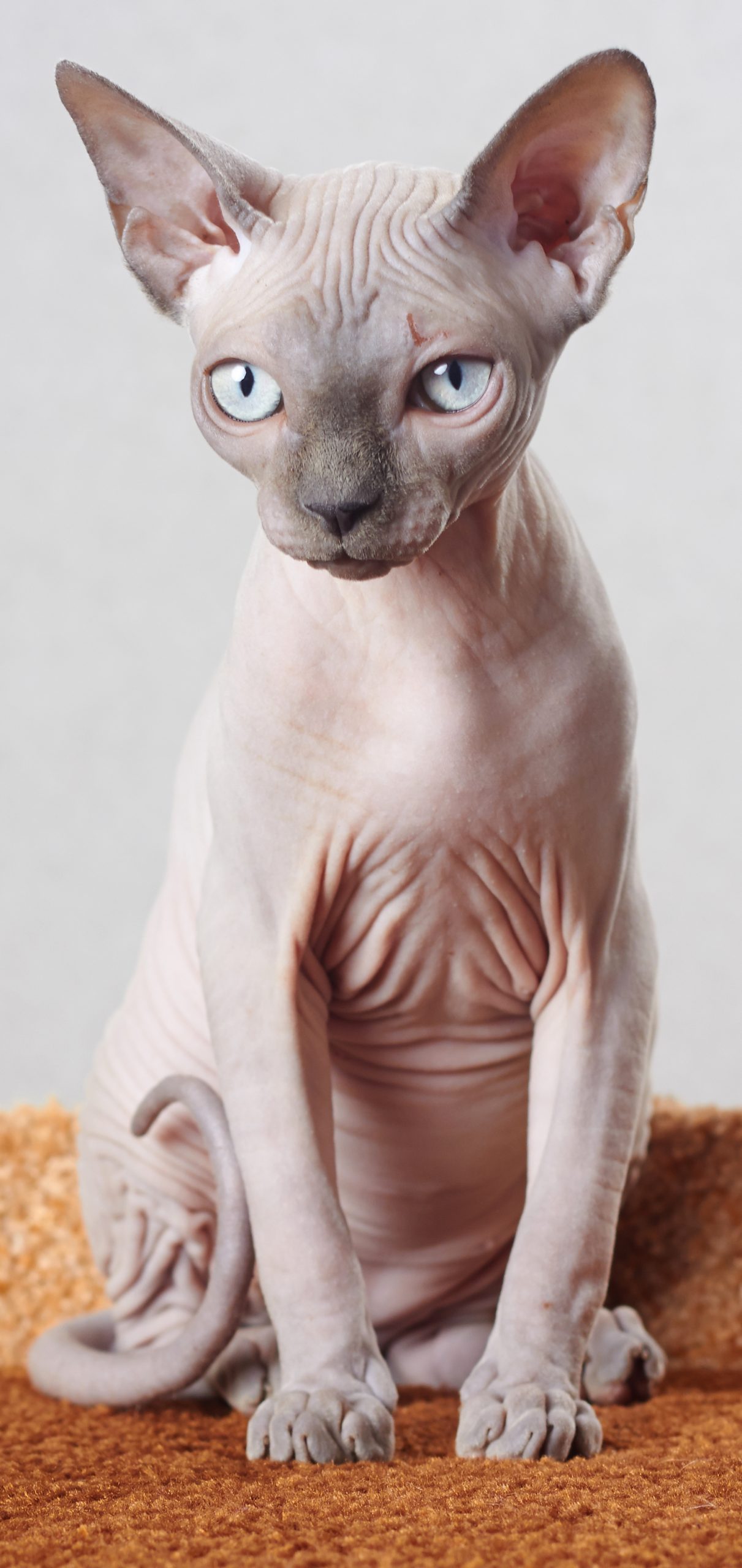
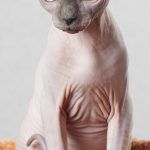
Sphynx cats are the most famous hairless breed. They have a wrinkled skin and big ears. These cats love attention and are very social. They often seek warmth, cuddling with their owners. Sphynx cats come in many colors and patterns. Their skin feels like soft suede.
Peterbald Cats
Peterbald cats come from Russia. They can be completely hairless or have a little fuzz. Their body is slender and graceful. Peterbalds are friendly and affectionate. They enjoy spending time with their families. Their appearance is elegant and striking.
Donskoy Cats
Donskoy cats are also from Russia. They can be hairless or have a thin coat. Their skin is warm and elastic. Donskoys are active and curious. They love exploring their surroundings. These cats form strong bonds with their owners.
Bambino Cats
Bambino cats are a mix of Sphynx and Munchkin breeds. They are hairless and have short legs. Their appearance is adorable and unique. Bambinos are playful and energetic. They are great companions for families. Their small size adds to their charm.
Unique Traits Of Hairless Cats
Hairless cats, also known as Sphynx cats, stand out. Their distinct appearance and personality make them fascinating pets. These cats are known for their unique physical and behavioral traits. They offer an experience unlike other feline companions.
Physical Characteristics
Hairless cats lack a fur coat. Their skin feels warm and soft. They have loose skin with visible wrinkles. Large ears and almond-shaped eyes are common. These cats come in various colors and patterns.
Despite their hairless appearance, they need regular grooming. Their skin produces oils, requiring frequent baths. This keeps them clean and healthy. Their skin is sensitive to sunlight. They may need sunscreen for protection.
Behavioral Traits
Hairless cats are friendly and social. They enjoy human interaction. They often follow their owners around the house. These cats are known for their playful nature. They love engaging in activities and games.
They are intelligent and curious. They explore their surroundings with enthusiasm. Hairless cats can adapt well to new environments. They often get along with other pets. Their affectionate nature makes them great companions.
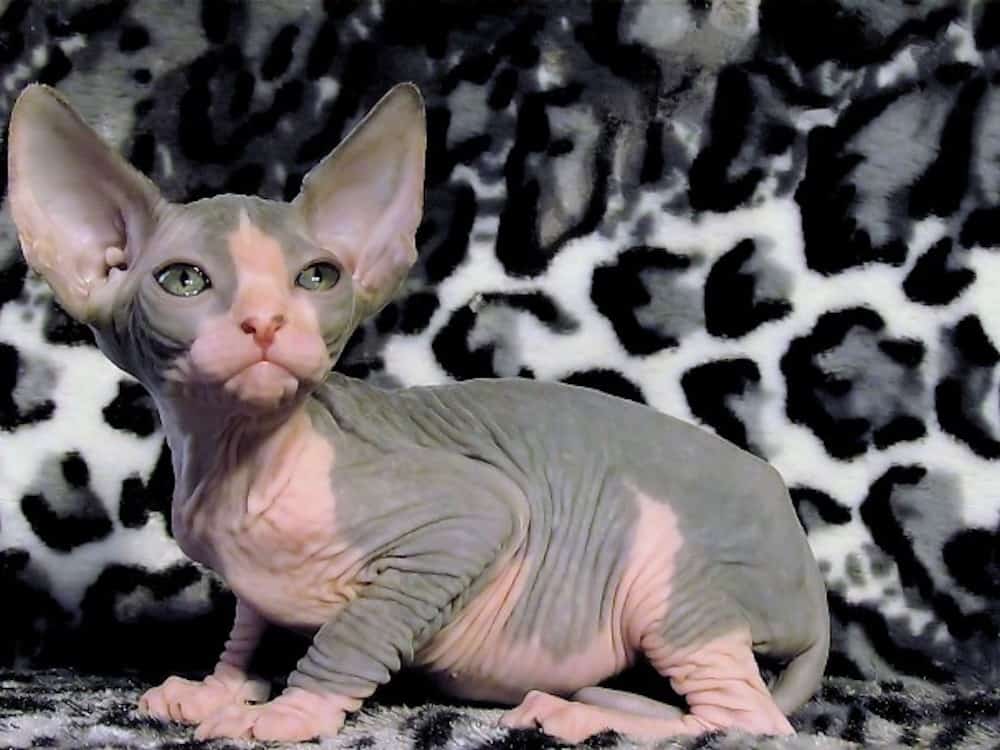
Credit: www.coopsandcages.com.au
Care Requirements
Caring for a hairless cat requires special attention. Their lack of fur presents unique needs. These needs ensure their health and happiness. Understanding these requirements helps maintain their well-being. Let’s explore the essential care aspects for these feline friends.
Skin Care
Hairless cats need regular skin care. Without fur, their skin is exposed. Dirt and oils build up easily. Bathing them weekly helps keep their skin clean. Use a gentle, cat-friendly shampoo. Avoid harsh chemicals. After bathing, dry them thoroughly. Moisturize their skin if needed. Consult a vet for suitable products.
Dietary Needs
Their metabolism is higher than other cats. They need more calories to maintain body heat. Feed them a balanced diet. High-quality cat food is essential. Ensure it contains proteins and fats. Avoid feeding them human food. Consult a vet for dietary advice. Fresh water should always be available.
Temperature Sensitivity
Hairless cats are sensitive to temperature changes. They feel cold easily. Keep their living area warm. In colder months, provide cozy blankets. Avoid drafts and cold surfaces. In summer, prevent sunburn. Ensure they have shaded areas. Indoor temperatures should be consistent. Protect them from extreme weather conditions.
Myths And Misconceptions
The hairless cat, often known as the Sphynx, intrigues many people. Their unique appearance stirs up many myths and misconceptions. These misunderstandings can lead to confusion about their care and behavior. Let’s explore some common myths about these fascinating creatures.
Common Misunderstandings
One popular myth is that hairless cats are hypoallergenic. Many assume no hair means no allergies. This is not entirely true. Allergies are often due to skin oils, not fur. Hairless cats produce these oils, just like other cats. Another common misunderstanding is about their warmth. People think they are always cold. Sphynx cats regulate their body temperature well. They might seek warmth, but they are not freezing.
Fact Vs. Fiction
Fiction says hairless cats are high maintenance. Many believe they need constant care. Reality shows they are quite manageable. Regular bathing is necessary to remove excess oils. This is different from fur grooming, but not overwhelming. Fiction also claims they have a fragile health. This is misleading. Sphynx cats are generally healthy. They need regular vet visits, like any pet. Understanding these facts helps dispel myths.
:max_bytes(150000):strip_icc():focal(602x0:604x2)/xherdan-cat-2-1a0a928c0605461f851e49fb5b5f29af.jpg)
Credit: people.com
Popularity And Cultural Impact
The hairless cat, known as the Sphynx, has gained popularity for its unique appearance. Its striking look sparks curiosity and admiration, influencing fashion and pop culture. This breed’s fame continues to grow worldwide.
Hairless cats, often called Sphynx cats, captivate many pet lovers. Their unique appearance and playful nature make them stand out. Over the years, their popularity has surged. They have gained a special place in pop culture. From celebrity endorsements to media representation, their influence is vast. These cats are more than just pets. They have become cultural icons in their own right.Celebrity Influence
Many celebrities adore hairless cats. Their presence in celebrity homes boosts their fame. Stars like Taylor Swift and Dita Von Teese own Sphynx cats. This association with celebrities has sparked interest among fans. It drives people to learn more about these unique felines. The trend of celebrity ownership continues to grow. As more stars showcase their hairless companions, their popularity rises.Media Representation
Hairless cats appear frequently in movies and TV shows. Their distinct look makes them memorable characters. Films like “Austin Powers” feature a hairless cat as a villain’s pet. This portrayal adds to their intrigue and mystique. Cartoons and animations often include them for comic relief. Their roles in media help shape public perception. People become more curious about owning them. As they continue to appear in media, their cultural impact expands. `Frequently Asked Questions
How Much Does A Sphynx Cat Cost?
A Sphynx cat typically costs between $1,500 and $3,000. Prices vary based on breeder reputation and location. Consider additional expenses for grooming, health checks, and feeding when budgeting. Always choose a reputable breeder to ensure the health and quality of your Sphynx cat.
Are Sphynx Cats Evil?
Sphynx cats are not evil. They are affectionate and social pets. Their hairless appearance might seem unusual, but they are known for their playful and loving nature. These cats enjoy human companionship and often form strong bonds with their owners.
Proper care ensures they thrive in a loving home.
Are Sphynx Cats From Egypt?
Sphynx cats are not from Egypt. They originated in Canada during the 1960s. Despite their name, they have no Egyptian ancestry. Their hairless appearance led to the name “Sphynx,” reminiscent of the ancient Egyptian statues. These cats are known for their affectionate nature and unique look.
What Is The Skinny Cat Called?
The skinny cat is commonly called an “Oriental Shorthair. ” This breed is known for its slender, elegant appearance. They are closely related to the Siamese and have a sleek, muscular body. Oriental Shorthairs are playful, affectionate, and come in various colors and patterns.
Conclusion
The hairless cat, often called the Sphynx, captivates many. Its unique look and playful nature charm cat lovers. These cats are known for their affectionate behavior. They often seek warmth and love from their owners. Regular care keeps their skin healthy and clean.
This breed requires special attention, but the bond is rewarding. Perfect for those seeking a loyal, loving companion. Understanding their needs ensures a happy, healthy pet. So, if you want a unique feline friend, consider the Sphynx. Their endearing quirks and warmth might just steal your heart.

Similar Posts