How to Help Cat Pass Hairball: Effective Solutions
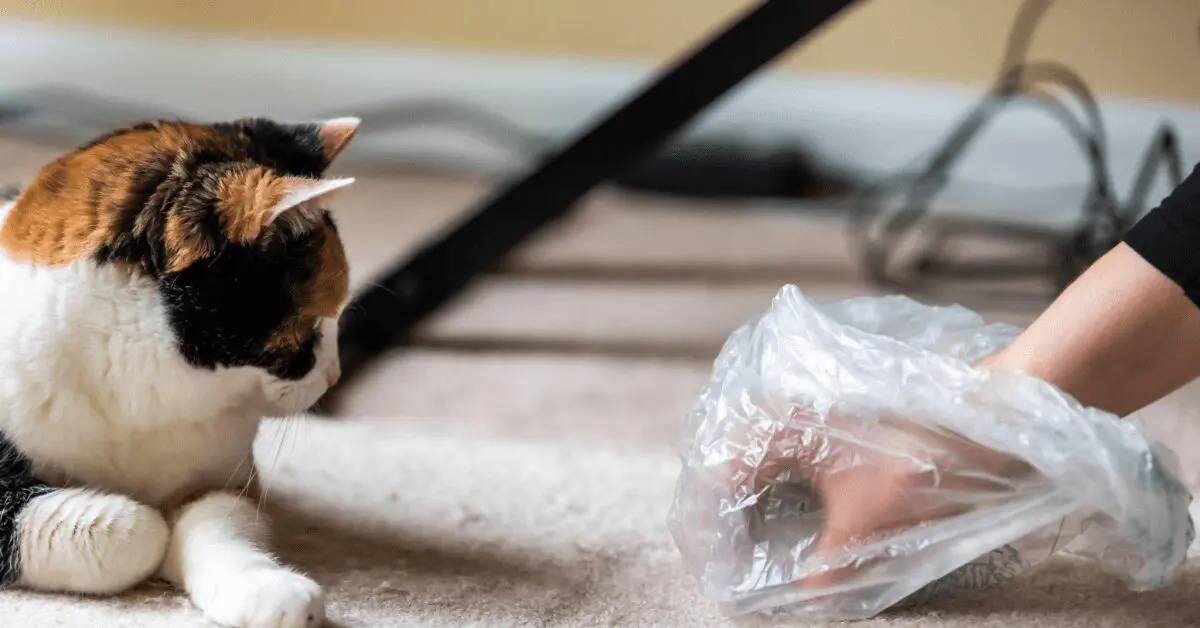
If you’re a cat owner, you know the struggle of dealing with hairballs. These pesky clumps of fur not only make a mess but can also be uncomfortable for your furry friend.
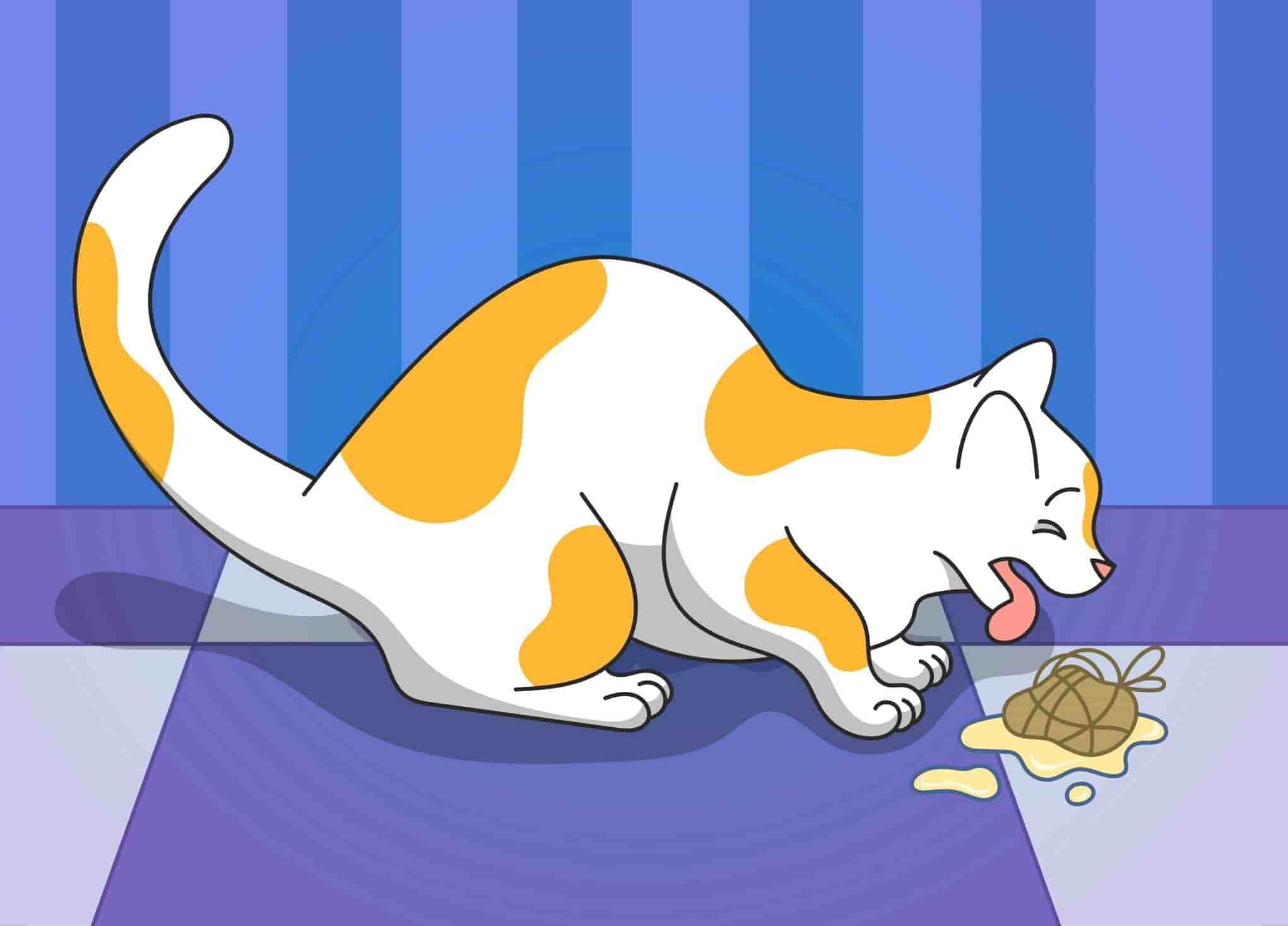
Watching your cat hack and cough is not a pleasant sight, and you’re probably wondering how to help them pass hairballs with ease. You’re not alone. Many cat owners face this issue, and the good news is, there are simple ways to help your cat.
You’ll discover effective techniques and tips to ease your cat’s discomfort and keep those hairballs at bay. Ready to make life easier for both you and your feline companion? Keep reading, and let’s get started on making your cat’s hairball troubles a thing of the past.
Causes Of Hairballs
Hairballs are a common yet unpleasant issue for many cat owners. Understanding the causes can help you manage this problem effectively. Cats are meticulous groomers, often leading to hairballs forming in their digestive tract. Various factors contribute to hairball formation, with natural grooming behavior and fur type being significant ones.
Natural Grooming Behavior
Cats spend a large portion of their day grooming themselves. This behavior is rooted in their instinct to keep clean and maintain body temperature. As a result, they ingest a considerable amount of hair. While most of this hair passes through their digestive system, some may accumulate and form a hairball. You may have noticed your cat grooming more during shedding seasons, which increases hairball formation. Have you ever wondered why grooming seems almost meditative for cats? It’s not just about cleanliness; it’s a soothing ritual for them.
Impact Of Fur Type
The type of fur your cat has can significantly affect hairball formation. Long-haired breeds like Persians and Maine Coons are more prone to hairballs due to the volume of fur they shed. Even short-haired cats can experience hairballs, but the frequency may be lower. You might think that trimming your cat’s fur could solve the problem, but regular grooming is often more effective. It’s interesting how fur type can dictate grooming needs, isn’t it? Consider adjusting your grooming routine based on your cat’s fur type to prevent hairballs.
Understanding these causes empowers you to take proactive measures. Regular grooming and a suitable diet can alleviate hairball issues. Have you tried brushing your cat daily or changing their diet? These small changes can make a big difference. By addressing these underlying causes, you help your cat stay comfortable and healthy.
Recognizing Hairball Symptoms
Hairballs are a common issue for many cats. Cats groom themselves often, which leads to hair ingestion. Sometimes, this hair forms a mass in their stomach. Recognizing hairball symptoms can help your cat feel better. Knowing what to watch for is crucial.
Common Signs
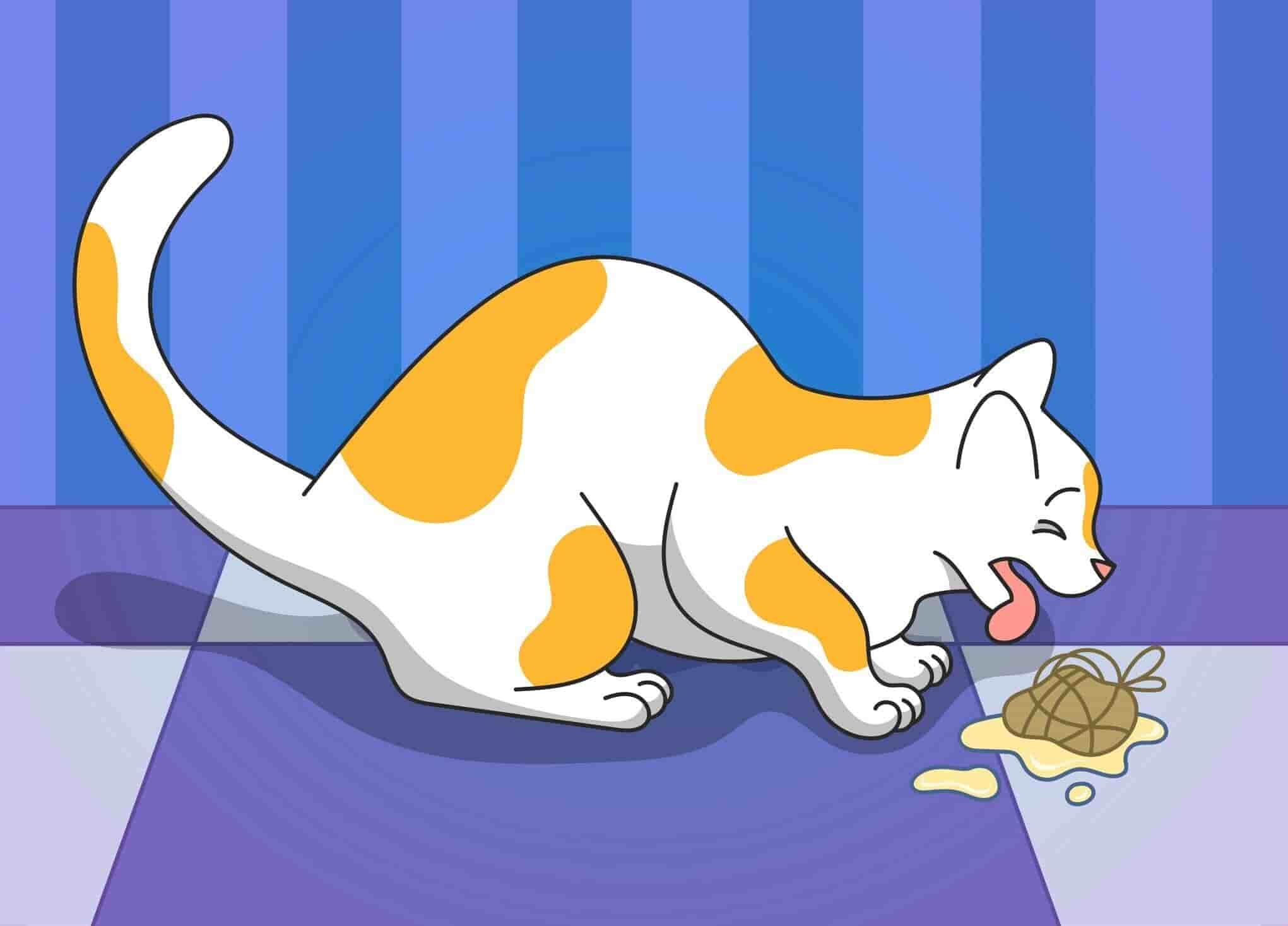
Cats with hairballs might show several symptoms. One common sign is retching. Your cat may try to vomit but only bring up a hairball. Coughing is another symptom. It may sound like a dry cough. Your cat might also have a decreased appetite. They could eat less or seem uninterested in food. Watch for constipation too. Hairballs can block the digestive tract.
When To Seek Veterinary Care
Some symptoms need a vet’s attention. If your cat can’t vomit a hairball, see a vet. This could mean a blockage. Persistent vomiting is another warning sign. If your cat vomits often, consult your vet. Loss of appetite lasting more than a day is serious. Weight loss is also concerning. Seek help if your cat loses weight. Lethargy is another red flag. If your cat is unusually tired, contact a vet.
Dietary Adjustments
Your furry friend may sometimes struggle with hairballs, an unpleasant reality for many cat owners. Luckily, the right dietary adjustments can make a world of difference. By tweaking your cat’s diet, you can help them pass hairballs more easily and improve their overall digestive health. Let’s dive into two key areas of dietary adjustments that can aid your kitty.
High Fiber Foods
Fiber is a crucial component in helping your cat’s digestive system work smoothly. Adding high fiber foods to their diet can assist in moving hair through their system more efficiently. You might consider incorporating some pumpkin into your cat’s meals. It’s not only a good source of fiber but also a tasty treat.
Another option is to switch to a cat food labeled as “high fiber”. Many brands offer recipes specifically designed to aid with hairballs. Be sure to check the label for ingredients like cellulose and beet pulp, which are fantastic fiber sources. Have you noticed any changes in your cat’s digestion after trying high fiber foods?
Specialized Cat Treats
Specialized cat treats formulated for hairball control can be a game changer. These treats often contain natural oils or lubricants that help the hair move through the digestive tract. They can make a delicious and beneficial addition to your cat’s daily routine.
Look for treats with ingredients like salmon oil or omega-3 fatty acids. These not only help with hairballs but also support a shiny coat and healthy skin. Offering these treats regularly can provide your cat with essential nutrients while keeping those pesky hairballs at bay. Have you ever tried these treats for your cat? How did they respond?
Dietary adjustments can be a simple yet effective way to help your cat manage hairballs. With the right choices, you can ensure your kitty stays comfortable and healthy.
Credit: petcube.com
Regular Grooming Techniques
Regular grooming is key in helping your cat pass hairballs. Cats groom themselves often, leading to hairballs. You can reduce this by using effective grooming techniques. These methods help maintain your cat’s coat and overall health.
Brushing Methods
Brushing your cat’s fur removes loose hair. This reduces the chances of hairballs forming. Use a brush suited for your cat’s fur type. Long-haired cats may need daily brushing. Short-haired cats might need it a few times a week.
Start brushing gently from head to tail. Be gentle around sensitive areas. Keep sessions short to avoid stressing your cat. Regular brushing keeps the coat smooth and reduces shedding.
Bathing Tips
Bathing is another way to reduce excess hair. Cats do not need frequent baths. Once a month is usually enough. Use cat-friendly shampoo to avoid skin irritation.
Be gentle and calm during bath time. Rinse thoroughly to remove all shampoo. Dry your cat with a towel to prevent chills. Always reward your cat after grooming sessions. This makes future grooming easier.
Hydration Importance
Dealing with hairballs can be a common issue for cat owners. One effective way to help your cat pass hairballs is by ensuring they stay hydrated. Water plays a vital role in their digestive process and can help ease the passage of hairballs. But how can you make sure your cat drinks enough water?
Encouraging Water Intake
Getting your cat to drink more water can be a challenge. Cats are notorious for not drinking as much as they should. You can try placing multiple water bowls around your home, making it more convenient for them. Sometimes, using cat fountains can intrigue them and encourage drinking. Have you ever noticed your cat loves playing with running water?
Another tip is to experiment with bowl materials. Some cats prefer ceramic over plastic or metal, so switching the bowl might make a difference. Sometimes, adding a few ice cubes can make water more interesting for your cat. What quirky methods have worked with your furry friend?
Benefits Of Wet Food
Wet food is another excellent way to boost your cat’s hydration. It contains significantly more moisture compared to dry kibble. This additional moisture can help in the digestive process, making it easier for hairballs to pass through.
By incorporating wet food into your cat’s diet, you not only increase their water intake but also provide variety in their meals. Have you ever noticed how eagerly your cat devours wet food compared to dry food? Mixing it up keeps them interested and ensures they stay hydrated.
Wet food is also known to be palatable and can be particularly appealing to picky eaters. If your cat is stubborn about drinking water, feeding them wet food might be a clever workaround. What kind of wet food does your cat enjoy the most?
Hydration is key in helping your cat pass hairballs smoothly. By encouraging water intake and offering wet food, you can make a significant difference in their digestive health. What steps will you take to ensure your cat stays hydrated?

Credit: www.youtube.com
Use Of Hairball Remedies
Cats often groom themselves with their tongues, leading to hair ingestion. This can cause hairballs, which are uncomfortable for your feline friend. Hairball remedies can help your cat pass these easily. Let’s explore some options to make your cat’s life more comfortable.
Over-the-counter Solutions
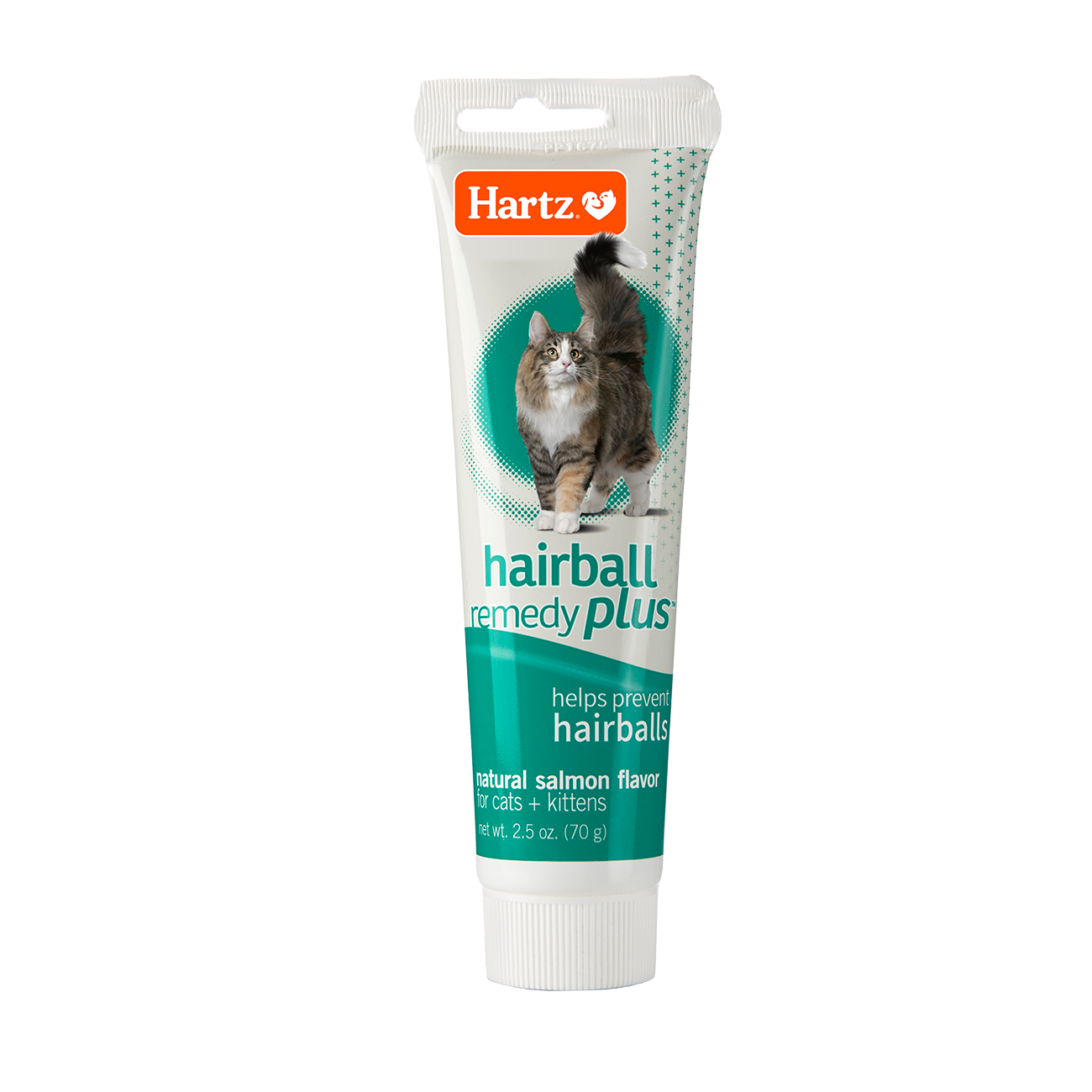
Many pet stores offer over-the-counter hairball remedies. These usually come in paste or gel form. They help lubricate your cat’s digestive tract. This makes it easier for the hairball to pass through. Always follow the dosage instructions on the label. Some popular brands include Laxatone and Sentry Hairball Relief. These products are generally safe for most cats.
Natural Alternatives
Natural remedies can also aid in hairball management. Olive oil can be added to your cat’s food. A teaspoon once a week can help. It acts as a lubricant for their digestive system. Pumpkin is another natural option. It adds fiber to your cat’s diet. Fiber can help move hairballs through the digestive tract. Ensure the pumpkin is plain and unseasoned. Always consult your vet before trying new remedies.
Preventive Measures
Cats often groom themselves, leading to the ingestion of hair. Hairballs can form in their stomachs. They can cause discomfort or even health problems. Preventive measures can help reduce hairball formation. These steps can ensure your cat’s comfort and well-being. Let’s explore some effective strategies to prevent hairballs.
Anti-hairball Products
Many anti-hairball products are available for cats. Hairball control treats are popular. They contain fibers to help pass hair through the digestive system. Specialized cat foods can also help. These foods are formulated to reduce hairball formation. They often contain higher fiber content. Lubricants are another option. They ease the passage of hair through the gut. Always choose products that suit your cat’s needs. Consult your vet for the best recommendations.
Creating A Hairball-friendly Environment
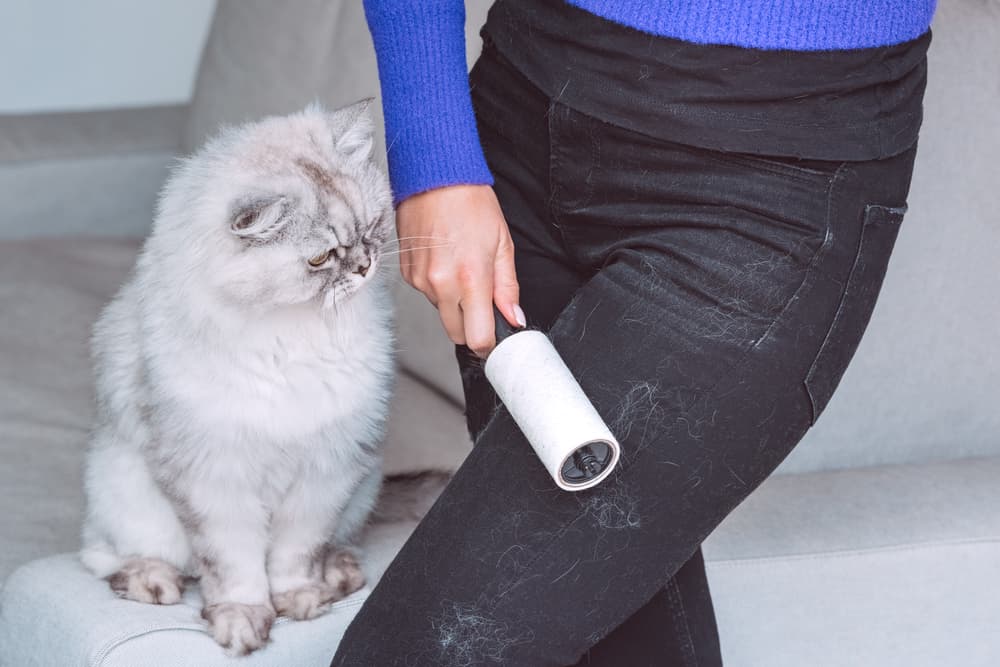
A hairball-friendly environment can make a big difference. Regular grooming is essential. Brush your cat’s fur often to remove loose hair. Short-haired cats need less grooming. Long-haired breeds require more frequent brushing. Keep your home clean to reduce shedding. Vacuum carpets and furniture regularly. Provide your cat with a balanced diet. Proper nutrition strengthens their coat, reducing shedding. Encourage play and exercise. It helps with digestion and reduces stress. A calm cat is less likely to over-groom.
Credit: www.pumpkin.care
Frequently Asked Questions
How Can I Help My Cat With A Stuck Hairball?
Help your cat by offering fresh water and fiber-rich food. Encourage gentle exercise to aid digestion. Consult a vet if discomfort persists. Regular grooming reduces hairball formation. Use hairball-control products if necessary.
What Happens If A Cat Can’t Cough Up A Hairball?
A cat unable to cough up a hairball may experience digestive blockages. This can lead to vomiting, constipation, or loss of appetite. Seek veterinary help if symptoms persist, as untreated blockages can cause serious health issues. Regular grooming and hairball remedies can help prevent future problems.
What Are Hairballs In Cats?
Hairballs are clumps of fur ingested by cats during grooming. They can accumulate in the stomach, causing discomfort or digestive issues. Helping your cat pass them is essential for their health.
How Can I Help My Cat Pass Hairballs?
To help your cat pass hairballs, provide hairball formula cat food. Encourage regular grooming to reduce loose fur ingestion. Consider using hairball remedy products.
Conclusion
Helping your cat pass hairballs is important for their health. Regular grooming can greatly reduce hairball issues. A balanced diet with fiber helps digestion. Hydration is key, so ensure your cat drinks enough water. Special hairball treats or supplements can aid in prevention.
Always monitor your cat’s behavior for any changes. Consult a vet if problems persist. Remember, simple actions can make a big difference. Your cat will feel better with less hairball trouble. Keep an eye on your furry friend, ensuring they stay healthy and happy.

Similar Posts