How Do I Train a Cat: Expert Tips for Success

Training a cat might seem like a daunting task, but it’s entirely possible with the right approach. You may have heard that cats are independent and can’t be trained, but that’s just a myth.
Imagine the joy of having your feline friend come when called or even perform a few tricks. You’re about to discover how you can turn these possibilities into reality. By understanding your cat’s unique behaviors and motivations, you can create a rewarding experience for both you and your pet.
The key lies in using techniques that tap into your cat’s natural instincts. As you read on, you’ll learn simple yet effective methods that cater to your cat’s personality, ensuring a stress-free and enjoyable training process. Ready to enhance your bond with your cat like never before? Let’s dive in.
Choosing The Right Environment
Training a cat requires more than just patience and treats. The right environment plays a crucial role. A cat’s surroundings influence its learning and comfort levels. A calm and structured environment encourages better focus and adaptability. This section will guide you in setting up the perfect training space for your feline friend.
Creating A Safe Space
Cats need a secure area to thrive. Choose a quiet corner of your home. Ensure it’s free from loud noises and sudden movements. Use soft bedding to make it cozy. Add a few toys to keep your cat engaged. A safe space helps reduce anxiety during training sessions.
Minimizing Distractions
Distractions can hinder your cat’s learning. Remove unnecessary items from the training area. Limit access to windows where outside activity might draw their attention. Turn off TVs and radios to maintain a quiet setting. Keeping distractions at bay aids concentration and effectiveness.
Understanding Cat Behavior
Training a cat involves patience and understanding their unique behaviors. Start with simple commands, using treats for positive reinforcement. Consistent practice and gentle encouragement help build a trusting relationship with your feline friend.
Understanding cat behavior is crucial if you want to train your cat effectively. Cats are independent and often misunderstood creatures. Knowing what drives them can help you communicate better and create a strong bond.Common Cat Traits
Cats are known for their curiosity and playfulness. They love to explore and investigate their surroundings. If you’ve ever seen a cat squeezing into a tiny box, you know they adore tight spaces. They are also territorial. Cats often rub against furniture or even your legs to mark their territory with scent glands. This is their way of saying, “This is mine.” Cats can also be quite aloof. Unlike dogs, they don’t always come running when called. This doesn’t mean they don’t care. They just prefer to engage on their own terms.Reading Body Language
Understanding a cat’s body language can give you insights into their mood. A cat with a high tail is usually happy and confident. If the tail is puffed up, they might be scared or agitated. Pay attention to their ears. Forward-facing ears mean they are curious or listening. Flattened ears often indicate anger or fear. You should also watch their eyes. Slow blinking is a sign of trust and affection. If they stare at you with wide eyes, they might be nervous or excited. Have you noticed how your cat kneads with their paws? This is a behavior from kittenhood, showing contentment and security. When you understand these signals, training becomes easier and more enjoyable. You can tailor your approach to suit their mood and personality. Remember, every cat is unique. What works for one might not work for another. So, take the time to observe and learn about your feline friend. How well do you know your cat’s signals?Setting Realistic Goals
Training a cat requires patience and clear objectives. Start by setting realistic goals. This approach helps both you and your feline friend. Clear targets make progress measurable. It also reduces frustration. Both yours and your cat’s.
Remember, every cat is unique. Their personalities vary. Some learn quickly. Others need more time. Set goals that reflect your cat’s pace. This ensures a positive training experience.
Short-term Objectives
Begin with simple tasks. Teach your cat to come when called. Use treats as rewards. Cats respond well to positive reinforcement. Be consistent. Repetition helps them learn.
Introduce one new command at a time. Keep sessions short. Five to ten minutes is ideal. This prevents your cat from losing interest. Celebrate small victories. They build confidence in your cat.
Long-term Success
Long-term goals require patience. Aim to teach complex tricks over time. Gradually increase difficulty. For example, train your cat to sit or stay. Use consistent cues and rewards.
Track progress. Adjust goals as needed. Your cat’s comfort is key. Training should be a bonding experience. It strengthens your relationship. Success comes with persistence and understanding.
Positive Reinforcement Techniques
Training a cat using positive reinforcement involves rewarding desired behaviors with treats or affection. This method encourages cats to repeat actions like using a litter box or scratching posts. Consistency and patience are essential for effective training.
Training a cat might seem like a daunting task, but with positive reinforcement techniques, it can be a rewarding experience for both you and your feline friend. Cats respond well to encouragement and rewards, making them eager to learn and participate. By focusing on positive reinforcement, you can create a nurturing environment that motivates your cat to adopt desirable behaviors.Reward Systems
Effective reward systems are key to successful cat training. Identify what your cat loves—be it treats, toys, or affection—and use them as incentives. Every time your cat performs the desired action, immediately reward it with something it enjoys. Consider keeping a bowl of treats nearby during training sessions. You might find that your cat becomes more attentive and willing to engage when it knows a tasty morsel is at stake. Consistency is crucial. Regularly rewarding your cat for good behavior will reinforce the actions you want it to remember. How do you ensure your cat remains interested in training?Avoiding Punishment
Punishment can lead to fear and anxiety in cats, hindering their learning process. Focus on what you want your cat to do rather than what you want it to stop doing. Redirect negative behavior by encouraging positive alternatives. If your cat scratches furniture, offer a scratching post. Reward it when it uses the post instead of the couch. This teaches your cat the preferred behavior without instilling fear. Consider how you would want to be treated during a learning process. Would you respond better to encouragement or punishment? Treat your cat with the same kindness. Remember, patience is vital. Cats might not learn overnight, but with consistent positive reinforcement, you’ll see progress. How can you make training a fun experience for your cat?Essential Training Commands
Training a cat might seem challenging, but it can be rewarding. Essential training commands help establish communication and understanding. These commands ensure your cat behaves well and stays safe. They make interactions smoother and improve your bond. Focus on consistency and patience while training.
Sit And Stay
Teaching your cat to sit is a useful command. Start with a treat in hand. Hold it above your cat’s head. Move it slowly backward. This motion encourages sitting. Once your cat sits, reward them with the treat. Repeat until they understand. Use the word “sit” as you train. This helps them associate the action with the word.
After mastering “sit,” introduce “stay.” Have your cat sit first. Slowly step back while saying “stay.” If they follow, return them to the sitting position. Reward when they stay put. Gradually increase the distance and duration. Patience is key in this process.
Come When Called
Training your cat to come is essential for safety. Start with their favorite treat or toy. Call their name and show the treat. Use a cheerful tone. Reward them when they come to you. Repeat this process regularly. Ensure each call is positive and rewarding.
Consistency builds trust and understanding. Use the same word each time. “Here” or “come” works well. This command helps in emergencies. Regular practice ensures quick response. Training deepens your connection with your cat.

Credit: www.youtube.com
Overcoming Challenges
Training a cat involves patience and understanding. Cats learn through positive reinforcement, like treats and praise. Consistency is key to success.
Training a cat is not always a smooth journey. Cats have unique personalities and may show resistance. This can make training them a bit tricky. Understanding their behaviors and needs is crucial. This section will help you tackle common challenges. Let’s explore how to deal with stubbornness and handle anxiety in cats.Dealing With Stubbornness
Cats can be stubborn creatures. They often do things their way. This trait can be frustrating during training. Patience is key. Try using treats to encourage cooperation. Offer small rewards for desired actions. Always be consistent with commands. Cats respond well to routines. Make training sessions short and enjoyable. This keeps their interest alive. Remember, persistence beats resistance.Handling Anxiety
Some cats experience anxiety. This can hinder training efforts. Identify anxiety triggers in your cat. It could be loud noises or unfamiliar people. Create a calm and safe environment. Use gentle tones when speaking. Avoid sudden movements. Provide a cozy space for relaxation. Consider using calming pheromone sprays. These can help soothe nervous cats. Gradually introduce new training tasks. Allow time for your cat to adjust. A relaxed cat learns more effectively. `Consistency In Training
Training a cat requires patience and persistence. Consistency in training is key. Cats learn through repetition and routine. A structured approach helps them understand expectations. Consistent training builds trust and strengthens your bond. This makes learning enjoyable for your feline friend.
Daily Practice
Daily practice is essential for effective cat training. Short, regular sessions work best. Each session should focus on one command or behavior. This keeps your cat engaged and interested. Use treats or toys as rewards. Positive reinforcement encourages desired behavior. Practice at the same time each day. This helps your cat anticipate and participate willingly.
Maintaining Routine
Maintaining a routine is crucial for training success. Cats thrive on predictability. Establish a regular schedule for feeding, play, and training. Consistent routines reduce stress and anxiety. They create a sense of security for your cat. Stick to your schedule as closely as possible. Flexibility is sometimes necessary, but consistency yields better results.
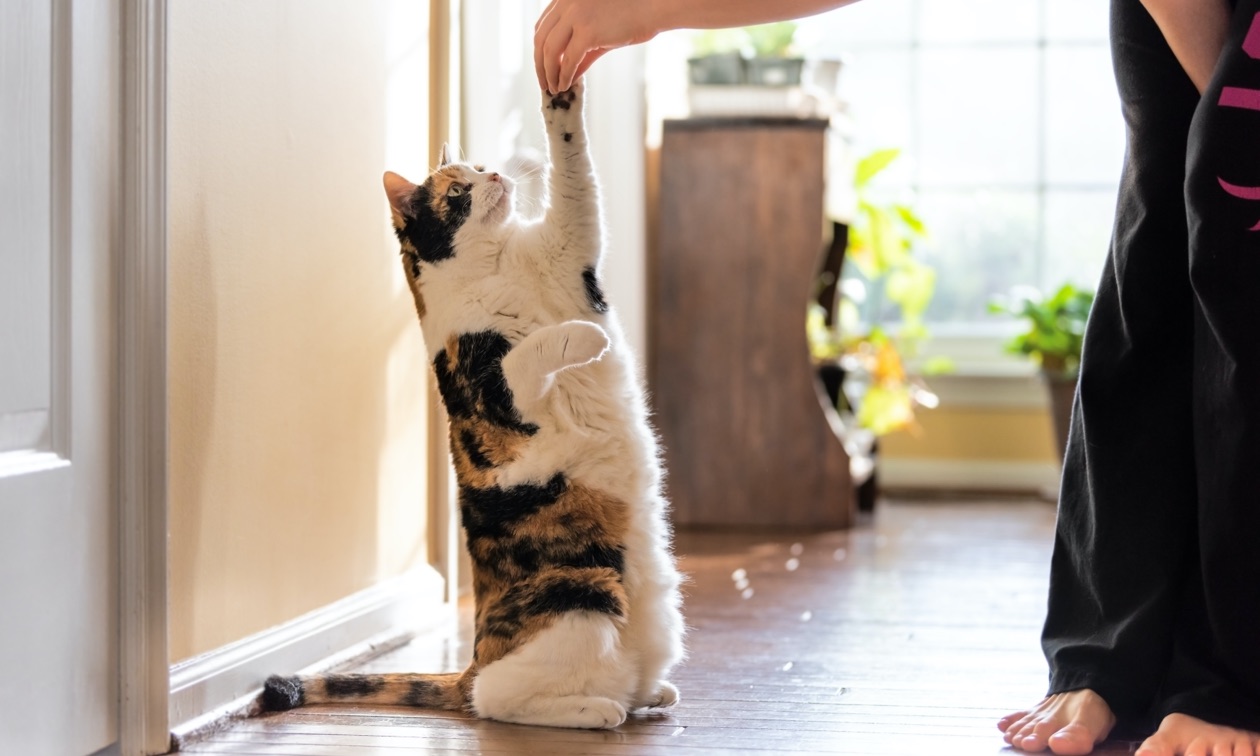
Credit: www.zoetispetcare.com
Socialization Skills
Teaching socialization skills to cats requires patience and consistency. Start with short, regular interactions. Gentle petting and treats help build trust and comfort.
Socializing your cat is crucial for a balanced life. Cats need to be comfortable around people and pets. Proper socialization builds trust and reduces anxiety. A well-socialized cat adapts better to new environments. Here’s how you can help your cat develop socialization skills.Introducing To New People
Start with short visits from friends. Allow your cat to approach at its own pace. Reward calm behavior with treats. Use soothing voices to make your cat feel safe. Gradually increase the time spent together. Let your cat explore new scents and voices. Patience is key for building confidence.Interaction With Other Pets
Introduce pets in a neutral space. Monitor body language for signs of stress. Keep initial interactions brief and positive. Use toys to encourage playful behavior. Separate them if tension rises. Repeat interactions until comfort grows. Slow and steady wins the trust.Tools And Resources
Explore various tools and resources to train your cat effectively. Use clickers and treats for positive reinforcement. Online videos and books provide step-by-step guidance.
Training your cat can be a rewarding journey, but it requires the right tools and resources to make the process smoother and more effective. As you dive into this adventure, you’ll find that a combination of physical aids and digital resources can transform your approach to feline education.Training Aids
Using training aids can significantly enhance your cat’s learning experience. Simple items like clickers and treats can work wonders. A clicker, for example, acts as a signal to your cat that they’re doing something right. It’s a small device that makes a clicking sound, which can be paired with a treat to reinforce positive behavior. A few years ago, I discovered that my cat responded better to a clicker combined with her favorite tuna treats. It was like she suddenly understood what was expected of her. Have you considered what reward might motivate your cat the most? Additionally, toys can be a fantastic aid. Interactive toys can grab your cat’s attention and can be used to teach commands like “come” or “fetch.” A feather wand or a laser pointer can help in engaging your cat during training sessions. What toy does your cat find irresistible?Online Guides And Apps
The internet is a treasure trove of information when it comes to cat training. Online guides can offer step-by-step instructions and video demonstrations that make learning new techniques easier. Websites dedicated to pet care often have sections specifically for cat training, providing detailed articles and tips. Have you tried using apps dedicated to pet training? These apps often include tracking features to monitor your cat’s progress, and interactive sessions designed to maintain your cat’s interest. One app I found useful had daily challenges that kept my cat engaged and motivated. It was fascinating to watch her learn new tricks and behaviors at her own pace. Could an app be the missing piece in your training toolkit? The combination of these tools and resources can turn cat training from a daunting task into a delightful bonding experience. As you explore different aids and digital options, remember to tailor them to your cat’s unique personality and preferences. What new approach will you try next in your training journey?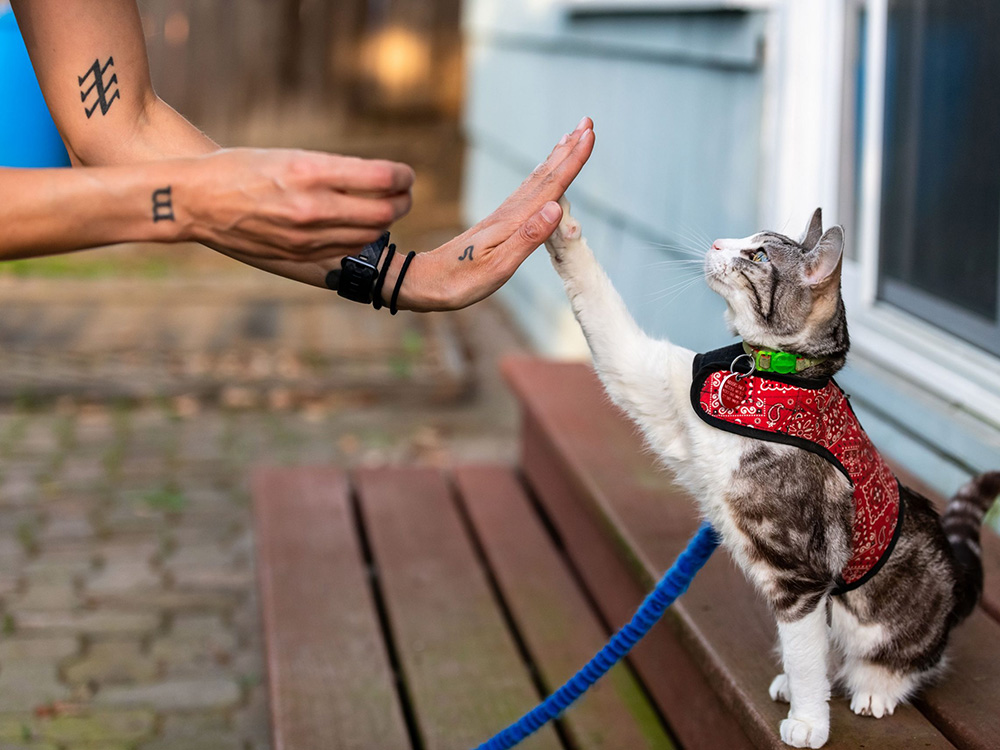
Credit: www.kinship.com
Monitoring Progress
Training a cat requires patience and observation. Progress varies from cat to cat. Regularly checking improvements helps in understanding your cat’s learning pace. It ensures the training methods are effective. Observing your cat’s response is crucial. This way, you can adjust your techniques if needed.
Tracking Improvements
Keep a journal of your cat’s achievements. Record small milestones daily. Did your cat respond to a new command? Note it down. This helps in identifying patterns in behavior. Use simple charts to visualize progress. This visual aid can motivate you and your cat. It also highlights areas that need more focus.
Adjusting Techniques
Not all cats learn the same way. Observe your cat’s reactions to different methods. Some might respond better to treats. Others might prefer verbal praise. Tailor your approach based on these observations. If a method isn’t working, try a new one. Be flexible and creative in your approach. This ensures that the training remains engaging and effective for your cat.
Frequently Asked Questions
Are Cats Easy To Train?
Cats can be trained, but they are often independent and stubborn. Use positive reinforcement for best results. Start with simple commands and be patient. Consistency and rewards, like treats, can help in training. Training sessions should be short and engaging to maintain the cat’s interest.
How Do You Discipline A Cat To Train?
Use positive reinforcement with treats and praise. Set clear boundaries and be consistent. Redirect undesired behavior with toys or distractions. Avoid punishment as it can cause stress. Be patient and keep training sessions short and engaging.
How Do Cats Memorize You?
Cats memorize you using scent, voice, and facial recognition. They associate your smell with comfort and safety. Cats remember interactions, creating a bond over time. They use their keen senses to recognize and recall familiar people. Positive experiences strengthen their memory of you.
How Do You Train A Cat For Beginners?
Begin with positive reinforcement using treats and praise. Use a clicker for consistent communication. Train in short, regular sessions. Introduce basic commands like “sit” and “come. ” Be patient and consistent for best results.
Conclusion
Training a cat takes time and patience. Always use positive reinforcement. Cats respond well to treats and praise. Be consistent with your training sessions. Short sessions work best. This helps keep your cat focused. Observe your cat’s body language closely.
It tells you what they enjoy. Every cat is unique. Some learn faster than others. Celebrate small successes with your furry friend. Building trust is key. A strong bond makes training easier. Enjoy the journey with your cat. Happy training!

Similar Posts