Are you curious about how long your beloved Domestic Shorthair cat might be with you? You’re not alone.
Many cat owners wonder about the lifespan of their furry friends. After all, your cat is not just a pet; it’s a member of your family, a source of joy, and a constant companion. Understanding how long Domestic Shorthair cats typically live can help you plan for the future and ensure you’re giving them the best care possible.
We’ll explore the factors that influence their lifespan and share tips to help your cat live a long, healthy life. Stick around, because what you’ll discover might just surprise you and change the way you think about your cat’s health and happiness.
Credit: petsure.com.au
Average Lifespan Of Domestic Shorthair Cats
The domestic shorthair cat is a beloved pet in many homes. Known for their friendly nature and adaptability, these cats are a popular choice. But how long do they live? Understanding their average lifespan can help owners provide better care. Let’s explore the lifespan of these charming felines.
Understanding The Average Lifespan
Domestic shorthair cats typically live between 12 to 15 years. Their lifespan can vary based on several factors. Genetics play a significant role in determining how long they live. A healthy lifestyle also impacts their longevity.
Factors Influencing Lifespan
Diet is crucial for their health. A balanced diet can extend their life. Regular veterinary check-ups are essential too. Early detection of health issues can prevent serious problems.
The Role Of Environment
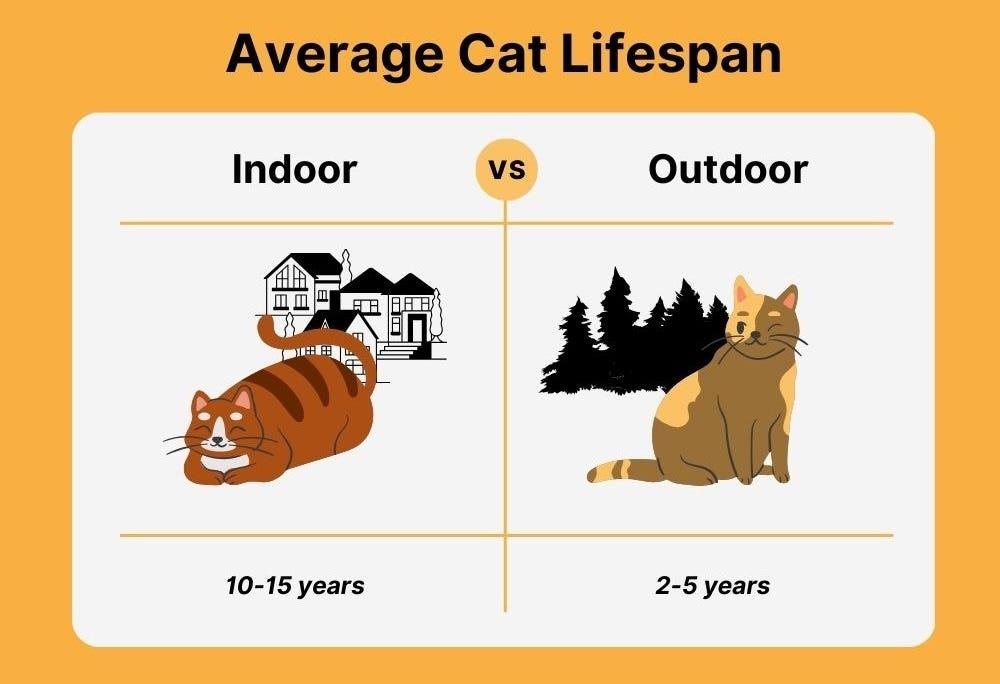
A safe, loving home contributes to a cat’s lifespan. Indoor cats often live longer than outdoor cats. The environment should be stress-free and stimulating.
Importance Of Exercise And Mental Stimulation
Exercise keeps domestic shorthairs healthy and fit. Playtime and toys provide mental stimulation. A bored cat may develop behavioral issues or health problems.
Signs Of Aging In Domestic Shorthairs
Older cats may slow down and sleep more. They may also show changes in appetite or weight. Regular vet visits can ensure they age gracefully.
Credit: www.litter-robot.com
Factors Affecting Lifespan
Domestic Shorthair cats are beloved for their friendly nature and adaptability. Their lifespan can vary due to several factors. Understanding these factors can help in ensuring they live a long, healthy life. Let’s explore the key elements that influence their lifespan.
Genetics And Breed Characteristics
Genetics play a vital role in a cat’s lifespan. Domestic Shorthairs are a diverse mix of breeds. This genetic variety often leads to fewer health issues. Purebred cats sometimes face more hereditary problems. The genetic robustness of Domestic Shorthairs often contributes to a longer life.
Diet And Nutrition
A balanced diet directly impacts a cat’s health. Proper nutrition ensures they maintain a healthy weight. Obesity can lead to serious health issues in cats. High-quality cat food supports their overall wellbeing. Fresh water is also essential for hydration and kidney health.
Environmental Influences
The living environment greatly affects a cat’s lifespan. Indoor cats often live longer than outdoor cats. This is due to fewer risks from accidents and diseases. A safe, stimulating home environment is crucial. Regular vet visits and vaccinations also help maintain their health.
Health And Wellness Tips
Ensuring the health and wellness of your domestic shorthair cat is vital. Regular care can extend their lifespan and enhance their quality of life. Focus on key areas like vet visits, vaccinations, exercise, and mental stimulation. These efforts make a significant difference in their overall well-being.
Regular Vet Check-ups
Schedule routine vet visits for your cat. These check-ups catch health issues early. Your vet examines your cat thoroughly. They may suggest blood tests or dental care. Consistent visits help track your cat’s health over time.
Importance Of Vaccinations
Vaccinations protect your cat from diseases. They boost the immune system. Follow the vaccination schedule provided by your vet. Core vaccines are essential for all cats. Non-core vaccines depend on lifestyle and environment. Discuss options with your vet.
Exercise And Mental Stimulation
Keep your cat active with exercise. Play with toys and engage in interactive games. Exercise prevents obesity and promotes joint health. Mental stimulation is equally important. Challenge your cat with puzzles and activities. Stimulating their mind reduces stress and boredom.

Credit: www.aspcapetinsurance.com
Common Health Issues
Domestic Shorthair cats often live 12 to 15 years. Regular vet check-ups and a balanced diet can support their health. Common health issues include dental disease and obesity, which can affect their lifespan.
Domestic Shorthair cats are popular pets known for their longevity. Yet, their lifespan can be affected by common health issues. Owners should be aware of these problems to ensure a healthy life for their feline friends. Early detection and care can make a significant difference.Dental Health Problems
Poor dental hygiene can lead to serious health issues in cats. Plaque and tartar build-up may cause gum disease. This can result in pain and tooth loss. Regular vet visits can help prevent these issues. Dental cleanings and proper diet play a crucial role. Providing chew toys may also help in maintaining dental health.Obesity Concerns
Obesity is a growing concern for domestic cats. Extra weight can lead to diabetes and heart disease. Cats with sedentary lifestyles are at higher risk. A balanced diet and regular exercise are essential. Monitoring food portions can help prevent obesity. Using interactive toys can encourage physical activity.Chronic Conditions
Chronic conditions such as kidney disease are common in older cats. Early symptoms may include increased thirst or weight loss. Regular check-ups can detect these issues early. Proper treatment and diet management are crucial. Medications and special diets may be needed. Owners should watch for changes in their cat’s behavior.Signs Of Aging In Cats
Domestic shorthair cats typically live between 12 to 15 years. Watch for signs of aging like decreased mobility and appetite changes. Regular vet check-ups can help maintain their health and longevity.
Signs of aging in cats can be subtle yet significant. As your domestic shorthair cat grows older, you might notice changes that are both behavioral and physical. Recognizing these signs early can help you provide the best care for your feline friend. Understanding what to look for can make a big difference in your cat’s comfort and health.Behavioral Changes
Your cat might start behaving differently as they age. You could notice them becoming less playful or more withdrawn. Some cats may become more vocal, possibly due to anxiety or confusion. Keep an eye on any changes in their eating habits, as this can indicate underlying health issues.Physical Symptoms
Physical changes are another sign of aging. You might see your cat’s coat losing its shine or thinning out. They may also experience weight loss or gain. Dental issues are common, so check for signs like bad breath or difficulty eating. Regular vet check-ups can help catch these issues early.Mobility And Activity Levels
Watch for changes in your cat’s mobility. Older cats might have trouble jumping or climbing as they once did. You might find them resting more and playing less. It’s important to ensure they have comfortable places to rest and easy access to food and water. Does your cat seem less interested in their favorite toy? This could be a sign of reduced energy levels. As your cat ages, consider their needs and adjustments that can improve their quality of life. Have you noticed any of these signs in your cat? What small changes could you make to help them feel comfortable and loved during their golden years?Enhancing Longevity
Enhancing the longevity of a Domestic Shorthair cat is vital. A longer, healthier life is every pet owner’s dream. It involves making thoughtful choices in various aspects of care. Each aspect plays a significant role in your cat’s overall well-being.
Quality Diet Choices
Diet is crucial for a cat’s health. Provide a balanced, nutritious meal daily. Choose high-quality cat food with essential nutrients. Protein, vitamins, and minerals are key components. Avoid foods high in fillers or artificial ingredients. Fresh water should always be available. A proper diet boosts their immune system.
Creating A Safe Home Environment
A safe home environment prevents accidents. Secure windows and balconies to avoid falls. Ensure toxic plants are out of reach. Remove small objects that could be swallowed. Provide scratching posts to protect furniture. A peaceful home reduces stress. Cats thrive in a calm, secure space.
Monitoring Health Regularly
Regular health checks are essential. Schedule annual vet visits for your cat. Early detection of issues can save lives. Monitor for changes in behavior or appetite. Keep vaccinations up to date. Flea and tick prevention is necessary. A healthy cat is a happy cat.
Frequently Asked Questions
How Long Do Indoor Domestic Shorthair Cats Live?
Indoor Domestic Shorthair cats typically live between 12 to 15 years. Proper care can extend their lifespan to 20 years. Regular veterinary check-ups, balanced diet, and safe environment contribute to their longevity. Genetics and lifestyle are crucial factors in determining their lifespan.
Do Female Or Male Cats Live Longer?
Female cats generally live longer than male cats. They tend to have fewer health issues and are less prone to accidents. Proper care and regular veterinary visits can extend any cat’s lifespan, regardless of gender. Factors like breed, lifestyle, and genetics also influence longevity.
Do Domestic Shorthair Cats Have Health Issues?
Domestic Shorthair cats generally have fewer genetic health issues. They benefit from a diverse gene pool. Regular vet check-ups are essential to ensure their well-being. Common concerns include obesity and dental problems. Providing balanced nutrition and exercise helps maintain their health.
Always monitor for unusual behavior or symptoms.
What Is The Life Expectancy Of A Short Hair Cat?
Short hair cats typically live between 12 to 15 years. Factors like health, diet, and environment can influence this. Regular veterinary care is essential for extending their lifespan. Providing a balanced diet and maintaining a stress-free environment can also help improve their life expectancy.
Conclusion
Domestic shorthair cats bring joy to many homes. Their lifespan typically ranges from 12 to 15 years. Proper care can extend their life. Regular vet visits matter. Balanced diets keep them healthy. Love and attention brighten their days. Every cat is unique.
Some live longer than average. Your care impacts their longevity. Treasure the time spent with your cat. They truly enrich our lives. Cats are more than pets. They’re family members. Enjoy every moment with them. Cherish the memories made together.
Their life is a journey. One filled with affection and companionship.