Why Do Cats Scratch on Furniture: Unveiling Feline Instincts
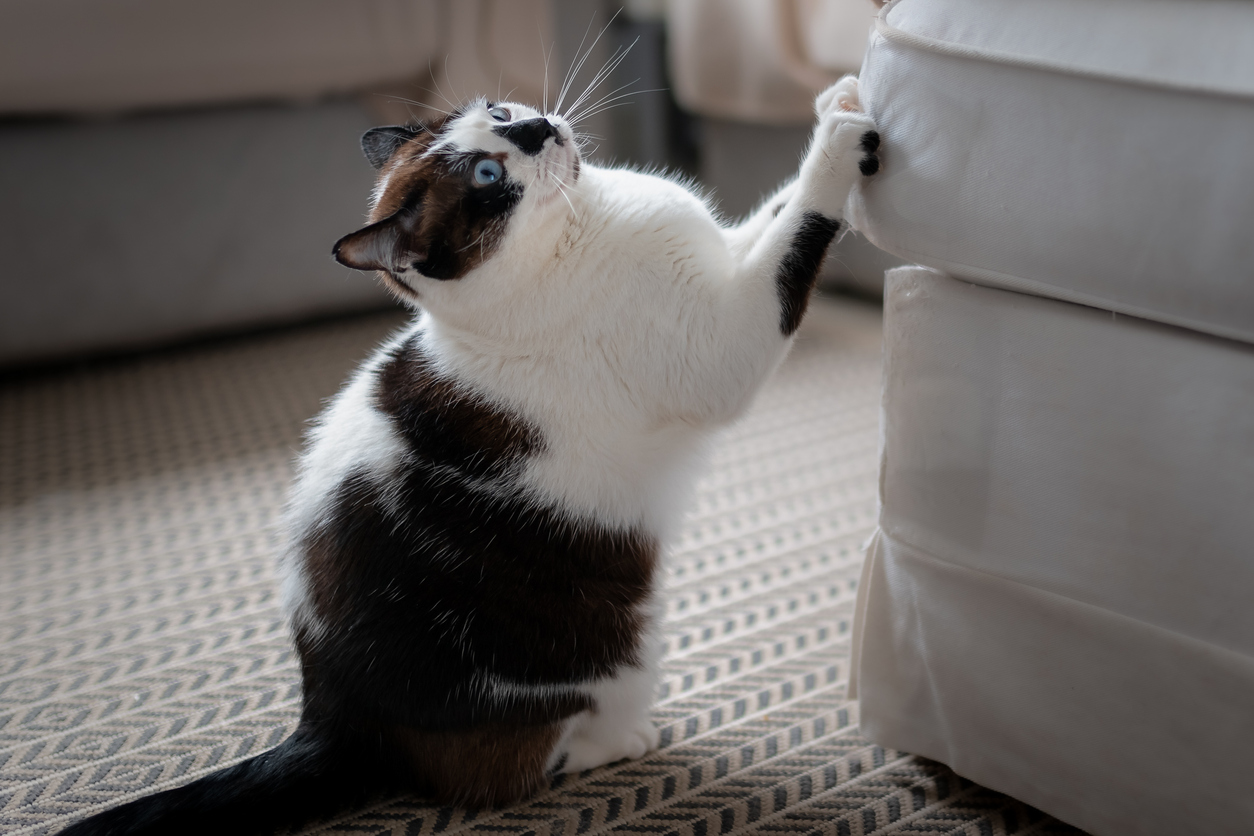
Imagine this: you’ve just bought a beautiful new sofa. It’s the centerpiece of your living room, a place where comfort meets style.
But then, your furry friend decides it’s the perfect spot to dig their claws into. Frustrating, isn’t it? If you’re nodding your head, you’re not alone. Many cat owners face this puzzling behavior, wondering why their beloved pets are turning their furniture into a scratching post.
Understanding why cats scratch on furniture can be the first step to solving this problem. You’ll discover it’s not just about sharpening claws—it’s a mix of instinct, exercise, and even a little cat psychology. Stick with us, and you’ll learn not only why this happens but also how you can protect your furniture while keeping your feline happy. Curious? Let’s dive in.
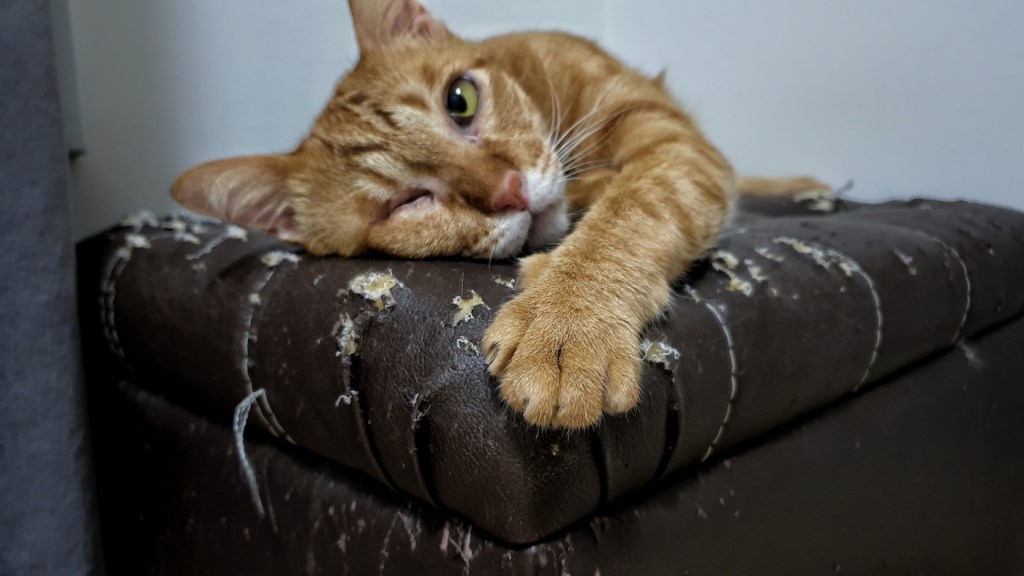
Credit: www.sciencefriday.com
Feline Behavior Explained
Understanding why cats scratch on furniture can be a real puzzle. We often find ourselves wondering about this curious behavior. You might have experienced the frustration of seeing your favorite chair clawed to shreds. Let’s unravel this mystery by diving into feline behavior.
Natural Instincts
Cats have a natural instinct to scratch. It helps them keep their claws sharp and healthy. Scratching also serves as a way for them to mark their territory. Their paws have scent glands that leave behind a unique scent.
Think about it. When your cat scratches the couch, they might be saying, “This is mine!” Understanding this can help you find better ways to redirect their scratching habits.
Physical Exercise
Scratching provides cats with physical exercise. It stretches their muscles and keeps them active. Imagine being confined indoors all day; scratching offers a chance to stretch and flex.
Providing your cat with a scratching post can be a great alternative. It offers them a space to exercise without damaging your furniture.
Stress Relief
Scratching is also a way for cats to relieve stress. Just like humans, they need an outlet for their emotions. Scratching can be therapeutic, helping them relax and feel secure.
Have you noticed your cat scratching more during noisy events or when guests visit? It’s their way of coping. Creating a calming environment may reduce this behavior.
Why Choose Furniture?
You might wonder why cats prefer your brand-new sofa over their scratching post. Furniture often provides a stable surface and optimal height for scratching. Plus, it’s usually in areas they frequent.
Try placing scratching posts near their favorite furniture to entice them. Experiment with textures and heights to find what suits your cat best.
What Can You Do?
Now that you understand this behavior, consider ways to protect your furniture. Use furniture covers or sprays that deter scratching. Provide ample scratching alternatives that appeal to your cat’s instincts.
Engage your cat with interactive toys and playtime. A happy, active cat is less likely to scratch out of boredom or stress. What solutions have you tried to manage your cat’s scratching behavior?
Natural Instincts
Cats scratch furniture to sharpen their claws, mark territory, and stretch their bodies. It’s a natural behavior that helps them feel comfortable and secure. Providing scratching posts can redirect this instinct away from your furniture.
Cats are mysterious creatures, often leaving us puzzled by their quirky behaviors. One such behavior is their penchant for scratching furniture. While it might seem like they have a personal vendetta against your favorite sofa, scratching is deeply rooted in their natural instincts. Understanding these instincts can help you manage this behavior more effectively and protect your furniture.Marking Territory
Cats are territorial animals. They scratch surfaces to mark their territory. This behavior leaves both a visual and scent mark, thanks to the scent glands in their paws. When your cat claws at the arm of your couch, it’s not out of spite; it’s a natural way to say, “This is mine.” Reflect on this: if your cat had a diary, would it write about owning your living room?Stretching Muscles
Scratching is also a form of exercise for cats. It helps them stretch their muscles and keep them toned. Think about how you feel after a good stretch in the morning. Cats experience the same relief and satisfaction. Have you noticed how your cat often scratches right after waking up? It’s their version of a morning workout. Understanding these natural instincts can save you both frustration and furniture. Instead of battling your cat’s instincts, how about channeling them? Providing scratching posts or pads can be a win-win situation. Your cat stays happy and active, and your furniture remains intact. Isn’t it fascinating how a simple behavior can reveal so much about your cat’s world? By embracing their natural instincts, you can create a more harmonious living environment for both you and your feline friend.Communication Signals
Cats scratch furniture to mark their territory and communicate. It helps them stretch and sharpen their claws. This behavior is natural, expressing their needs and instincts.
Why do cats scratch on furniture? It’s not just about sharpening their claws or ruining your new sofa. Cats communicate through scratching. It’s their way of sending messages to other cats and even to you. Scratching leaves behind visual and scent signals that can tell stories of territory, mood, and presence.Visual Markers
Cats use scratching to create visible marks on furniture. These scratches are like billboards announcing their territory. Have you noticed your cat always scratches the same spot? That’s intentional. It’s a clear signal to other animals that this place belongs to them. These visual markers can also indicate mood. If your cat suddenly starts scratching more aggressively, they might be stressed or anxious. How often do you check these visual signals your cat leaves behind? They might be telling you more than you realize about their emotional state.Scent Signals
Cats have scent glands in their paws. When they scratch, they leave behind their unique scent. This scent acts as an invisible marker, a way for your cat to say, “I’ve been here.” The scent signals help cats feel safe and secure in their environment. If you move furniture or bring new items into your home, cats might scratch to renew their scent markers, ensuring their territory remains intact. Have you ever noticed your cat sniffing around before scratching? They’re checking for scent signals first, confirming their presence before adding more layers. Understanding these communication signals can help you manage your cat’s scratching behavior. It’s not just about protecting your furniture but also about respecting your cat’s natural instincts. What can you do to better interpret these signals and maintain a peaceful coexistence with your feline friend?
Credit: www.petmd.com
Environmental Influences
Cats scratch furniture to mark territory and sharpen claws. They leave scent and visual marks, communicating ownership. Scratching also helps them stretch their muscles, promoting physical well-being.
Cats scratching furniture is often influenced by their surroundings. Environmental factors play a big role in this behavior. They need to express their natural instincts. Understanding these influences can help address the issue.Lack Of Stimulation
Cats need mental and physical challenges. Without them, they may resort to scratching furniture. This behavior is a way to release energy. It keeps them occupied when they feel bored. Providing toys and activities can reduce furniture damage. Interactive playtime is important. It enriches their environment, keeping them satisfied.Stress Factors
Stress can trigger unwanted scratching. Changes at home, like new pets, might stress cats. They use scratching as a coping mechanism. It helps them feel secure and calm. Creating a peaceful space for your cat is vital. Offering hiding places and cozy spots can reduce stress. This makes them less likely to scratch furniture.Furniture As A Target
Cats have an innate desire to scratch. They often choose furniture as a target. Scratching is a natural behavior for them. It helps them mark territory and maintain claw health. Understanding why they target your couch or chair can help prevent damage.
Texture Preferences
Cats love specific textures. Soft fabrics, rough woods, and leather are appealing. These textures satisfy their scratching needs. They offer resistance and a satisfying feel. This tactile feedback is essential for their enjoyment. They prefer surfaces that yield under their claws.
Accessibility
Furniture is often easy to reach for cats. It is conveniently located within their territory. High traffic areas make furniture an attractive option. Cats enjoy places where they spend most of their time. Accessibility increases the likelihood of furniture being targeted.
Preventing Furniture Damage
Cats have a natural instinct to scratch, which can often lead to unwanted damage to your furniture. Understanding why they do it is half the battle; the other half is finding ways to prevent it. You might wonder if it’s possible to keep both your beloved feline and your furniture intact. Fortunately, there are practical solutions that can help you achieve this balance.
Providing Alternatives
One effective way to protect your furniture is by providing scratching alternatives that cats will love. Invest in a few scratching posts or pads and place them in areas where your cat frequently scratches. Ensure these alternatives are stable and made of materials like sisal or cardboard, which cats find irresistible.
Think about the height and texture of these posts. Cats love to stretch when they scratch, so taller posts are often more appealing. You could also sprinkle a bit of catnip on the scratching posts to attract your cat’s attention.
Behavioral Training
Training your cat to stop scratching furniture requires patience but is definitely possible. Whenever you catch your cat scratching furniture, gently redirect them to the scratching post. Consistency is key, so make sure to praise and reward your cat when they use the correct spot.
Consider using deterrents like double-sided tape on furniture to discourage scratching. Cats dislike the sticky texture, and this can help break the habit. Over time, with positive reinforcement, your cat will learn that scratching the post is more rewarding than scratching the sofa.
Have you ever tried using a water spray to deter your cat? It may seem effective initially, but it might also cause fear or stress, which is not ideal. Instead, focus on positive methods that reinforce good behavior.
Preventing furniture damage requires a mix of strategy and understanding. By offering alternatives and training your cat, you can protect your furniture while keeping your feline friend happy. What methods have you found most effective for your cat? Share your experiences in the comments!
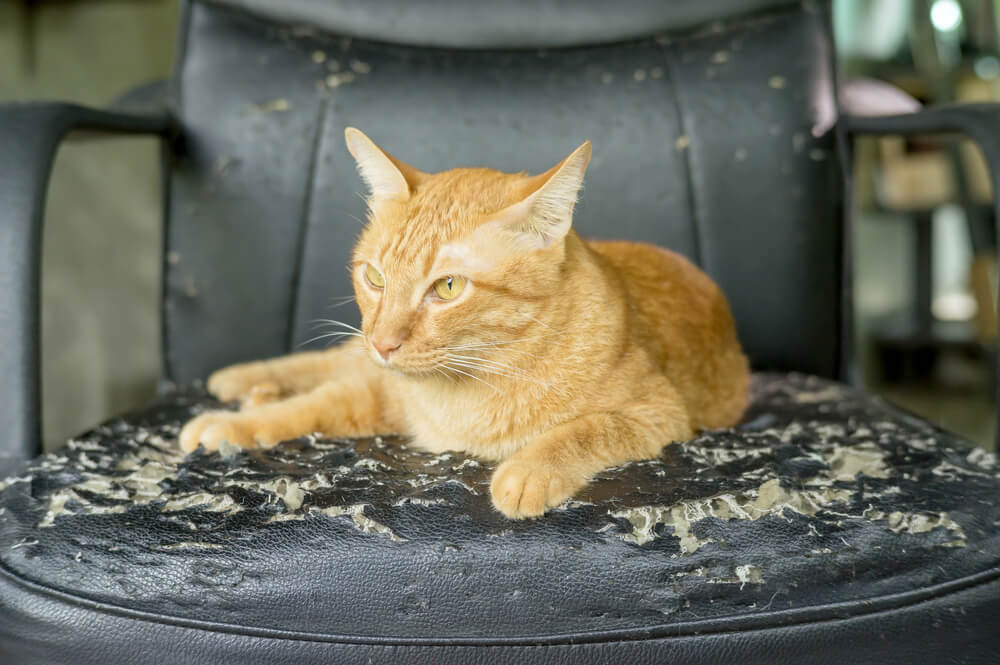
Credit: us.feliway.com
Frequently Asked Questions
Do Cats Scratch Furniture For Attention?
Cats scratch furniture primarily to mark territory and maintain their claws. They may also do it out of boredom or stress. Sometimes, it can be a way to seek attention from their owners, especially if previous scratching resulted in a reaction.
Providing scratching posts can help redirect this behavior.
Why Does My Cat Keep Scratching My Furniture?
Cats scratch furniture to sharpen claws, mark territory, and stretch muscles. Provide scratching posts to redirect behavior.
Does Furniture Scratching Mean My Cat Hates Me?
Cats scratch furniture to mark territory and maintain their claws, not out of hatred. It’s natural behavior. Provide scratching posts to redirect this action. Understanding their needs strengthens your bond.
At What Age Do Cats Stop Clawing?
Cats usually claw throughout their lives. Clawing is a natural behavior for marking territory and maintaining claw health. Providing scratching posts can help manage this behavior. Young kittens often claw more frequently, but training and proper outlets can reduce unwanted scratching.
Conclusion
Cats scratch furniture. It’s a natural behavior rooted in their instincts. Scratching helps them keep their claws sharp. It’s also a way to mark territory. Furniture isn’t the only target. Provide scratching posts for a safe outlet. This protects your belongings.
Redirecting their focus takes patience but works. Understanding their behavior fosters harmony at home. Consistency is key in training. Offer positive reinforcements when they use designated spots. Scratching is a part of their life. Embrace it wisely with proper solutions.
Both you and your cat will be happier.

Similar Posts