Why Does My Cat Nip Me When I Pet Her: Unveiling Reasons

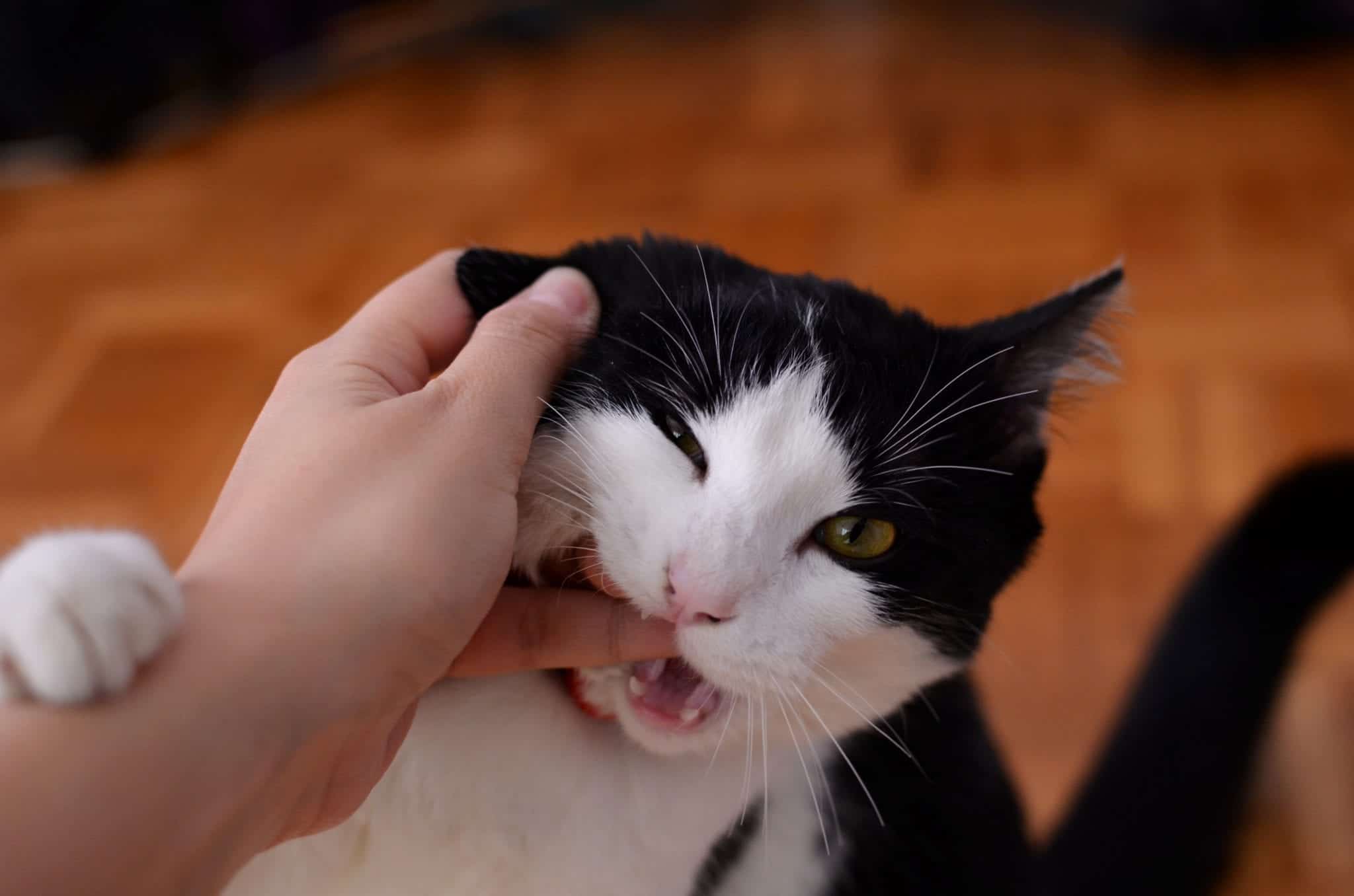
Have you ever been in the middle of a delightful petting session with your cat, only to be surprised by a sudden nip? If so, you’re not alone.
This behavior can leave you puzzled, wondering what just happened. Is it a sign of affection, or is your feline friend trying to tell you something? Understanding why your cat nips you when you pet her is crucial to building a stronger bond and ensuring a harmonious relationship.
We’ll dive into the reasons behind this quirky behavior, helping you decode your cat’s unique language. Stay with us to discover how you can make petting a more enjoyable experience for both you and your furry companion.
Credit: www.hartz.com
Common Cat Behavior
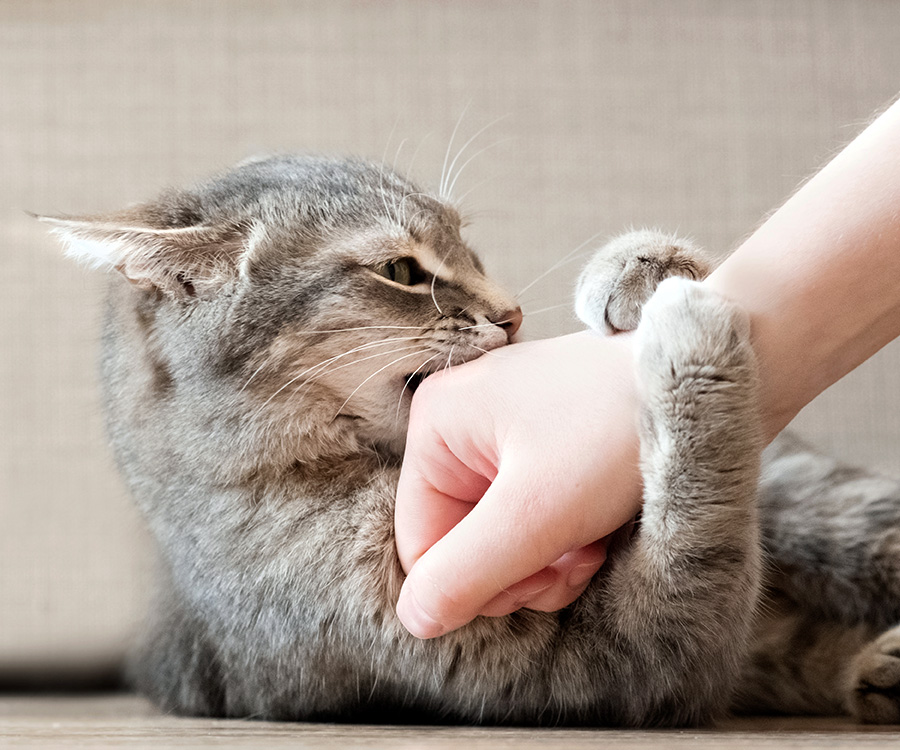
Cats are fascinating creatures with complex behaviors. When your cat nips you during petting, it often puzzles many pet owners. Understanding common cat behaviors can explain this. It’s crucial to know that nipping isn’t always aggression. Sometimes, it’s a form of communication or play.
Understanding Feline Communication
Cats communicate through body language and vocal cues. Nipping can be their way of saying they’ve had enough petting. Watch for signs like flattened ears or a twitching tail. These indicate your cat may want a break. Nipping is their gentle warning.
Natural Predatory Instincts
Cats are natural hunters. Even domestic cats retain their predatory instincts. Nipping can be part of their playful behavior. It mimics hunting and capturing prey. This instinctual behavior surfaces during interactive play. Providing toys can redirect this energy.
Types Of Nipping
Understanding why cats nip during petting can be puzzling. Cats have different reasons for nipping. Each type gives clues about their mood or needs. Recognizing these types helps in creating a better bond with your cat.
Playful Biting
Some cats nip to play. This behavior mimics hunting instincts. Kittens often bite to explore their world. An adult cat biting gently may simply want fun. Watch your cat’s body language. Playful biting is usually gentle. The cat might purr or wag its tail. Respond with interactive toys. This redirects their playful energy safely.
Overstimulation Reaction
Overstimulation can lead to nipping. Cats can become overwhelmed by too much petting. They may nip to signal discomfort. Look for signs of overstimulation. Twitching tails, flattened ears, or dilated pupils indicate stress. Stop petting when these signs appear. Give your cat space to calm down. Understanding their limits prevents overstimulation nipping.
Signs Of Overstimulation
Cats often show signs of overstimulation during petting sessions. Recognizing these signs helps prevent nipping. A nip can be a way for your cat to communicate discomfort. Understanding your cat’s cues can make interactions more pleasant.
Body Language Cues
Cats give clear body language signals when overstimulated. Watch for a flicking tail. It’s a common sign of annoyance. Ears flattening backward indicate discomfort too. Watch the eyes. Dilated pupils can mean your cat feels threatened or excited. The fur may stand up. This is another sign of overstimulation. Observing these cues can prevent a bite.
Auditory Signals
Cats communicate through sounds too. A growl means your cat feels uneasy. Hissing indicates stress or fear. A sudden increase in meowing might show irritation. Listening to these signals helps you understand your cat’s mood. Recognizing these sounds can avoid unwanted nips. Pay attention to changes in their vocalizations.
Environmental Factors
Cats are sensitive creatures. Their environment plays a huge role in their behavior. When your cat nips while petting, environmental factors may be involved. Understanding these can help manage your cat’s behavior.
Impact Of Surroundings
The surroundings influence a cat’s comfort. Loud noises or sudden changes can stress your cat. Stress may lead to nipping. A calm and quiet environment helps your cat feel secure. Look around your home. Is there a busy area where you pet your cat? Try moving to a quieter spot. Watch for improvements in behavior. Small changes can make a big difference.
Role Of Routine Changes
Cats thrive on routine. Sudden changes can upset them. Have you changed your schedule recently? New routines can confuse your cat. Confusion may lead to nipping. Keep feeding and playing times consistent. This stability reduces stress and improves behavior. A predictable routine makes your cat feel safe. Consider the daily patterns in your home. Are they stable? Consistent routines can comfort your cat.
Health-related Causes
Have you ever wondered why your cat nips you when you’re giving her affectionate pets? Sometimes, this behavior is linked to health-related causes. Understanding these reasons can help you ensure your feline friend stays happy and healthy.
Pain And Discomfort
Cats, like humans, can experience pain that affects their mood. If your cat has a sore spot or an injury, she might nip as a response to discomfort.
Imagine petting your cat’s back, and she suddenly nips at you. This could be her way of saying, “Ouch! That hurts!” Regular vet check-ups can help identify any potential pain sources.
Consider this scenario: Your cat might have arthritis, and petting her in certain spots triggers pain. Pay attention to her reactions. Does she flinch or tense up? This could be a sign of discomfort.
Dental Issues
Your cat’s dental health can significantly impact her behavior. Cats with dental problems may nip due to discomfort or irritation.
Think about how you feel with a toothache. It’s hard to focus on anything else, right? Your cat might be experiencing similar discomfort due to gum disease or broken teeth.
Check her mouth periodically. Look for signs like bad breath, drooling, or difficulty eating. These could indicate dental issues that require attention.
Regular dental care is crucial. Brush your cat’s teeth or provide dental treats to maintain her oral health. Consider asking your vet about professional cleaning.
Next time your cat nips you, ask yourself: Could it be a health-related issue? Paying attention to these signs can enhance her well-being and strengthen your bond.
Building Trust With Your Cat
Cats can nip during petting as a playful gesture or signal overstimulation. Understanding their body language helps prevent this behavior. Building trust involves patience and recognizing your cat’s comfort zones.
Building a strong bond with your cat is a journey. It’s not about forcing affection but creating an environment where your cat feels safe and respected. Trust is the key element that will transform those nips into purrs and cuddles.Gentle Handling Techniques
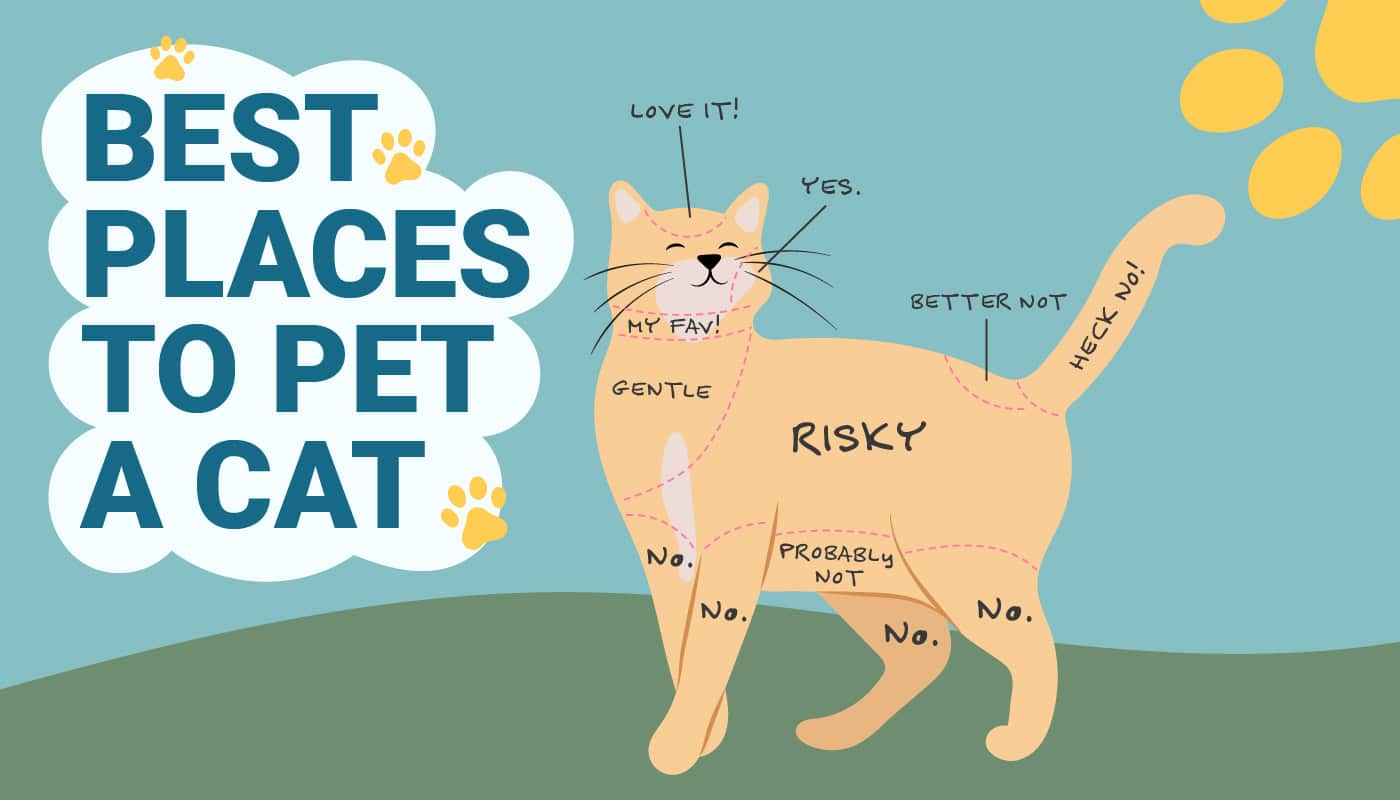
Approach your cat with calmness. Use slow, deliberate movements to avoid startling her. Gently stroke her head and back, paying close attention to her reactions. Notice if she flattens her ears or flicks her tail. These are signs she might not be comfortable. Adjust your touch accordingly to ensure she feels secure. Try holding your hand out for her to sniff before petting her. This gives her a chance to decide if she’s ready for your affection.Respecting Boundaries
Every cat has her own comfort zone. Understanding where your cat likes to be touched is crucial. Some cats enjoy chin scratches, while others prefer back rubs. If she nips or moves away, respect her space. This doesn’t mean she dislikes you. It simply means she needs a moment to herself. Observe her body language. A relaxed cat with a gentle purr is more receptive to affection. If she’s tense, give her time and space. Building trust with your cat takes patience. How will you show your cat that her comfort is your priority?Preventing Nipping
Cats are delightful companions, but sometimes they nip when petted. Understanding their behavior can prevent these nips. Creating a soothing environment and using distractions can help. Let’s explore practical ways to stop nipping.
Creating A Comfortable Environment
A peaceful space can reduce your cat’s stress. Ensure her bed is cozy and quiet. Keep her litter box clean and in a calm area. Avoid loud noises that might startle her. A relaxed cat is less likely to nip.
Offer her safe hiding spots. Cats enjoy small, enclosed spaces. These provide comfort and security. A safe spot can prevent anxiety-related nipping.
Using Toys For Distraction
Introduce toys during petting sessions. This diverts her attention from your hand. Use toys that mimic prey behavior. Wand toys are great for this.
Interactive toys keep her engaged. They stimulate her hunting instincts. A focused cat is less prone to nipping. Rotate toys to maintain her interest.
Monitor her playtime. Overstimulation can lead to nipping. Short, frequent play sessions are effective.
Credit: coleandmarmalade.com

Credit: www.tiktok.com
Frequently Asked Questions
Why Does My Cat Want Me To Pet Her But Then Bites Me?
Cats may bite during petting due to overstimulation or playfulness. They enjoy petting initially but might become overwhelmed. Monitor her body language and stop before she gets agitated. This behavior is common, and understanding her limits can help prevent biting.
Why Did My Cat Bite Me When I Stroked Her?
Your cat might bite due to overstimulation or discomfort. Cats sometimes have a threshold for petting and might react when it’s exceeded. Pay attention to her body language to avoid bites.
Why Does My Cat Gently Bite My Hand When I Pet Him?
Cats gently bite to show affection or overstimulation. It’s often a playful gesture, not aggression. Observe your cat’s body language for cues. If biting seems excessive, gently redirect with toys or encourage calm behavior. This helps maintain a positive bond and ensures mutual understanding during petting sessions.
Why Does My Cat Bite When I Pet Her?
Cats may nip when overstimulated or feeling threatened. It can be a natural reaction to certain types of petting. Watch for signs like tail flicking or ears back. Adjust your approach to make her comfortable. Offering gentle strokes and respecting her boundaries can help minimize nipping behavior.
Conclusion
Understanding your cat’s behavior helps improve your bond. Cats may nip for many reasons. They might feel overstimulated or playful. Some cats use nips to communicate. Observe your cat’s body language closely. Respect their boundaries. Adjust your petting style to fit their needs.
Spend quality time together to strengthen your connection. Every cat is unique, and patience is key. With time, you’ll understand each other better. Enjoy the special moments with your feline friend. They’re worth it.

Similar Posts