What is a Civet Cats: Fascinating Facts Unveiled
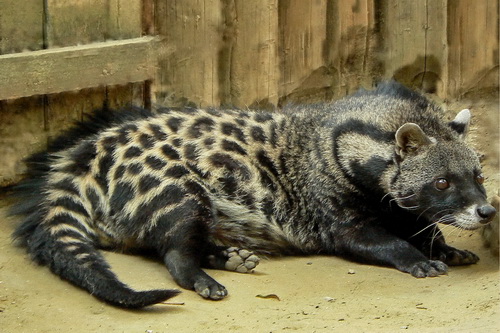
Have you ever wondered about the mysterious creature behind the production of the world’s most expensive coffee? Meet the civet cat.
Despite its name, this fascinating animal isn’t a true cat, but it plays a significant role in both ecosystems and economies. You might find yourself intrigued by its unique habits and the controversial delicacy it produces. Understanding what a civet cat is could change your perspective on wildlife and maybe even your coffee choices.
Let’s explore the intriguing world of the civet cat and discover what makes it such a captivating creature. Stay with us, because what you’re about to learn might just surprise you!
Civet Cats Overview
Civet cats are small, nocturnal mammals found in Asia and Africa. They resemble a mix of a cat and a mongoose. Known for their distinctive musky scent, they play a key role in ecosystems by controlling insect populations and dispersing seeds.
Civet Cats Overview Civet cats are intriguing creatures that often capture the curiosity of wildlife enthusiasts and nature lovers. Known for their unique appearance and distinctive scent, these animals hold a special place in the ecosystem. If you’ve ever wondered about the life and habits of civet cats, you’re in for an enlightening journey.Physical Characteristics
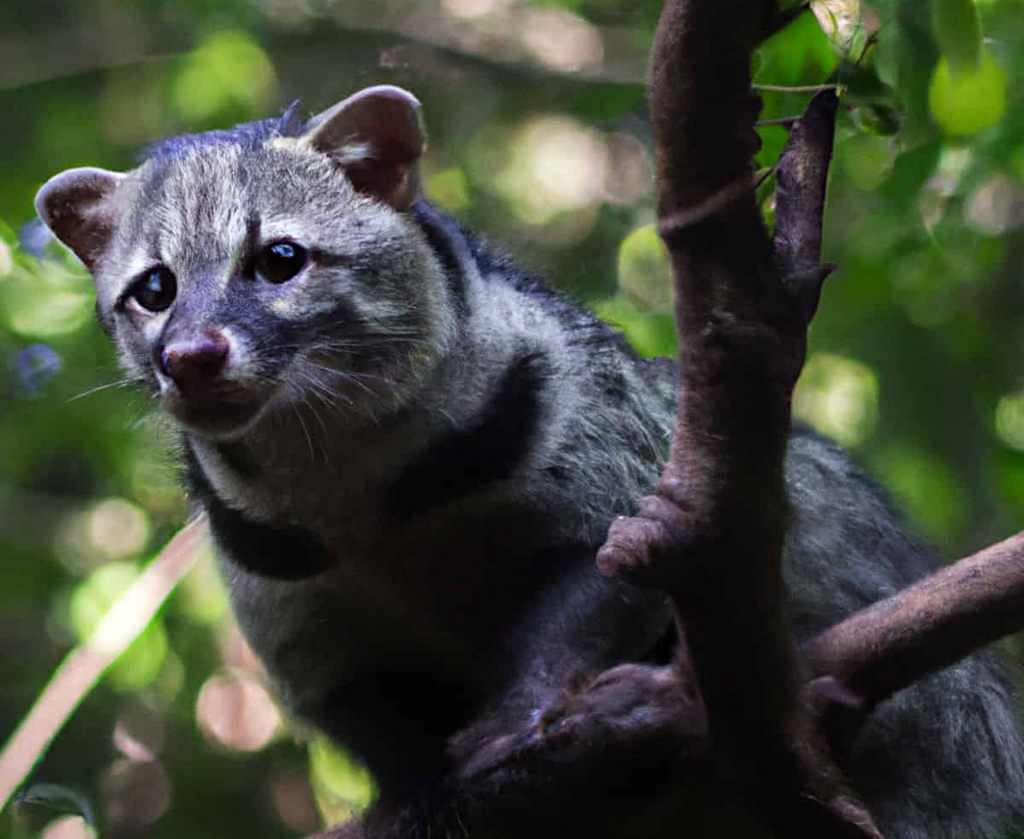
Civet cats possess a striking appearance that sets them apart from other animals. They have a long, slender body with a bushy tail, often as long as their body. Their fur can range from gray to brown with unique patterns of spots or stripes. Their eyes are large and expressive, which helps them see well in the dark. This nocturnal vision is crucial for their nighttime activities. You’ll also notice their small, rounded ears that make them agile hunters.Habitat And Distribution
Civet cats are adaptable and can thrive in various habitats, including forests, savannas, and even urban areas. They are primarily found in Asia and Africa, with some species in Southern Europe. If you live near a wooded area, you might be closer to these creatures than you think. Their adaptability means they can live near human settlements, sometimes leading to unexpected encounters. This raises an interesting question: How can we coexist with these fascinating animals while respecting their natural habitat? Understanding the civet cat’s role in the ecosystem can deepen your appreciation for these animals. They play a vital part in seed dispersal, which helps maintain healthy forest ecosystems. By learning more about them, you contribute to their conservation and the balance of nature. Have you ever encountered a civet cat in the wild or near your home? What was your experience like? Sharing stories can help raise awareness about these captivating creatures.
Credit: blog.nature.org
Behavior And Lifestyle
Civet cats, small and nocturnal, are found in Asia and Africa. These creatures are known for their unique scent glands. They live in forests, showing solitary behavior and a varied diet. Fruits, insects, and small animals are part of their meals.
Curious yet elusive, they play a role in their ecosystems.
Civet cats, often shrouded in mystery, boast intriguing behaviors and lifestyles that fascinate wildlife enthusiasts. These nocturnal creatures, known for their distinctive musky scent, lead a life teeming with unique patterns and habits. Their behavior is a reflection of their survival instincts and adaptability. Whether it’s their solitary nature or their varied diet, understanding civet cats can offer insights into the delicate balance of the ecosystem.Diet And Feeding Habits
Civet cats are omnivores, enjoying a diverse diet that includes fruits, insects, small mammals, and even birds. They have a knack for scavenging, often exploring human settlements in search of food scraps. This ability to adapt their diet to the environment ensures their survival in various habitats. Imagine discovering a civet cat in your backyard, carefully sniffing around for ripe fruit. These animals have a keen sense of smell, which guides them to potential food sources. Their diet is a testament to their adaptability and resourcefulness.Social Structure
Contrary to what you might expect, civet cats are predominantly solitary animals. Unlike many other mammals that thrive in groups, civets prefer to roam alone. Their interactions are typically limited to mating season, where brief social ties are formed. This solitary lifestyle raises an interesting question: how do these animals manage their survival in a world where social connections often enhance protection and resource sharing? Their independence is a powerful survival strategy, reducing competition for resources and minimizing conflict. Have you ever wondered about the challenges solitary animals face in the wild? Civet cats demonstrate that thriving independently is possible, revealing an unexpected side to animal social structures. Their solitary nature highlights the diversity of survival strategies in the animal kingdom.Civet Cats In Culture
Civet cats, often elusive, hold a special place in culture. They have influenced history, art, and literature for centuries. Their mysterious nature and unique traits captivate human curiosity. Explore how these fascinating creatures have shaped cultural narratives.
Historical Significance
Civet cats appear in many ancient texts and traditions. In Asia, they are linked to mythology and folklore. People believed civets had magical and medicinal properties. In Africa, civet musk played a role in traditional practices. This musk was once a prized commodity, traded across continents.
Throughout history, civet cats influenced trade and exploration. Their musk was sought after for perfumes and medicines. This demand connected different cultures and economies. Civets hold a unique place in the historical tapestry, bridging diverse worlds.
Role In Art And Literature
Civet cats inspire artists and writers across the globe. In literature, they symbolize mystery and allure. Many stories feature civet cats as central figures or symbols. Their enigmatic presence sparks imagination and creativity.
Artists depict civet cats in paintings, sculptures, and crafts. Their sleek form and distinct markings offer artistic inspiration. These artworks celebrate the civet’s beauty and mystique. Through art and literature, civets continue to influence cultural expressions.
Civet Cats And Coffee
Civet cats are small mammals found in Asia and Africa. Their connection to coffee is fascinating. Known for producing Kopi Luwak, civet cats play a unique role. This coffee is famous for its distinct taste. Let’s dive into how these creatures contribute to coffee production.
Kopi Luwak Production
Civet cats eat ripe coffee cherries. Their digestive enzymes enhance the beans’ flavor. Once excreted, the beans are collected and cleaned. This process creates the luxurious Kopi Luwak coffee. Its taste is smooth and earthy, attracting coffee lovers worldwide.
Ethical Considerations
Concerns arise over the treatment of civet cats. Some are kept in captivity for coffee production. This impacts their health and well-being. Ethical coffee brands focus on humane practices. They ensure civet cats are not harmed. Choosing these brands supports animal welfare.
Conservation Efforts
Civet cats, small nocturnal mammals, are known for their unique musk used in perfume. Conservation efforts focus on protecting their habitat and reducing hunting. These creatures play a vital role in ecosystems by aiding seed dispersal and maintaining forest health.
Civet cats, with their mysterious allure and unique role in ecosystems, face numerous challenges. Conservation efforts are crucial to ensure their survival. As you learn about these elusive creatures, you might wonder about the ongoing efforts to protect them. Let’s dive into the threats they face and the initiatives aimed at safeguarding their future.Threats To Survival
Civet cats are under threat from habitat loss. As forests are cleared for agriculture and urban development, their homes vanish. You might have seen this firsthand if you’ve ever noticed how rapidly cities expand, swallowing up natural spaces. Another pressing threat is hunting. Civet cats are often hunted for their musk, which is used in perfumes. Imagine the impact of losing these creatures just for a scent. The illegal wildlife trade further complicates their survival, as civet cats are captured and sold, disrupting their populations.Protection Initiatives
Efforts to protect civet cats are gaining momentum. Conservationists are working tirelessly to preserve their habitats. You can support these initiatives by advocating for responsible land use policies in your community. Protected areas and national parks play a significant role in conservation. These spaces offer civet cats a refuge from hunting and habitat destruction. Have you ever visited a national park and marveled at the untouched beauty? Such experiences underscore the importance of these sanctuaries. Education and awareness campaigns are also pivotal. They help people understand the importance of civet cats in ecosystems. Consider sharing what you’ve learned with others; your voice can contribute to the change. What role can you play in these conservation efforts? By supporting sustainable practices and spreading awareness, you can help ensure that civet cats continue to thrive in the wild, maintaining the delicate balance of their ecosystems.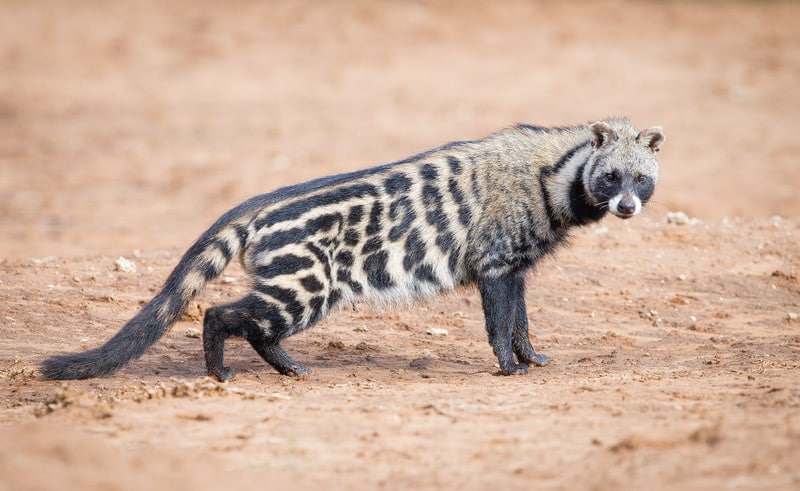
Credit: www.purekopiluwak.com
Interesting Trivia
Civet cats, often misunderstood creatures, hold a special place in nature. These small mammals boast fascinating characteristics that captivate many wildlife enthusiasts. This section unveils some intriguing trivia about civet cats, revealing their unique adaptations and behaviors.
Unique Adaptations
Civet cats have a keen sense of smell. This adaptation helps them find food in the wild. Their nocturnal vision allows them to see in low light. This makes night hunting easier for them. Their retractable claws aid in climbing trees swiftly. These adaptations enhance their survival in diverse habitats.
Unusual Behaviors
Civet cats display interesting grooming habits. They often use their tongue to clean their fur. This behavior helps them stay hygienic and healthy. Civets also mark their territory with a special scent. This scent comes from a gland near their tail. Another intriguing behavior is their solitary nature. Civets prefer to roam alone, avoiding social groups.
Credit: naturalnicheperfume.com
Frequently Asked Questions
Are There Civet Cats In The Us?
Civet cats are not native to the US. They are found mainly in Asia and Africa. The US has exotic pet laws regulating civet cat ownership. Always check local regulations before considering a civet cat as a pet.
Can Civet Cats Be Pets?
Civet cats are generally not suitable as pets. They have wild instincts and require specialized care. Legal restrictions may apply in many regions. They can be aggressive and possess strong odors. It’s best to admire them in their natural habitat or through responsible wildlife programs.
Is A Civet Cat A Raccoon?
A civet cat is not a raccoon. Civets belong to the Viverridae family, while raccoons belong to the Procyonidae family. They are different species with distinct characteristics and habitats.
Is Civet Cat Smelly?
Yes, civet cats can be smelly. They produce a strong musk used for marking territory. This scent is often described as pungent and can be unpleasant to humans. Civet cats utilize this musk for communication and mating purposes in the wild.
Conclusion
Civet cats are fascinating creatures with unique characteristics. They play a vital role in their ecosystem. Their diet includes fruits and small animals. This helps in seed dispersal and pest control. Civets have a distinct musky scent. This scent is often used in perfumes.
Understanding civet cats enriches our appreciation of biodiversity. Protecting their habitat ensures their survival. Awareness of their role benefits conservation efforts. These animals remind us of nature’s interconnectedness. Respect and care for civet cats and their environment are crucial. Together, we can support these intriguing creatures.
Let’s cherish and preserve their existence.

Similar Posts