Why Do Cats Hate Bathing? Discover the Feline Truth
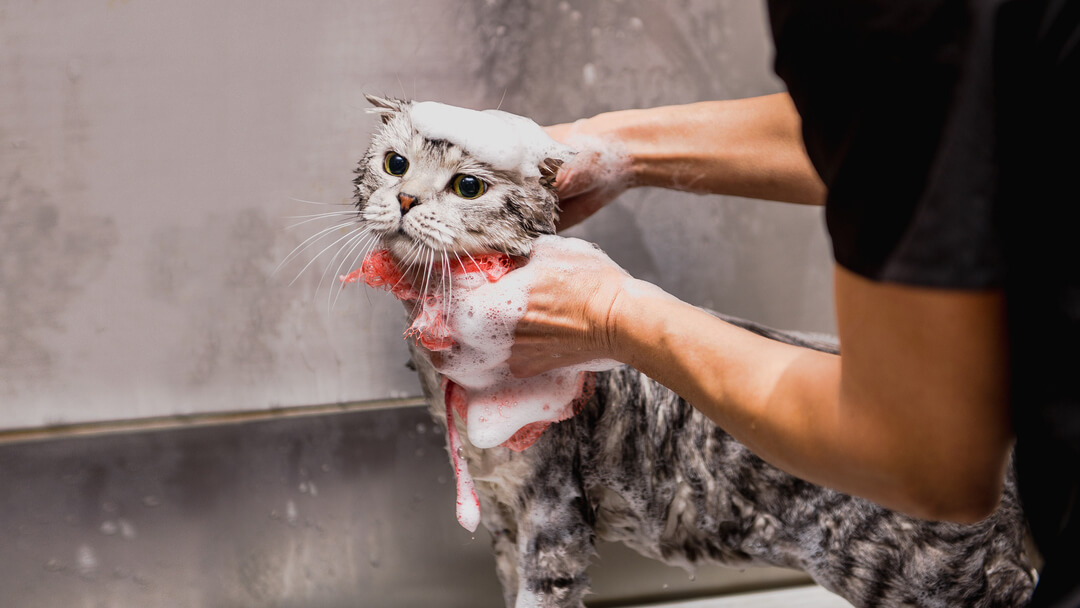
Ever tried giving your cat a bath only to find yourself in the middle of a splashy, chaotic showdown? You’re not alone.
Many cat owners have wondered why their feline friends turn into tiny, furry whirlwinds at the mere mention of water. Cats and bathing seem to be a match made in a world of hisses and scratches, but why is that?
Understanding this aversion is crucial for every cat owner because it can save you stress and keep your kitty calm and happy. Are you ready to discover the fascinating reasons behind your cat’s disdain for bathing? Stick around, and you might just find the insights that will change how you approach your pet’s grooming routine forever.
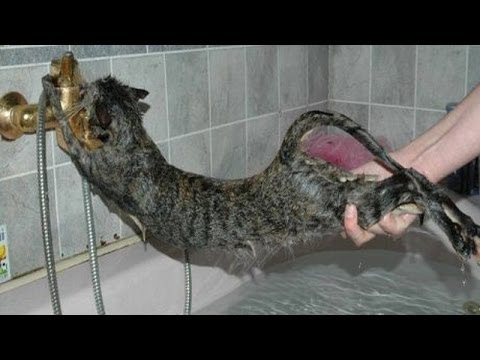
Credit: www.youtube.com
Origins Of Feline Behavior
Cats often dislike baths due to their instinctual aversion to water. Their ancestors lived in dry environments, making water unfamiliar and stressful. Additionally, their fur takes a long time to dry, causing discomfort. Understanding these origins of feline behavior helps explain why bathing can be challenging for cats.
Cats are often seen as mysterious creatures, especially when they vehemently resist bathing. Understanding the origins of feline behavior can shed light on why cats have such a strong aversion to water. By exploring their evolutionary background and natural grooming habits, we can better appreciate their instincts and quirks.Evolutionary Background
Cats have evolved over thousands of years to become the independent and agile hunters we know today. Originally desert dwellers, their ancestors rarely encountered large bodies of water. This lack of exposure contributed to their natural distrust of water. Their survival depended on stealth and speed, not swimming. This evolutionary trait persists, explaining why your cat might frantically avoid even a small puddle. Does your cat sprint away at the sound of running water? It’s their instinct kicking in.Natural Grooming Habits
Cats are meticulous self-groomers. Their tongues are equipped with tiny barbs, perfect for cleaning their fur. Through grooming, they remove dirt, distribute natural oils, and maintain their coat’s health. This self-sufficiency minimizes their need for external cleaning. Have you noticed your cat spending hours licking themselves? They are ensuring their fur remains pristine. Why endure a dreaded bath when they already have the tools to stay clean? Understanding these aspects of feline behavior can enhance your relationship with your pet. Next time your cat protests a bath, consider their ancient instincts and impressive grooming skills. Are there alternative ways to keep them clean that respect their nature?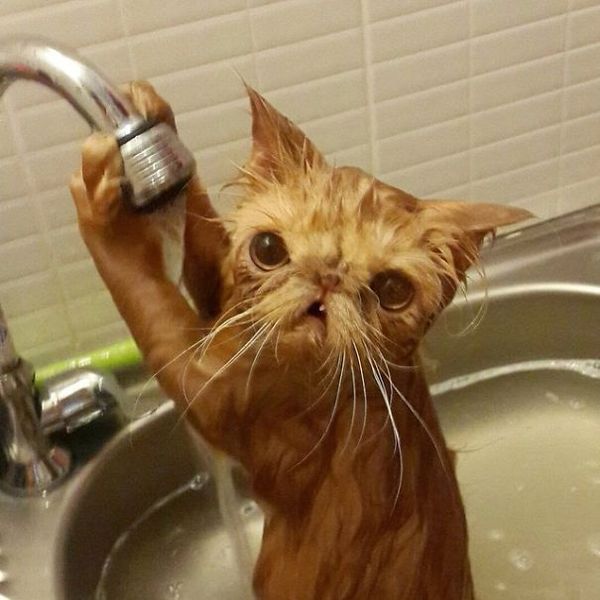
Credit: blogs.columbian.com
Sensory Sensitivities
Cats often dislike bathing due to their heightened sensory sensitivities. These sensitivities make the experience overwhelming and stressful. Understanding these can help explain why cats resist baths. Let’s explore these sensitivities.
Touch And Texture Aversion
Cats have a keen sense of touch. Their skin is very sensitive. Water touching their skin feels strange and uncomfortable. The sensation of water against their fur can be alarming. Wet fur feels heavy and restricts movement. This makes them feel vulnerable.
Temperature Sensitivity
Cats are sensitive to temperature changes. Bath water might feel too cold or too hot. Their comfort zone is quite narrow. Any deviation causes distress. They prefer consistent and moderate temperatures. This sensitivity adds to their reluctance for baths.
Psychological Factors
Cats are often seen as mysterious creatures with unique personalities. Bathing, for them, can be an unpleasant experience. Various psychological factors contribute to their dislike for water. Understanding these can help in ensuring a stress-free bath.
Stress And Anxiety
Being submerged in water can induce stress in cats. They are creatures of habit and prefer routines. A sudden change, like bathing, disrupts their comfort zone. Loud noises from running water can heighten their anxiety. Cats associate these noises with danger, causing distress.
Handling during bathing can also increase stress levels. Cats dislike being restrained and feel vulnerable. Their independence is compromised, leading to anxiety. A gentle approach can help reduce their stress.
Fear Of Water
Water itself can be intimidating for cats. They are not naturally inclined to swim. The sensation of wet fur is uncomfortable for them. Wet fur takes longer to dry, making them feel cold. Cats rely on their fur for warmth, and wet fur disrupts this.
Unfamiliarity with water amplifies their fear. Most cats are not exposed to water regularly. This lack of exposure makes them apprehensive. Gradual introduction to water can ease their fear.
Physical Discomfort
Cats often dislike bathing due to their natural aversion to water. Their fur becomes heavy and uncomfortable when wet, causing stress. Sensitive skin can also make the experience unpleasant, leading to physical discomfort and anxiety.
Cats usually dislike bathing due to the physical discomfort it causes. Their bodies are not designed for water immersion. This discomfort affects their fur, skin, and balance. Let’s explore these factors in detail.Effects On Fur And Skin
Cats have unique fur that traps air for insulation. Water disrupts this protective layer. Wet fur can make them feel cold and vulnerable. Their skin is also sensitive to water. Prolonged exposure can strip natural oils, leading to dryness. This can cause itching and irritation, making them uneasy.Balance And Coordination Challenges
Cats are agile creatures. Water can impair their balance. Wet surfaces become slippery, causing coordination issues. They can struggle to move gracefully in water. This lack of control can lead to stress. It makes them feel insecure and anxious.Cultural And Environmental Influences
Cats often dislike bathing due to their natural grooming instincts and dislike for unfamiliar sensations. Their cultural evolution as solitary predators means they rarely need water for cleanliness. Environmental factors like loud noises or slippery surfaces can also cause stress during baths.
Cats often resist bathing due to cultural and environmental influences. These factors shape their behavior and attitudes towards water. Understanding these influences can help cat owners manage their pets’ bathing needs more effectively.Human Interactions
Cats have a long history with humans. In ancient cultures, cats were revered and rarely subjected to water. Over time, some cultures have viewed cats differently, influencing their treatment. Consistent, gentle handling by humans can ease a cat’s fear of water. But rough or forceful bathing can create negative associations. A cat’s reluctance to bathe may stem from past negative experiences. This is why patience and kindness are vital during bath time.Influence Of Living Conditions
Cats adapt to their environment. Those living in dry climates may have less exposure to water. In contrast, cats in wet regions might encounter rain more often. This exposure can affect their comfort with bathing. Indoor cats face different challenges. They often have limited experience with water outside their water bowl. Outdoor cats might interact with puddles and rain, shaping their views on water. A cat’s living conditions greatly impact their bathing behavior.
Credit: www.dutch.com
Alternatives To Bathing
Cats often dislike bathing due to their natural aversion to water. Their grooming habits keep them clean without needing baths. Dry shampoo or pet wipes can be great alternatives to maintain their hygiene.
Many cat owners dread bath time, mainly because their feline friends seem to loathe it. But here’s some good news: bathing isn’t always necessary for your cat. There are alternative ways to keep your cat clean and healthy without the drama of a water-filled tub. Discover these alternatives that might just make both you and your cat happier.Effective Grooming Techniques
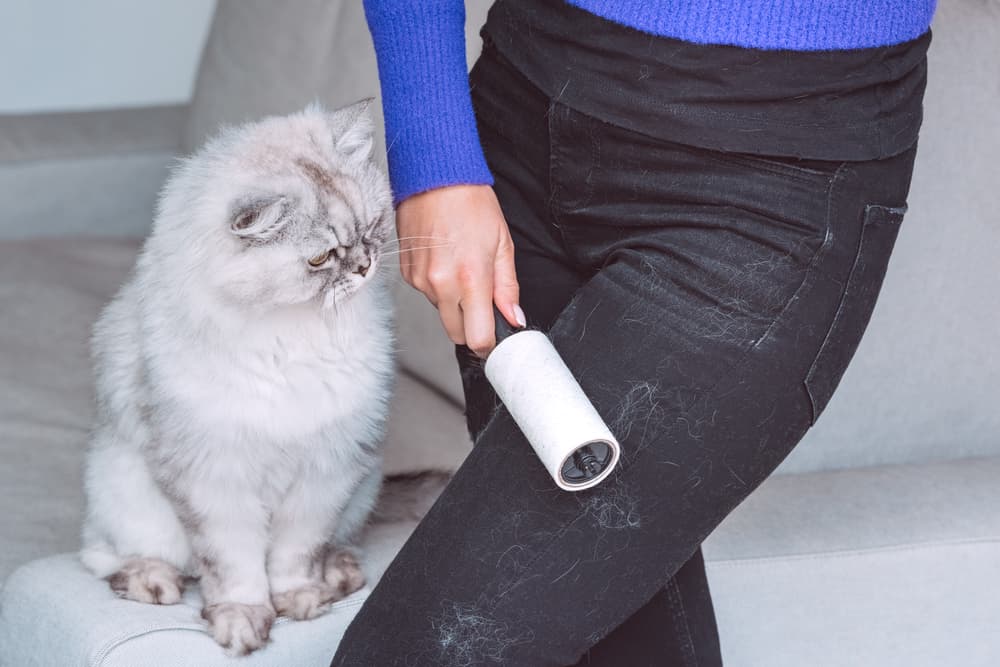
Regular grooming can significantly reduce the need for baths. Use a brush suited to your cat’s fur type—long-haired cats require different brushes than short-haired ones. Daily brushing removes loose fur and prevents matting, making your cat feel comfortable and look great. You might notice your cat purring more during these grooming sessions. It’s because you’re not just keeping their coat clean but also bonding with them. Consider using grooming as a daily ritual to strengthen your relationship.Creating A Stress-free Environment
Cats are sensitive creatures, and stress can worsen their reaction to baths. Create a calm atmosphere by using soft lighting and soothing sounds. If possible, groom your cat in a familiar space where they feel safe. Try offering treats or playtime as a reward after grooming. This positive reinforcement helps your cat associate grooming with pleasant experiences. Have you noticed how your cat’s behavior changes when they feel secure? Next time your cat seems anxious, remember the importance of their environment. A little effort in creating a peaceful setting can go a long way in keeping them calm. By focusing on these alternatives, you can keep your cat clean and content without the need for stressful bath times. Are you ready to ditch the bath and embrace these stress-free methods?Frequently Asked Questions
Why Do Cats Hate To Bathe?
Cats dislike bathing because their fur takes time to dry, causing discomfort. They naturally groom themselves, preferring to stay dry. Water can also feel unfamiliar and stress-inducing. Additionally, their skin produces natural oils that maintain cleanliness, making frequent baths unnecessary.
Why Are Cats Scared Of Taking Baths?
Cats fear baths due to unfamiliar water sensations and loss of control. Their grooming habits make baths unnecessary. They prefer staying dry, avoiding stress, and maintaining their scent. Comfort and security are essential for them, making water an intimidating experience.
It’s crucial to ensure their bathing environment is calm and stress-free.
Why Aren’t You Supposed To Give Cats Baths?
Cats groom themselves naturally, keeping clean without needing baths. Bathing can stress them and strip their fur’s natural oils. Use a damp cloth for spot cleaning if necessary.
Will Cats Hate You If You Bathe Them?
Cats typically dislike water, so they might resist bathing. They might not hate you, but they’ll likely feel stressed. Use gentle methods and positive reinforcement to minimize discomfort. Regular grooming reduces the need for baths. Always ensure their safety and comfort during the process.
Conclusion
Cats often dislike bathing due to their strong self-cleaning instincts. They find water uncomfortable and unfamiliar. This leads to stress and anxiety. Understanding your cat’s nature can help ease bath time. Use gentle methods. Try gradual introduction to water. Ensure a calm environment.
Patience is key. Respect their boundaries to build trust. Always prioritize your cat’s comfort and safety. With time, your cat might tolerate baths better. Remember, every cat is unique. Adapt strategies that suit your furry friend. Happy cats mean happy owners.
Embrace their quirks and show them love.

Similar Posts