Imagine this: you’re enjoying a peaceful evening, and suddenly, your cat begins hacking and retching. Moments later, you find yourself staring at a dreaded hairball on your floor.
Not exactly the cozy atmosphere you had in mind, right? Hairballs are an all-too-common nuisance for cat owners, and they can be distressing for your feline friend, too. But what if you could reduce or even prevent this unpleasant occurrence?
You can make life easier for both you and your cat by taking a few simple steps. Discover effective strategies to prevent hairballs and ensure your cat stays happy and healthy. Keep reading to find out how you can transform this hairy situation into a thing of the past.
Credit: smallpetselect.com
Causes Of Hairballs In Cats
Hairballs are a common issue for many cat owners. Understanding their causes can help you prevent them. Cats are meticulous groomers, which often leads to hairballs. These occur when cats ingest loose fur during grooming. Their digestive system can’t process large amounts of fur.
Cats use their tongues like brushes. While grooming, loose fur gets swallowed. Cats with longer fur are more prone to hairballs. Their fur sheds more, increasing the amount swallowed. Even short-haired cats aren’t immune. Regular grooming is a natural behavior for all cats.
Shedding
Shedding is a primary reason for hairballs. Cats shed fur naturally throughout the year. Seasonal changes can increase shedding. This leads to more fur being swallowed during grooming.
Excessive Grooming
Some cats groom more than usual. Stress or boredom can lead to excessive grooming. This behavior results in more fur consumption. Frequent grooming means more potential for hairball formation.
Diet
A poor diet can impact fur health. Unhealthy fur sheds more easily. A balanced diet promotes strong, healthy fur. This can reduce the amount of fur swallowed.
Age
Older cats may have more hairballs. Their digestive system becomes less efficient. Age can also affect their grooming habits. Older cats may groom themselves more frequently.
Credit: www.hartz.com
Dietary Solutions
Hairballs are a common concern for cat owners. They can cause discomfort for your furry friend. Fortunately, dietary changes can make a difference. Feeding your cat the right diet can help reduce hairballs. Let’s explore some effective dietary solutions.
High-fiber Diets
A high-fiber diet can help manage hairballs. Fiber aids digestion and moves hair through the system. It can also improve your cat’s overall gut health. Many commercial cat foods offer fiber-rich options. You might also consider adding fiber supplements. Always consult your vet before making changes. They can advise on the best fiber sources for your cat.
Specialty Cat Foods
Specialty cat foods target hairball reduction. These foods often contain extra fiber and other helpful ingredients. They are formulated to help hair pass through the digestive tract. Many brands offer hairball control formulas. Check labels for ingredients that promote digestion. Some even include omega fatty acids. These can improve coat health and reduce shedding. A healthier coat means less shedding. And fewer hairballs for your cat to deal with.
Grooming Techniques
Grooming your cat is more than just a bonding activity; it’s a crucial step in preventing hairballs. Cats are natural groomers, but they need your help to manage their fur and reduce the risk of hairballs. By incorporating effective grooming techniques, you can ensure your feline friend stays healthy and comfortable. Let’s dive into some practical methods to keep those pesky hairballs at bay.
Regular Brushing
Brushing your cat regularly is your first line of defense against hairballs. It helps remove loose fur that your cat might otherwise ingest during self-grooming. Depending on your cat’s breed and fur length, you may need to brush them daily or several times a week.
Consider using a brush that suits your cat’s fur type. A slicker brush works well for long-haired cats, while a comb or mitt may be better for short-haired breeds. Have you ever noticed how your cat seems more relaxed after a good brushing session? That’s because it mimics the soothing effect of their natural grooming habits.
Make brushing a fun and rewarding experience. Offer treats or playtime afterwards to create a positive association. This not only reduces hairballs but strengthens your bond with your cat. What’s your cat’s favorite post-brushing treat?
Bathing Tips
Bathing isn’t every cat’s favorite activity, but it can help reduce hairballs, especially for long-haired breeds. Choose a gentle cat shampoo that won’t irritate their skin. The key is to keep them calm and comfortable throughout the process.
Set the scene for a stress-free bath. Use lukewarm water and speak soothingly to your cat. Consider the bathroom ambiance; a quiet space with minimal distractions works best. Have you ever tried bathing your cat with a special towel? It can help them feel more secure.
After the bath, make sure to dry your cat thoroughly. A wet towel can be used for initial drying, followed by a gentle blow dryer on low heat. Always observe your cat’s reaction; their comfort is your priority. Are they more relaxed in a warm, cozy space post-bath?
Hydration Importance
Hydration plays a vital role in preventing hairballs in cats. A well-hydrated cat can easily pass hair through the digestive system. This reduces the formation of troublesome hairballs. Let’s explore how hydration helps in keeping your feline friend healthy and hairball-free.
Understanding The Role Of Water
Water aids in digestion and helps move hair through the gut. Cats often don’t drink enough water, which can lead to dehydration. This makes it hard for them to pass hair naturally. Ensuring your cat drinks enough water is crucial.
Tips To Encourage Drinking
Provide fresh water daily. Cats prefer clean and cold water. Consider using a water fountain. Moving water can attract cats to drink more. Place multiple water bowls around your home. This gives your cat easy access to water.
Wet Food Benefits
Incorporate wet food into your cat’s diet. Wet food contains more water than dry kibble. This helps in keeping your cat hydrated. It also aids in reducing hairball formation. Discuss dietary changes with your vet for the best results.
Signs Of Dehydration
Watch for signs of dehydration in your cat. Dry mouth, lethargy, and sunken eyes are key indicators. If you notice any of these, consult your vet immediately. Maintaining proper hydration is essential for your cat’s overall health.
Play And Exercise
Cats are natural hunters, and their instinct to chase and catch can be harnessed to prevent hairballs. When your cat is engaged in play and exercise, they are less likely to groom excessively, reducing the chance of hairball formation. By incorporating interactive toys and encouraging activity, you can keep your cat healthy and happy while minimizing hairballs.
Interactive Toys
Interactive toys are a great way to stimulate your cat’s mind and body. Have you ever noticed how your cat’s eyes light up at the sight of a moving feather or a laser dot? These toys mimic prey, engaging your cat’s hunting instincts.
Consider investing in toys that require your cat to chase, pounce, or bat. A simple wand toy or a battery-operated mouse can keep your cat entertained for hours. Remember, the goal is to keep them active and distracted from excessive grooming.
What about DIY options? A crumpled piece of paper or a cardboard box can become a playground for your feline friend. It’s not about spending a fortune, but rather about tapping into their playful nature.
Encouraging Activity
Encouraging your cat to be active is key. Set aside time each day to engage in play sessions. Just like humans, cats benefit from a routine that includes physical activity.
Could your cat benefit from exploring more? Create a stimulating environment with climbing structures or tunnels. Cats love to explore, and it keeps them from becoming bored and turning to grooming.
Have you ever tried a playdate? Invite a friend’s cat over for a supervised play session. Social interaction can be a surprising source of exercise and entertainment for your cat.
By focusing on play and exercise, you’re not only preventing hairballs but also enhancing your cat’s overall well-being. What creative ways can you think of to keep your feline friend active today?
Natural Remedies
Cats often struggle with hairballs. Regular grooming and adding fiber to their diet help reduce this problem. Coconut oil can also aid digestion, making it easier for cats to pass hair naturally.
Cats are delightful companions, but dealing with hairballs can be a challenge. Natural remedies offer a gentle and effective way to reduce this issue. By using safe herbs and home treatments, you can help your cat stay comfortable and healthy.Safe Herbal Options
Herbal remedies are a great way to help your cat manage hairballs naturally. Catnip is not only a fun treat but also aids in digestion and can help your cat pass hairballs more easily. Slippery elm is another option. This herb soothes the digestive tract, making it easier for your cat to eliminate hairballs. You can mix a small amount into your cat’s food. Remember, always consult your vet before adding any new herbs to your cat’s diet. What works for one cat might not work for another.Home Treatments
Simple changes at home can make a big difference in preventing hairballs. Regular grooming is essential. Brushing your cat daily reduces the amount of hair they ingest. Consider adding a small amount of olive oil or coconut oil to your cat’s diet. These oils can help lubricate your cat’s digestive system and make it easier for hair to pass through. Have you tried offering your cat a high-fiber diet? Fiber can help move hair through the digestive tract more efficiently. Look for cat foods that are specifically designed to reduce hairballs. What natural remedy have you found most effective for your feline friend? Sharing your experiences can help others find solutions that work for their pets too.Veterinary Advice
Hairballs are common in cats. Though normal, they can cause issues. Regular grooming helps, but sometimes extra care is needed. Seeking veterinary advice can provide solutions. Vets offer insights that can prevent hairball problems.
When To Consult A Vet
Observe your cat’s behavior. Frequent coughing or gagging is a warning. Vomiting hairballs more than twice a month is unusual. Changes in appetite or lethargy need attention. These signs call for a vet’s evaluation. Early intervention can prevent complications.
Medical Interventions
Vets may recommend medications. Laxatives can help the hair pass smoothly. Special diets with high fiber aid digestion. Prescription diets reduce hairball formation. Enzyme supplements can be beneficial. These interventions improve your cat’s health.
Long-haired Cat Care
Preventing hairballs in long-haired cats involves regular grooming to remove loose hair. Feeding high-fiber cat food can aid digestion. Encourage hydration to help smooth hair passage through their digestive system.
Long-haired cats are undeniably charming, with their flowing fur and regal appearance. Yet, their beautiful coats require special care to prevent uncomfortable hairballs. As a cat owner, you might wonder how to keep your feline friend’s fur tangle-free and reduce the risk of hairballs. Let’s dive into some practical tips that will make your long-haired cat’s life more comfortable.Regular Brushing
Brushing your long-haired cat is more than just grooming; it’s an essential part of their care routine. By brushing daily, you remove loose hairs that your cat might otherwise ingest when grooming themselves. Find a brush that your cat enjoys. Some cats prefer soft bristles, while others might like a comb. Test a few options to see which one makes your cat purr with contentment.Hydration And Diet
Keeping your cat well-hydrated is crucial. Water helps their digestive system function smoothly, reducing the chance of hairball formation. Ensure your cat always has access to fresh water. Consider adding fiber to their diet. Fiber aids digestion and helps with the passage of ingested hair. Consult your vet for dietary recommendations suited to your cat’s needs.Professional Grooming
You may not have the time to groom your cat as often as you’d like. Sometimes, professional grooming services are a great option. Groomers can expertly remove mats and tangles, decreasing the chance of hairballs. Occasional grooming sessions can be a treat for your cat, transforming them from a furball into a sleek, comfortable companion.Interactive Play
Engage your cat in interactive play. This not only entertains but also reduces stress, which can lead to excessive grooming and hair ingestion. Simple toys like feather wands or laser pointers can encourage your cat to move around, keeping them occupied and away from over-grooming habits.Alternative Solutions
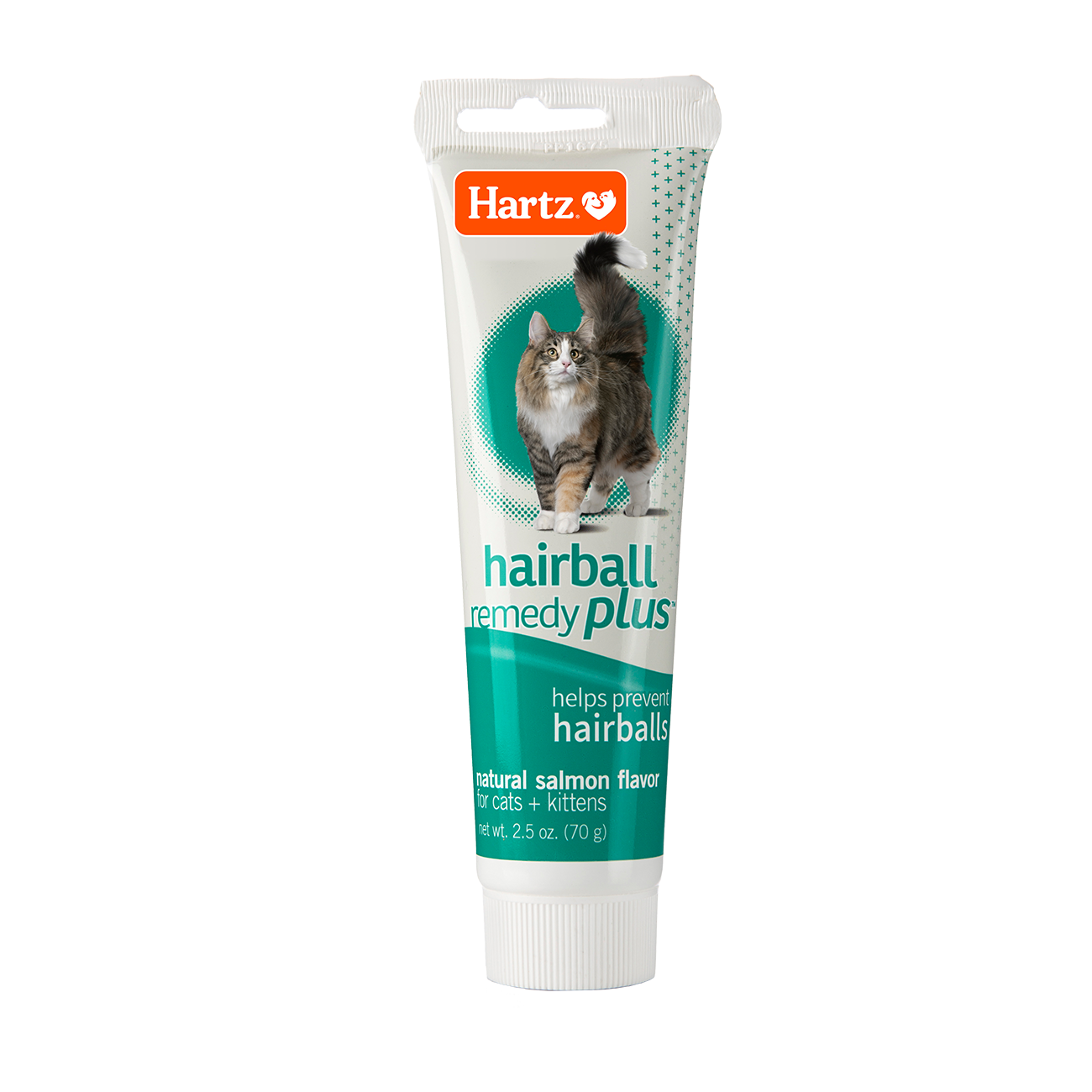
Have you considered hairball prevention products? There are gels and treats designed specifically to minimize hairball risks. These can be a helpful addition to your long-haired cat care routine. Ask yourself: have you explored all options available to support your cat’s health? Sometimes, trying something new can make all the difference. Caring for a long-haired cat requires dedication, but the rewards are countless. With a little effort, you can ensure your cat remains happy and healthy, free from the discomfort of hairballs.
Credit: wetnosespetsitting.com
Frequently Asked Questions
What Can I Give My Cat To Prevent Hairballs?
Feed your cat a hairball control formula. Regularly groom your cat to reduce loose fur. Provide high-fiber treats or supplements designed to prevent hairballs. Encourage your cat to stay hydrated by providing fresh water. Use a specialized hairball prevention gel or lubricant, if needed.
How To Stop Cats Bringing Up Hairballs?
Feed your cat a balanced diet with fiber to aid digestion. Regularly groom your cat to reduce loose hair. Offer specialized cat food designed to minimize hairballs. Keep your cat hydrated to help prevent hairball formation. Use vet-recommended hairball treatments if necessary.
Does Wet Cat Food Prevent Hairballs?
Wet cat food can help reduce hairballs. It provides moisture, aiding digestion and minimizing hairball formation. Ensure your cat drinks enough water and consumes a balanced diet. Regular grooming also helps control hairballs. Consult your vet for advice tailored to your cat’s needs.
Why Is My Cat Getting A Lot Of Hairballs?
Cats groom themselves often, ingesting loose fur. Excessive grooming or shedding increases hairball formation. Brush your cat regularly to reduce this. A balanced diet with fiber aids digestion and reduces hairballs. If hairballs persist, consult a vet. They might indicate allergies or digestive issues.
Conclusion
Helping your cat avoid hairballs is essential for their comfort. Regular grooming reduces loose fur. A balanced diet aids digestion and fur passage. Encourage play to keep them active. Hydration is crucial for smooth digestion. Use hairball control products if needed.
Monitor your cat’s habits for any changes. Vet visits ensure they’re healthy and hairball-free. Prevention is key to a happy, healthy cat. Keep these tips in mind to minimize hairballs. Your cat will feel better and be more comfortable. You both deserve a hairball-free home.
Happy cat, happy home.