Where to Pet a Cat: Unlocking Feline Affection
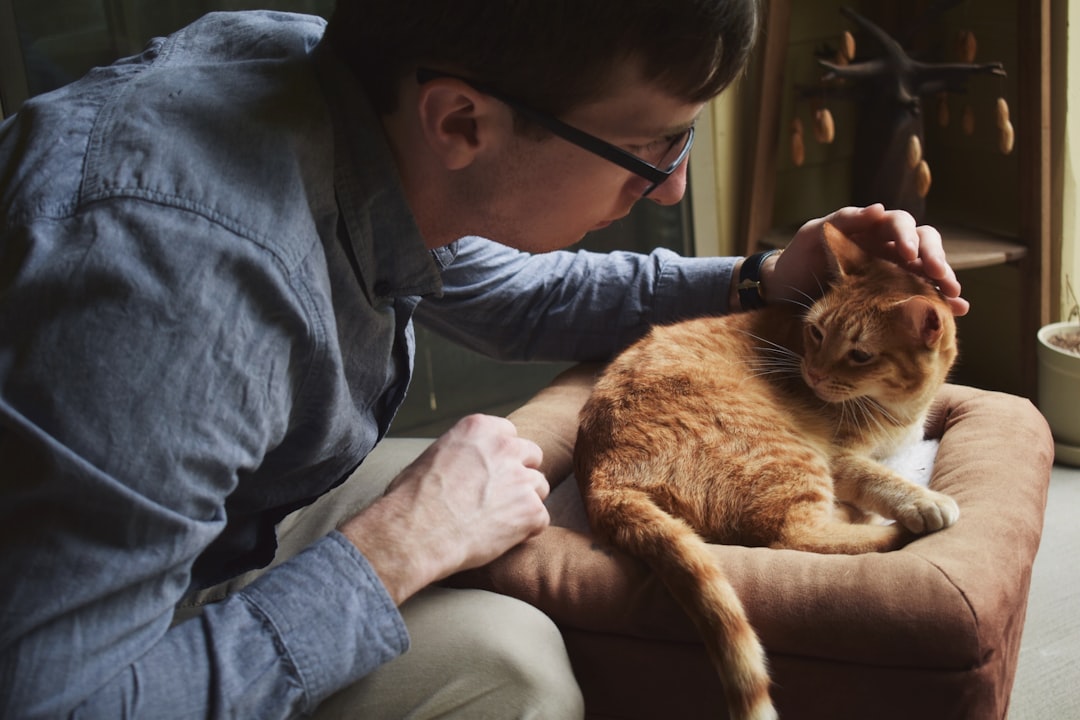
Imagine this: you walk into a room, and there’s a fluffy cat sitting in the corner, eyes half-closed, looking like the epitome of relaxation. You want to make friends, but where exactly should you pet a cat to get that delightful purr response?
Understanding the right spots can make all the difference between a pleased purr and a quick escape. If you’ve ever hesitated or felt unsure about how to connect with your feline friend, you’re not alone. Many people wonder how to approach and pet a cat in a way that feels safe and enjoyable for both parties.
This guide will reveal the secrets to successful cat petting, making every encounter a joyful experience for you and your furry companion. Dive in to discover the magic spots that will have your cat purring with delight, and ensure every interaction leaves both of you feeling more connected.
Understanding Feline Body Language
Understanding feline body language is key to bonding with your cat. Cats communicate using subtle cues. These cues include tail signals, ear positions, and vocal sounds. Reading these signs helps you know when your cat wants attention. It also helps you avoid unwanted behaviors like scratching or biting.
Tail Signals And Movements
The tail tells a lot about a cat’s mood. A high tail often signals happiness. A low or tucked tail may show fear or anxiety. If the tail is puffed up, your cat feels threatened. A slowly swishing tail can mean curiosity or annoyance. Quick flicks might suggest irritation. Watch the tail to understand your cat’s feelings better.
Ear Positions And Interpretations
Cat ears move to express emotions. Forward-facing ears show interest or playfulness. Ears turned to the side might suggest your cat is unsure. Flattened ears often mean fear or aggression. Cats also rotate ears to catch sounds. Observing ear movements helps you gauge your cat’s mood.
Purring And Vocal Cues
Purring usually indicates contentment. But it can also show stress. Listen to the pitch and context of purring. Soft purring often means your cat feels happy. Loud or irregular purring might suggest discomfort. Vocal cues include meowing and chirping. A short, soft meow can be a greeting. Loud, repeated meows might mean your cat needs something. Pay attention to these vocal signals to improve communication.
Best Spots For Petting
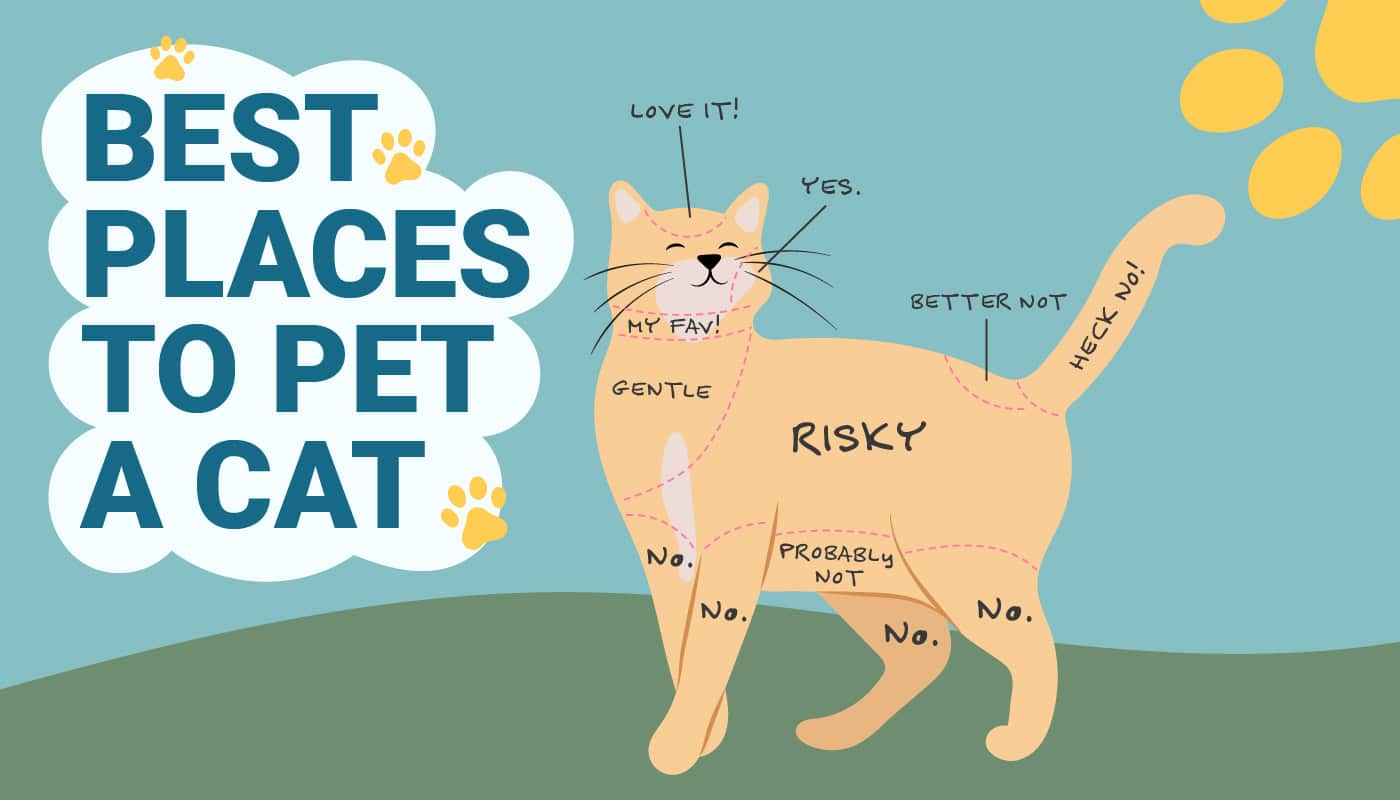
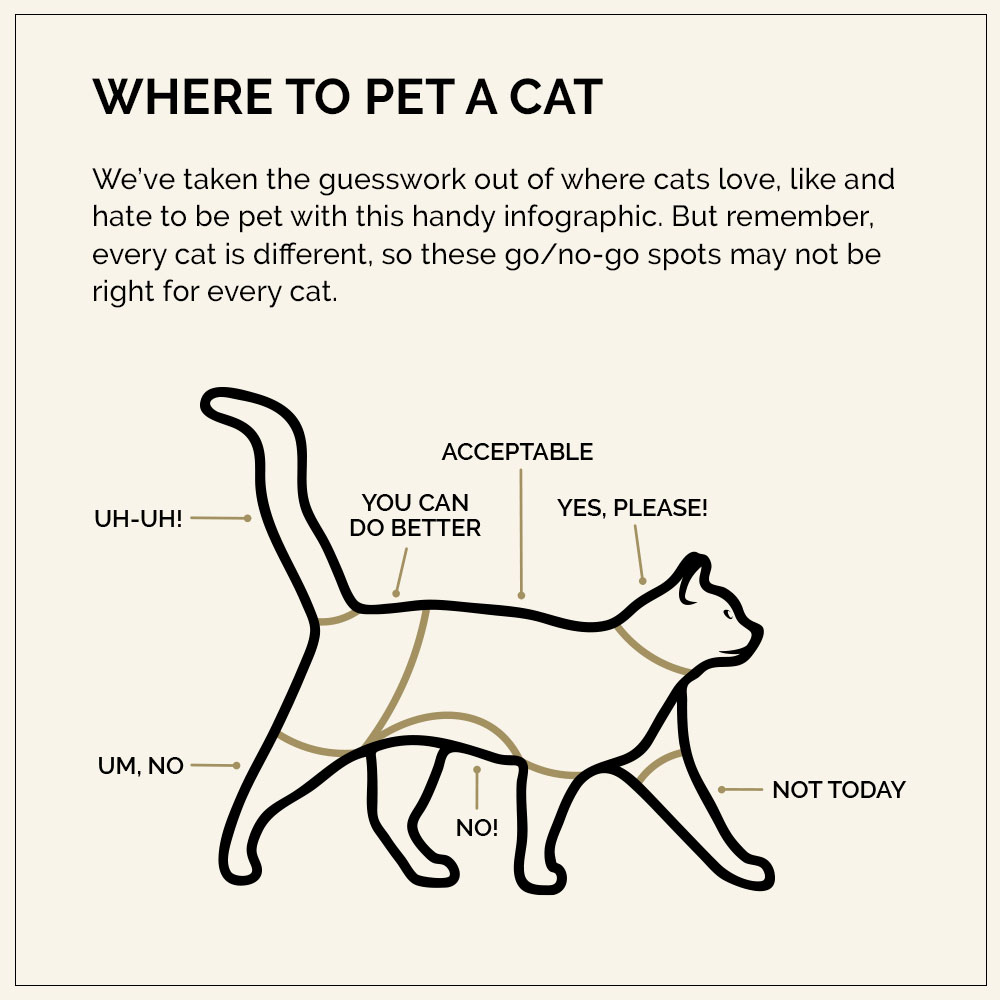
Cats love being petted, but they have preferred spots. Knowing where to pet a cat can enhance your bond. It makes your feline friend feel comfortable and loved. Some spots are better than others for petting.
Head And Cheeks
The head is a favorite spot for cats. Gently stroke their forehead. Many cats enjoy rubbing against your hand with their cheeks. They have scent glands here. Petting releases their scent, marking you as part of their family.
Chin And Neck
The chin is another great spot. Softly scratch under the chin. This often leads to purring. The neck can be a soothing area to pet. Cats often tilt their heads back for more. This shows trust and relaxation.
Back And Spine
Moving down to the back, start at the shoulders. A gentle stroke along the spine is pleasing for most cats. Use a light hand and smooth motion. Avoid petting near the tail, as some cats dislike this.
Areas To Avoid
Cats often prefer gentle strokes on their head and back. Sensitive spots like the belly, legs, and tail might cause discomfort. Understanding their reactions helps create a positive petting experience.
Petting a cat can be a delightful experience, but not all areas on a cat’s body are created equal. Cats have specific spots they love being touched, and then there are areas that should be handled with care—or avoided altogether. Understanding these areas can help you build a better bond with your feline friend. Ever wonder why your cat suddenly turns from purring to a quick swipe of the paw? It might be because you’re venturing into one of the no-go zones. Let’s uncover these sensitive spots to ensure a peaceful, scratch-free interaction.Belly And Stomach
Many cats instinctively protect their bellies, as it’s one of their most vulnerable areas. While some cats may roll over, exposing their stomachs, it doesn’t always mean they want a belly rub. This gesture is often a sign of trust, but touching their belly can trigger a defensive reaction. If you’ve ever had your cat latch onto your hand with all four paws, you’ve likely touched their stomach. The belly is sensitive, and many cats find it overstimulating. When in doubt, respect their space and stick to areas they show comfort with.Tail And Paws
The tail might appear as a tempting plaything, but it’s best left alone. Tugging or petting a cat’s tail can lead to irritation or even aggression. A cat’s tail is an extension of their spine, and it’s used for balance and communication. Handling it can disrupt their sense of security. Paws are another area to approach with caution. Cats use their paws for climbing, hunting, and grooming, making them a vital part of their daily life. Some cats are more tolerant of having their paws touched, while others may quickly retract them. Observe your cat’s reaction and proceed with gentleness if needed.Sensitive Areas
Cats, like people, have unique preferences. While some areas are generally sensitive for all cats, individual differences exist. Ears, the base of the tail, and whiskers can be particularly sensitive spots. Touching these areas might cause discomfort or distress. Pay attention to your cat’s body language. If they pull away or flatten their ears, it’s a sign to stop. Have you noticed your cat’s whiskers twitching when you reach for a certain spot? This could be a subtle hint that they’re not comfortable with the touch. Being mindful of these cues will help you avoid crossing their boundaries. Understanding where not to pet a cat is just as important as knowing where they love to be scratched. By respecting their personal space, you foster trust and strengthen your bond. So, next time you’re spending quality time with your cat, consider which areas to avoid for a happier, healthier relationship.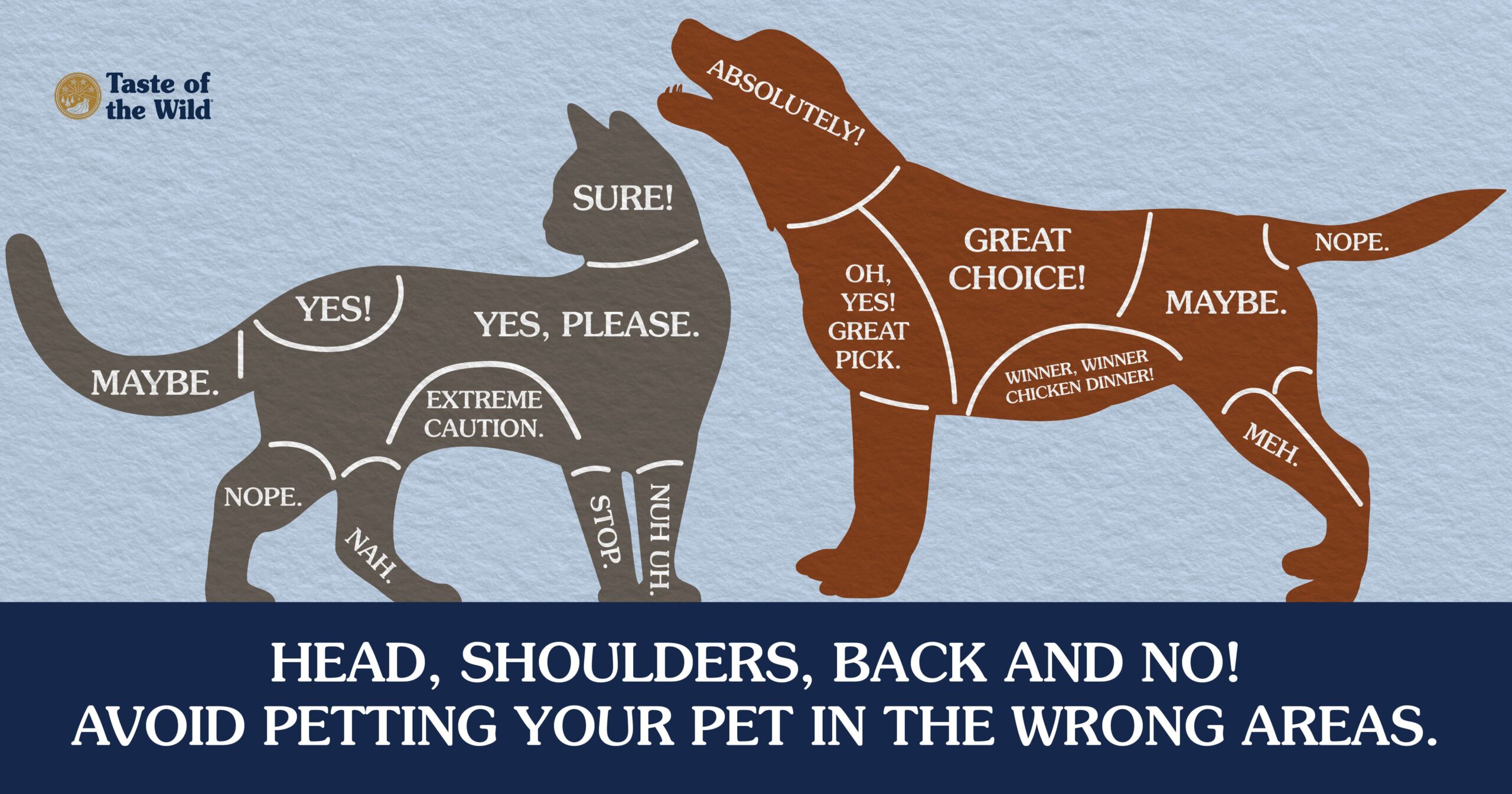
Credit: www.tasteofthewildpetfood.com
Building Trust With Your Cat
Cats love gentle touches on their cheeks, chin, and forehead. These spots help build a bond. Soft strokes on these areas make them feel safe and loved.
Building Trust with Your Cat Creating a bond with your cat takes time and patience. Cats are known for their independent nature, but they also crave affection and companionship. The key to building trust is understanding their unique behaviors and preferences. When your cat trusts you, they will be more open to petting and interaction. Let’s explore some effective strategies for fostering trust with your feline friend.Approach Techniques
Approaching a cat requires a gentle and calm demeanor. Try kneeling or sitting down to appear less intimidating. Extend your hand slowly and allow your cat to sniff it. This simple act can communicate that you mean no harm. Avoid making sudden movements or loud noises. You might notice that a slower approach gives your cat time to assess you. Remember, patience is your ally in this process. How does your cat respond when you change your approach?Respecting Boundaries
Every cat has its own comfort zones. Pay attention to their body language; a twitching tail or flattened ears might mean they’re not in the mood for petting. Respect these signals. Offering space when needed can actually strengthen your bond. When you respect their boundaries, they learn that they can trust you. Are you able to recognize when your cat needs a break?Rewarding Positive Interaction
Positive reinforcement can encourage your cat to seek more interaction. Use treats or verbal praise when they respond positively to your petting. Consider creating a routine where petting is associated with positive experiences. This might lead to your cat seeking you out for affection. Have you noticed how a small reward can change your cat’s behavior? Building trust with your cat is a journey filled with small victories. Each moment of connection strengthens your bond. As you apply these strategies, watch how your cat’s confidence and affection grow. Are you ready to deepen your relationship with your feline friend?Benefits Of Petting Cats
Petting cats can be a deeply satisfying experience. This simple act offers several benefits. It not only enhances your connection with your feline friend but also boosts your well-being. Discover the many perks of spending time with cats below.
Enhancing Bonding
Petting strengthens the bond between you and your cat. Cats enjoy gentle strokes and love the attention. This mutual interaction fosters trust. Cats show their appreciation with purring, which strengthens your relationship. Your cat becomes more comfortable around you. Over time, this leads to a deeper connection.
Stress Reduction
Petting a cat can help lower your stress levels. The rhythmic motion of stroking a cat can be calming. It helps in releasing tension and anxiety. Listening to a cat’s purr can also be soothing. This reduces your feelings of stress and helps you relax.
Promoting Health And Well-being
Spending time with cats can improve your health. Regular petting can lower blood pressure. It promotes a sense of calm and contentment. This simple act can boost your mood and overall well-being. Cats offer comfort and can make you feel less lonely.
Credit: www.diamondpet.com
Common Mistakes To Avoid
Cats often prefer gentle strokes on their cheeks and under their chin. Avoid petting their belly as it can make them uncomfortable. Watch their body language to ensure they’re enjoying the attention.
When it comes to petting a cat, it’s easy to make mistakes that could lead to an unhappy feline. Understanding what to avoid can make your interactions more enjoyable for both you and your cat. Whether you’re a new cat owner or a seasoned feline friend, knowing these common pitfalls can help ensure a positive experience.Ignoring Signs Of Discomfort
Cats communicate discomfort through their body language. A swishing tail, flattened ears, or a sudden shift in posture often signal that a cat is not enjoying the interaction. Have you ever noticed a cat suddenly dart away? That’s your cue to step back and give them space. Pay attention to these signs to avoid turning a pleasant petting session into a stressful encounter.Over-petting Risks
Even the most affectionate cats have limits. Over-petting can lead to overstimulation, which might result in an unexpected swipe or bite. Think about the last time you enjoyed a back rub—at some point, it might have started to feel irritating rather than relaxing. Similarly, knowing when to stop petting is essential. Pay attention to your cat’s cues and learn to recognize when they’ve had enough.Misreading Aggression
It’s easy to misinterpret a cat’s playful behavior as aggression. A playful swat might simply be an invitation to play rather than a sign of hostility. Have you ever mistaken a pounce for an attack, only to realize your cat was just being playful? Understanding the difference can help you respond appropriately and maintain a positive bond. Remember, cats use play to bond with their humans, so learn to read their intentions accurately. By avoiding these mistakes, you can improve your interactions with your furry friend. Observing your cat’s behavior and respecting their boundaries can lead to a more harmonious relationship. So, next time you’re about to pet your cat, remember these tips and enjoy a happier, purr-filled moment.:max_bytes(150000):strip_icc()/where-to-pet-a-cat-2000-0a0adbbb5046469e85fd8e25a197950e.jpg)
Credit: www.dailypaws.com
Frequently Asked Questions
Where Do Cats Like To Be Petted?
Cats often enjoy being petted on their head, cheeks, and under the chin. Many also love gentle strokes along their back and base of the tail. Always pay attention to your cat’s reaction to ensure they’re comfortable and content.
What Is The 3-3-3 Rule Of Cats?
The 3-3-3 rule helps new cat owners understand adjustment periods. Cats need 3 days to decompress, 3 weeks to start settling in, and 3 months to fully adapt to a new home. This timeline varies by cat but provides a general guideline for patience during the transition.
Where Is The Best Place To Pet A Cat?
The best place to pet a cat is usually the base of the chin or behind the ears. Cats also enjoy gentle strokes along their back. Always pay attention to their body language for cues. Avoid touching their belly unless you know the cat is comfortable with it.
Where Is A Cat’s Sweet Spot?
A cat’s sweet spot is often the base of the tail or under the chin. Cats love gentle scratches in these areas. Each cat is unique, so observe their reactions to find their specific sweet spot.
Conclusion
Petting a cat brings joy and comfort. Cats often enjoy gentle strokes. Try different spots like the head, chin, and back. Each cat has its own preferences. Pay attention to their reactions. A purr signals happiness, while a swish of the tail might not.
Respect their boundaries. Always approach slowly and calmly. This builds trust and a stronger bond. Understanding these cues makes petting a pleasant experience. Both for you and your feline friend. Happy petting!

Similar Posts