What Percentage of Cats Have Toxoplasmosis: Shocking Stats
Have you ever wondered about the unseen world your feline friend might be carrying around? With the cozy companionship of cats comes a mysterious hitchhiker: toxoplasmosis.
This tiny parasite often lurks unnoticed, making its home in the bodies of many cats. But just how common is it? What percentage of cats actually carry toxoplasmosis, and what does that mean for you and your beloved pet? Understanding this can help you ensure the safety and health of your household.
Dive in to uncover the surprising truth behind this common feline affliction and learn how to protect yourself and your furry companion. Don’t let the mystery remain unsolved—read on to discover the facts that every cat owner should know.
Toxoplasmosis In Cats
Toxoplasmosis in Cats:
Have you ever wondered about the health risks your feline friend might face? Toxoplasmosis is a disease caused by a parasite called Toxoplasma gondii, and it is surprisingly common in cats. This tiny parasite can live in a cat’s body without causing any harm, but it’s a different story if it spreads to humans. It’s crucial to understand how prevalent this condition is among cats and what it means for you as a pet owner.
Understanding Toxoplasmosis In Cats
Cats are the primary hosts for Toxoplasma gondii. This means that the parasite can live and reproduce inside their bodies. The interesting part is that many cats carry the parasite without showing any signs of illness. You might never know if your cat has it unless specific tests are conducted.
While indoor cats are less likely to get infected, outdoor cats can catch the parasite from hunting small animals or from contaminated soil. So, if your kitty has a penchant for outdoor adventures, it might be worth considering a check-up.
What Percentage Of Cats Have Toxoplasmosis?
Research shows that approximately 30-50% of cats worldwide have been exposed to Toxoplasma gondii at some point. That’s a significant number! But before you worry too much, remember that exposure doesn’t always lead to active infection. Many cats live with the parasite without any problems.
Consider how many cats you know that seem perfectly healthy. It’s easy to overlook the invisible threats. Regular vet visits can help monitor your cat’s health and catch any potential issues early.
How Does Toxoplasmosis Affect Cats?
Most cats with toxoplasmosis show no symptoms. If a cat does get sick, symptoms might include fever, loss of appetite, and lethargy. It’s rare, but it can happen. If you notice these signs, a visit to the vet is a smart move.
Think about how you would feel if your cat suddenly became inactive or refused to eat. It’s concerning, isn’t it? Keeping an eye on your cat’s behavior can be the first step in addressing any health issues.
Protecting Your Cat And Yourself
What can you do to protect your cat and yourself? Regular vet check-ups are essential. They can detect the presence of the parasite and help you manage it. Also, keeping your cat indoors can reduce the risk of exposure.
Have you considered the benefits of indoor living for your cat? It not only keeps them safe from parasites but also from other outdoor dangers. It’s worth thinking about, especially if you’re concerned about toxoplasmosis.
Now, take a moment to reflect on your cat’s lifestyle. Are there changes you could make to minimize risks? Simple adjustments might lead to a healthier pet and peace of mind for you.
Causes Of Toxoplasmosis
Toxoplasmosis affects many cats worldwide. This disease comes from a parasite called Toxoplasma gondii. Understanding its causes helps to prevent it. Let’s explore how cats get infected.
1. Ingesting Infected Prey
Cats often hunt small animals. Mice, birds, and rodents can carry the parasite. When a cat eats infected prey, it ingests the parasite. This is a common way for cats to get toxoplasmosis.
2. Contaminated Soil And Water
Some outdoor environments contain Toxoplasma gondii. Cats can come into contact with contaminated soil. Drinking polluted water is another risk. Both can lead to infection.
3. Mother-to-kitten Transmission
Pregnant cats can pass the parasite to their kittens. This happens through the placenta. It is a significant way young cats become infected.
4. Raw Or Undercooked Meat
Some cats eat raw or undercooked meat. This can include scraps from human meals. Such meat might harbor the parasite. Feeding cooked meat reduces the risk.
5. Contact With Infected Cats
Infected cats shed the parasite in their feces. Other cats can become infected through contact. This occurs in multi-cat households or shelters.
Understanding these causes helps protect our feline friends. By knowing the risks, you can take preventive steps. Keep your cat safe from toxoplasmosis.
Symptoms In Cats
Around 30-50% of cats may carry Toxoplasmosis, a common parasitic infection. Most infected cats show no clear symptoms. Keeping an eye on your cat’s health can help detect any unusual signs early.
Understanding the symptoms of toxoplasmosis in cats is crucial for any pet owner. This common parasite infection can be silent, showing no signs, or it can manifest in subtle ways that you might easily overlook. Keeping an eye on your feline friend’s behavior and health can make all the difference.Behavioral Changes
Cats infected with toxoplasmosis might exhibit changes in their usual behavior. You may notice your cat becoming more lethargic, sleeping more than usual, or showing a lack of interest in activities they once enjoyed. If your playful kitty suddenly seems indifferent to their favorite toys, it might be worth a closer look.Loss Of Appetite
A sudden decrease in appetite can be a warning sign. Cats that are usually eager for their meals might suddenly become disinterested in food. They might nibble a bit and leave the rest. Have you noticed your cat skipping meals? This could be a symptom that needs attention.Respiratory Issues
Respiratory symptoms such as coughing, sneezing, or difficulty breathing can also be indicative of toxoplasmosis. These symptoms often mimic those of a common cold. If your cat seems to have ongoing respiratory issues, it’s a sign to consult a vet.Neurological Signs
In some cases, infected cats may show neurological symptoms like seizures or difficulties in coordination. While these are less common, they can be serious. If you observe your cat acting disoriented or experiencing tremors, immediate veterinary care is essential.Fever And Fatigue
Does your cat seem unusually tired or run-down? A persistent fever paired with fatigue could be a sign of toxoplasmosis. Cats might lay around more, showing less enthusiasm for daily activities. Monitoring your pet’s energy levels can be crucial. Recognizing these symptoms is your first step in ensuring your cat’s health. How vigilant are you in observing your pet’s behavior? A proactive approach can help in detecting and managing toxoplasmosis early on.Global Infection Rates
Approximately 30-50% of cats worldwide carry Toxoplasmosis. This common parasite can spread to humans through cat feces. Many cats show no symptoms, making detection challenging.
Understanding the global infection rates of toxoplasmosis in cats is crucial for cat owners worldwide. This intriguing subject often raises eyebrows and questions about our feline friends’ health. You might wonder how widespread this infection is and what it means for your beloved pet. With varying statistics across the globe, the issue becomes even more fascinating and complex. Let’s dive into the numbers and see what they reveal.Understanding Global Variation
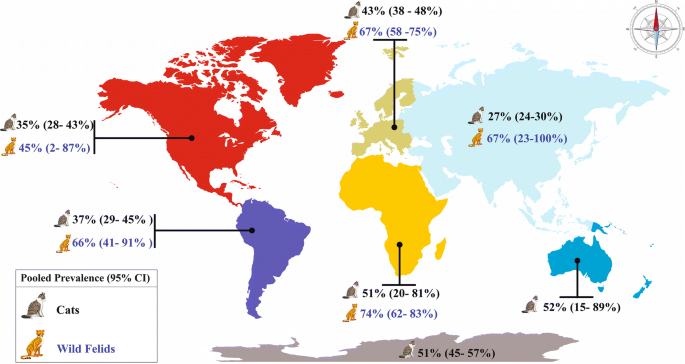
The prevalence of toxoplasmosis in cats varies significantly from one region to another. In some areas, nearly half of the cat population might be infected, while in others, the rate could be as low as 10%. This vast difference can be attributed to factors like climate, the presence of other animals, and even local dietary habits of cats. It’s essential to know these rates, especially if you’re considering adopting a cat from a different country.Factors Influencing Infection Rates
Several factors play a role in determining how many cats are affected by toxoplasmosis. One primary factor is the environment. Urban areas with high density of stray cats often report higher infection rates due to increased interaction. Another factor is diet—cats consuming raw or undercooked meat might be at higher risk. Have you ever wondered if your cat’s diet could be affecting their health? It’s a question worth exploring.Comparing Infection Rates Globally
To give you a clearer picture, consider this: a study from Brazil found that approximately 40% of cats tested positive for toxoplasmosis. Meanwhile, a similar study in the UK reported rates around 20%. These statistics highlight the disparity and emphasize the importance of local research. Could your region be one of those with higher rates? Checking with local veterinary sources might provide insights.Why Should You Care?
You might ask, why is this information important for you? Knowing the global infection rates can help you make informed decisions regarding your cat’s health. If you live in an area with high infection rates, it might be wise to take preventive measures. Regular vet check-ups and a healthy diet can play a pivotal role in keeping your feline friend safe. How proactive are you about your cat’s health? Understanding these global trends not only helps in safeguarding your cat but also contributes to overall public health awareness. Are you ready to take the necessary steps to protect your pet?Regional Variations
Toxoplasmosis is a common parasitic infection among cats worldwide. However, its prevalence varies significantly across different regions. Factors such as climate, cat population density, and human lifestyle contribute to these variations.
Regional Variations In Europe
In Europe, countries with warmer climates see higher infection rates. Southern regions, like Italy and Spain, report more cases. Cats in these areas roam freely, increasing exposure to the parasite.
Regional Variations In North America
North America shows diverse patterns in toxoplasmosis prevalence. Urban areas, with indoor cats, often have lower rates. Rural regions, where cats hunt, tend to have higher infection numbers.
Regional Variations In Asia
Asia presents unique challenges with toxoplasmosis. High cat populations in densely populated cities contribute to varied infection rates. Coastal areas, with favorable conditions for the parasite, report increased cases.
Regional Variations In Africa
Africa’s diverse environments affect toxoplasmosis prevalence. Tropical regions, with abundant wildlife, see higher infection rates. Cats in these areas have more opportunities to contact the parasite.
Regional Variations In Australia
Australia’s isolated nature influences toxoplasmosis prevalence. Remote areas have higher rates due to wildlife interactions. Urban settings often report lower infection numbers.
Transmission To Humans
Cats play a crucial role in the life cycle of Toxoplasma gondii. This parasite can cause toxoplasmosis. Understanding how it transmits to humans is vital. It’s not just about keeping your cat healthy. It’s also about safeguarding your own health.
How Humans Contract Toxoplasmosis
Humans can get toxoplasmosis in several ways. One common method is through handling cat feces. Especially if the cat is infected. Cleaning a litter box without proper hygiene can be risky.
Contaminated Food And Water
Contaminated food and water are other sources. Eating undercooked or contaminated meat can lead to infection. Drinking water contaminated with Toxoplasma gondii is also a risk.
Gardening Without Gloves
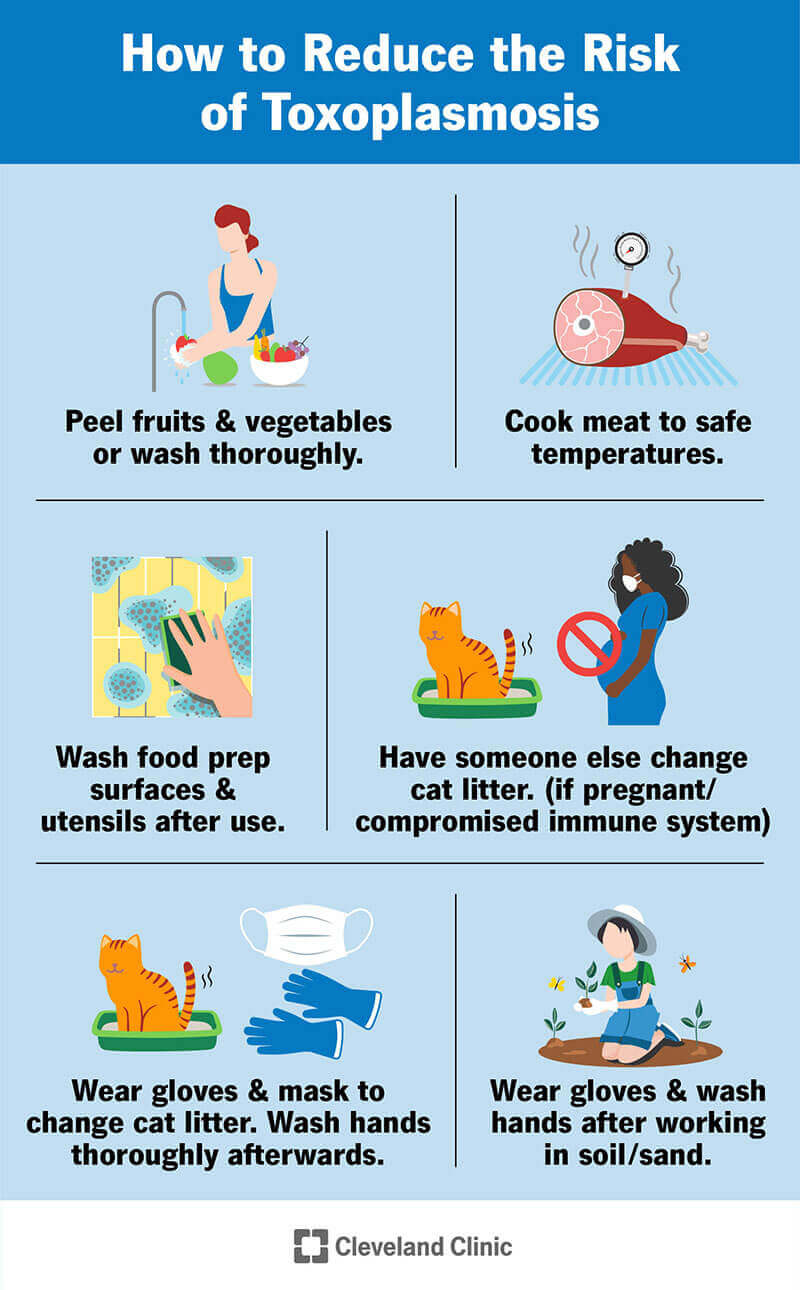
Gardening without gloves can expose you to the parasite. Soil contaminated with cat feces can harbor Toxoplasma gondii. Wearing gloves while gardening reduces this risk.
Mother-to-child Transmission
Pregnant women should be particularly cautious. The parasite can pass from mother to child. This transmission can occur during pregnancy. It can lead to serious health issues for the baby.
Preventing Toxoplasmosis
Many cats carry toxoplasmosis, with estimates suggesting about 30-50% could be affected. Regular vet check-ups help in early detection. Keeping your cat indoors can reduce the risk of infection.
Cats can carry a parasite called Toxoplasma gondii. This parasite causes toxoplasmosis. It can affect humans and animals. Understanding how to prevent this disease is vital. It protects both pets and owners. Simple steps can reduce the risk of transmission. Let’s explore effective measures for prevention.Keep Cats Indoors
Indoor cats have a lower risk of infection. They avoid contact with infected prey. Outdoor cats often hunt and eat rodents. These rodents may carry the parasite. Keeping cats indoors limits their exposure. It also keeps them safe from other dangers.Proper Litter Box Hygiene
Clean the litter box daily. Use gloves while cleaning. Dispose of waste in sealed bags. Wash hands thoroughly afterwards. A clean litter box reduces contamination risk. It’s crucial for preventing toxoplasmosis. Pregnant women should avoid cleaning litter boxes.Feed Cats Commercial Cat Food
Raw or undercooked meat can carry the parasite. Feed cats commercial cat food. It’s safe and nutritious. Avoid giving raw meat to cats. This reduces the chance of infection. Safe feeding habits protect both cats and owners.Regular Veterinary Check-ups
Schedule regular vet visits for your cat. Vets can test for toxoplasmosis. Early detection helps manage the disease. Vaccinations and treatments keep cats healthy. Veterinarians provide advice on prevention. Regular check-ups are essential for pet health.Educate Family Members
Everyone in the household should know about toxoplasmosis. Teach children safe pet-handling practices. Explain the importance of washing hands. Awareness reduces the risk of infection. Family education is key to prevention. Keeping everyone informed is vital. `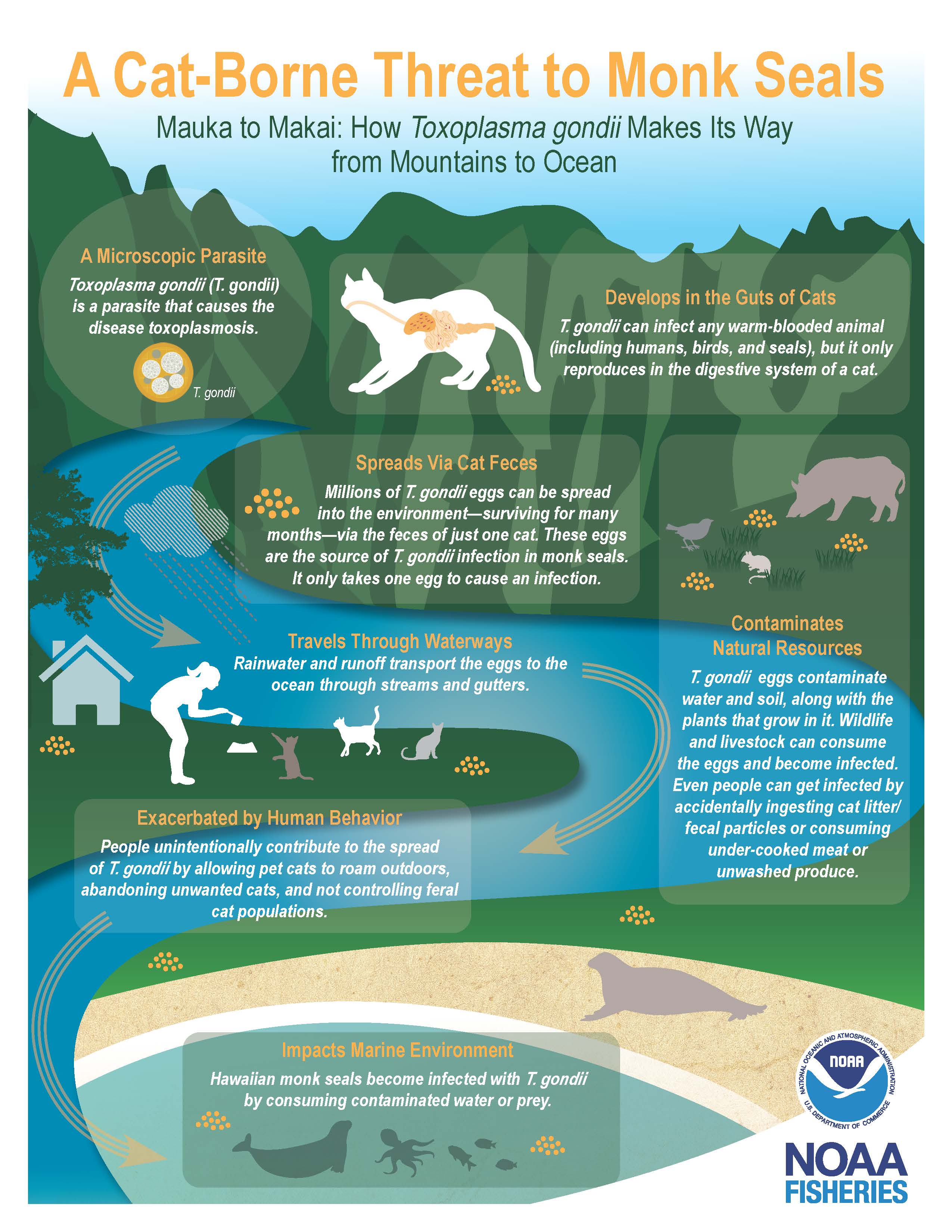
Credit: www.fisheries.noaa.gov
Impact On Cat Health
Cats are fascinating creatures, often showcasing a mix of independence and affection. But their health can be influenced by various factors, including Toxoplasmosis. This common infection is caused by the parasite Toxoplasma gondii. While many cats may carry the parasite, not all show symptoms. Understanding its impact is crucial for cat owners.
Toxoplasmosis can affect a cat’s immune system. Cats with strong immune responses often remain asymptomatic. They carry the parasite without showing signs of illness. But cats with weaker immune systems might experience symptoms. These can include fever, loss of appetite, and lethargy. Symptoms may sometimes resemble other common illnesses.
Behavior Changes
Infected cats might display subtle behavior changes. Some cats may become less playful. Others might seek more solitude. These changes can be temporary. They usually improve as the cat’s health stabilizes. Observing a cat’s behavior helps owners detect potential health issues early.
Digestive Problems
Digestive issues can arise from Toxoplasmosis. Cats may experience diarrhea or vomiting. Such symptoms can lead to dehydration. It’s vital to provide fresh water and monitor their intake. Digestive problems might require veterinary attention. Prompt treatment ensures faster recovery.
Weight Loss
Weight loss is another concern. Infected cats may eat less, losing weight rapidly. This can affect their overall health. Regular weight checks help track any changes. A balanced diet is essential for recovery. Consult a vet for suitable dietary adjustments.
Respiratory Issues
Respiratory symptoms might occur in severe cases. Cats may develop coughing or difficulty breathing. These symptoms require immediate veterinary care. Early intervention can prevent complications. Keeping track of any breathing changes is crucial.
Understanding these impacts helps manage Toxoplasmosis in cats. Regular vet visits and monitoring are key to maintaining a cat’s health. Awareness of symptoms ensures timely and effective care.
Research And Discoveries
The world of feline health is filled with mysteries. One such mystery is Toxoplasmosis. This condition is common in cats. Researchers have made many discoveries about it. Let’s dive into these findings.
The Prevalence Of Toxoplasmosis In Cats
Studies show that around 30-50% of cats carry Toxoplasma gondii. This parasite causes Toxoplasmosis. It often goes unnoticed in cats. They rarely show symptoms. Yet, they can still spread the parasite.
How Cats Get Infected
Cats become infected by eating contaminated meat. They can also get it from hunting rodents or birds. Once infected, they shed the parasite in their feces. This can last for weeks. It poses risks to other animals and humans.
Impact Of Environment On Infection Rates
The environment affects infection rates. Urban cats are less exposed. They have lower infection rates. Rural cats hunt more. They have higher chances of infection. The climate also plays a role. Warmer regions see more cases.
Testing And Diagnosis
Veterinarians use blood tests to diagnose Toxoplasmosis. These tests detect antibodies. A positive result shows exposure. It does not always mean an active infection. Regular check-ups help monitor your cat’s health.
Recent Discoveries In Toxoplasmosis Research
Recent studies reveal interesting facts. New treatments are being tested. Scientists work on vaccines. They aim to prevent infections. Understanding of the parasite’s life cycle is improving. This helps in developing better control measures.
Research continues to unlock the secrets of Toxoplasmosis. This will protect both cats and humans. Stay informed and keep your feline friends healthy.
Credit: parasitesandvectors.biomedcentral.com
Public Awareness
Understanding the prevalence of toxoplasmosis in cats is important for public health. Around 30-50% of cats may carry this parasite. Awareness helps in taking precautions to prevent transmission to humans.
Public awareness about toxoplasmosis in cats is crucial. Many people are unaware of the potential risks associated with this common parasite. You might wonder why understanding toxoplasmosis is important for cat owners and the general public alike. It’s not just about protecting your furry friend; it’s also about safeguarding human health.Understanding Toxoplasmosis
Toxoplasmosis is caused by the parasite Toxoplasma gondii. Cats are its primary hosts, and they can spread it through their feces. Did you know that nearly 30-50% of cats may carry this parasite at some point in their lives? It’s more common than you might expect.Why You Should Care
Toxoplasmosis can affect humans, especially those with weakened immune systems. Pregnant women should be particularly cautious, as it can harm unborn babies. Imagine the impact on your family if your cat unknowingly carries this parasite. It’s essential to be informed and proactive.How Can You Protect Yourself?
Regular vet check-ups for your cat can help detect toxoplasmosis early. Keeping your cat indoors reduces their exposure to the parasite. You can also protect yourself by practicing good hygiene. Wash your hands after handling cat litter and keep their environment clean.Spreading The Word
Encourage fellow cat lovers to learn about toxoplasmosis. Share information with your friends and family. Consider hosting small gatherings or online forums to discuss pet health. Awareness leads to prevention.Think About It
What steps are you taking to ensure the health of your cat and yourself? Are you vigilant about symptoms or changes in your pet’s behavior? Reflect on the information and take action. Being informed can make all the difference. Understanding toxoplasmosis and raising awareness can protect both cats and humans. Make it your mission to spread knowledge and ensure a healthier community.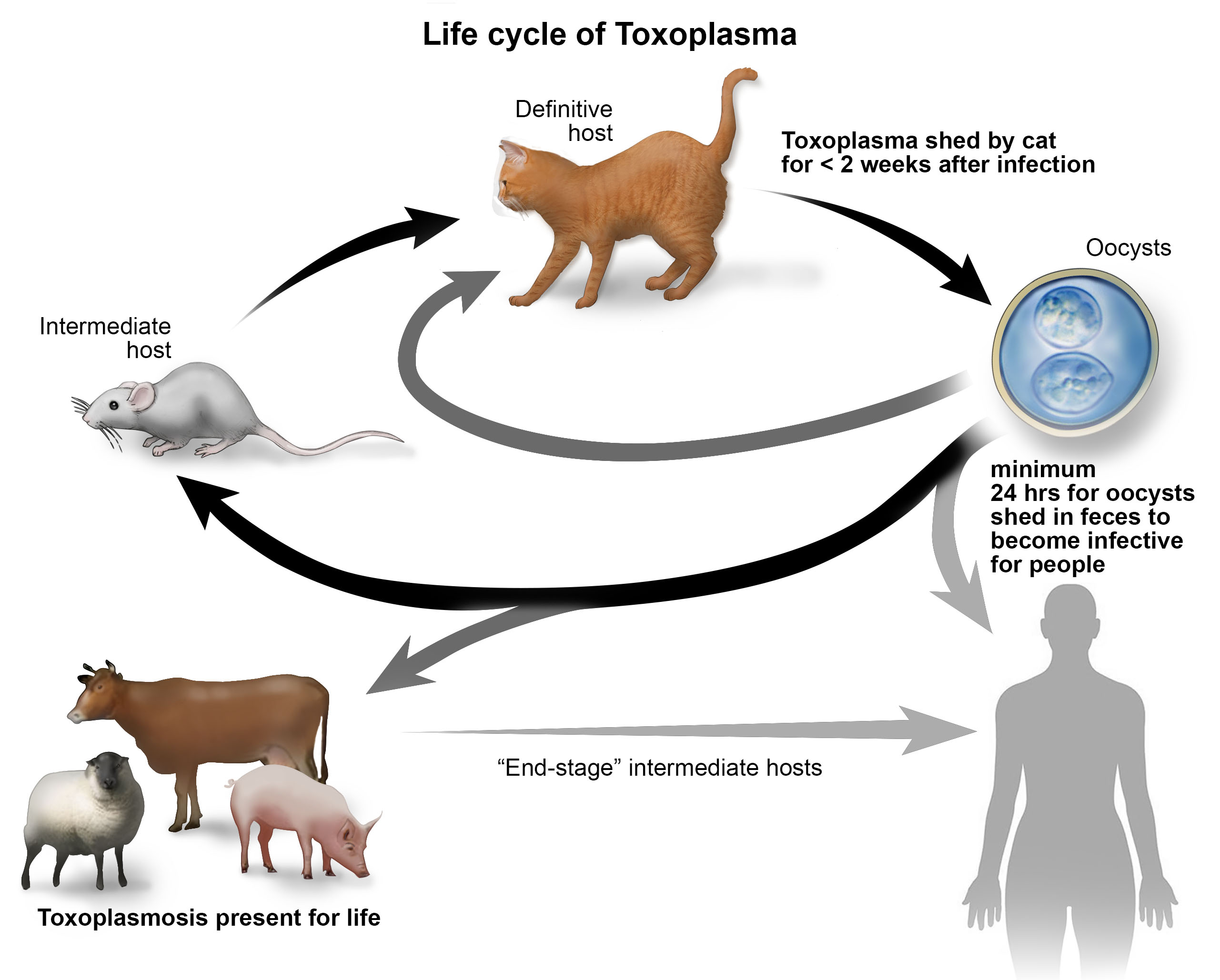
Credit: www.vet.cornell.edu
Frequently Asked Questions
How Likely Does My Cat Have Toxoplasmosis?
Cats often carry toxoplasmosis without showing symptoms. Regular vet check-ups can detect the infection early. Indoor cats are less likely to have toxoplasmosis than outdoor ones. Keep litter boxes clean and avoid feeding raw meat to reduce risk. Consult your vet for a definitive diagnosis.
What Are The Odds Of Getting Toxoplasmosis?
Toxoplasmosis risk is low for most people. It’s mainly transmitted through undercooked meat or cat feces. Pregnant women and those with weakened immune systems should take extra care. Good hygiene and proper food handling reduce the odds significantly. Always consult a healthcare professional for personalized advice.
What Percentage Of Cat Owners Have Toxoplasma Gondii?
Around 30-50% of cat owners may carry Toxoplasma gondii. This parasite often spreads through cat feces. Most infected individuals show no symptoms. Pregnant women and those with weakened immune systems should take precautions. Always practice good hygiene when handling cat litter.
How Common Is Toxoplasmosis In Stray Cats?
Toxoplasmosis is quite common in stray cats. Studies suggest up to 74% may carry the parasite. Regular exposure to infected prey increases their risk. Proper hygiene and handling can minimize transmission to humans.
Conclusion
Understanding toxoplasmosis in cats helps in keeping them healthy. Many cats carry the Toxoplasma parasite. But not all show symptoms. Regular vet visits ensure early detection and treatment. Clean litter boxes daily to reduce risks. Always wash hands after handling cats.
Educate yourself about symptoms. Awareness prevents spread to humans and other animals. Toxoplasmosis is manageable with proper care. Stay informed and keep your furry friends safe. A healthy cat means a happy home. Your vigilance protects both cats and humans.
Keep learning about pet health. It’s vital for their well-being.