What is the Best Cat Food for a Cat: Ultimate Guide
Are you standing in the pet food aisle, overwhelmed by the endless choices of cat food? You’re not alone.
Picking the best cat food for your feline friend can feel like solving a puzzle. Your cat deserves a meal that’s not only tasty but also packed with the nutrients they need to thrive. Choosing the wrong food might lead to health issues or a grumpy kitty.
Imagine the peace of mind you’ll have knowing you’re giving your cat the best. We’ll guide you through the maze of options, helping you discover the ideal food that will keep your cat purring with delight. Stay with us, and let’s find the perfect meal for your furry companion together!
Factors To Consider
Choosing the best cat food is crucial for your feline’s health. Consider several factors to ensure your cat gets the right nutrition. This section explores the essential aspects to keep in mind. From age to dietary needs, these play a significant role in your cat’s diet.
Age And Life Stage
Different ages require different nutrients. Kittens need more protein and calories to grow. Adult cats benefit from balanced nutrients for maintenance. Senior cats might need fewer calories and more fiber. Knowing your cat’s age helps choose the right food.
Dietary Needs
Cats have specific dietary requirements. They need high protein and essential amino acids. Taurine is crucial for heart and vision health. Omega fatty acids maintain a shiny coat and healthy skin. Ensure the food meets these needs.
Health Conditions
Some cats have health issues needing special diets. Cats with kidney problems benefit from low-protein food. Obese cats might require weight management formulas. Allergies need food free from specific ingredients. Check with a vet for tailored dietary advice.
Types Of Cat Food
Choosing the right cat food involves understanding dry, wet, and raw options. Each type offers unique benefits for feline health. Focus on ingredients and nutritional value to find the best fit for your cat’s needs.
Choosing the right food for your cat is crucial for their health and happiness. With so many options available, it can be overwhelming to decide which type of cat food is best. Let’s break down the different types of cat food to help you make an informed choice for your furry friend.Dry Food
Dry food, often called kibble, is a popular choice for many cat owners. It’s convenient to store and serve, making it a go-to for busy households. Kibble helps with dental health by reducing plaque buildup, but it’s essential to ensure your cat has plenty of fresh water available since dry food contains little moisture. Cats may enjoy the crunch of dry food, but be cautious about ingredients. Look for high-quality proteins and avoid fillers like corn and soy. A friend once switched her cat to a premium dry food brand and noticed not only a shinier coat but also increased energy levels.Wet Food
Wet food typically comes in cans or pouches and offers a high moisture content, which is excellent for hydration. This is particularly beneficial for cats that don’t drink much water. The texture and aroma of wet food can be more appealing to picky eaters, enticing them to eat better. However, wet food can be more expensive and less convenient to store once opened. You might find yourself wondering if the extra cost is worth it. Observing your cat’s health and satisfaction can help answer that question.Raw Diet
A raw diet mimics what cats would eat in the wild, focusing on raw meats, bones, and organs. Advocates argue it leads to healthier coats, cleaner teeth, and more energy. But it requires careful preparation to ensure nutritional balance and prevent bacterial contamination. Are you willing to invest the time for meal prep? Some cat owners, like a neighbor who swears by the raw diet, say it’s worth the effort for the noticeable health benefits. Research thoroughly and consult with a vet before making this choice to ensure it meets your cat’s nutritional needs. Deciding on the best type of cat food involves understanding your cat’s unique needs and lifestyle. What works for one cat might not be ideal for another. Keep your cat’s preferences and health in mind, and don’t hesitate to consult with a veterinarian to find the perfect fit.Nutritional Requirements
Choosing the best cat food means understanding your feline’s nutritional requirements. Just like humans, cats have specific dietary needs that must be met for them to thrive. You want your cat to be happy, energetic, and healthy, right? So, let’s dive into what makes a cat food truly beneficial for your furry friend. This section will explore the essential nutrients your cat needs, broken down into proteins and amino acids, fats and fatty acids, and vitamins and minerals.
Proteins And Amino Acids
Proteins are crucial for your cat’s growth and repair. Cats are obligate carnivores, meaning they need meat-based protein sources to stay healthy. Have you ever noticed how your cat prefers chicken or fish over grains? That’s because their bodies are wired to process proteins more efficiently. Ensure that the cat food you choose lists a high-quality animal protein as the first ingredient. Look for options with chicken, turkey, or fish, not just as flavoring but as primary sources.
Moreover, amino acids like taurine are essential for your cat’s heart and eye health. Without enough taurine, your cat could face serious health issues. Consider checking the packaging to ensure taurine is included. It’s not something you can compromise on.
Fats And Fatty Acids
Fats are another vital component in your cat’s diet. They provide energy and help absorb vitamins. You might worry about fats being unhealthy, but for cats, fats are crucial. They need fatty acids like omega-3 and omega-6 for a shiny coat and healthy skin. Ever noticed your cat’s fur looking dull? It might be lacking essential fatty acids.
Look for foods that include fish oils or poultry fat, as these are excellent sources of these nutrients. A well-balanced fat content in cat food can make a noticeable difference in your cat’s appearance and vitality.
Vitamins And Minerals
Vitamins and minerals support various bodily functions and keep your cat’s immune system strong. You may not think much about vitamins when choosing cat food, but they’re just as important for cats as they are for humans. Think about how you feel when you’re low on vitamins—sluggish, right? Cats can feel the same way.
Opt for foods that contain a balanced mix of vitamins like A, D, E, and K, along with essential minerals like calcium and phosphorus. These nutrients contribute to strong bones and teeth, and overall good health. Check the label for a comprehensive list of vitamins and minerals to ensure your cat is getting what it needs.
As you decide on the best cat food, consider these nutritional requirements. Does your current cat food meet these criteria? If not, it might be time to switch things up for your feline friend.

Credit: cats.com
Reading Food Labels
Choosing the right cat food involves understanding the food labels. These labels provide essential information that helps you decide if the food meets your cat’s nutritional needs. Reading food labels can be tricky. Let’s simplify the key components.
Ingredient List
The ingredient list is crucial. It shows what the food is made of. Ingredients are listed by weight. The first few items are the most abundant. Look for high-quality proteins as the first ingredient. Avoid foods with fillers like corn or wheat. These don’t add much nutrition.
Guaranteed Analysis
Guaranteed analysis provides the nutrient breakdown. It lists percentages of protein, fat, fiber, and moisture. Protein should be high for a healthy cat. Fat provides energy, but too much can be bad. Fiber helps digestion. Check these values against your cat’s needs.
Aafco Statement
The AAFCO statement shows if the food meets nutritional standards. AAFCO stands for Association of American Feed Control Officials. If a label states “complete and balanced,” it meets AAFCO guidelines. This means the food supports your cat’s health. Always look for this statement.
Top Brands To Consider
Finding the best cat food can be challenging. With so many brands, making the right choice is crucial. Each cat has unique dietary needs. Knowing the top brands simplifies decision-making. Let’s explore some of the best options.
Premium Options
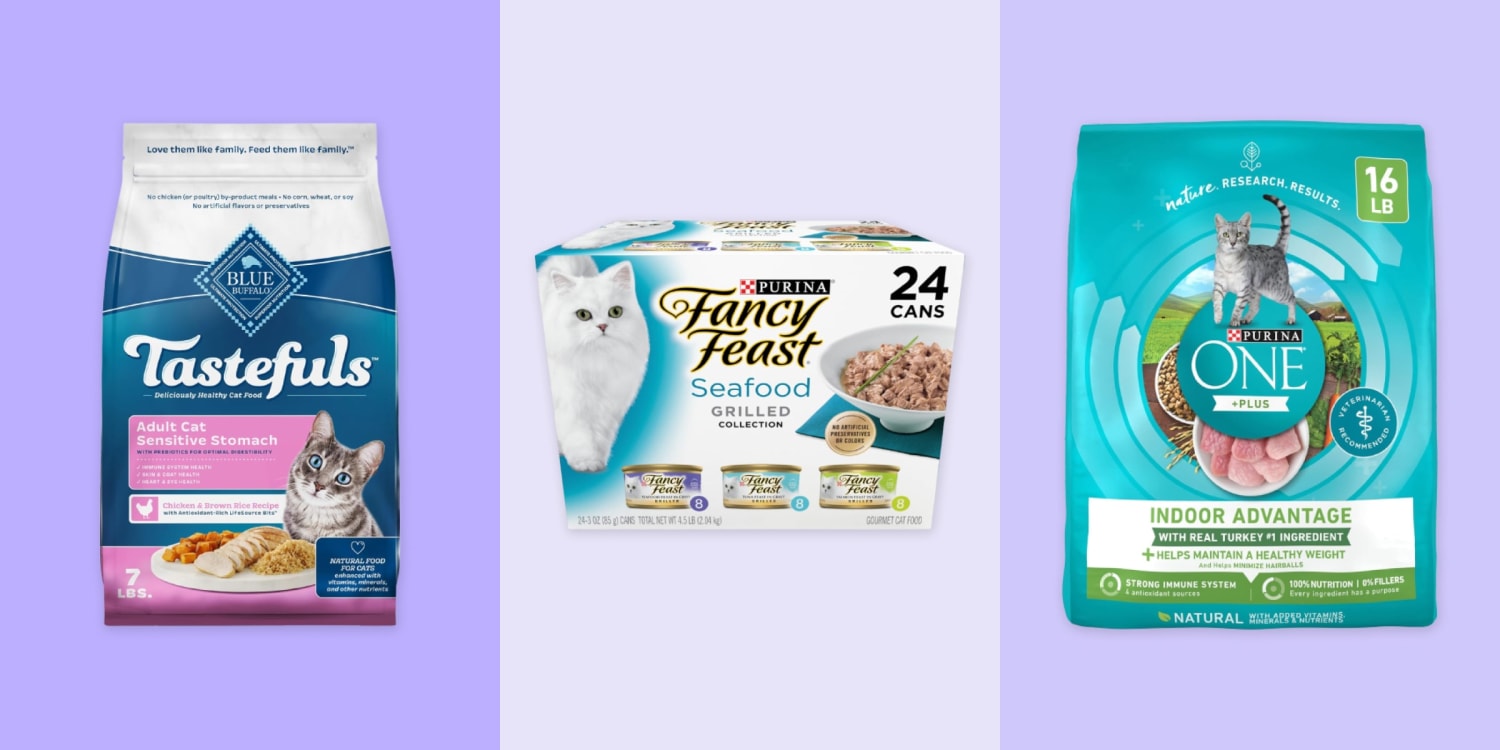
Premium cat food brands offer high-quality ingredients. They focus on balanced nutrition. Brands like Blue Buffalo are popular. Their formulas include real meat and essential nutrients. Wellness is another premium brand. It emphasizes natural ingredients with no fillers.
Budget-friendly Choices
Not all cat foods need to be expensive. Affordable brands still provide quality nutrition. Friskies offers a variety of flavors. Their products are cost-effective. Meow Mix is another budget-friendly choice. It provides essential nutrients at a lower price.
Specialty Brands
Some cats have special dietary needs. Specialty brands cater to these requirements. Hill’s Science Diet offers formulas for specific health issues. Royal Canin provides tailored nutrition. They focus on breed and age-specific needs. These brands ensure that cats with unique needs are well taken care of.
Credit: www.nbcnews.com
Homemade Cat Food
Choosing the best cat food can be a real challenge. Many pet owners are turning to homemade cat food for a healthier option. This approach allows control over ingredients and freshness. Cats can benefit from a diet tailored to their needs. But, is homemade cat food the right choice?
Benefits And Risks
Homemade cat food offers several benefits. You know exactly what your cat eats. This helps avoid allergens and fillers. Fresh ingredients can improve your cat’s health.
But there are risks too. Nutritional balance is crucial. An unbalanced diet can harm your cat’s health. Raw ingredients might carry bacteria. Cooking can eliminate these risks but may reduce nutrients.
Recipe Ideas
Creating homemade cat food involves simple ingredients. Start with lean proteins like chicken or turkey. Add a small amount of cooked rice or oats. Include vegetables like peas or carrots for fiber. Ensure all ingredients are cooked and safe.
Another recipe includes cooked fish with sweet potatoes. Add a pinch of cat-safe herbs for flavor. Always avoid onions, garlic, and chocolate. They are toxic for cats.
Supplementation Needs
Cats need essential nutrients from their food. Taurine is vital for heart and eye health. Fish and poultry provide taurine naturally. Calcium supports bone health. Add crushed eggshells or a calcium supplement.
Omega-3 fatty acids promote a shiny coat. Flaxseed or fish oil are good sources. Consult a vet for a complete supplementation guide. They can help you meet your cat’s nutritional needs.
Feeding Tips
Feeding your cat the right way is essential for their health. It’s not just about the type of food, but also how you serve it. Proper feeding techniques can enhance their well-being and longevity. Let’s explore some effective feeding tips.
Portion Control
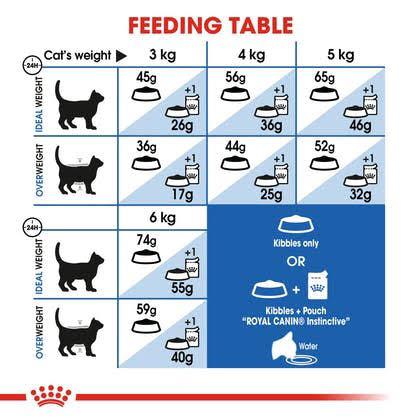
Portion control is crucial to prevent obesity. Measure your cat’s food carefully. Use a measuring cup for accuracy. Overfeeding can lead to health issues. Always follow the guidelines on the food packaging. Adjust portions based on your cat’s activity level. Active cats may need more calories. Less active ones need fewer.
Meal Timing
Establish a regular feeding schedule for your cat. Cats thrive on routine. Consistent meal times help with digestion. Feed your cat twice a day. Morning and evening are ideal. This prevents overeating and regulates their metabolism. Stick to the schedule for best results.
Transitioning Foods
Switching cat food needs to be gradual. Start by mixing new food with the old. Increase the new food slowly over a week. This helps avoid digestive issues. Sudden changes can upset a cat’s stomach. Patience is key during this process. Monitor your cat’s reaction closely. Adjust the pace if needed.

Credit: www.telegraph.co.uk
Frequently Asked Questions
What Is The Healthiest Food For Your Cat?
Cats thrive on high-quality, protein-rich diets. Opt for commercial cat food with meat as the primary ingredient. Ensure it contains essential nutrients like taurine. Fresh water should always be available. Consult a vet for personalized dietary advice. Avoid foods toxic to cats, like chocolate and onions.
What Is The Best Cat Food To Feed Indoor Cats?
Choose high-quality cat food with real meat as the first ingredient. Ensure it’s specifically for indoor cats. Opt for brands with balanced nutrients, limited fillers, and no artificial additives. Consult your vet for specific dietary needs.
What Is The Highest Quality Cat Food?
The highest quality cat food typically contains real meat as the first ingredient. It is free from artificial additives and fillers. Brands like Royal Canin, Hill’s Science Diet, and Blue Buffalo are often recommended. Always consult a veterinarian for personalized advice on your cat’s dietary needs.
Which Cat Food Brand Is Best For Cats?
Choosing the best cat food depends on your cat’s needs. Brands like Royal Canin, Hill’s Science Diet, and Blue Buffalo are popular. Consult your vet for personalized advice. Quality ingredients and nutritional balance are crucial for your cat’s health. Always read reviews and labels for informed decisions.
Conclusion
Choosing the right cat food keeps your pet healthy and happy. Consider your cat’s age, weight, and health needs. Look for quality ingredients on the label. Avoid fillers and artificial additives. Brands offering balanced nutrition are ideal. Consult your vet for personalized advice.
They know your cat best. Remember, a healthy diet leads to a joyful life. Your cat deserves the best care you can provide. Keep their bowl filled with nutritious options. They will thank you with purrs and love. Make smart choices for your furry friend.
Their well-being matters most.