What Causes Ear Infections in Cats: Essential Insights
Your feline friend is more than just a pet; they’re a cherished member of your family. You want to ensure they are always healthy and happy, but sometimes, your cat might face health issues like ear infections.
If you’ve ever noticed your cat scratching their ears or shaking their head more than usual, you might be witnessing the signs of an ear infection. Understanding what causes these infections can empower you to prevent them and keep your cat comfortable.
You’ll discover the common culprits behind ear infections in cats, helping you take swift action to safeguard your pet’s well-being. Keep reading to learn how to recognize the symptoms, explore potential causes, and find out what you can do to protect your furry friend’s ears from these pesky problems.

Credit: www.guilfordjamestownvet.com
Common Symptoms
Ear infections in cats can be troubling for both felines and their owners. Recognizing the common symptoms is crucial for timely treatment. Cats often display visible signs and behavioral changes when suffering from ear infections. Understanding these symptoms will help you ensure your cat receives proper care.
Visible Signs
A cat with an ear infection may have noticeable physical symptoms. You might see redness or swelling in the ear canal. Discharge from the ear is another sign. This discharge can be yellow or black and sometimes has a strong smell. Cats may also develop crusts or scabs around the ear. Scratching or pawing at the ear is a clear sign of discomfort. These visible symptoms indicate a potential ear infection that needs attention.
Behavioral Changes
Ear infections often lead to changes in a cat’s behavior. Cats may become irritable or withdrawn. They might shake their head more than usual. This shaking is a response to the discomfort they feel. You may notice your cat tilting its head to one side. This tilt helps them relieve some pressure in the ear. A decrease in appetite or activity levels can also occur. These behavioral changes are signals that something is wrong.
Types Of Ear Infections
Ear infections in cats can be quite troubling for pet owners. Understanding the types of ear infections is crucial for effective treatment. Different infections affect different parts of a cat’s ear. Each type requires specific attention and care. Let’s explore the main types of ear infections in cats.
Otitis Externa
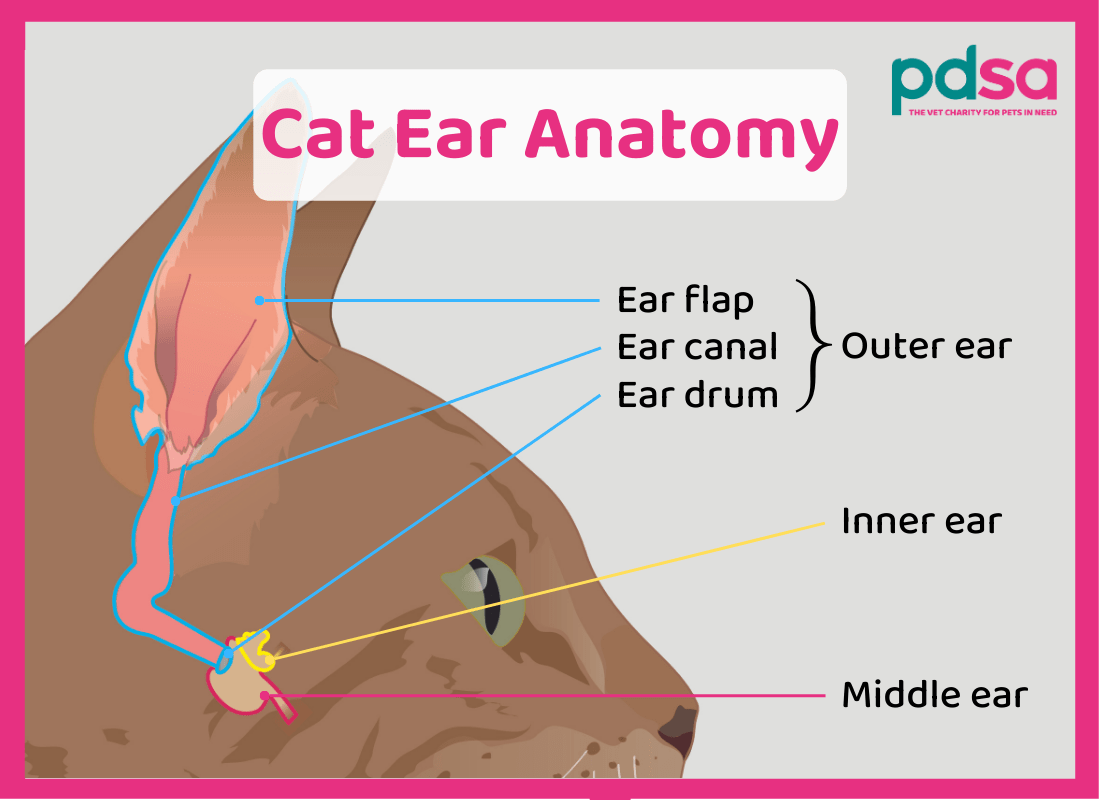
Otitis externa affects the outer ear canal of a cat. This type is the most common ear infection in cats. It often results from bacteria or yeast overgrowth. Allergies or ear mites can also cause otitis externa. Cats with this condition may scratch their ears frequently. You might notice redness or a bad odor coming from the ears.
Otitis Media
Otitis media involves the middle ear, located just behind the eardrum. It often occurs when an outer ear infection spreads inward. Bacteria or foreign objects can cause otitis media. Cats with this infection may tilt their head or lose balance. Hearing loss or discharge from the ear might also occur.
Otitis Interna
Otitis interna is the infection of the inner ear. It is less common but more serious than other types. This infection can affect a cat’s hearing and balance. Causes include untreated otitis media or bacterial invasion. Cats with otitis interna may walk in circles or seem dizzy. Immediate veterinary attention is necessary for this condition.
Bacterial And Viral Factors
Ear infections in cats often arise from bacterial and viral factors. These tiny organisms invade the ear canal, causing inflammation and discomfort. Symptoms like scratching and head shaking may indicate an infection.
Cats are curious creatures, often poking their noses—and ears—into everything. This curiosity can sometimes lead to ear infections caused by bacterial and viral factors. These infections not only irritate your furry friend but can also lead to more serious health issues if left untreated. Understanding these factors can help you better protect your pet.Common Bacteria
Certain bacteria frequently invade a cat’s ear canal, causing discomfort and infection. Staphylococcus and Streptococcus are two notorious culprits. They thrive in moist, warm environments, making your cat’s ear a perfect breeding ground. Imagine your cat scratching its ears more than usual. You might think it’s just an itch, but it could be a sign of a bacterial infection. Regular cleaning and check-ups can prevent these bacteria from taking hold. Bacteria can lead to a foul odor emanating from your cat’s ears. This is a clear signal to consult your vet. Quick action can prevent a minor issue from becoming a major problem.Viral Infections
Viruses can also be a stealthy cause of ear infections in cats. Feline Immunodeficiency Virus (FIV) and Feline Leukemia Virus (FeLV) can suppress your cat’s immune system, making them more susceptible to infections. If your cat suddenly becomes lethargic or loses appetite, these could be warning signs of a viral infection. Have you noticed any unusual behavior in your cat lately? It’s crucial to pay attention to these subtle cues. Vaccinations are your best defense against viral infections. Ensure your cat is up to date with its shots to keep these viruses at bay. Regular vet visits can catch any potential issues early. By staying informed about bacterial and viral factors, you can take proactive steps to keep your cat healthy. Have you checked your cat’s ears lately? A little attention goes a long way in ensuring your furry friend’s well-being.Environmental Triggers
Cats are curious creatures, often exploring their surroundings. This behavior sometimes leads to ear infections due to environmental triggers. Various factors in a cat’s environment can affect their ear health. Understanding these triggers helps in preventing ear infections.
Humidity And Allergens
High humidity levels can create a perfect breeding ground for bacteria. Cats living in humid areas often face ear problems. Moisture can accumulate in their ears, leading to infections. Allergens in the environment also pose a threat. Dust, pollen, and mold can irritate a cat’s ears. This irritation can cause inflammation and infection over time.
Foreign Bodies
Foreign bodies like dirt and debris can enter a cat’s ears. Cats playing outdoors are prone to these intrusions. Small particles can easily find their way into the ear canal. Once inside, these particles can cause discomfort and infection. Regular cleaning and inspection reduce the risk of foreign body-related infections.
Parasites And Ear Mites
Parasites and ear mites often trigger ear infections in cats. These tiny pests irritate and inflame a cat’s ear canal. This leads to discomfort and potential hearing problems. Regular check-ups help identify and treat these issues early.
Ear infections in cats can be quite distressing, both for the furry felines and their owners. One of the sneaky culprits behind these infections is parasites, particularly ear mites. These tiny invaders are more common than you might think and can cause significant discomfort for your cat. Have you ever noticed your cat shaking its head vigorously or scratching its ears incessantly? This behavior might be a clear sign that ear mites have taken up residence in your pet’s ears.Identifying Ear Mites
Identifying ear mites in your cat is crucial for prompt treatment. If you see your cat repeatedly scratching its ears, it’s time to take a closer look. A simple inspection using a flashlight can reveal dark, crumbly debris in the ear canal, resembling coffee grounds. These are not just dirt but the telltale signs of ear mites. You might also notice an unpleasant odor emanating from your cat’s ears. Have you ever leaned in for a cuddle and caught a whiff of something off? It’s a sign to check those ears!Treatment Options
Treating ear mites can be straightforward if you catch them early. Start by gently cleaning your cat’s ears with a vet-approved solution. This helps remove debris and soothes irritation. Your vet might prescribe topical medications that target ear mites directly. These are typically applied to the skin at the back of the cat’s neck. Consistency is key here. Ensure you follow the treatment plan diligently, even if symptoms seem to improve quickly. Have you ever wondered if there are natural remedies you can try? Some pet owners swear by using mineral oil to suffocate the mites. However, it’s vital to consult your vet before trying home remedies. Your cat’s comfort and health should always be a top priority. Addressing ear mites promptly not only alleviates your cat’s discomfort but also prevents further complications. A proactive approach can make a significant difference in your pet’s well-being. Do you regularly check your cat’s ears for signs of trouble? It might be time to make it a routine.
Credit: www.washingtondogandcathospital.com
Breed Predispositions
Certain cat breeds have a higher risk of ear infections. Understanding these predispositions helps in taking better care of your feline friend. Recognizing the vulnerable breeds can lead to timely prevention and treatment.
Breeds Prone To Infections
Some cat breeds are more susceptible to ear infections. Persian cats often face ear issues due to their narrow ear canals. Scottish Folds also have a higher risk. Their unique ear shape can trap moisture. This creates a breeding ground for bacteria. Siamese cats may experience ear problems too. Their active nature exposes them to more irritants.
Preventive Measures
Regular ear checks are essential for these breeds. Clean their ears gently with vet-approved solutions. Ensure their environment is clean and dry. This reduces the chance of infections. A balanced diet boosts their immune system. This helps in warding off infections naturally.
Diagnosis And Testing
Understanding the causes of ear infections in cats is crucial. Accurate diagnosis and testing ensure effective treatment. Timely diagnosis prevents complications and eases your cat’s discomfort. Let’s explore the process of diagnosing ear infections in cats.
Veterinary Examination
A thorough veterinary examination is the first step. The vet examines your cat’s ears closely. They look for signs of redness, swelling, or discharge. The vet may also check for foul odor. This helps identify the infection type.
During the examination, the vet asks about your cat’s symptoms. They may inquire about your pet’s recent behavior changes. This information helps the vet understand the infection’s severity.
Diagnostic Tools
Diagnostic tools play a vital role in detecting ear infections. An otoscope is commonly used by vets. It allows them to see deep into the ear canal. This tool helps identify blockages or foreign objects.
In some cases, vets use swabs to collect ear samples. These samples are analyzed for bacteria, yeast, or parasites. This analysis provides a clearer picture of the infection.
Advanced imaging tools like X-rays might be necessary. They help identify structural issues in the ear. This is particularly important for recurring infections.

Credit: palmcityanimalclinic.com
Effective Treatments
Ear infections in cats can cause discomfort and irritation. Effective treatments can alleviate symptoms and promote healing. Understanding treatment options helps pet owners provide better care. Explore medications and home remedies for treating cat ear infections.
Medications
Veterinarians often prescribe medications for ear infections. Antibiotics treat bacterial infections effectively. Antifungal medications target yeast infections in the ear. Corticosteroids reduce inflammation and pain. Always follow the vet’s instructions for dosage. Regular check-ups ensure the treatment is working.
Home Remedies
Some home remedies can help manage mild ear infections. Cleaning the cat’s ears gently with a vet-approved solution is beneficial. Warm coconut oil may soothe irritated ears. A few drops of apple cider vinegar diluted with water can restore pH balance. These remedies support the healing process. But they are not substitutes for professional veterinary care.
Preventive Strategies
Ear infections in cats can be a painful problem. The good news? Prevention is possible with a few simple strategies. Regular cleaning and dietary changes can make a big difference. These strategies not only help prevent infections but also boost your cat’s overall health.
Regular Cleaning
Keeping your cat’s ears clean is crucial. Dirt and wax buildup can lead to infections. Use a vet-approved ear cleaner. Gently wipe the outer ear with a soft cloth. Avoid inserting objects into the ear canal. Check for any signs of redness or irritation weekly. Early detection can prevent serious issues.
Dietary Considerations
Diet plays a vital role in your cat’s health. A balanced diet supports the immune system. Opt for high-quality cat food. Ensure it includes essential vitamins and minerals. Omega-3 fatty acids can reduce inflammation. Consult your vet for personalized dietary advice. A healthy cat is less prone to infections.
Frequently Asked Questions
What Is The Most Common Cause Of Ear Infections In Cats?
The most common cause of ear infections in cats is ear mites. These tiny parasites irritate the ear canal. Bacteria and yeast can also cause infections, especially if the ear is moist or has a buildup of wax. Regular cleaning and vet check-ups help prevent ear infections in cats.
How Do Indoor Cats Get Ear Infections Home?
Indoor cats can get ear infections from mites, allergies, or wax buildup. Keep their environment clean and check ears regularly.
How Do I Keep My Cat From Getting Ear Infections?
Clean your cat’s ears regularly using vet-recommended solutions. Ensure your cat’s environment is clean and free from irritants. Keep your cat’s ears dry to prevent moisture buildup. Regular vet check-ups can catch early signs of infection. Monitor your cat for excessive scratching or head shaking.
Can Food Cause Ear Infections In Cats?
Food itself doesn’t directly cause ear infections in cats. Allergies to certain foods can trigger inflammation, leading to ear issues. Monitor your cat’s diet for potential allergens. Consult a vet for proper diagnosis and treatment if you suspect a food-related ear problem.
Regular check-ups help prevent ear infections.
Conclusion
Ear infections in cats are common and bothersome. Allergies often cause them. Ear mites are another reason. Bacteria and yeast can also lead to infections. Regular cleaning helps prevent issues. Watch for signs like scratching or head shaking. Early detection is key.
Visit your vet if symptoms appear. Proper care keeps your cat healthy. Happy and comfortable too. Remember, a clean ear is a healthy ear. Your feline friend deserves the best care. Keeping an eye on their ears is vital. Stay informed and proactive.
Your cat will thank you.

Similar Posts