How to Remove Mats from Cat: Expert Grooming Tips
Imagine this: you’re petting your furry friend, and suddenly your fingers get stuck in a tangle of fur. Mats in your cat’s coat are not just unsightly; they can be uncomfortable and even painful for your pet.
If you’ve ever struggled with this common cat-care challenge, you’re not alone. Removing mats doesn’t have to be a stressful experience for you or your cat. In fact, with the right approach, it can be a bonding moment that brings you closer.
In this guide, you’ll discover simple, stress-free methods to rid your cat of those pesky mats, ensuring a happier, healthier feline. Keep reading to learn how to transform this grooming nightmare into a manageable task that both you and your cat will appreciate.
:strip_icc()/how-to-de-mat-a-cat-552043-hero-5b73bb2c3cf44a52b2f6527f9478a4f2.jpg)
Credit: www.thesprucepets.com
Understanding Cat Mats
Cat mats can be gently removed using tools like a comb or mat splitter. Start by softly detangling the fur. Trim stubborn mats with care, avoiding the skin. Regular grooming can prevent mats from forming.
Understanding Cat Mats Cats are fascinating creatures with their fluffy coats and graceful movements. However, those beautiful fur coats can sometimes lead to a common problem: mats. These tangled clumps of fur can be uncomfortable for your feline friend and challenging for you to manage. Understanding why mats form and where they’re most likely to occur can help you keep your cat’s coat healthy and smooth.Causes Of Matting
Matting can happen for several reasons. One of the most common causes is a lack of regular grooming. When a cat’s fur isn’t brushed frequently, loose hairs can intertwine with the rest of the coat, forming mats. Another reason could be the texture of your cat’s fur. Long-haired breeds like Persians are more prone to matting because their fur can easily get tangled. Even short-haired cats can develop mats if their fur is thick or they have an underlying skin condition. A personal story comes to mind from when my Maine Coon cat developed mats after a playful romp in the garden. Dirt and debris stuck to his fur, and by the time I noticed, mats had already formed. This experience taught me the importance of regular brushing and checking for mats after outdoor adventures.Common Areas For Mats
Mats can appear in various parts of your cat’s body, but some areas are more prone than others. The underbelly is a typical spot because cats often lie down, causing friction against the ground or furniture. Behind the ears and around the collar are also common areas. These spots are often neglected during grooming sessions, allowing mats to form. The armpits and between the back legs are places where mats frequently develop, especially in active cats. Movement in these areas can lead to fur tangling, resulting in mats. Have you ever noticed mats in your cat’s fur? If so, it’s time to take action. Regular grooming and paying attention to these common areas can prevent matting and keep your cat comfortable. Your cat’s coat isn’t just about beauty; it’s about health and happiness too.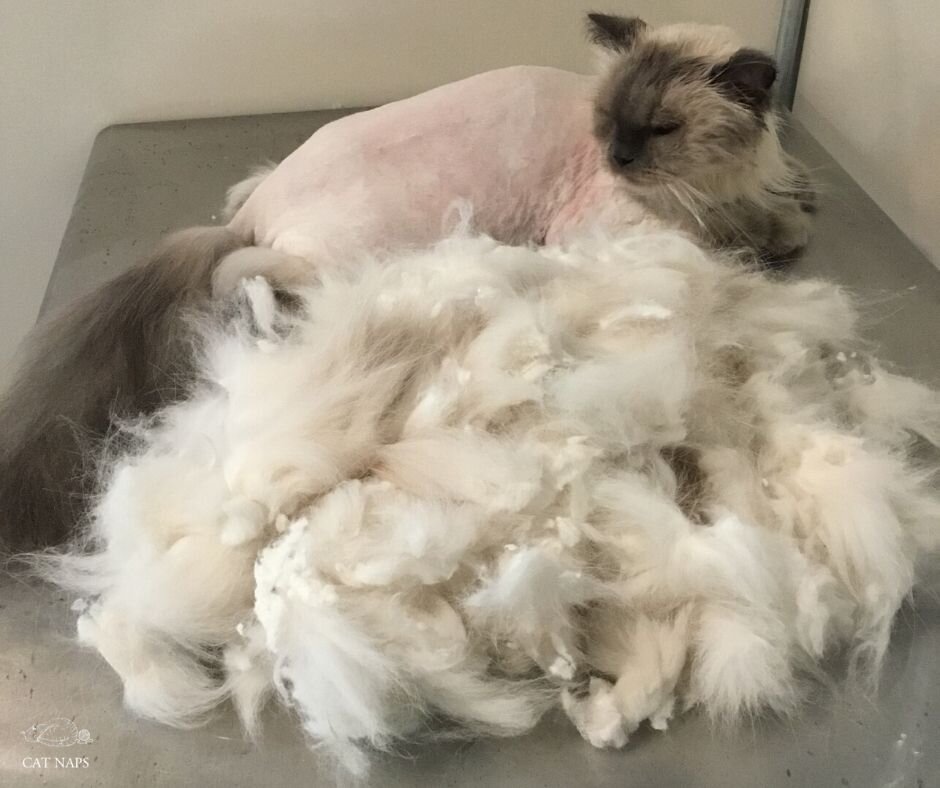
Credit: www.catnapscattery.com
Tools And Supplies
Removing mats from your cat requires the right tools and supplies. Having the correct equipment makes the task easier and less stressful. It helps maintain your cat’s coat health, ensuring a comfortable grooming session for both you and your feline friend.
Essential Grooming Tools
Start with a sturdy comb. A wide-toothed comb can untangle stubborn mats efficiently. Scissors designed for pets are crucial for cutting through tough knots. Choose ones with rounded tips for safety. A dematting tool can also help. It is specifically made for removing mats without harming your cat’s skin. Clippers might be needed for large mats. Use them carefully to avoid nicks.
Choosing The Right Brush
Every cat’s coat is different. Choose a brush that suits your cat’s fur type. Short-haired cats need a different brush than long-haired ones. A bristle brush works well for short fur. It removes loose hair and dirt effectively. For long-haired breeds, a slicker brush is ideal. It tackles tangles and prevents future mats.
Consider the handle of the brush too. A comfortable grip makes the grooming process easier. Some handles have rubber grips. These provide better control while brushing. Involve your cat in the process. Let them sniff and explore the tools. This can reduce anxiety and make grooming more pleasant.
Preparation For Grooming
Removing mats from cats requires patience and gentle handling. Start by using a detangling spray to ease the process. Carefully comb through the fur, holding the base to prevent pulling on the skin. Regular grooming helps prevent mats from forming in the future.
Preparing to groom your cat and remove mats requires a bit of planning. Getting ready ensures the process is stress-free for both you and your feline friend. By focusing on the environment and assessing the mats, you set the stage for a successful grooming session.Creating A Calm Environment
A calm environment is crucial for a smooth grooming session. Cats are sensitive to their surroundings, and a noisy or chaotic space can make them anxious. Choose a quiet room where your cat feels safe and secure. Consider playing soft music or using a calming spray designed for pets. These can help soothe your cat and keep them relaxed. Have you ever noticed how your cat purrs when they’re content? That’s the state you want them in before you start grooming. It’s also helpful to have all your grooming tools within reach. This includes a comb or brush, detangling spray, and treats. Being prepared means less time spent fumbling, which keeps your cat calm and cooperative.Assessing The Severity Of Mats
Before diving into grooming, take a closer look at the mats in your cat’s fur. Are they small and manageable, or large and more complex? Understanding the severity helps you decide the best approach. Small mats can often be gently teased apart with your fingers or a wide-toothed comb. For larger mats, you might need a detangling spray or even a professional groomer’s help. It’s essential to be gentle and patient, as pulling can hurt your cat and damage their skin. If you’re unsure about the mats, consider asking a vet or a professional groomer for advice. They can provide insights and tips specific to your cat’s breed and fur type. Have you ever thought about how your cat’s coat might affect matting? This can be a valuable consideration in planning your grooming strategy.Step-by-step Mat Removal
Removing mats from your cat’s fur can be challenging. Mats can cause discomfort and skin issues. Follow this guide for a gentle and effective removal process. Taking a step-by-step approach ensures safety for both you and your cat.
Detangling Techniques
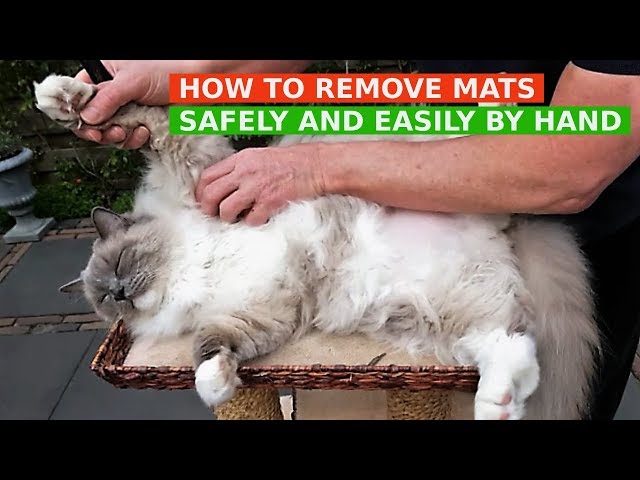
Start by gently petting your cat to keep them calm. Use a detangling spray for easier combing. Apply it to the mat directly. Allow it to soak for a few minutes. Use your fingers to gently separate the fur strands. Hold the mat close to the skin. This prevents pulling and pain. Use a wide-toothed comb. Begin combing from the tips of the fur. Work your way towards the skin slowly. Be patient and gentle. Repeat this process until the mat loosens.
Safe Use Of Scissors
Sometimes mats are too tight for combing. Use scissors as a last resort. Choose a pair with rounded tips for safety. Hold the mat between your fingers. Ensure you don’t touch the skin. Cut the mat into smaller sections. Cut parallel to the skin. This reduces the risk of injury. Slowly comb the remaining smaller mats. Trim them with scissors if needed. Always stay calm and reassure your cat. Reward them with treats afterwards.
Professional Grooming Assistance
Removing mats from a cat’s fur involves gentle brushing and careful cutting. Use a detangling spray to ease the process. Seek professional grooming help if mats are tough or numerous.
Removing mats from your cat can be challenging, especially if they have long or thick fur. Sometimes, despite your best efforts, mats can persist. In such cases, professional grooming assistance can be a lifesaver. Expert groomers have the skills and tools to efficiently tackle stubborn mats, ensuring your cat’s comfort and health. But how do you know when it’s time to seek professional help, and what benefits does it offer?When To Seek Help
You might wonder, is it time to call in a professional groomer? If your cat’s mats are widespread or located in sensitive areas like the belly, it’s wise to consider professional help. If you notice your cat’s skin is irritated or your attempts at mat removal are causing distress, seek assistance. A groomer can handle the situation with expertise and care. Sometimes mats can be so tight that home solutions aren’t effective. In such cases, professional intervention can prevent potential skin infections and discomfort for your furry friend.Benefits Of Professional Grooming
Professional grooming offers many advantages for both you and your cat. Groomers use specialized tools that can safely and efficiently remove mats, reducing the risk of injury to your cat. They have the training to identify any underlying skin conditions that might have contributed to mat formation. This means you can address these issues early and keep your cat healthier. Additionally, regular visits to a groomer can prevent matting altogether. Professional groomers can provide advice tailored to your cat’s specific needs, helping you maintain their coat in between visits. Have you considered how regular grooming can improve your cat’s mood? A groomed coat often means a happier, more comfortable cat. So, why not give professional grooming a try and see the positive effects for yourself?Preventing Future Mats
Gently brush your cat’s fur daily to prevent future mats. Regular grooming helps keep their coat smooth. Use a detangling spray for tough knots.
Preventing future mats in your cat’s fur requires consistent care. By establishing regular grooming habits, you can keep your cat’s coat sleek and healthy. Paying attention to diet and hydration also plays a crucial role. This helps maintain the natural oils that keep fur smooth and shiny.Regular Brushing Routine
A regular brushing routine can prevent mats from forming. Brushing your cat’s fur daily removes loose hair and reduces tangles. Use a gentle brush suited for your cat’s fur type. Short-haired cats need a brush with soft bristles. Long-haired cats might need a comb with wide teeth. Make brushing a relaxing activity for your cat. This encourages your cat to enjoy the grooming process.Diet And Hydration Impact
A balanced diet supports a healthy coat. Ensure your cat gets the right nutrients. Proteins, vitamins, and omega-3 fatty acids are essential. These nutrients keep the fur strong and shiny. Hydration is equally important. Fresh water keeps your cat’s skin moisturized. Hydrated skin produces healthy oils. These oils prevent hair from matting. Always provide clean water for your cat.Caring For Your Cat’s Coat
Caring for your cat’s coat is vital for their health. Regular grooming keeps their fur shiny and mat-free. Mats can cause discomfort and lead to skin issues. A well-maintained coat prevents tangles and keeps your cat comfortable. It also gives you a chance to check for skin problems.
Maintaining Healthy Fur
Brushing your cat regularly helps maintain healthy fur. Use a brush suited for your cat’s fur type. Long-haired cats require more frequent grooming. Short-haired cats need less brushing. Regular grooming distributes natural oils. This keeps the coat shiny and healthy. It also helps you spot any mats early.
Signs Of Skin Issues
Watch for signs of skin issues while grooming. Redness, bumps, or sores need attention. Excessive scratching or licking may indicate skin problems. A dull coat or excessive shedding can also be warning signs. If you notice these signs, consult a vet. Early detection helps prevent further complications. Regular grooming sessions help you spot these signs early.
:strip_icc()/how-to-de-mat-a-cat-552043-01-3bcd9ef0901041f4b5dc04c4c36c9bd8.JPG)
Credit: www.thesprucepets.com
Frequently Asked Questions
Should I Cut Off My Cat’s Matted Fur?
Do not cut matted fur yourself. Consult a professional groomer or vet to safely remove mats. Cutting can injure your cat. Regular brushing prevents matting. Ensure your cat’s coat stays healthy and tangle-free by maintaining a grooming routine.
Why Is My Cat’s Fur Matted Into Clumps?
Matted fur in cats can result from poor grooming, excessive shedding, or underlying health issues. Regular brushing helps prevent tangles. Ensure your cat’s diet supports healthy skin and fur. If mats persist, consult a vet to rule out allergies or other concerns.
Keep your cat’s coat clean and well-maintained.
Why Do Indoor Cats Get Matted Fur?
Indoor cats can get matted fur due to lack of grooming, shedding, or health issues. Regular brushing helps prevent tangles. Diet and hydration also affect coat condition. Ensure a healthy environment and consult a vet for persistent matting concerns.
How To Remove Mats Close To The Skin?
Gently separate mats using your fingers or a wide-tooth comb. Apply detangler spray to ease the process. Trim stubborn mats carefully with scissors, ensuring skin safety. Regular brushing prevents future matting. Consult a professional groomer for severe cases to avoid skin irritation.
Conclusion
Removing mats from your cat’s fur is important. It keeps your pet healthy and happy. Regular brushing helps prevent mats. Use gentle tools to avoid hurting your cat. Be patient and calm during grooming. Your cat will feel more relaxed.
Sometimes, mats need professional help. A groomer or vet can assist. Keeping your cat’s coat mat-free is part of good pet care. It strengthens the bond between you and your furry friend. Your cat will enjoy a soft, comfortable coat.
And you get a happy, purring companion.