Are Worms in Cats Contagious to Humans? Find Out Now!
Are you worried that your beloved cat might be sharing more than just cuddles with you? The idea of worms in cats being contagious to humans can be unsettling.
You’re not alone in wondering about this. Many pet owners are concerned about the health risks associated with these common parasites. Understanding whether these worms can affect you or your family is crucial. You’ll discover the truth behind these concerns, learn how to protect yourself and your furry friend, and gain peace of mind.
Stick around as we dive into the facts and myths surrounding this topic, ensuring you get the information you need to keep both you and your pet safe and healthy.
Types Of Worms In Cats
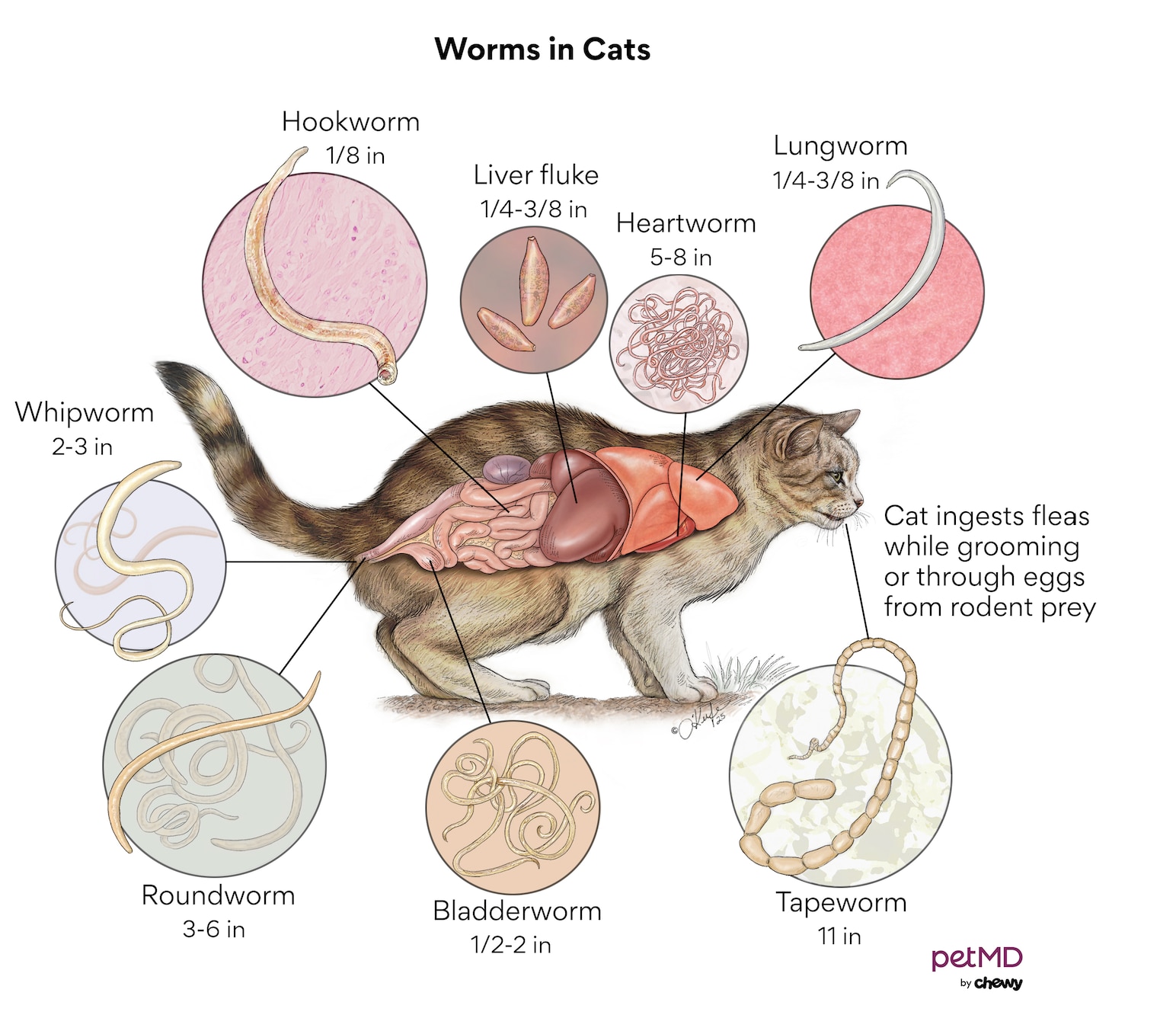
Cats can host various types of worms. These worms can affect both pets and humans. Understanding these worms helps in preventing infections.
Roundworms
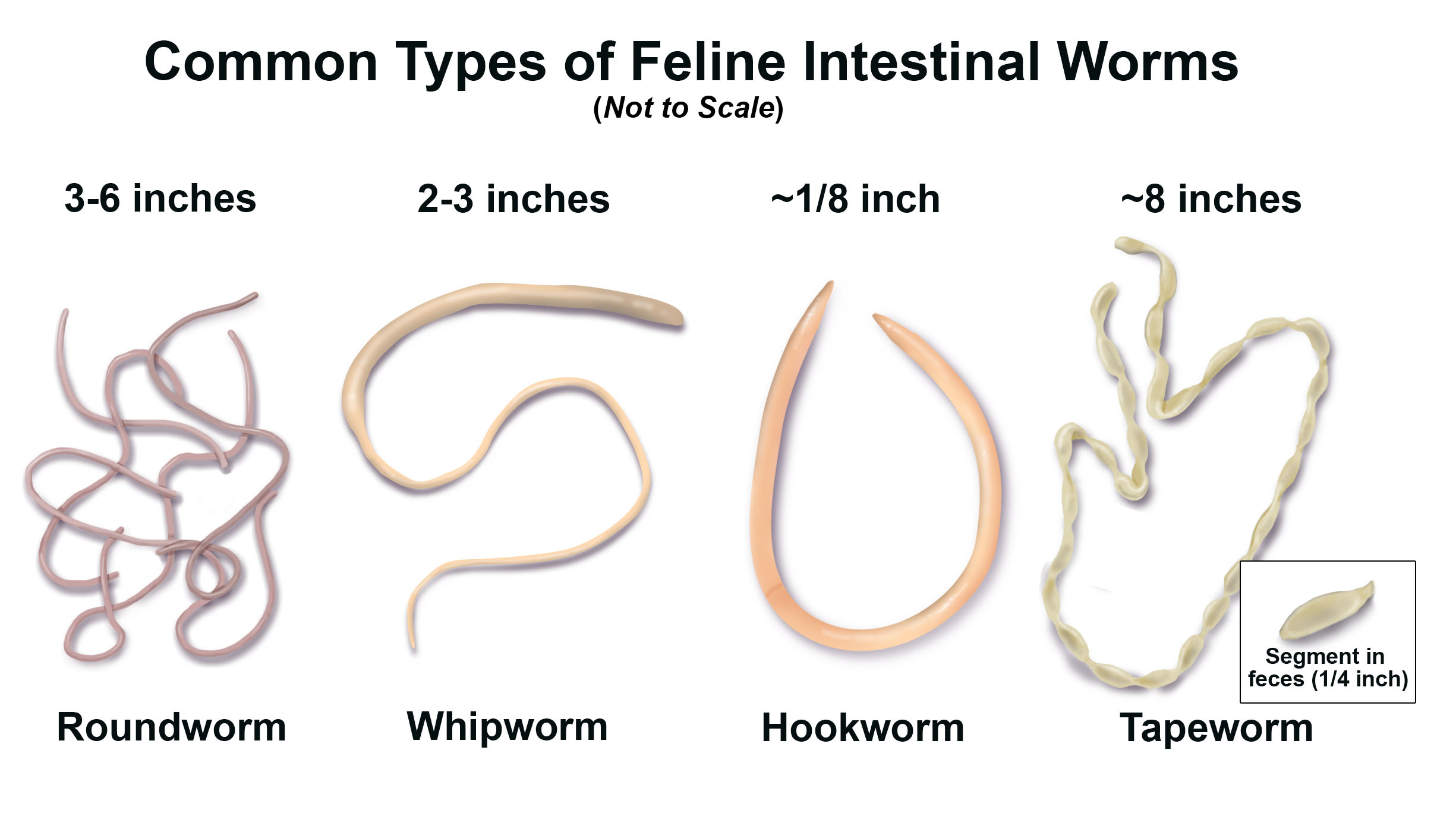
Roundworms are the most common type found in cats. They look like spaghetti and can grow up to four inches long. Cats usually get them from eating infected animals or swallowing worm eggs. Roundworms can spread to humans, especially children.
Tapeworms
Tapeworms attach themselves to the cat’s intestines. They have a segmented body and can grow quite long. Cats often get tapeworms from fleas. Humans can get infected if they accidentally swallow a flea carrying tapeworm larvae.
Hookworms
Hookworms are smaller than roundworms and tapeworms. They live in the cat’s intestines and feed on blood. Cats can get them from contaminated soil or feces. Humans can get hookworms by walking barefoot on infected soil.
Credit: www.petmd.com
Transmission From Cats To Humans
Worms in cats can sometimes spread to humans through contact with infected feces or contaminated surfaces. Practicing good hygiene, such as washing hands after handling cats, can reduce the risk. Regular veterinary check-ups for pets also help in managing and preventing these infections.
Cats make wonderful companions, but they can sometimes carry parasites that may pose a risk to humans. Worms, in particular, are a common concern among pet owners. Understanding how these parasites can be transmitted from cats to humans is crucial for maintaining both your health and your pet’s. Let’s explore the primary ways worms can make the jump from your feline friend to you.Direct Contact
Direct contact with an infected cat can sometimes lead to transmission of worms. Picture this: you’re cuddling your cat, who loves to nuzzle your face. If your cat has worms, tiny worm eggs could be transferred to your skin or mouth. Always wash your hands after handling your pet, especially before eating. It’s a simple habit that can protect you from unwanted parasites.Environmental Exposure
Cats that spend time outdoors can bring worm eggs into your home. These eggs might linger in your garden or on your floor, waiting for a chance to latch onto a new host. Have you ever thought about the dirt your cat might track inside? Regularly cleaning your home and maintaining your cat’s litter box can significantly reduce this risk. A clean environment is key to keeping worms at bay.Fecal Contamination
Cats with worms shed parasite eggs in their feces, which can pose a risk to humans. Imagine the potential danger if a child plays in a sandbox that an infected cat has used as a litter box. Always dispose of cat waste promptly and wash your hands thoroughly afterwards. This simple step is vital for preventing worm transmission and ensuring your family’s health. Have you considered how these transmission routes could affect your household? By taking practical precautions, you can enjoy your cat’s company without worrying about worms. Regular vet check-ups for your cat and maintaining good hygiene practices will help keep both you and your furry friend healthy.Symptoms In Humans
Have you ever wondered if your furry feline’s health issues could affect you? While cats are beloved companions, they can sometimes host unwanted guests like worms. If you’re concerned about whether these parasites can be transmitted to humans, understanding the symptoms is crucial. This knowledge can arm you with the right information to protect yourself and your family.
Digestive Issues
When worms from cats make their way to humans, digestive issues are often the first sign. You might experience stomach pain or discomfort that can range from mild to severe. Nausea and diarrhea are also common symptoms, signaling that your digestive system is under stress.
Imagine planning a family picnic, only to be sidelined by an unexpected stomach upset. Such disruptions can be alarming, urging you to consider the possibility of worm transmission from your pet. Pay attention to recurring digestive problems, as they might indicate a deeper issue.
Skin Reactions
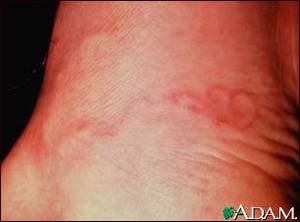
Did you know worms can also affect your skin? You may notice itchy rashes or red bumps appearing unexpectedly. This can be particularly bothersome, especially if you’re trying to enjoy a good night’s sleep or a relaxing day off.
These skin reactions might leave you puzzled, wondering if it’s an allergy or something else. But if you’ve been in close contact with an infected cat, these symptoms could be telling you more than you think. Are you noticing persistent skin irritations? It may be time to investigate further.
Respiratory Problems
Breathing difficulties can also arise from worms transmitted from cats. Symptoms might include a persistent cough or wheezing, leaving you feeling short of breath. These respiratory issues can be particularly worrisome, affecting your daily activities.
Imagine trying to catch your breath during a morning jog, only to find it increasingly challenging. Such experiences can prompt questions about whether your health concerns are linked to your feline friend. Consider how often these symptoms occur and whether they coincide with close contact with your pet.
Being aware of these symptoms is essential for early detection and prevention. If you suspect any of these issues, consulting a healthcare professional can provide clarity and peace of mind. Have you checked your symptoms recently?
Preventative Measures
Cats can carry worms that might spread to humans. Regular vet check-ups and proper hygiene are essential. Washing hands after handling cats helps prevent transmission.
Preventative Measures Keeping your feline friend healthy is vital, not just for their well-being but yours too. Worms in cats can sometimes be transmitted to humans, so taking preventive measures is essential. By investing in regular veterinary check-ups, practicing good hygiene, and handling cat litter safely, you can protect both your cat and your family from potential health issues. Let’s dive into these crucial steps.Regular Veterinary Check-ups
Frequent visits to the vet are your first line of defense against worms. Your vet can detect signs of worms early and provide treatment before they become a problem. They might suggest routine deworming treatments based on your cat’s lifestyle and environment. Consider the peace of mind that comes with knowing your furry friend is in good hands. Isn’t it comforting to know you’re staying ahead of any potential health issues?Hygiene Practices
Maintaining proper hygiene can significantly reduce the risk of worms transferring from cats to humans. Wash your hands thoroughly after petting or playing with your cat. Keep your cat’s sleeping and playing areas clean. This simple practice can protect you from unwanted health issues. Think about the germs lurking on surfaces. Aren’t you more relaxed when you know your home is clean and safe for everyone?Safe Handling Of Cat Litter
Handling cat litter carefully is crucial in preventing worm transmission. Use disposable gloves when cleaning the litter box and wash your hands immediately afterward. Regularly change the litter and disinfect the box to keep it germ-free. Imagine the comfort of knowing your household is protected from potential parasites. Does it make you feel more secure? By following these preventative measures, you can ensure a healthier environment for both you and your cat. Your diligence in caring for your pet reflects in the overall health of your household. Is there anything more rewarding than the companionship of a happy, healthy cat?Treatment Options
Worms in cats can pose a health risk to humans. Treating these infections promptly is essential. Understanding the treatment options helps protect both pets and family members. There are several ways to treat worms in cats. These include medical interventions, home remedies, and professional guidance. Each method plays a crucial role in ensuring effective treatment.
Medical Interventions
Medical treatments are often the most reliable option. Veterinarians prescribe medications tailored to specific worm types. Deworming pills are commonly used for cats. These pills kill internal parasites quickly. Topical treatments are available as well. They offer a convenient application method for some worm types. Regular veterinary visits ensure proper monitoring. This helps in detecting any recurring infections. Early treatment minimizes risks of transmission to humans.
Home Remedies
Some prefer natural solutions. Home remedies can supplement medical treatments. Pumpkin seeds are known for their antiparasitic properties. They help in flushing out worms from the digestive system. Garlic is another popular choice. It boosts the immune system, aiding in fighting parasites. Always consult a vet before using home remedies. This ensures safety and effectiveness. Combining remedies with medical options often yields better results.
Professional Guidance
Seeking expert advice is crucial. Veterinarians offer tailored treatment plans. They assess the severity of the infection. Professional guidance ensures accurate diagnosis. Experts recommend preventive measures. Regular check-ups and vaccinations are part of these measures. Following professional advice protects both cats and humans. It reduces the risk of worm transmission effectively.
Credit: www.petshed.com
Myths And Misconceptions
Cats can have worms, but not all types are contagious to humans. Roundworms and hookworms pose a risk. Proper hygiene reduces the chance of transmission, keeping both humans and pets safe.
In the world of pet ownership, concerns about worms in cats being contagious to humans stir up a lot of myths and misconceptions. These misunderstandings can lead to unnecessary fear and stress. Understanding the truth behind these claims can help you make informed decisions about your feline friend’s health and your own.Common Beliefs
Many people believe that if their cat has worms, they’re instantly at risk of catching them too. This fear often stems from stories shared among pet owners. The truth is, while certain types of worms can be transmitted from cats to humans, the risk is generally low with proper hygiene and care. Some myths suggest that simply petting a cat with worms can lead to infection. This is misleading. Worms are typically transmitted through ingestion of contaminated feces or soil, not casual contact.Scientific Evidence
Scientific research provides clarity on how worms are transmitted. For instance, roundworms and hookworms can be passed to humans, but it usually requires ingesting the eggs or larvae. A study showed that most cases of human infection occur in environments where people are exposed to contaminated soil, not through direct contact with cats. Understanding the specific transmission methods can help you take practical steps to minimize risk.Fact-checking
To fact-check these myths, consider your daily routines. Do you frequently clean your cat’s litter box without washing your hands afterward? Simple actions like washing your hands and maintaining your cat’s health with regular vet visits significantly reduce risks. Ask yourself if you’ve ever heard a myth about worms in cats that didn’t quite add up. Investigating these myths can lead to surprising truths and empower you to protect your health more effectively. By focusing on facts rather than fears, you can ensure a safer, happier life with your feline companion. So, next time you hear a myth about worms in cats, take a moment to consider the evidence. It’s often not as alarming as it seems.
Credit: www.petshed.com
Frequently Asked Questions
How Likely Is It For Humans To Get Worms From Cats?
Humans can get worms from cats, but it’s rare with proper hygiene. Wash hands after handling cats. Regular vet check-ups and deworming reduce risks. Keep litter boxes clean and avoid direct contact with cat feces. Always consult a healthcare professional if concerned about potential worm transmission.
Is It Safe To Be Around A Cat With Worms?
Being around a cat with worms can pose health risks. Worms can be transmitted to humans, especially children. Wash hands thoroughly after contact and keep the cat’s living area clean. Consult a veterinarian for treatment to ensure the safety of both the cat and humans.
Can I Still Cuddle My Cat With Worms?
Yes, you can cuddle your cat with worms, but wash your hands afterward. Ensure your cat gets treatment promptly to prevent further spread. Regular vet check-ups and hygiene practices help maintain a healthy environment for you and your pet.
How Long After Deworming A Cat Are The Worms Gone?
Worms typically die within 24 hours after deworming a cat. Complete elimination may take a few days. Regular follow-up treatments and vet consultations ensure effectiveness.
Conclusion
Worms in cats can sometimes spread to humans. Basic hygiene helps prevent this. Washing hands after pet handling is crucial. Regular vet check-ups for cats are important. Deworming pets reduces the risk. Keep living areas clean. Dispose of pet waste properly.
Awareness and care protect both humans and pets. Safe and healthy interactions with cats are possible. Remember, a little caution goes a long way. Stay informed and enjoy your furry friends.