How to Treat Cat With Runny Nose: Expert Tips
When your feline friend starts showing signs of a runny nose, it can be concerning. You might wonder if it’s just a common cold or something more serious.
As a devoted cat owner, you want to ensure your pet feels comfortable and healthy. We’ll dive into simple yet effective ways to treat your cat’s runny nose and help them breathe easy again. By understanding the causes and remedies, you can provide the best care possible for your furry companion.
So, let’s get started on making your cat feel better in no time. Keep reading to discover how you can transform those sniffles into purrs of relief.

Credit: wb-iisg.com
Common Causes Of Runny Nose In Cats
Cats often have runny noses due to allergies, infections, or irritants. Gently clean their nose and consult a vet for persistent symptoms. Proper care and treatment can help your cat feel better quickly.
When your cat starts sneezing and you notice a runny nose, it can be concerning. Understanding the common causes of a runny nose in cats can help you address the issue effectively. Cats, much like humans, can experience nasal discharge due to a variety of reasons, ranging from mild irritants to more serious health concerns. Let’s explore some of the most common culprits behind this nasal nuisance.Allergies And Environmental Irritants
Cats are sensitive creatures, and their noses can react to allergens just like ours do. Dust, pollen, mold, and even certain cleaning products can trigger allergic reactions. Imagine your cat sneezing after you spritz air freshener. That could be a sign of an allergy. Keeping your home clean and free of strong fragrances can help minimize these reactions. Consider using hypoallergenic cat litter if you suspect your feline friend has an environmental allergy. You might be surprised how a simple switch can make a big difference.Viral And Bacterial Infections
Infections are another common cause of runny noses in cats. Upper respiratory infections, often caused by viruses like feline herpesvirus or calicivirus, are frequent culprits. Does your cat have a watery eye paired with a runny nose? This could point to an infection. In such cases, a visit to the vet is crucial for proper diagnosis and treatment. Antibiotics may be necessary if a bacterial infection is present. Ensuring your cat stays up-to-date with vaccinations can help prevent these illnesses.Foreign Bodies In Nasal Passages
Sometimes, the simplest explanation is the most overlooked. Cats are curious and might inhale small objects while exploring. Have you ever noticed your cat pawing at its nose? This could indicate something lodged in their nasal passages. Common items include grass, seeds, or even bits of food. If you suspect a foreign body, a vet visit is essential. They can safely remove the object and provide relief to your cat. Understanding these common causes can empower you to take swift action. Is there something in your home or environment that could be the cause? Recognizing the signs and knowing when to seek professional help can make all the difference for your feline companion.Recognizing Symptoms
Spotting a cat’s runny nose often signals an underlying issue. Addressing this involves cleaning the nose gently and ensuring a stress-free environment. Consulting a vet is crucial for proper diagnosis and treatment, potentially involving medication to alleviate symptoms.
Recognizing that your cat has a runny nose can be concerning. Cats are masters at hiding discomfort, making it crucial for you to notice subtle changes. Identifying the symptoms early can help you decide whether your feline friend needs veterinary attention or just some extra care at home.Nasal Discharge Types
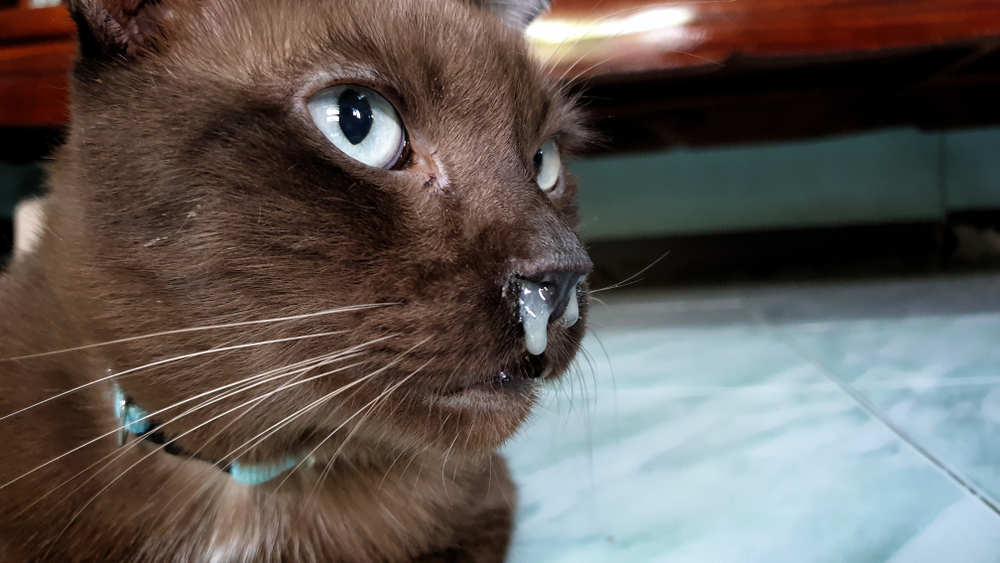
Not all runny noses are the same. The type of nasal discharge can give clues about the underlying issue. – Clear discharge is often seen with allergies or minor irritations. – Thick, yellow, or green mucus may indicate a bacterial or viral infection. – Bloody discharge could suggest trauma or a more serious health condition. Pay attention to the consistency and color. It can guide you in understanding the severity and nature of the problem.Accompanying Signs To Watch For
A runny nose is rarely the only symptom. Your cat might show other signs of illness that need attention. – Sneezing is common with allergies or infections. – Coughing can suggest respiratory issues. – Watery eyes may accompany a runny nose if your cat has an upper respiratory infection. – Loss of appetite can signal that your cat is feeling unwell. – Lethargy might indicate your cat’s body is fighting something off. If you’ve ever noticed your cat suddenly less interested in their favorite toy or food, it might be more than just a mood change. Have you seen your cat coughing or sneezing more than usual? These could be signs that something isn’t quite right. Being observant and noting any changes in behavior or physical symptoms can make a big difference. Keeping track of these symptoms can help you and your vet decide the best course of action. Remember, when in doubt, it’s always a good idea to consult with a professional.When To Seek Veterinary Help
Persistent runny nose in cats needs a vet. A visit helps rule out infections or allergies. Early care ensures quick recovery.
When your cat has a runny nose, knowing when to seek veterinary help is crucial. While minor symptoms might resolve on their own, some cases require professional intervention. Understanding the signs of severe conditions can help you decide when a vet’s expertise is needed. Timely intervention not only ensures your cat’s well-being but also prevents complications.Signs Of Severe Conditions
Persistent sneezing can indicate an underlying issue. Look for discharge that is yellow or green. This could suggest a bacterial infection. Breathing difficulties are a red flag. If your cat struggles to breathe, seek help. Loss of appetite can signal something more serious. Monitor your cat’s eating habits closely. Eye discharge accompanying a runny nose can indicate a more severe condition.Importance Of Timely Intervention
Acting quickly can prevent complications. Early treatment means a faster recovery. Delays can lead to more severe issues. Chronic conditions might develop without prompt care. Proper diagnosis ensures effective treatment. A vet visit provides reassurance and guidance. Ignoring symptoms can worsen your cat’s health. Timely action keeps your cat comfortable and happy.Home Remedies For Mild Cases
Cats often experience mild runny noses due to common colds or allergies. It’s essential to address these symptoms early to ensure your feline friend stays comfortable. Mild cases can often be managed at home with some simple remedies. These approaches not only soothe your cat but also support their overall health.
Steam Therapy
Steam therapy helps clear nasal passages in cats. It is an effective, gentle method. Place your cat in a closed bathroom. Run a hot shower to create steam. Let your cat breathe in the moist air for 10-15 minutes. This can ease congestion and provide relief. Ensure your cat feels secure and calm during this process.
Hydration And Nutrition Tips
Proper hydration is crucial for a cat with a runny nose. Offer fresh water regularly. Wet food can also increase fluid intake. Ensure your cat’s diet is rich in vitamins. Nutrient-rich foods boost immunity and recovery. Consider adding a bit of chicken broth to meals. It encourages drinking and adds flavor. Avoid any foods that might irritate their condition. These simple steps can promote healing and comfort.
Medications And Treatments
When your cat has a runny nose, it can be concerning. You want them to feel better as soon as possible. Understanding the right medications and treatments is crucial. Let’s explore some effective options to help your feline friend breathe easier.
Antibiotics And Antivirals
If your cat’s runny nose is due to a bacterial infection, antibiotics may be necessary. It’s important to follow the vet’s prescription precisely. Skipping doses can make the bacteria resistant and harder to treat. You might notice your cat’s behavior improving within a few days of starting the medication.
Viruses, like feline herpes, may require antivirals. These medicines can reduce symptoms and shorten recovery time. Always consult your vet before giving these medications. They can advise you on the best course of action and monitor your cat’s progress.
Allergy Management Options
Just like humans, cats can have allergies. If your feline’s runny nose is allergy-related, managing their environment is key. Consider using air purifiers to reduce allergens in your home. You can also keep windows closed during high pollen seasons.
Discuss allergy medication options with your vet. They may suggest antihistamines to ease symptoms. Keep an eye on your cat’s reaction to these medications, as each cat is unique. Have you noticed any patterns or triggers that worsen your cat’s symptoms?
Addressing a cat’s runny nose can feel overwhelming. However, understanding the available treatments empowers you to make informed decisions. Your cat’s health is precious. With the right approach, they’ll be back to their playful self soon.
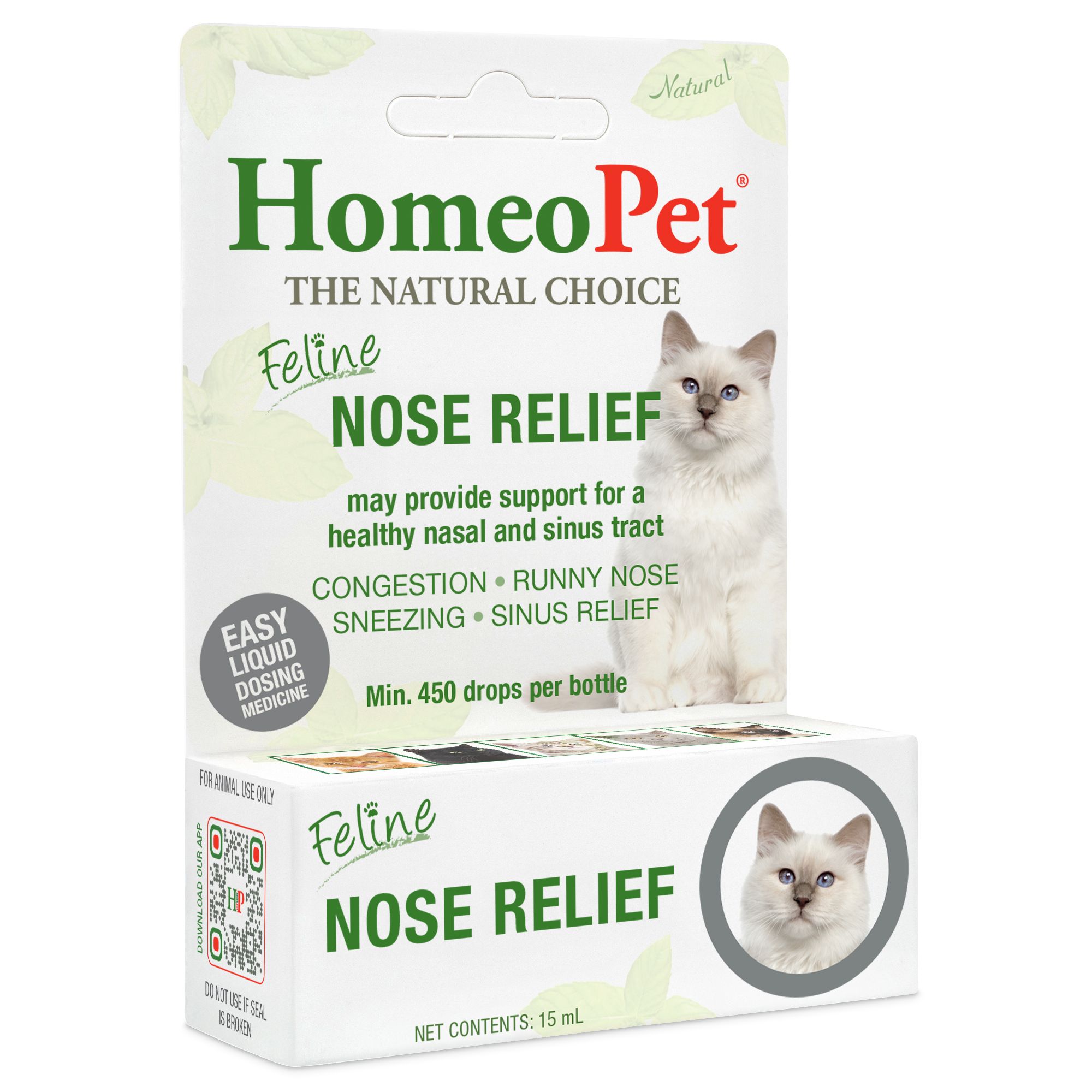
Credit: www.petsmart.com
Preventive Measures
Ensuring your cat’s environment is dust-free and warm can help alleviate a runny nose. Regular cleaning of their living space reduces allergens. Consult a vet for appropriate treatments if symptoms persist.
When your beloved feline friend has a runny nose, it can be a worrying sign of underlying health issues. Addressing the root cause is crucial, but have you considered how preventive measures can help keep those sniffles at bay? By taking proactive steps to enhance your cat’s environment and maintain their health, you can potentially prevent future occurrences. Let’s dive into some practical strategies to keep your cat healthy and happy.Enhancing Living Environment
Creating a clean and comfortable living space for your cat is key. A dust-free home reduces allergens, making it easier for your cat to breathe. Regular cleaning of your cat’s bedding and toys can prevent the buildup of dust and dirt. Consider an air purifier to improve air quality, especially if you have multiple pets or live in an area with high pollution. Fresh air can play a big role in keeping your cat’s respiratory system healthy. Have you noticed any changes in your cat’s health after introducing plants or new furniture? Sometimes simple changes can make a big difference.Regular Health Check-ups
Annual vet visits are essential, but why stop there? Regular check-ups can catch issues before they become serious. Monitoring your cat’s health more frequently can be a game-changer. Keep an eye on changes in behavior or appetite. A quick check-up might save you from bigger worries down the road. Is your cat up to date with vaccinations? Staying on top of these can prevent many common illnesses that might cause a runny nose. By focusing on these preventive measures, you give your cat the best chance for a healthy life. What steps will you take today to make your cat’s world a little safer and healthier?Expert Advice And Tips
When your cat has a runny nose, expert advice can be invaluable. Knowing how to care for your feline friend is crucial. The right steps ensure your cat’s comfort and health. Expert tips can guide you through the process. From choosing a vet to long-term care, each step matters.
Choosing The Right Vet
Selecting the right vet is the first step. A good vet understands your cat’s needs. They provide accurate diagnosis and treatment. Ask for recommendations from friends or family. Read reviews online to find experienced vets. A vet with cat experience is ideal.
Visit the clinic before deciding. Check cleanliness and facilities. Friendly staff and a comfortable environment are important. Discuss your cat’s symptoms clearly. The vet should listen and explain treatment options. Trust is key in vet selection.
Long-term Care Strategies
Long-term care is vital for a cat with a runny nose. Regular vet visits help monitor your cat’s health. Follow the vet’s advice on medication and diet. A balanced diet strengthens your cat’s immune system. Ensure your cat stays hydrated. Fresh water should always be available.
Create a stress-free environment at home. Cats need a quiet and clean space. Regular cleaning reduces allergens and dust. Provide a warm sleeping area. A cozy bed helps your cat rest and recover. Play and affection keep your cat happy and healthy.
Credit: envisioneyevet.com
Frequently Asked Questions
Do I Need To Take My Cat To The Vet For A Runny Nose?
Yes, take your cat to the vet for a runny nose. It might indicate an infection or allergy. A veterinarian can diagnose the cause and recommend treatment to ensure your cat’s health. Early intervention prevents complications and ensures your cat’s comfort and well-being.
What Does It Mean When A Cat Has A Really Runny Nose?
A cat with a runny nose might have allergies, a respiratory infection, or a cold. Consult a vet for diagnosis.
How Do You Treat Nasal Drip In Cats?
Treat nasal drip in cats by consulting a vet for proper diagnosis and medication. Ensure your cat stays hydrated. Use a humidifier to ease breathing. Keep the environment clean to prevent allergens. Avoid self-medication and follow the vet’s advice for effective treatment.
What Causes A Cat’s Runny Nose?
A cat’s runny nose may be caused by allergies, infections, or foreign bodies. Viral infections like feline herpesvirus are common culprits. Environmental factors such as dust or pollen can also trigger it. Identifying the cause helps determine the best treatment approach for your cat.
Conclusion
Caring for a cat with a runny nose requires patience and attention. Ensure your cat stays hydrated. Keep their living space clean and warm. Consult a vet for proper diagnosis. Medications may be necessary. Diet plays a vital role in recovery.
Offer nutritious food to boost their immune system. Monitor symptoms closely. A quick response can prevent complications. Love and care speed up healing. A healthy cat is a happy cat. Remember, your furry friend trusts you. Provide comfort and support during illness.
Follow these tips to help your cat feel better soon.