
Your beloved cat is more than just a pet; they’re a cherished member of your family. When fleas invade their fur, it’s not only uncomfortable for them but can also lead to bigger health issues.
You want the best for your feline friend, and keeping them safe from these tiny pests is a top priority. Imagine your cat lounging peacefully, free from the relentless itching and discomfort that fleas bring. This article will guide you through simple and effective ways to treat fleas on your cat, so you can enjoy more cuddle time and less stress.
Let’s dive in and ensure your furry companion stays happy and healthy.
Credit: vetic.in
Identifying Flea Infestation
Flea infestations can cause discomfort for cats, leading to itching and skin irritation. Look for signs like excessive scratching, red bumps, or flea dirt in their fur. Quick treatment options include topical solutions, oral medications, and flea collars to eliminate fleas effectively and keep your cat comfortable.
Flea infestations are common among cats. These tiny pests can cause discomfort and health issues. Recognizing a flea problem early can help in effective treatment. Understanding the signs can save your cat from distress.Signs Of Fleas On Cats
Look for excessive scratching and biting. Cats often groom more than usual. This is a sign they might have fleas. Hair loss in patches is another clue. Check your cat’s skin for redness or irritation. Dark specks in the fur can be flea dirt. Use a flea comb to inspect closely.Common Symptoms In Cats
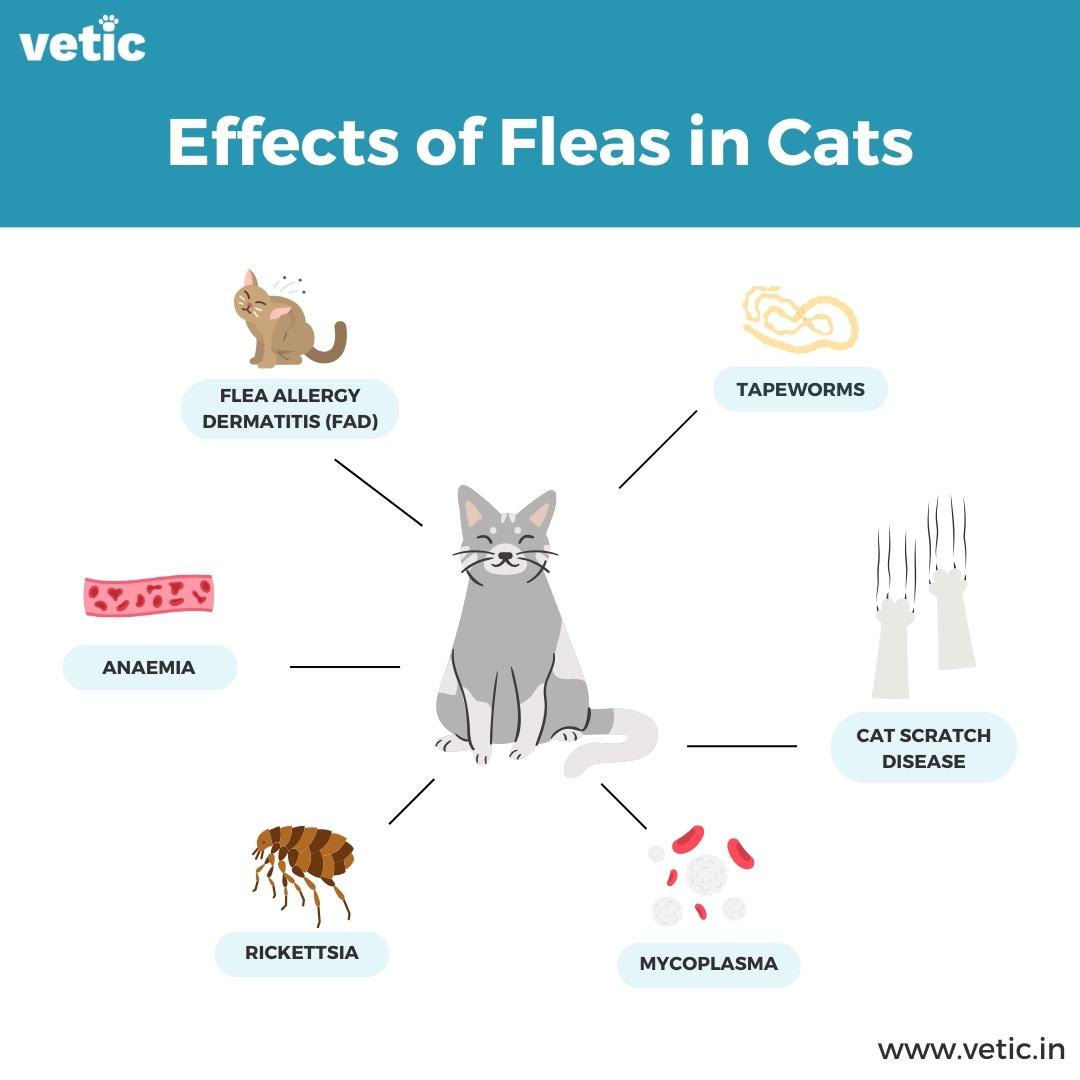
Fleas cause various symptoms in cats. Itching is the most noticeable. Cats may develop skin sores from scratching. Some cats become restless or irritable. Watch for pale gums, which can signal anemia. Flea bites can lead to tapeworms. Seek veterinary advice if symptoms persist. `Immediate Flea Relief
Treating fleas on cats requires immediate attention. Begin by using a flea comb to remove fleas from fur. Apply a vet-approved topical treatment or flea collar for ongoing protection.
Fleas can turn your cat’s life into an itchy nightmare, but swift action can bring immediate relief. If you notice your feline friend scratching more than usual, it’s time to act. Addressing the issue promptly can prevent a minor annoyance from turning into a major problem. Let’s dive into some effective methods to provide your cat with quick relief from fleas.Quick Action Remedies
Acting fast is key when dealing with fleas. Start by using a flea comb to remove fleas and their eggs from your cat’s fur. Comb your cat daily, focusing on areas like the neck and tail base, where fleas often congregate. Consider using an over-the-counter flea spray or powder. Be sure to choose one specifically designed for cats, as some products for dogs can be toxic to felines. Always follow the instructions on the label for safe and effective use. Another option is to apply a topical flea treatment. These treatments can kill fleas quickly and provide protection for several weeks. Consult your veterinarian to find the best option for your cat’s needs.Bathing Techniques
Bathing your cat can be an effective way to provide relief from fleas. Fill a basin with lukewarm water and gently lower your cat into it. Use a cat-friendly shampoo, lathering it well into the fur to ensure that all fleas are reached. Rinse thoroughly to remove all shampoo and fleas from your cat’s coat. Dry your cat with a towel and keep them warm until fully dry. Remember, not all cats enjoy baths, so if your cat is particularly anxious, you may want to seek alternative solutions. Have you ever noticed how much calmer your cat seems after a bath? This might be because the soothing action of water can help reduce the irritation caused by flea bites. Bathing can not only relieve itching but also strengthen the bond between you and your pet as you comfort them through the process.Flea Treatment Options
Flea infestations can make your cat uncomfortable. Treating fleas is essential for their health. Various options are available to tackle fleas effectively. Choosing the right treatment depends on your cat’s needs. Let’s explore some common flea treatment methods.
Topical Treatments
Topical treatments are applied directly to your cat’s skin. They often come in liquid form. These treatments work fast to kill fleas. Most last for a month or longer. Apply them between your cat’s shoulder blades. This prevents your cat from licking it off. Topical treatments are easy to use. They are a popular choice for many cat owners.
Oral Medications
Oral medications are given as a pill or chewable tablet. These drugs kill fleas quickly. They are effective for cats who dislike topical treatments. Some oral medications also prevent future infestations. Always follow your vet’s advice for dosage. Oral medications are convenient. They offer a reliable way to manage fleas.
Flea Collars
Flea collars are worn around your cat’s neck. They release insecticides to kill fleas. Some collars offer protection for several months. Flea collars are easy to put on your cat. They provide continuous flea control. Ensure the collar fits your cat comfortably. It should not be too tight or too loose.
Natural Flea Solutions
Dealing with fleas on cats can be frustrating. Many cat owners prefer natural flea solutions. They are safer for both cats and humans. These remedies avoid harsh chemicals. Let’s explore some effective natural options.
Herbal Remedies
Herbs are a great way to combat fleas. Rosemary is a popular choice. It can be used as a rinse after bathing your cat. Boil rosemary leaves in water. Let the mixture cool and apply it to your cat’s fur. Chamomile is another useful herb. It soothes skin irritation caused by flea bites. Sprinkle dry chamomile on your cat’s bedding. This helps repel fleas naturally.
Essential Oils
Essential oils are potent flea deterrents. Lavender oil is effective and safe. Mix it with water and spray around your home. This creates a pleasant scent while warding off fleas. Neem oil is another option. It disrupts the life cycle of fleas. Use a diluted solution on your cat’s fur. Always ensure the oil is properly diluted. Cats have sensitive skin. Avoid direct application of concentrated oils.
Preventative Measures
Keeping your furry friend flea-free requires proactive steps that go beyond just treatments. Preventative measures are crucial in maintaining a healthy environment for your cat and ensuring that fleas don’t become a persistent problem. Let’s delve into some actionable strategies that you can implement to safeguard your home and cat from fleas.
Regular Grooming
Regular grooming is your first line of defense against fleas. It helps you spot fleas early before they multiply. Brushing your cat frequently not only removes loose fur and dirt but also allows you to check for signs of flea infestation.
Consider using a flea comb during grooming sessions. These combs have closely spaced teeth that effectively catch fleas. You might be surprised how quickly you can detect unwanted guests with this simple tool.
If you have ever found a flea while grooming, you know the satisfaction of catching it before it becomes a bigger problem. Keep grooming sessions consistent and your cat will thank you for it with purrs and affection.
Home Environment Control
Your home environment plays a significant role in flea prevention. Keeping your house clean and organized can make a huge difference. Vacuum regularly, especially areas where your cat spends a lot of time, like carpets and furniture.
Think about where fleas might hide. They love dark, warm places. Use flea sprays or powders in these areas to create a hostile environment for them. Ensure your cat’s bedding is washed frequently in hot water to kill any lurking fleas.
Have you ever noticed fleas tend to return when you least expect it? Control your environment and you’ll have fewer surprises. Implementing these measures can drastically reduce the chances of fleas calling your home theirs.
How often do you look at your cat and wonder about their comfort? Fleas can disrupt their peace. By taking preventative steps, you ensure your cat enjoys a flea-free life, full of playful moments and restful naps.
Consulting A Veterinarian
Visiting a veterinarian ensures effective flea treatment for cats. They provide safe solutions to protect your pet. Professional advice helps prevent future infestations and maintains your cat’s health.
Consulting a veterinarian plays a crucial role in treating fleas on cats. Vets offer expert guidance tailored to your cat’s specific needs. Understanding the importance of professional advice can make a significant difference. They provide insights that over-the-counter solutions might miss. Let’s dive into how and when a veterinarian’s help becomes essential.Professional Advice
Veterinarians possess extensive knowledge about flea treatments. They understand the safest and most effective options for your cat. Different cats react differently to treatments. A vet can recommend the most suitable product. This ensures your cat’s safety and comfort. They might suggest prescription medications that are not available in stores. These medications often work faster and more effectively.When To Seek Help
Reach out to a veterinarian if your cat shows signs of distress. Excessive scratching, hair loss, or irritated skin may indicate severe flea infestation. Persistent symptoms require professional intervention. Also, consider consulting a vet if over-the-counter treatments fail. Sometimes, fleas develop resistance to common products. A vet can provide alternative solutions. Your cat’s health and well-being should always come first.Maintaining Flea-free Environment
Treating fleas on cats ensures a comfortable, pest-free environment. Regular grooming and using vet-approved flea treatments help keep your feline friend healthy and happy. Clean bedding and vacuuming also reduce flea infestations in your home.
Creating a safe space for your cat is essential. A flea-free environment ensures comfort and health. Fleas can quickly take over your home. Regular maintenance is crucial. This involves routine checks and making necessary adjustments. Let’s dive deeper.Routine Checks
Regularly inspect your cat’s fur. Look for signs of fleas or flea dirt. Use a fine-toothed comb to detect fleas. Early detection can prevent infestations. Pay special attention to the neck and tail. These areas are common flea hotspots. Checking the bedding is also important. Wash your cat’s bedding weekly. Use hot water to kill any fleas.Environmental Adjustments
Keep your home clean. Vacuum carpets and furniture frequently. This helps remove fleas and their eggs. Seal vacuum bags and dispose of them immediately. Fleas can escape if not handled properly. Consider using flea treatments on carpets. Products like flea sprays can be effective. Ensure your yard is flea-free too. Trim grass and remove debris. Fleas thrive in warm, shady areas. Reducing these spots can limit their growth. By following these steps, you can maintain a flea-free environment. Your cat will thank you with purrs and cuddles. `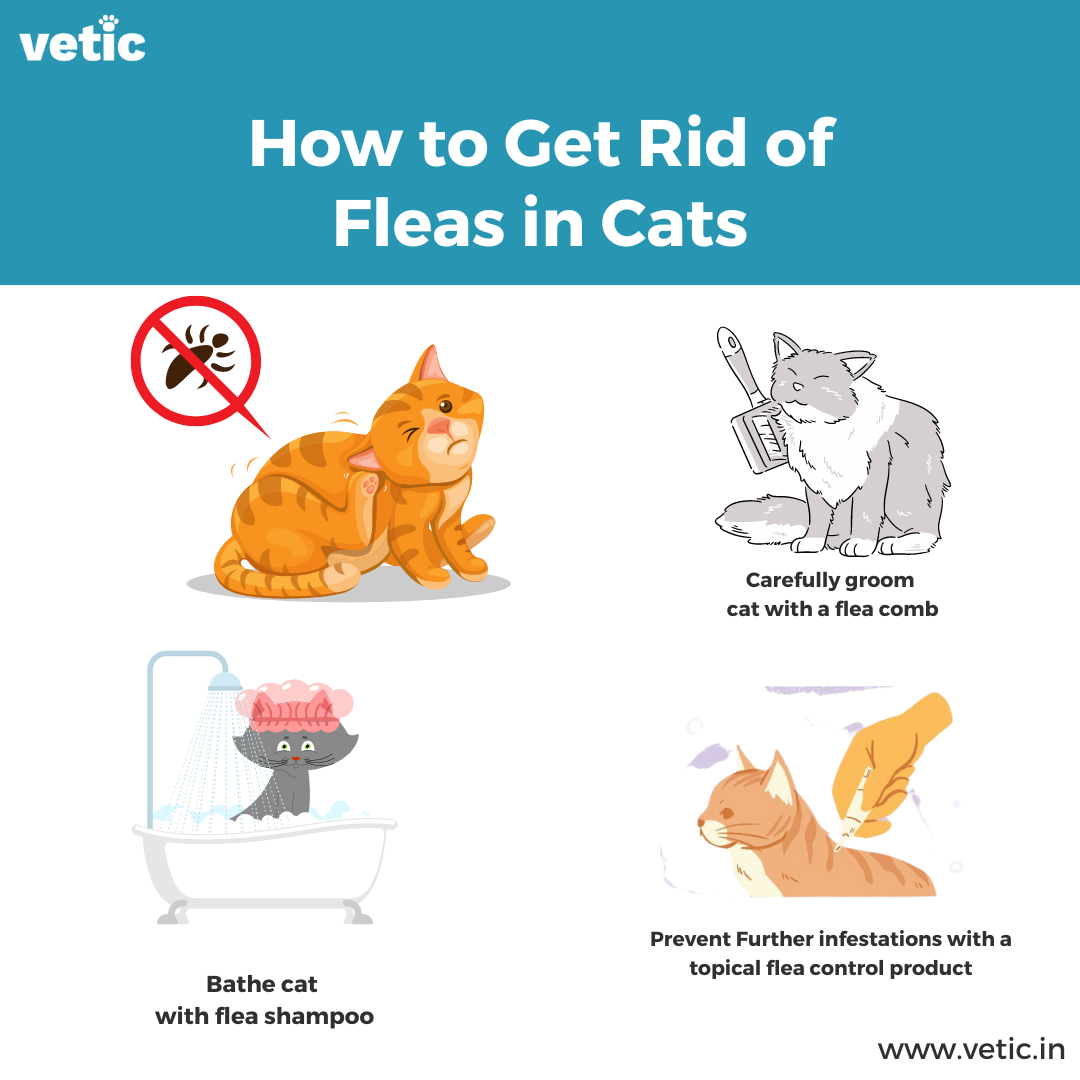
Credit: vetic.in
:strip_icc()/fleas-and-your-cat-552346-Final-742910b7cca544ed95622e97fd075d22.jpg)
Credit: www.thesprucepets.com
Frequently Asked Questions
What Kills Fleas On Cats Immediately?
Use veterinarian-approved flea treatments like oral medications or topical solutions for instant relief. Capstar is effective quickly. Always consult a vet for the best option for your cat’s health. Regular grooming and flea combs help remove fleas from fur. Keep your home clean to prevent flea infestations.
What Is The Most Effective Treatment For Cat Fleas?
The most effective cat flea treatment includes topical solutions like Frontline or Advantage. Oral medications such as Capstar also work well. Regularly clean your home and wash pet bedding. Consult your vet for the best option.
Can I Treat My Cat For Fleas At Home?
Yes, you can treat your cat for fleas at home. Use vet-approved topical treatments or oral medications. Regularly vacuum and wash your cat’s bedding to prevent infestations. Consult your veterinarian for specific recommendations based on your cat’s needs and health status.
Always follow product instructions carefully for safety.
Does Dawn Dish Soap Kill Fleas On Cats?
Dawn dish soap can kill fleas on cats by suffocating them. It breaks down their exoskeletons, making it effective. Use cautiously and rinse thoroughly to avoid skin irritation. Consult a vet for flea treatment advice, as Dawn is not a long-term solution.
Always prioritize your cat’s health and safety.
Conclusion
Caring for your cat’s flea problem is essential. Regular grooming helps. Choose effective treatments suitable for your cat. Consult your vet for the best advice. Keep your home clean to prevent fleas. Vacuum often and wash bedding. Flea prevention is key for your cat’s comfort.
Stay informed about the latest treatments. Your cat deserves a flea-free life. Always prioritize their health and happiness. With these steps, your feline friend will feel better. Enjoy a happy, healthy pet.