How to Brush My Cat’s Teeth: Easy Step-by-Step Guide
Have you ever caught a whiff of your cat’s breath and wondered if you should be doing more for their dental health? You’re not alone.
Cat owners everywhere are realizing the importance of keeping their feline friends’ teeth clean. But the idea of brushing a cat’s teeth can sound daunting. You might worry about your cat’s comfort or how you’ll manage to fit it into your routine.
Imagine a world where your cat has healthier gums, fresher breath, and a lower risk of dental disease. This isn’t just a dream; it’s achievable with the right approach. Discover how you can turn brushing your cat’s teeth from a dreaded chore into a manageable and even enjoyable activity. Keep reading to unlock the secrets to a happier, healthier cat and a more harmonious home.
Benefits Of Brushing Cat’s Teeth
Brushing a cat’s teeth reduces plaque buildup and prevents gum disease. Regular dental care enhances overall health, avoiding serious issues. Use a pet-safe toothbrush and toothpaste for a gentle cleaning routine, keeping your cat comfortable and calm.
Brushing your cat’s teeth might sound like a challenging task, but the benefits are well worth the effort. Regular dental care can lead to a longer, healthier life for your feline friend. As you consider adding this routine to your cat care, think about the positive impacts it can have on their well-being.Improved Oral Health
Brushing your cat’s teeth regularly helps prevent plaque and tartar buildup, which are the culprits behind most dental problems. By keeping their teeth clean, you reduce the risk of gum disease and tooth decay. This simple act can save your cat from painful dental issues down the line.Fresh Breath
Does your cat have a case of the dreaded cat breath? Regular brushing helps combat bad breath by removing food particles and bacteria. You’ll enjoy those cuddles a lot more when your cat’s breath is fresh and pleasant.Prevention Of Serious Health Issues
Did you know that poor dental hygiene can lead to serious health issues for your cat? Bacteria from the mouth can enter the bloodstream and affect vital organs like the heart and kidneys. Brushing helps keep these risks at bay, ensuring your cat stays healthy.Stronger Bond With Your Cat
Brushing your cat’s teeth can strengthen your bond with them. It’s a chance to spend quality time together and show them you care. Over time, your cat may even come to enjoy this routine, making it a positive experience for both of you.Cost Savings On Vet Bills
Dental procedures for pets can be expensive. By maintaining your cat’s dental hygiene, you can potentially save on costly vet visits. Investing a few minutes each week in brushing can prevent the need for more serious interventions later.Increased Lifespan
Healthy teeth contribute to a longer life for your cat. By preventing dental diseases, you’re also helping them maintain a good quality of life. Consider the joy of having your feline companion around for many more years. Have you ever tried brushing your cat’s teeth? It might seem daunting at first, but the benefits are clear. With patience and persistence, you can make it an easy part of your routine. What’s stopping you from giving it a try?Choosing The Right Tools
Brushing your cat’s teeth can be challenging. The right tools make it easier. They help maintain your cat’s dental health. Poor dental care leads to problems. Avoid them with proper equipment.
Choose tools that suit your cat. Cats have different needs than dogs. Their mouths are smaller. Their teeth are different. Pick tools designed for them. Here, we’ll explore the best options.
Types Of Toothbrushes
Cat toothbrushes come in various forms. Finger brushes are popular. They fit over your finger. This allows better control. Another type is the small brush. These have soft bristles. Soft bristles protect your cat’s gums. Some prefer electric brushes. They’re effective but costly.
Selecting Toothpaste
Never use human toothpaste for cats. Cat toothpaste is safe. It comes in flavors cats love. Chicken and fish are common. These flavors entice your cat. Choose a paste your cat enjoys. This makes the process easier.
Other Helpful Accessories
Dental wipes can be useful. They’re an alternative to brushing. Wipes help remove plaque. Dental treats also help. They support oral health. Some cats love chew toys. Toys clean teeth as cats play. Choose toys designed for dental care.
Preparing Your Cat
Brushing your cat’s teeth can be a daunting task. To make it easier, proper preparation is key. A well-prepared cat will be more cooperative and less stressed. This preparation involves creating a calm atmosphere and familiarizing your cat with the necessary tools. Let’s explore these steps in detail.
Creating A Calm Environment
Cats are sensitive to their surroundings. A peaceful environment is essential for brushing their teeth. Choose a quiet room with minimal noise. This helps your cat feel safe and secure. Keep other pets and distractions away. Gentle music or soft talking can soothe your cat. Your calm demeanor will also help relax your cat.
Familiarizing Your Cat With Tools
Your cat needs to get used to the brushing tools. Start with the toothbrush and toothpaste. Let your cat sniff and explore them. Use toothpaste designed for cats. Human toothpaste is harmful. Reward your cat with treats for positive interaction. This builds positive associations with the tools. Practice opening your cat’s mouth gently. Use your fingers to mimic the brushing motion. This prepares your cat for the real brushing session.
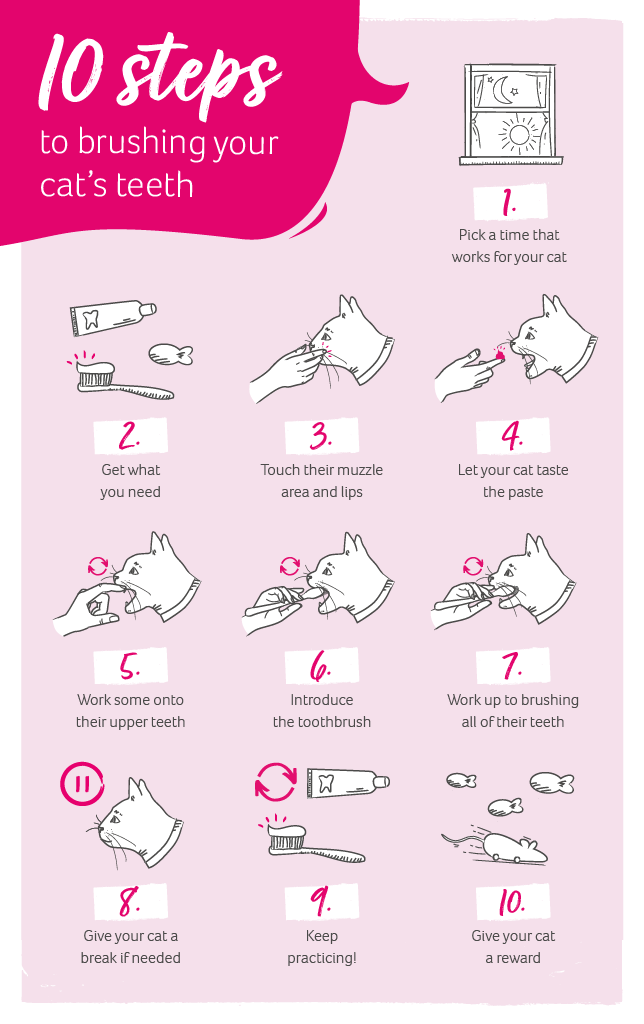
Credit: www.animalfriends.co.uk
Step-by-step Brushing Process
Brushing your cat’s teeth might seem tricky. But a step-by-step approach makes it easier. Regular brushing can prevent dental issues and improve your cat’s health. Follow these simple steps to make brushing a stress-free routine.
Positioning Your Cat
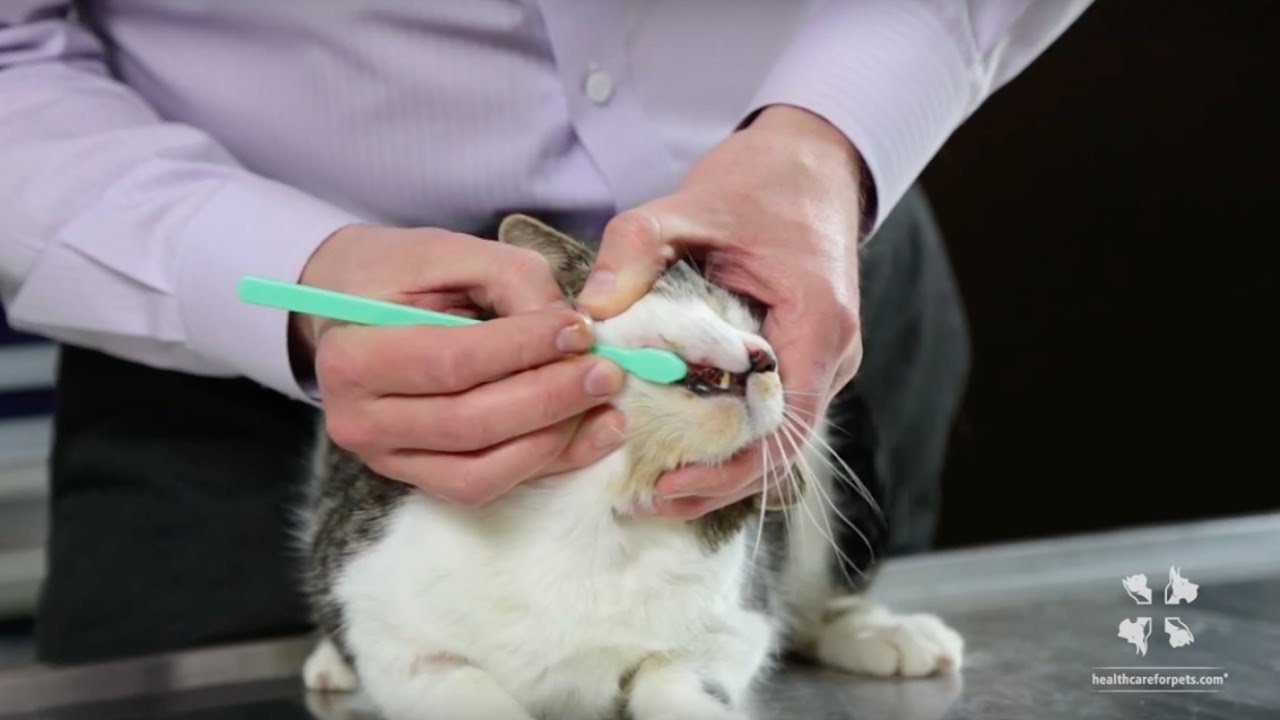
Find a quiet spot without distractions. Gently hold your cat in your lap or on a table. Ensure your cat feels comfortable and secure. Use a calm voice to reassure your cat. Avoid sudden movements to keep your cat relaxed.
Applying Toothpaste
Choose a cat-friendly toothpaste. Squeeze a small amount onto a cat toothbrush. Let your cat sniff and taste the toothpaste. This helps them get used to the flavor. Do not use human toothpaste; it can be harmful.
Brushing Techniques
Start with gentle movements. Focus on the outer surfaces of the teeth. Hold the brush at a 45-degree angle. Use circular motions to clean the teeth. Spend a few seconds on each tooth. Be patient; it takes time to adjust.
Rewarding Your Cat
Offer a treat after brushing. Praise your cat for their cooperation. This creates positive associations with brushing. Over time, your cat may look forward to teeth cleaning. Consistency and rewards build good habits.
Frequency And Routine
Regular brushing of your cat’s teeth helps prevent dental issues. Aim for a routine of brushing two to three times a week. Use a cat-friendly toothbrush and toothpaste to ensure safety and effectiveness.
Brushing your cat’s teeth may not be the first thing on your mind, but establishing a consistent routine can make a huge difference in their dental health. Just like humans, cats benefit from regular oral care. The key is to find a frequency that works for both you and your feline friend, ensuring they remain comfortable and stress-free during the process. Let’s delve into how you can make brushing your cat’s teeth a regular part of your routine.Establishing A Schedule
Start by choosing a time of day that fits naturally into your daily routine. Mornings or evenings might be ideal, aligning with when you brush your own teeth. Consistency is key, so try to stick to the same time every day. Incorporate it into other daily activities your cat enjoys, like their grooming session or playtime. This can help them associate teeth brushing with positive experiences. If you’re unsure how often to brush, aim for at least three times a week. Regular brushing is better than none, and starting slow can prevent overwhelming your cat.Maintaining Consistency
Keep all the necessary tools in a designated spot, making it easy to access and remember. This includes a cat-friendly toothbrush and toothpaste. Having everything in one place helps reinforce the habit. Reward your cat with a treat or extra affection after each session. This positive reinforcement can make them more cooperative over time. Be patient and gentle, especially if your cat is resistant. Skipping a day occasionally won’t harm your routine, but returning to it as soon as possible will maintain your cat’s dental health. Think about your own experiences. Have you ever struggled to keep up with a new habit? Understand that it takes time for both you and your cat to adjust to this new routine. Embrace the small wins and remember, it’s a journey worth taking for your pet’s well-being.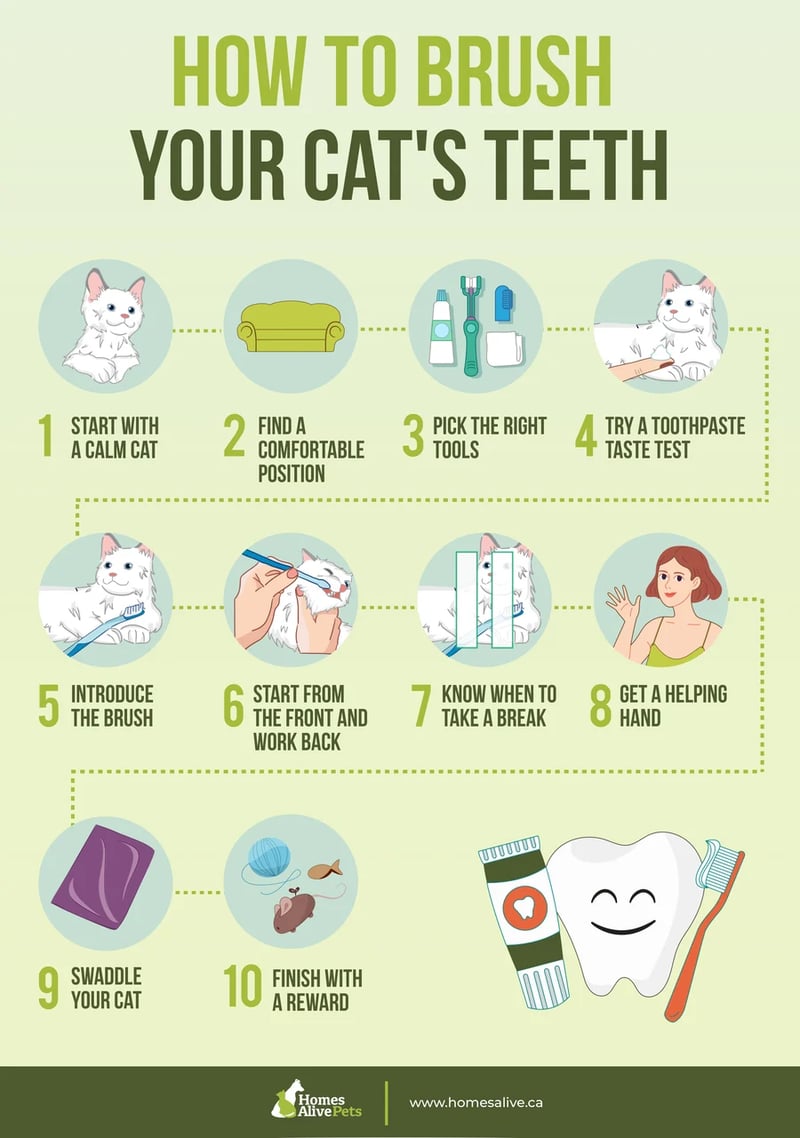
Credit: blog.homesalive.ca
Troubleshooting Common Issues
Brushing your cat’s teeth can be challenging. Cats often resist dental care. This can lead to frustration. Understanding common issues helps. Addressing them makes the process smoother. Let’s explore ways to troubleshoot.
Handling Resistance
Many cats dislike having their teeth brushed. Resistance is common. Start slow. Introduce the toothbrush gradually. Allow your cat to sniff it. Familiarize them with the scent and texture. Try using your finger initially. Mimic the brushing motion. Use positive reinforcement. Give treats after each attempt. This builds a positive association. Be patient. Consistency is key. Over time, resistance should lessen.
Dealing With Anxiety
Anxiety can hinder the brushing routine. Create a calm environment. Choose a quiet, familiar space. Avoid sudden movements. Speak softly to your cat. Reassurance helps. Use a gentle tone. Consider pheromone sprays. They can soothe anxious cats. Offering a favorite toy may distract them. Keep sessions short. Gradually increase duration. This helps in reducing anxiety. Be attentive to their comfort. Stop if they become too stressed. Gradual exposure leads to better results.
Signs Of Dental Problems
Cats may show signs of dental problems like bad breath or drooling. Regularly brushing your cat’s teeth helps prevent these issues. Use a pet-friendly toothbrush and toothpaste for the best results.
Cats are known for their mysterious nature and independent spirit, but their dental health should not be left to chance. Just like humans, cats can suffer from dental problems that can affect their overall well-being. Understanding the signs of dental issues in your feline friend is crucial for maintaining their health and happiness.Recognizing Symptoms
Cats are masters at hiding discomfort, making it essential for you to recognize subtle signs of dental problems. Does your cat have bad breath that persists despite regular grooming? This could be a sign of dental disease. Watch for changes in eating habits. If your cat suddenly refuses dry food or seems to be chewing on one side, it may indicate pain in their mouth. Drooling, pawing at the mouth, or visible tartar buildup are also telltale signs that something might be wrong.When To Consult A Veterinarian
So, when should you take your cat to the vet for dental issues? If you notice any of the symptoms mentioned above, it’s a good idea to make an appointment. A professional can assess the situation and provide a proper diagnosis. Don’t wait for symptoms to worsen. Cats are experts at masking pain, so even minor signs can indicate a significant problem. Regular dental check-ups with your vet can prevent issues from developing into serious conditions. Consider this: would you ignore a toothache of your own? Your cat deserves the same attention to their dental health. Taking swift action can save your furry friend from discomfort and potential health complications. Keeping an eye on your cat’s dental health is a proactive step towards ensuring they lead a long, healthy life. What signs have you noticed in your cat that made you seek veterinary advice? Share your experiences in the comments below!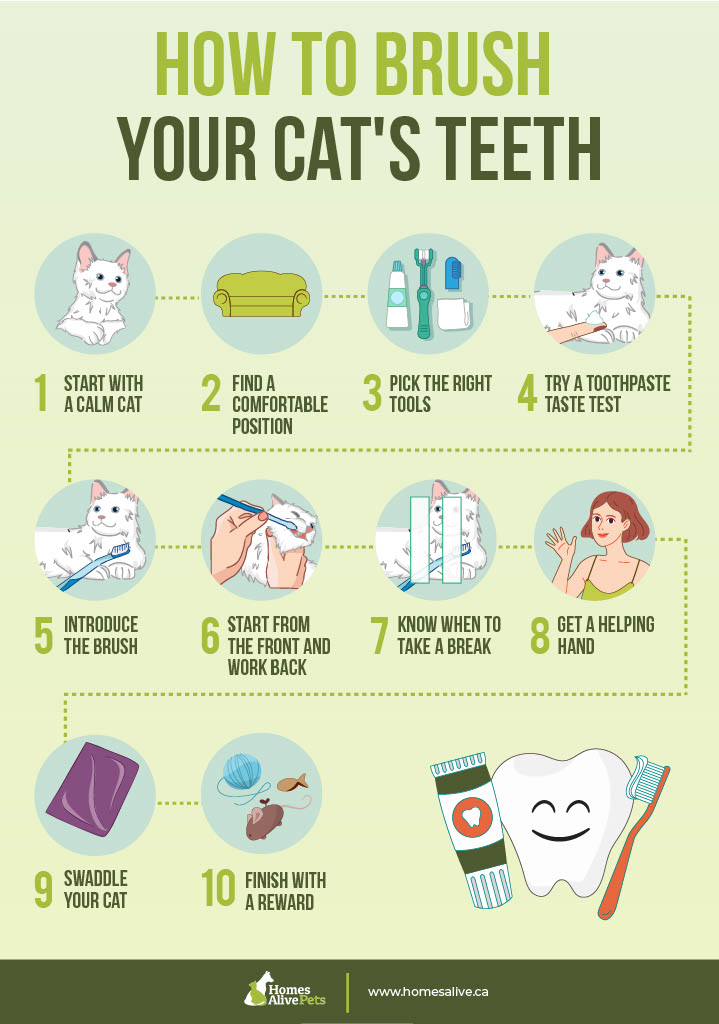
Credit: info.homesalive.ca
Alternative Dental Care Options
Caring for a cat’s dental health can be a challenge. Brushing your cat’s teeth isn’t always possible. Some cats resist this routine. Luckily, there are alternative dental care options available. These methods can help maintain your cat’s oral health. Let’s explore some effective alternatives.
Dental Treats
Dental treats are a tasty option for cats. They come in various flavors and textures. These treats help reduce plaque and tartar. They also freshen your cat’s breath. Look for treats with vet-approved ingredients. Always check the packaging for quality assurance. Dental treats are easy to give. Your cat will enjoy them as a reward.
Professional Cleanings
Professional cleanings are another effective option. Veterinarians provide thorough dental care. They have the tools needed for deep cleaning. This service can remove stubborn tartar and plaque. It’s done under anesthesia, ensuring your cat’s comfort. Regular professional cleanings prevent dental diseases. Schedule these appointments as recommended by your vet.
Frequently Asked Questions
Are You Supposed To Brush Cats’ Teeth?
Yes, brushing cats’ teeth is recommended to prevent dental disease. Use a cat-specific toothbrush and toothpaste. Regular brushing helps maintain oral health, reducing the risk of plaque buildup and gum issues. Consult your veterinarian for guidance on the best techniques and products for your feline friend.
What To Do If A Cat Won’t Let You Brush Your Teeth?
Try using a cat-friendly toothbrush and flavored toothpaste. Make brushing a positive experience with treats and praise. Gradually increase brushing time. If difficulties persist, consult a veterinarian for advice or professional cleaning options. Patience and consistency are key to maintaining your cat’s dental health.
What Can I Use To Brush My Cat’s Teeth If I Don’t Have Cat Toothpaste?
Use a damp gauze wrapped around your finger or a soft child’s toothbrush. Both options gently clean your cat’s teeth. Avoid human toothpaste as it contains harmful ingredients. Regular brushing helps maintain your cat’s oral hygiene. Always consult your vet for safe and effective dental care alternatives.
How To Brush Cat’s Teeth By Yourself?
Use a cat-specific toothbrush and toothpaste. Gently lift the cat’s lip and brush in circular motions. Start with short sessions and reward your cat with treats for positive reinforcement. Consistency is key, aim to brush daily or at least a few times weekly for optimal dental health.
Conclusion
Brushing your cat’s teeth is vital for their health. Start gently. Use cat-friendly toothpaste and a soft brush. Patience is key. Reward your cat with treats after brushing. This builds positive associations. Regular dental care prevents serious issues later. Visit your vet for advice if needed.
Consistency helps keep your cat’s mouth healthy. A clean mouth means a happy cat. Keep it part of your routine. You and your cat will benefit. Healthier teeth lead to a longer life. Remember, a little effort goes a long way.
Start today for a healthier tomorrow.

Similar Posts