What is the Best Brush for a Cat: Ultimate Grooming Guide
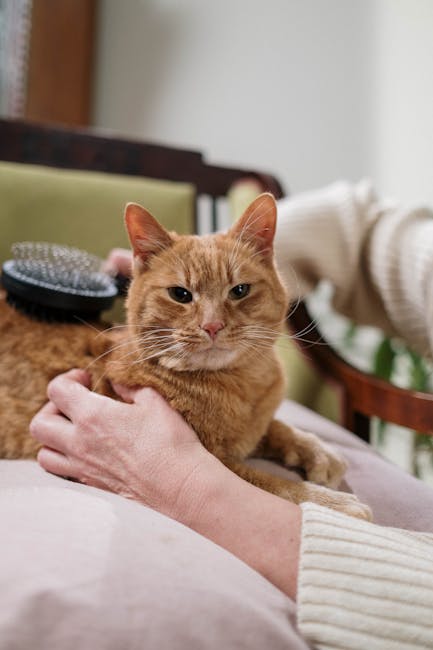
Imagine a world where your cat’s coat is always shiny, soft, and free from pesky tangles. You have the power to make this a reality with the right brush.
As a cat owner, you understand the importance of grooming for your feline friend’s health and happiness. But with so many options available, choosing the perfect brush can feel overwhelming. That’s where this guide comes in. By the end of this article, you’ll know exactly what brush will bring out the best in your cat’s fur, making grooming a breeze for both you and your furry companion.
Let’s dive in to discover which brush is truly the best for your cat. Your cat deserves nothing less.
Types Of Cat Brushes
When you think about grooming your cat, the right brush can make all the difference in keeping your feline’s coat healthy and shiny. But with so many options available, how do you know which is the best for your furry friend? Different types of cat brushes cater to various coat types and grooming needs. Let’s dive into the most popular options and discover which might be the perfect fit for you and your cat.
Slicker Brushes
Slicker brushes are a favorite among cat owners with long-haired breeds. They have fine, short wires close together on a flat surface. This design makes them excellent at removing loose hair and preventing tangles and mats.
Have you ever found your cat with a knot that just wouldn’t budge? A slicker brush might be your solution. Remember to be gentle, as the wires can be sharp and might irritate your cat’s skin if used too aggressively.
Bristle Brushes
Bristle brushes are perfect for short-haired cats that shed a lot. They help remove loose hair and dirt, distributing natural oils across the coat for a healthy shine. Their soft bristles make them a good choice for cats with sensitive skin.
Imagine your cat enjoying a gentle massage while being groomed. That’s the experience a bristle brush offers. It’s a great tool to introduce grooming to a young kitten or a cat new to brushing.
Pin Brushes
Pin brushes resemble human hairbrushes, with wide-set pins that work well for medium to long-haired cats. They help detangle and fluff up the coat without causing much discomfort. If your cat has a thick coat, a pin brush can help you maintain it effortlessly.
Do you love seeing your cat’s fur looking plush and voluminous? A pin brush can achieve that look. Regular use can make your cat look show-ready every day.
Rubber Brushes
Rubber brushes are versatile and ideal for short-haired cats that love a good rubdown. These brushes are great for removing loose fur while massaging your cat’s skin. They’re also perfect for use during bath time.
Think of how your cat purrs contentedly during a petting session. A rubber brush can replicate that sensation, turning grooming into a bonding experience. Plus, they’re easy to clean—just rinse and dry.
Choosing the right brush depends on your cat’s fur type and grooming preferences. Have you tried any of these brushes before? Understanding your cat’s needs will lead to a happier grooming experience for both of you.

Credit: baileybrush.com
Choosing The Right Brush
Choosing the right brush for your cat can be confusing. Cats have different needs based on their coats and personalities. Using the right brush keeps your cat’s fur healthy. It also reduces shedding and prevents mats. Understanding your cat’s specific needs helps in selecting the right tool.
Consider Your Cat’s Coat Type
Cats have various coat types. Short-haired cats need simple brushes. A rubber brush works well for them. Long-haired breeds require more attention. A slicker brush helps with tangles. Undercoat rakes can remove loose fur. Regular brushing keeps their coat shiny and mat-free.
Age And Temperament
A cat’s age affects brushing needs. Kittens need gentle brushes. Soft bristles are best for them. Older cats may need more care. Arthritis can make grooming painful. Choose a gentle, easy-to-hold brush. Temperament matters, too. Calm cats enjoy grooming. Anxious cats may need time. Start with short sessions. Build trust over time.
Benefits Of Regular Grooming
Regular grooming is more than just a routine for your cat; it’s a gateway to a healthier, happier life for your furry friend. By investing a little time, you can reap big rewards, including reduced shedding, preventing matting, and improved skin health. But what makes grooming such a game-changer? Let’s dive into the specific benefits that make it worthwhile.
Reducing Shedding
Have you ever felt like your home is drowning in cat hair? Regular grooming is your lifeline. It significantly reduces the amount of hair your cat sheds. By brushing your cat consistently, you collect loose hairs before they scatter all over your furniture.
Think about the time you’ll save on cleaning. Plus, fewer loose hairs mean fewer hairballs for your cat to deal with. Isn’t it amazing how a simple brush can make such a difference?
Preventing Matting
Matting isn’t just a cosmetic issue; it can be uncomfortable for your cat. Regular grooming prevents these pesky tangles from forming. When you brush your cat, you keep their fur smooth and free from knots.
Imagine trying to untangle a stubborn knot without brushing. It’s no fun for you or your cat. A quick brush session can save both of you from unnecessary stress.
Improving Skin Health
Healthy skin is the foundation of a healthy cat. Grooming stimulates blood circulation, promoting better skin health. By brushing your cat, you can also spot any skin issues early, like irritations or parasites.
Ever noticed a change in your cat’s mood after a grooming session? It’s not just your imagination. Improved skin health can lead to a happier, more active cat. Wouldn’t you love to see your cat thriving?
Regular grooming isn’t just a chore; it’s a delightful bonding experience. With the right brush, you can transform grooming into a moment of connection, care, and joy for both you and your cat. So, what’s stopping you from making grooming a regular part of your routine?
Credit: www.businessinsider.com
How To Brush Your Cat
Brushing your cat is more than just a grooming task—it’s a bonding experience. Many cats love the feeling of being pampered, while others may need a little more encouragement. Understanding how to brush your cat properly can make the process enjoyable for both of you. Whether you have a fluffy Persian or a sleek Siamese, knowing the right techniques can prevent mats and tangles, and keep your cat’s coat healthy and shiny.
Preparing Your Cat
Start by choosing a quiet space where your cat feels comfortable. Have you ever noticed how cats gravitate towards their favorite spots? Use these areas to your advantage. Lay down a soft towel or blanket for them to sit on. This helps catch loose fur and makes cleaning up easier.
Gently introduce the brush by letting your cat sniff it. Some cats can be wary of new items, so patience is key. If your cat seems hesitant, try offering a treat or two to associate the brush with positive experiences. Gradually acclimating your cat to the brush can turn this routine into a cherished moment.
Brushing Techniques
Begin with light, gentle strokes in the direction of your cat’s fur growth. Short-haired cats typically require less effort, while long-haired breeds may need more attention to prevent tangles. Use a brush that suits your cat’s fur type—rubber brushes for short-haired cats, and slicker brushes for longer fur.
Be mindful of sensitive areas, like the belly and tail. Cats often resist brushing in these areas, so approach them slowly and calmly. Have you tried talking to your cat in a soothing voice while brushing? It can relax them and reduce any stress.
Frequency Of Grooming
How often should you brush your cat? The answer varies depending on the breed and season. During shedding seasons, daily brushing can help manage loose hair and minimize fur balls. For cats with short hair, once a week is usually sufficient.
Long-haired cats often require more frequent grooming. Twice a week might be necessary to keep their coat free from mats. Consider your cat’s lifestyle and environment—indoor cats may need less grooming compared to those who love outdoor adventures.
Grooming your cat can transform into a delightful routine that both of you look forward to. What tricks do you use to make grooming enjoyable? Share your experiences and tips with fellow cat enthusiasts!
Common Grooming Mistakes
Grooming your cat can be a bonding experience. But common mistakes can make it stressful. These errors can affect your cat’s health and well-being. Knowing what to avoid helps ensure a smooth grooming process. Let’s explore these common grooming mistakes.
Overbrushing
Overbrushing your cat is a frequent mistake. It can irritate your cat’s skin. This can lead to discomfort and even hair loss. Cats with sensitive skin need gentle handling. Brushing should be a soothing activity, not a stressful one. Keep sessions short and sweet.
Ignoring Sensitive Areas
Many pet owners skip sensitive areas. They focus only on the back and sides. But cats have sensitive spots like the belly and tail. Ignoring these areas can lead to matting. Regular, gentle brushing prevents this issue. Pay attention to these spots for a thorough groom.
Using The Wrong Brush
The wrong brush can harm your cat. Not all brushes suit every cat’s fur type. Long-haired cats need brushes with wide bristles. Short-haired cats do well with soft bristles. Choose the right tool for your cat’s coat. This ensures effective and safe grooming.
Selecting Brushes For Specific Breeds
Choosing the right brush for your cat’s breed is essential. Different breeds have unique grooming needs. Understanding these can make grooming efficient and pleasant. This guide focuses on selecting the best brush for specific cat breeds.
Long-haired Breeds
Long-haired cats, like Persians, require special care. Their coats are prone to tangles. A slicker brush is ideal for these breeds. It helps remove loose fur and prevent mats. Regular brushing keeps their coat shiny and healthy. It also reduces shedding and hairballs.
Short-haired Breeds
Short-haired cats have different grooming needs. Breeds like the Siamese benefit from a bristle brush. This brush type is gentle yet effective. It removes loose fur without harming the skin. A grooming glove can also be a good choice. It offers a soothing massage while removing hair.
Curly-coated Breeds
Cats with curly coats need special attention. Breeds like the Selkirk Rex have unique fur. A wide-toothed comb is recommended for these cats. It gently detangles without damaging curls. Regular grooming maintains their coat’s natural texture. It also helps reduce tangling and matting.
Maintenance Of Grooming Tools
Choosing the best brush for a cat involves considering its coat type. A slicker brush works well for long-haired cats, removing tangles and loose fur. For short-haired cats, a rubber grooming brush is effective in capturing loose hairs and massaging the skin.
Maintaining your cat’s grooming tools is just as crucial as choosing the right brush. Proper maintenance ensures that the tools stay effective and safe for your furry friend. It also extends the life of the brushes, saving you money in the long run.Cleaning Brushes
Regular cleaning of your cat’s brush is essential. After each grooming session, remove any hair from the bristles. Use warm water and mild soap to wash the brush weekly. Rinse thoroughly to remove all soap residues. This prevents any skin irritation for your cat. Dry the brush completely to avoid mold and bacteria growth. Have you noticed a decline in your cat’s coat condition? It might be time to inspect your brush. A clean brush is more effective and keeps your cat happier.Storing Properly
Proper storage of grooming tools is often overlooked. Store your cat’s brush in a dry, clean place. Avoid leaving it in damp areas like the bathroom. Consider a dedicated drawer or shelf for your pet’s grooming tools. This keeps them organized and easy to find. Plus, it prevents the brush from collecting dust or contaminants. Think of it as a mini spa treatment for your cat. Clean and well-stored tools make grooming a pleasant experience for both you and your feline friend. Are your grooming tools ready for the next session?:max_bytes(150000):strip_icc():focal(2999x0:3001x2)/Best-Cat-Brushes-of-2023-social-4380c71cbb2c4a48ba0ae4b3d85004d3.jpg)
Credit: fellermedical.com
Frequently Asked Questions
What Brushes Do Cat Groomers Use?
Cat groomers use slicker brushes, bristle brushes, and deshedding tools. Slicker brushes remove mats and tangles efficiently. Bristle brushes add shine and smooth the fur. Deshedding tools help reduce loose fur, minimizing shedding. Each tool serves specific grooming needs, ensuring cats maintain healthy and well-groomed coats.
What Kind Of Brush Is Best For Deshedding Cats?
The best brush for deshedding cats is a stainless steel comb or slicker brush. Choose one with fine, angled bristles to effectively remove loose fur. Regular brushing helps reduce shedding and prevents matting, keeping your cat’s coat healthy and clean.
Do Cats Need A Special Brush?
Cats benefit from a special brush to reduce shedding and prevent matting. Grooming tools like slicker brushes or de-shedding tools cater to different coat types. Regular brushing keeps their fur healthy and minimizes hairballs. Choose a brush suited to your cat’s specific fur needs for best results.
What Type Of Hair Brush Is Best For Cats?
A slicker brush is best for cats. It removes loose fur and helps prevent tangles. Choose one with gentle bristles to avoid skin irritation. Regular brushing keeps your cat’s coat healthy and minimizes shedding. Consider your cat’s fur length when selecting the right brush type.
Conclusion
Choosing the right brush for your cat can make grooming easier. Consider your cat’s fur type and sensitivity. Short-haired cats need brushes with soft bristles. Long-haired cats benefit from brushes with wider teeth. Regular grooming keeps your cat’s coat healthy and reduces shedding.
It strengthens the bond between you and your pet. Try different brushes to find what your cat likes best. Pay attention to your cat’s comfort during grooming sessions. A happy cat means a happier home. Proper grooming leads to a cleaner and healthier environment for everyone.

Similar Posts