Why Do Cats Have Litter Boxes: Understanding Feline Habits
Have you ever wondered why cats have litter boxes? If you’re a cat owner or thinking about becoming one, understanding this essential aspect of cat care can make your life a lot easier.
Cats are fascinating creatures, and their habits can sometimes be puzzling. You might find yourself asking, “Why do they use a box instead of going outside like dogs? ” The answer is both intriguing and practical. Imagine the convenience of not having to walk your pet several times a day or deal with unpredictable bathroom breaks.
Picture the satisfaction of knowing your home remains clean and odor-free. By learning why cats have litter boxes, you’ll gain insights into their natural behaviors and how these boxes benefit both you and your feline friend. This knowledge can transform your experience as a cat owner, making the bond between you and your cat even stronger. So, are you ready to uncover the secrets behind the litter box? Let’s dive deeper into why this simple box is such an important part of your cat’s life and your home.
Credit: www.fearfreehappyhomes.com
Feline Instincts
Cats use litter boxes due to their natural instincts to bury waste. This behavior helps them avoid predators by hiding their scent. Litter boxes offer a safe and convenient place, mimicking their natural environment.
Cats are fascinating creatures with strong instincts. Understanding these instincts helps explain why cats use litter boxes. These behaviors are ingrained in their nature. Cats have evolved to maintain cleanliness and mark their territory. They use litter boxes due to these innate behaviors. Recognizing these instincts provides insight into feline habits. Let’s explore these instincts more closely.
Natural Grooming
Cats are known for their cleanliness. They spend hours grooming themselves. This behavior ensures they remain clean and healthy. Cats prefer a clean environment for their waste. Litter boxes meet this need. They mimic the natural setting for waste disposal. Cats instinctively cover their waste. This action helps hide their scent from predators. Litter boxes provide the perfect medium for this behavior.
Territorial Behavior
Cats are territorial animals. They mark their space with scent. This behavior is crucial in the wild. It signals ownership and deters intruders. Litter boxes play a role in this instinct. A cat’s scent in the litter box marks it as theirs. They return to the same spot for consistency. This behavior is comforting to them. It establishes a secure environment.
Litter Box Necessity
Cats have litter boxes because they instinctively bury their waste for hygiene. This behavior helps avoid predators in the wild. Providing a litter box at home satisfies their natural urge and keeps living spaces clean.
Cats are fascinating creatures with unique needs, and one essential item in a cat owner’s home is the litter box. But why exactly is it a necessity? The answer lies in a mix of practical benefits and health considerations. A litter box is not just a convenience for you; it’s a vital part of a cat’s indoor lifestyle and overall well-being.
Indoor Living
Cats are naturally inclined to cover their waste, a behavior rooted in their survival instincts to hide their scent from predators. In the wild, they have the whole outdoors to do this. But when you bring a cat into your home, you essentially become responsible for their environment. An indoor cat without a litter box would have no designated place to perform this natural behavior. Think about it—what would happen if your cat didn’t have this option? Your carpet or plant soil might become their new target. So, providing a litter box is about respecting your cat’s instincts while maintaining a clean home.
Health Benefits
A clean litter box contributes significantly to your cat’s health. It reduces the risk of urinary tract infections, which can be caused by holding in waste due to a dirty or inaccessible box. Regular maintenance of the litter box ensures your cat feels comfortable using it, preventing health issues that arise from reluctance to eliminate. Moreover, a litter box allows you to monitor your cat’s health closely. Changes in frequency or appearance of waste can signal health problems. Would you notice such signs without a litter box? By keeping an eye on these subtle hints, you can catch potential issues early and seek veterinary care promptly. A litter box is more than a simple convenience. It supports your cat’s natural habits and safeguards their health. Next time you scoop the litter, remember you’re doing more than cleaning—you’re actively contributing to your cat’s well-being.
Choosing The Right Litter
Choosing the right litter is crucial for your cat’s happiness. Cats are picky about their litter. The right choice can prevent litter box issues. Understand the types and preferences to make an informed decision.
Types Of Cat Litter
There are several types of cat litter available. Clay litter is the most common. It’s affordable and clumps well. Silica gel litter absorbs moisture and controls odor. It’s dust-free but more expensive. Natural or biodegradable litter is eco-friendly. Made from corn, wheat, or pine. It’s safe for the environment.
Preferences Of Cats
Not all cats like the same litter. Some prefer fine-textured litter. Others may like larger granules. Scented litter might deter some cats. They have sensitive noses. Unscented options can be a safer bet. Watch your cat’s behavior. It will guide your choice.
Credit: www.embassyofpakistanusa.org
Placement Of Litter Boxes
The placement of litter boxes is crucial for your cat’s comfort. Cats are particular about where they do their business. A well-placed litter box can encourage proper use. Understanding the best location helps maintain cleanliness.
Privacy Matters
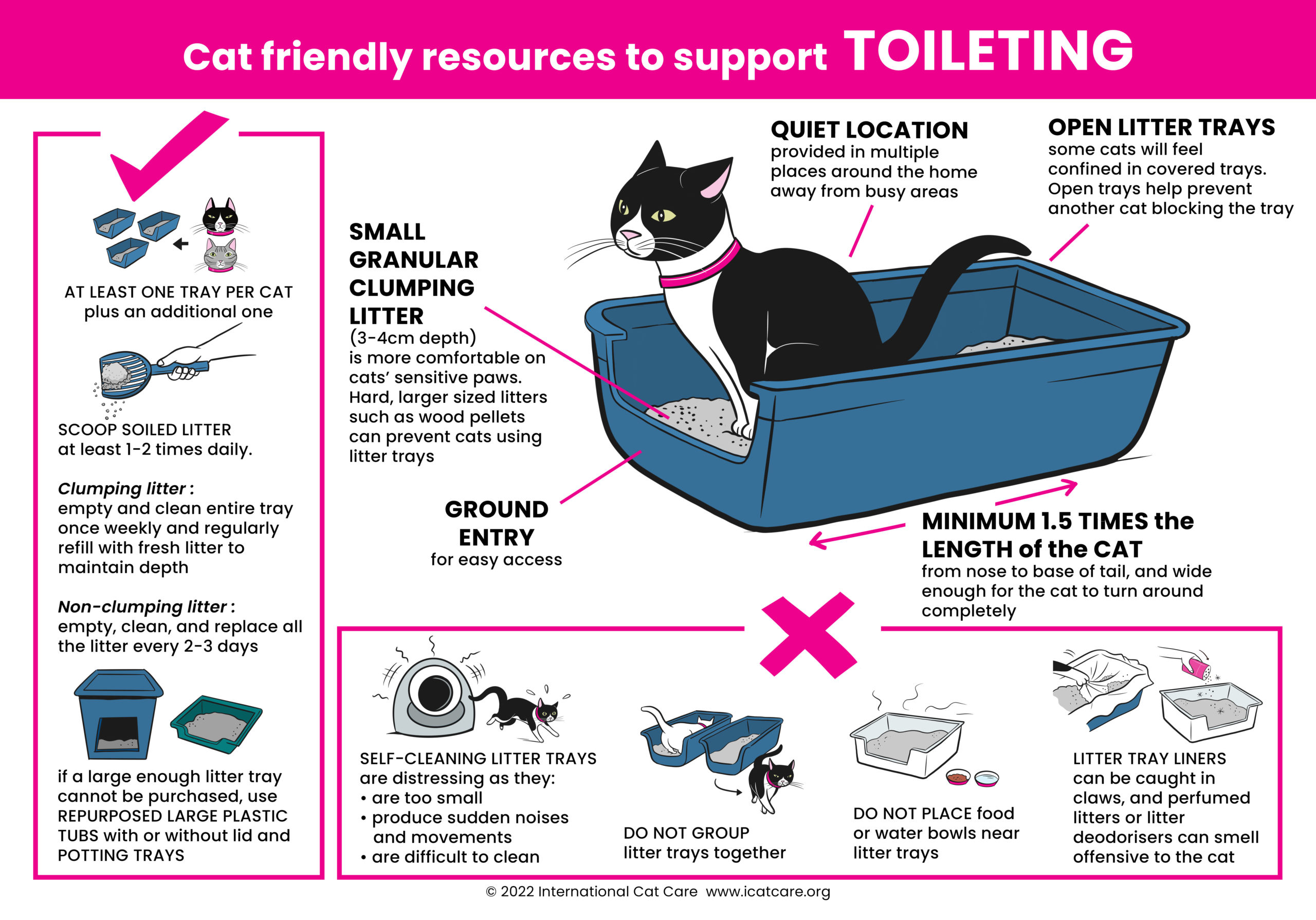
Cats value their privacy, just like humans. Place the litter box in a quiet spot. Avoid high-traffic areas where people often pass by. A secluded corner works well. Cats feel safe when they can do their business undisturbed.
Accessibility
Keep litter boxes easily accessible. If a cat can’t reach it, accidents happen. Avoid placing boxes in places where a door might block access. Make sure older cats can reach their box without difficulty. Accessibility ensures consistent use and keeps your home clean.
Training Cats To Use Litter Boxes
Cats naturally seek out a clean place for their bathroom needs. Training them to use a litter box can be simple with the right approach. Understanding their instincts and behavior helps in the training process. This guide will help you train your cat effectively.
Step-by-step Guide
Start by choosing a quiet spot for the litter box. Cats prefer privacy. Place the box in a low-traffic area. Ensure it’s easy for your cat to reach.
Use a litter your cat likes. Some cats are picky. You might need to try different types.
Introduce your cat to the box. Gently place them inside. Let them sniff and explore.
Observe your cat. If they use the box, praise them softly. Positive reinforcement encourages repeat behavior.
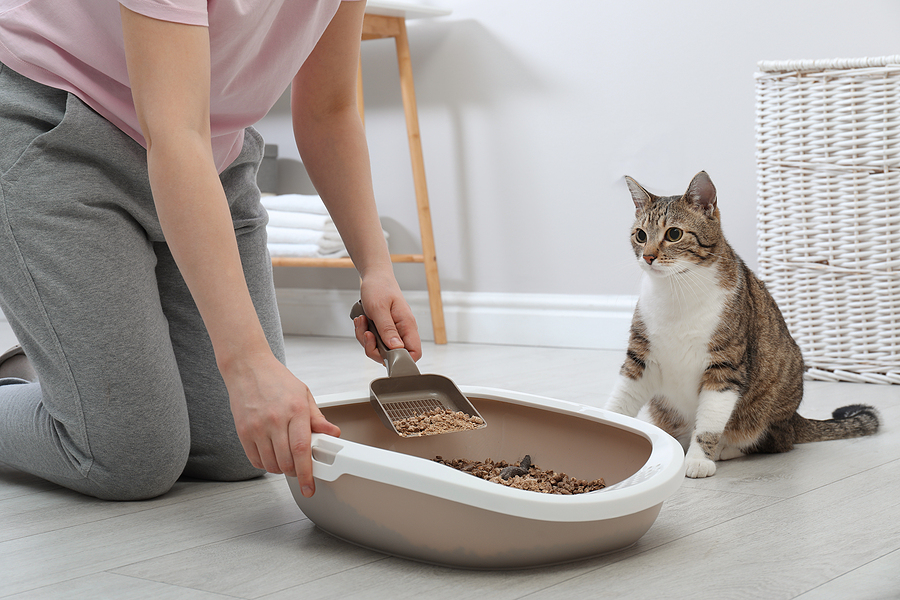
Keep the box clean. Scoop daily. Cats dislike dirty boxes.
Common Challenges
Some cats may resist using the box. This can be frustrating.
Location matters. A busy area can deter cats. Move the box to a quieter spot.
Stress affects litter box habits. New environments or pets can cause anxiety. Keep changes gradual.
Health issues might cause litter box avoidance. If problems persist, consult a vet.
Consistency is key. Stick to your routine. Cats thrive on familiarity.
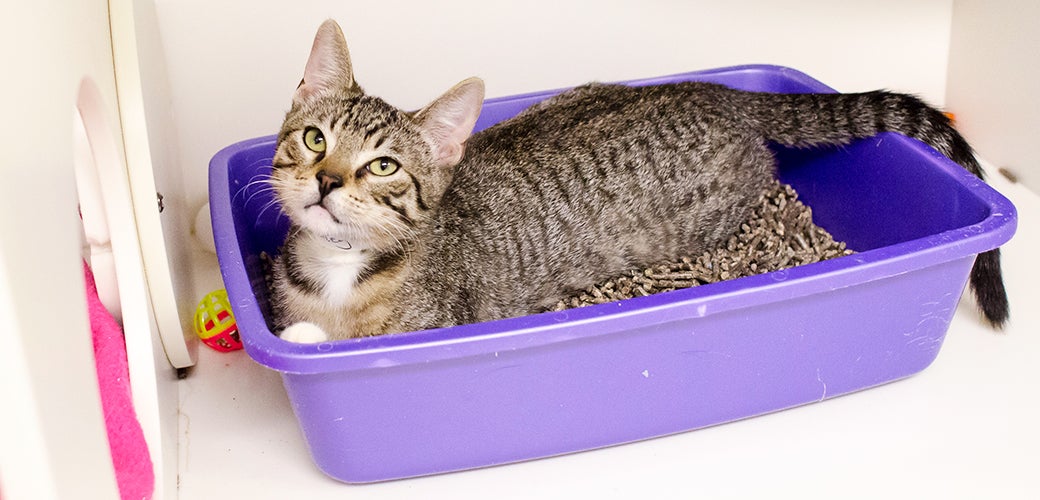
Credit: www.aspca.org
Maintaining Cleanliness
Maintaining cleanliness is crucial for cats and their owners. A clean environment keeps cats healthy and happy. Litter boxes play a key role in this. They ensure a tidy and odor-free home. Regular maintenance of these boxes is important.
Daily Cleaning Routine
Daily cleaning is essential for litter boxes. Scoop out waste every day. This prevents buildup and keeps the box fresh. It also encourages cats to use the box regularly. Consistent cleaning reduces the spread of bacteria. A clean box is inviting for your feline friend.
Odor Control
Odor control is a major concern for cat owners. A dirty litter box can smell unpleasant. Use quality litter to absorb odors effectively. Change the litter regularly to keep smells at bay. Consider using baking soda for extra freshness. A pleasant-smelling home benefits everyone.
Frequently Asked Questions
Why Do Cats Naturally Use A Litter Box?
Cats instinctively bury waste to avoid predators. Litter boxes mimic natural environments for digging and burying. Their keen sense of smell ensures cleanliness, encouraging consistent use. Proper litter texture and location enhance their comfort, promoting regular usage. This natural behavior makes litter boxes ideal for domestic cats.
Why Do Cats Use A Litter Box And Dogs Don’t?
Cats instinctively bury waste to hide their scent from predators. Dogs prefer marking territory with their scent. Cats have strong instincts for cleanliness, making litter boxes ideal. Dogs’ outdoor habits stem from their pack animal nature and desire to explore.
What Is The Purpose Of A Cat Litter Box?
A cat litter box provides a designated space for cats to urinate and defecate indoors. It ensures cleanliness and convenience for both the cat and the owner. Regular cleaning helps control odor and maintain hygiene. Litter boxes are essential for indoor cats, promoting healthy habits and a comfortable environment.
What Happens If You Don’t Give A Cat A Litter Box?
Cats will relieve themselves on floors, furniture, or other areas. This leads to unpleasant odors and potential messes. Stress and anxiety may occur in cats without a litter box. Providing a clean litter box helps maintain their health and keeps your home tidy.
Conclusion
Cats use litter boxes for good reasons. They value cleanliness. Instincts guide them to bury waste. This keeps odors away. Litter boxes offer privacy and security. Easy to maintain, they fit well in homes. They also reduce mess and stress.
Training is simple. Cats quickly adapt. Owners benefit too. A tidy solution for pet hygiene. Understanding this strengthens the bond. Happy cats make happy homes. A litter box is more than a necessity. It’s a part of cat life. Simple, yet essential.

Similar Posts