Are Essential Oil Diffusers Safe for Cats? Uncover the Truth
Are you a cat owner who loves using essential oil diffusers to create a calming atmosphere in your home? You might be wondering if these popular devices are safe for your feline friends.
With more people turning to aromatherapy to unwind and de-stress, it’s crucial to know how these oils can affect your pet’s health. As a caring cat parent, you wouldn’t want to expose your kitty to anything that could harm them.
This article will uncover the truth behind essential oil diffusers and their impact on cats. Dive in to discover how to keep your home fragrant without compromising your pet’s safety.
Understanding Essential Oils
Essential oil diffusers can be harmful to cats. These scents may irritate their sensitive respiratory systems. It’s crucial to choose pet-safe oils and ensure proper ventilation.
Understanding essential oils can be a fascinating journey, especially for pet owners. These potent plant extracts are cherished for their aromatic and therapeutic properties. But when you have a curious cat at home, it’s important to know what you’re dealing with.
Types Of Essential Oils
Essential oils come in a wide variety of types, each with its unique scent and properties. Lavender is well-known for its calming effects, while peppermint is invigorating and refreshing. Some oils, like eucalyptus and tea tree, are known for their antiseptic qualities. As a cat owner, you need to be aware of which oils are safe. Citrus oils, for example, can be quite harmful to cats. It’s crucial to research and possibly consult with a vet before using any essential oils around your furry friend.
Common Uses And Benefits
People use essential oils for many reasons. They can help improve mood, alleviate stress, or even purify the air in your home. Diffusing lavender oil might help you relax after a long day, while a bit of peppermint could give you a refreshing pick-me-up. But here’s the catch for cat owners: what benefits you might not be safe for your cat. Cats have a different metabolism and can react adversely to certain oils. So, if you’re thinking about using a diffuser, ask yourself: Is this safe for my pet? Always remember, your cat’s safety should come first. With the right knowledge and precautions, you can enjoy the benefits of essential oils without putting your pet at risk. Have you found any essential oils that both you and your cat enjoy? Share your experiences and tips with fellow pet lovers!

Credit: prwe.com
How Diffusers Work
Essential oil diffusers can bring a delightful aroma to your home, but if you have cats, it’s crucial to understand how these devices function. The diffusion process releases essential oils into the air, which can affect your feline friends differently than it does humans. Let’s dive into how diffusers work to keep your home smelling fresh while ensuring your cat’s safety.
Mechanism Of Diffusion
Diffusers function by breaking down essential oils into small particles that mix with water or air. This creates a mist or vapor that spreads throughout your space. The scent lingers, creating a pleasant atmosphere.
Think about the times you’ve entered a room and immediately felt relaxed due to a calming scent. That’s diffusion at work. But remember, what’s soothing for you might not be safe for your cat. Cats have a unique metabolism and might not tolerate certain essential oils that are diffused.
Types Of Diffusers
There are several types of diffusers, each working slightly differently:
- Ultrasonic Diffusers:These use ultrasonic waves to break down oils into a fine mist mixed with water.
- Nebulizing Diffusers:They work without water, directly breaking down oils into micro-particles.
- Evaporative Diffusers:These use a fan to evaporate the oil, dispersing the scent into the air.
- Heat Diffusers:They use heat to disperse the oil, which can alter the oil’s properties.
Ultrasonic diffusers are popular because they are quiet and don’t heat the oils, preserving their therapeutic qualities. However, nebulizing diffusers release a stronger scent, which might be overwhelming for your cat. Ask yourself, is the strong aroma worth the risk to your pet?
Consider your choice carefully; different diffusers mean different levels of exposure for your cat. Sometimes, what seems like a minor detail can make a significant difference. Always ensure proper ventilation, and never leave the diffuser running unattended when your cat is around.
Effects Of Essential Oils On Cats
Essential oils are popular for their aromatic benefits. Yet, they can be harmful to pets, especially cats. Cats have a unique metabolism. This makes them sensitive to certain substances. Understanding these effects is crucial for pet safety. Let’s explore how essential oils impact our feline friends.
Toxic Oils For Cats
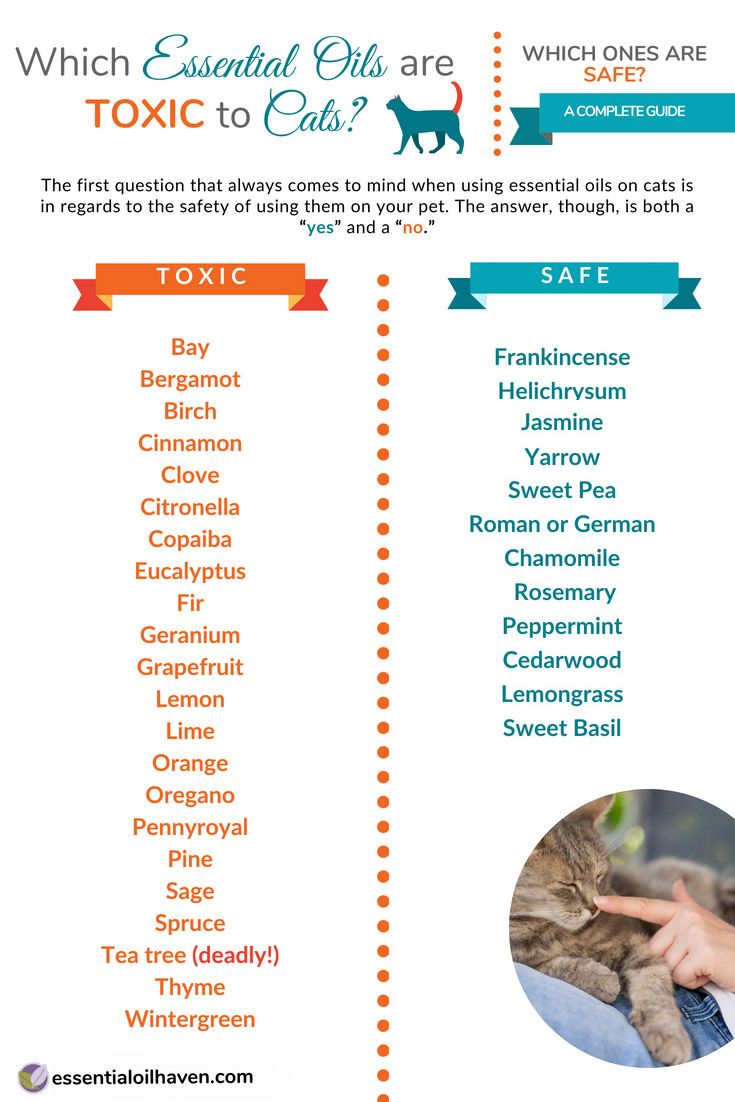
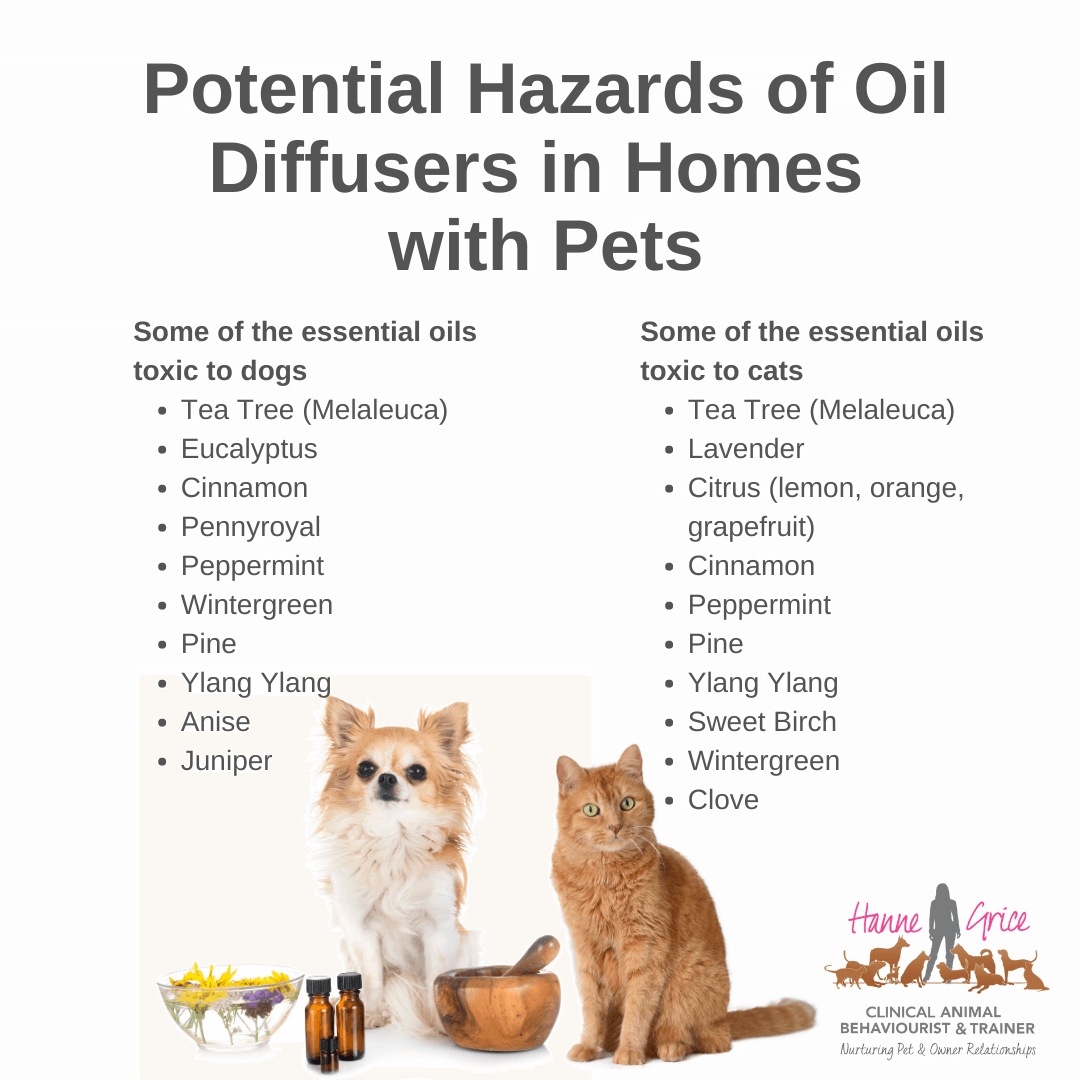
Some essential oils are toxic to cats. These include tea tree, eucalyptus, and peppermint. Cinnamon and citrus oils are also dangerous. Even small amounts can cause harm. Cats lack enzymes to process these oils. This leads to toxic buildup in their system.
Symptoms Of Toxicity
Toxicity symptoms in cats vary. Common signs include drooling and vomiting. Cats may also show signs of difficulty breathing. Some may experience tremors or wobbliness. Skin irritation is another possible symptom. In severe cases, liver damage can occur. Immediate veterinary care is vital if symptoms appear.
Safe Practices For Using Diffusers Around Cats
Essential oil diffusers can enhance your home’s ambiance. But, using them around cats requires caution. Cats have unique sensitivities. Some oils can harm them. Following safe practices ensures their well-being. Let’s dive into effective methods.
Choosing Pet-friendly Oils
Not all essential oils are safe for cats. Lavender and chamomile are generally safe. Avoid oils like tea tree and eucalyptus. They can be toxic to cats. Always check labels for pet safety. Consult with your vet for recommendations.
Proper Placement Of Diffusers
Placement is crucial for cat safety. Keep diffusers out of reach. High shelves work well. Cats are curious. They might try to knock diffusers over. Ensure the diffuser is stable. Avoid areas where your cat spends a lot of time. This reduces exposure.
Alternatives To Essential Oil Diffusers
As much as we love the calming effect of essential oil diffusers, we must be cautious about their impact on our furry friends, especially cats. Cats are known to be sensitive to certain substances, and essential oils can pose a risk. If you’re concerned about your cat’s safety, exploring alternatives can ensure a safe and pleasant environment for both you and your feline companion. You might be surprised by the variety of options available that are both cat-friendly and effective.
Non-toxic Air Fresheners
Did you know that you can freshen up your home without using essential oils? Non-toxic air fresheners can be a great alternative. Consider using products labeled as pet-safe or those made from natural ingredients. Baking soda can be an excellent choice for neutralizing odors in specific areas, like the litter box.
Another option is using activated charcoal bags. They absorb odors and pollutants, making the air cleaner without releasing any harmful substances. These bags can be placed around the house or near pet areas to keep the air fresh and safe.
Natural Remedies For Air Quality
Improving air quality doesn’t always require store-bought solutions. Sometimes, simple changes can make a big difference. Ventilation is a powerful ally; opening windows regularly allows fresh air to circulate, reducing indoor air pollutants.
Houseplants are another natural way to enhance air quality. Plants like spider plants and Boston ferns are known to purify air and are safe for cats. Adding a few to your living space can brighten your home and improve air quality without any risk to your pet.
Have you considered using a humidifier? A humidifier can help maintain proper moisture levels in the air, which can be beneficial for both you and your pets. Plus, it’s a safe way to improve air quality without introducing any scents or chemicals.
Which alternative will you try first? By choosing non-toxic options, you ensure a safe environment for your cat while still enjoying a fresh-smelling home. Your choices matter, and small changes can lead to big results in creating a safe haven for your beloved pet.

Credit: www.pinterest.com
Expert Opinions And Studies
Some experts warn that essential oil diffusers might be harmful to cats. Certain oils can cause respiratory issues. Studies suggest using pet-safe options and ensuring proper ventilation to minimize risks.
When it comes to the safety of essential oil diffusers around cats, expert opinions and scientific studies provide valuable insights. As a cat owner, you might be wondering if those delightful scents are safe for your furry friend. Understanding the viewpoints of veterinarians and the findings from scientific research can help you make informed decisions about using essential oil diffusers in your home.
Veterinarian Insights
Many veterinarians express caution about using essential oil diffusers around cats. Cats have a unique metabolism that makes them more sensitive to certain substances, including essential oils. Dr. Jane, a well-known veterinarian, shared a story about a cat that suffered respiratory issues after prolonged exposure to diffused essential oils. Veterinarians often recommend avoiding oils like tea tree, eucalyptus, and peppermint around cats. These oils contain compounds that can be harmful to your feline friend. It’s important to monitor your cat’s behavior and health if you choose to use a diffuser in your home.
Scientific Research Findings
Scientific research provides a clearer picture of how essential oils can affect cats. A study from a reputable veterinary college found that some essential oils can cause liver damage in cats. This is due to their inability to metabolize certain compounds found in these oils. The study also highlighted that diffusers release particles into the air that can be inhaled by pets. This can lead to respiratory issues or even neurological problems. Are you willing to risk these potential health issues for a pleasant scent? Some research suggests that using diffusers in well-ventilated areas and limiting the duration of use can mitigate risks. However, the safest approach is always to consult your veterinarian before using any essential oils around your cat. By understanding the expert opinions and scientific studies, you can better ensure the safety and well-being of your beloved feline companion. Always prioritize your cat’s health over a fragrant home.
Steps To Take If Your Cat Is Exposed
Cats may face risks with essential oil diffusers. Quickly remove the diffuser and ventilate the room. Contact a veterinarian immediately if your cat shows signs of distress.
Cats are curious creatures, and sometimes that curiosity can lead them into trouble, especially when it comes to essential oil diffusers. If you suspect your cat has been exposed to essential oils, knowing the right steps to take can make all the difference. Quick and calm action is essential to ensure your pet’s safety. Here’s a guide to help you navigate this situation effectively.
Immediate Actions
First, remove your cat from the area where the essential oil diffuser is located. If oils have been spilled, clean them up immediately to prevent further exposure. Next, check for any signs of distress in your cat. Symptoms like drooling, vomiting, or difficulty breathing are red flags. In a personal experience, my cat once knocked over a diffuser, and I quickly wiped her paws and fur with a damp cloth to remove any oil residue. This simple step can help reduce the risk of absorption through the skin.
When To Seek Veterinary Help
If your cat shows any severe symptoms, don’t wait. Contact your vet immediately. Time is of the essence when dealing with potential poisoning. Even if symptoms seem mild, a vet visit is a wise precaution. Essential oils can have delayed effects on cats, so professional advice is always beneficial. Have you ever wondered how many pet owners overlook subtle symptoms? Being proactive could save your cat from severe health issues. Always better to err on the side of caution when your furry friend’s health is at stake.
Frequently Asked Questions
Are Any Essential Oils Safe To Diffuse Around Cats?
Yes, some essential oils are safe for cats. Lavender, chamomile, and frankincense are generally considered safe. Always use oils in moderation and ensure proper ventilation. Avoid oils like tea tree, eucalyptus, and citrus, which can be harmful. Consult a vet for personalized advice.
What Essential Oils Are Pet Safe?
Lavender, chamomile, and frankincense essential oils are generally safe for pets. Always dilute oils properly before use. Consult a veterinarian to ensure specific essential oils are safe for your pet. Keep essential oils out of reach and observe your pet for any adverse reactions.
What Scents Are Safe For Cats To Smell?
Cats can safely smell rosemary, thyme, and chamomile. These scents are non-toxic and generally safe. Always ensure essential oils are diluted and avoid direct contact. Consult a vet for specific concerns about your cat’s sensitivities.
Are Plug In Diffusers Safe For Cats?
Plug-in diffusers can be harmful to cats if they contain essential oils. Ensure the diffuser’s contents are pet-safe. Always consult your vet before using any diffuser near cats. Keep diffusers out of reach and monitor your cat for any signs of discomfort or allergic reactions.
Conclusion
Essential oil diffusers can pose risks to cats. Cats are sensitive to some oils. Always check ingredients before use. Choose cat-safe oils and diffusers carefully. Ensure good ventilation in your home. Monitor your cat for any unusual behavior. Symptoms like drooling or lethargy need vet attention.
It’s important to prioritize your cat’s health. Safe practices can prevent harm. Research and stay informed about safe oils. Your furry friend’s safety comes first. Always consult your vet if unsure. Being cautious helps keep your cat healthy and happy.