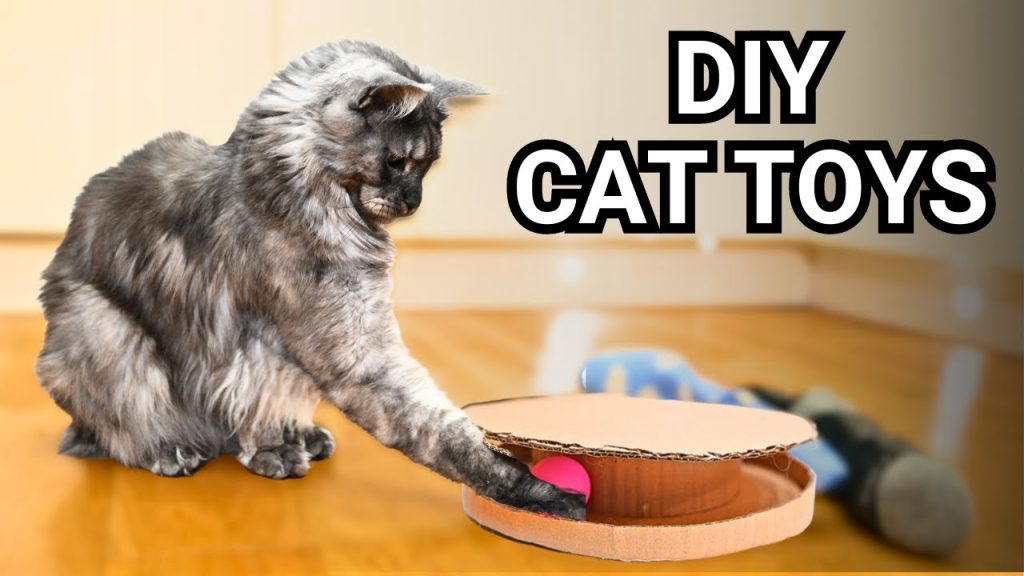
Are you tired of spending money on fancy cat toys that your furry friend just ignores? You’re not alone.
Often, the simplest toys bring the most joy to our feline companions. Imagine watching your cat play with a toy you made yourself, knowing it’s not only fun but also tailored to their unique preferences. You’ll discover easy, creative ways to make cat toys that are bound to captivate your kitty’s attention.
Whether you’re a DIY enthusiast or a cat lover eager to try something new, these ideas will inspire you to turn everyday items into delightful playthings. Keep reading to uncover the secrets to crafting toys that your cat will adore, all while saving money and adding a personal touch to your pet’s playtime.
Benefits Of Diy Cat Toys
Creating cat toys yourself saves money and boosts creativity. These homemade toys can be tailored to your cat’s preferences, ensuring endless fun. Making toys at home also provides a bonding opportunity with your pet, enhancing the joy of playtime.
Creating DIY cat toys is not just a fun weekend project; it carries several benefits that both you and your feline friend will enjoy. Imagine the satisfaction of watching your cat play with something crafted from your own hands. It’s a unique bonding experience that enhances your relationship. Plus, DIY toys can be customized to suit your cat’s preferences, making playtime even more exciting.Cost-effective
Buying toys for your cat can quickly add up. Making toys at home can save you money. Use items you already have, like old socks or bottle caps. This means more savings for you while still keeping your cat entertained.Eco-friendly
Are you conscious about reducing waste? DIY cat toys can be an eco-friendly alternative. Repurpose materials like cardboard or fabric scraps. This reduces waste and gives new life to old items.Customization
Every cat is unique, and DIY toys can cater to their individual quirks. Does your cat love chasing feathers? Create a toy with feathers attached. You’ll know your cat better than any store-bought toy manufacturer.Creativity Boost
Making toys can be a creative outlet for you. It challenges you to think outside the box and use everyday items in new ways. You’ll surprise yourself with the clever ideas you come up with.Safety Control
Are you worried about toy safety? DIY allows you to ensure that no small parts pose choking hazards. You control the materials and construction, offering peace of mind.Bonding Opportunity
Ever felt the joy of seeing your pet play with something you made? Creating toys is a bonding experience. It deepens your connection as you invest time in making something special for your cat.Engagement And Exercise
DIY toys can be tailored to encourage active play. Design toys that promote exercise and mental stimulation. Keeping your cat healthy and happy is easier when you know what they love.Personal Touch
There’s something special about homemade toys. They carry a personal touch that store-bought toys can’t match. Your cat will enjoy the love and attention that went into creating their new favorite plaything. Wouldn’t you agree that the benefits of DIY cat toys extend beyond just playtime? Why not try making a toy for your cat today and see the joy it brings?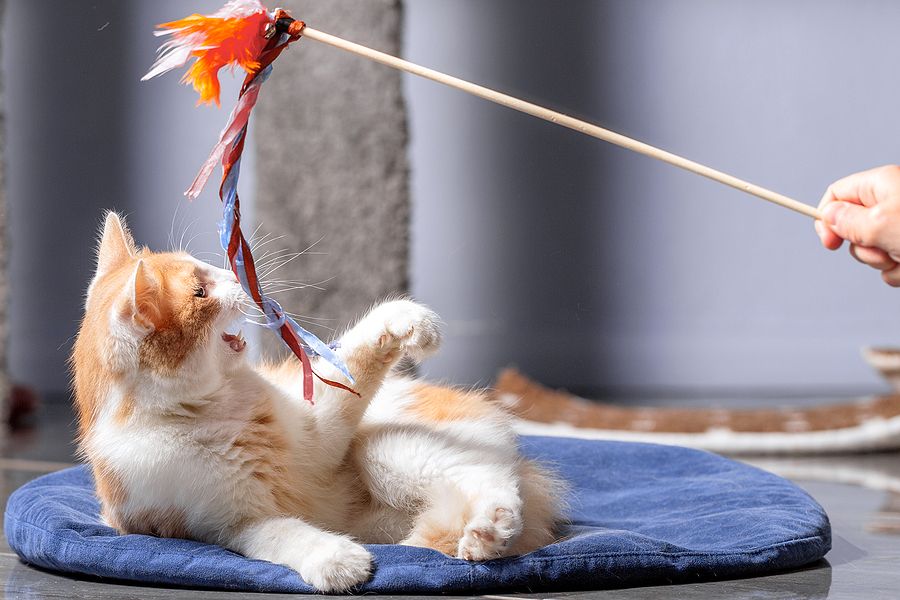
Credit: forevervets.com
Materials Needed
Creating homemade cat toys is a fun and rewarding experience. You can use various materials to craft engaging toys for your furry friend. This section covers essential materials needed for making cat toys at home. Make sure to choose safe and sustainable options for your pet’s enjoyment.
Eco-friendly Options
Eco-friendly materials reduce environmental impact and keep your cat safe. Consider using recycled cardboard from old boxes. It is easy to cut and shape. Fabric scraps from old clothing can make soft toys. Reuse wine corks or bottle caps for simple toys. Natural fibers like jute or hemp are excellent choices. They are durable and safe for cats. You can find these materials around your home.
Safety Considerations
Always prioritize safety when crafting cat toys. Avoid small parts that cats can swallow. Use non-toxic materials to ensure safety. Check for sharp edges or points before giving toys to your cat. Secure any loose parts with strong glue or stitching. Regularly inspect toys for wear and tear. Replace them when damaged to prevent injury. Safety keeps playtime fun and stress-free.
Simple Toy Ideas
Create fun and easy cat toys at home using everyday items. Turn a sock into a playful mouse or craft a dangling feather with yarn. Engage your feline friend with these simple, cost-effective ideas.
Creating toys for your feline friend can be an exciting and rewarding experience. Homemade cat toys not only save money but also provide a sense of satisfaction. You can easily make these toys using everyday items found around your home. Let’s dive into some simple toy ideas that will keep your cat entertained for hours.Feather Wand
The feather wand is a classic and it’s incredibly easy to make. All you need is a sturdy stick, some string, and a few colorful feathers. Attach the feathers to one end of the string, then tie the other end securely to the stick. Cats love the thrill of the chase. Waving the feather wand mimics the movement of prey, sparking their natural hunting instincts. Move the wand around, and watch your cat leap, pounce, and swat with joy.Sock Ball
A sock ball is another simple yet effective toy that your cat will adore. Grab an old sock and fill it with crumpled paper or a few dried beans for an enticing rattle. Tie a knot at the open end to secure the contents inside. This toy is perfect for batting around and carries an extra allure with the familiar scent of you. Does your cat love playing fetch? Toss the sock ball and see if they bring it back to you. Making these toys at home adds a personal touch that store-bought toys can’t match. Plus, you can experiment with different materials and sounds to discover what your cat likes best. What other household items could turn into your cat’s next favorite toy?
Credit: www.youtube.com
Interactive Toys
Crafting homemade cat toys offers a fun and cost-effective way to engage your feline friend. Simple materials like yarn, feathers, and cardboard transform into playful treasures, ensuring hours of amusement for your pet.
Cats are natural hunters, and interactive toys can satisfy their instincts while keeping them entertained. These toys provide mental stimulation, physical exercise, and can strengthen the bond between you and your feline friend. Interactive toys can be easily crafted at home, allowing you to tailor them to your cat’s preferences. Ready to dive into the world of DIY cat entertainment? Let’s explore two exciting types of interactive toys: Puzzle Feeders and Tunnels and Hideaways.Puzzle Feeders
Puzzle feeders are a fantastic way to engage your cat’s mind. They challenge your cat to work for their food or treats, turning mealtime into a fun activity. You can create simple puzzle feeders using items like egg cartons or muffin tins. Place treats or kibble in each compartment, and cover them with balls or crumpled paper. Consider using a variety of textures and sizes to keep it interesting. Does your cat love playing with bottle caps? Use them to cover the treats. This not only entertains your cat but also aids in slowing down their eating pace. Have you noticed how cats enjoy chasing their food around? Puzzle feeders make this possible, keeping them active and mentally stimulated.Tunnels And Hideaways
Tunnels and hideaways offer your cat a sense of adventure and security. These can be made from simple materials like cardboard boxes or tubes. Cut holes in boxes to create entrances and exits, mimicking the burrows cats love to explore. Do you have an old t-shirt lying around? Drape it over a small table or chair to create a cozy hideaway. Cats adore the thrill of sneaking through tunnels and discovering hidden corners. Have you ever watched your cat dart through a homemade tunnel? The joy and curiosity in their eyes are priceless, and it’s a reminder of their playful nature. Interactive toys bring joy and engagement into your cat’s life, and they don’t have to be complicated or costly. What are your cat’s favorite toys, and how can you make them even more interactive?Repurposing Household Items
Creating cat toys from household items is both fun and sustainable. Instead of throwing things away, transform them into exciting playthings for your feline friend. Simple items can become delightful toys with a little creativity.
Cardboard Creations
Cardboard is a cat’s best friend. Cut it into different shapes for your pet. Create tunnels by connecting boxes with tape. Cats love to hide and pounce inside. Make a scratcher by gluing strips of cardboard together. Your cat will enjoy scratching and playing with it. Add some string or feathers for extra fun.
Bottle Cap Rattles
Save those plastic bottle caps. They make perfect rattles for cats. Fill a cap with small beads or rice. Seal it tightly with glue. Your cat will enjoy the sound as they bat it around. Attach a string for added interest. Hang it from a doorknob or furniture. Watch your cat’s playful antics as they chase it.

Credit: www.aspcapetinsurance.com
Customizing For Your Cat’s Preferences
Crafting cat toys tailored to your feline’s tastes enhances playtime. Use soft fabrics for cats that love cuddling. Add bells or feathers for those who enjoy a bit of excitement. Personalize toys with scents or textures to keep your cat engaged and entertained.
Creating cat toys at home is not just cost-effective, but also a fun way to cater to your furry friend’s unique tastes. Customizing toys based on your cat’s preferences can make playtime more enjoyable and stimulating. By understanding your cat’s specific likes and dislikes, you can craft toys that keep them engaged and happy.Understanding Play Styles
Cats have individual play styles that mirror their hunting instincts. Some cats love chasing and pouncing, while others prefer batting and swatting at objects. Observe your cat: do they chase after balls or stalk feathered wands? Tailoring toys to these preferences can make a big difference. If your cat enjoys chasing, consider making toys that roll or dangle. For the swatters, toys that can hang or be batted around might be more appealing.Adaptations For Age And Health
Your cat’s age and health can greatly influence how they interact with toys. Kittens are full of energy and may prefer interactive toys that challenge their agility. Older cats might appreciate simpler toys that require less physical exertion. For a senior cat with arthritis, a soft plush toy that can be nudged with little effort may be ideal. Think about any health limitations your cat might have. Are they able to leap and bound, or do they need something more stationary? Consider your own experiences with your cat. Have you noticed a change in their play habits as they aged or as their health changed? Being attentive to these shifts ensures that you’re always providing the best play options. Engaging with your cat through play is a rewarding experience. It strengthens your bond and keeps your cat mentally and physically active. What toy will you create next to delight your feline companion?Care And Maintenance
Creating homemade cat toys requires attention to care and maintenance. Regularly check for loose threads or sharp edges. Ensure toys remain clean and safe for playful paws.
Caring for and maintaining your DIY cat toys is crucial to ensure they remain safe and enjoyable for your feline friend. Without proper care, toys can quickly become dirty or worn out, posing risks to your cat’s health. By investing a little time in maintenance, you can extend the life of these toys and keep your cat entertained and safe.Cleaning Tips
Keeping your cat toys clean isn’t just about hygiene; it’s about your cat’s health. Toys can accumulate dirt, saliva, and even bacteria. Regular cleaning helps prevent these from becoming a problem. Use mild soap and warm water to wash fabric toys. Rinse thoroughly to remove soap residue. For harder toys, like plastic, a mixture of vinegar and water can work wonders. Always dry them completely before giving them back to your cat. Do you have a toy that can’t get wet? Use a damp cloth to wipe it down. This method can be a lifesaver for electronic toys that need gentle care.Regular Safety Checks
Safety checks might sound tedious, but they’re essential for your cat’s well-being. Over time, toys can develop sharp edges or loose parts that could be dangerous. Inspect toys for wear and tear. Look for loose threads, broken parts, or sharp edges. If a toy looks risky, it’s better to repair it or retire it altogether. Do you notice any changes in your cat’s behavior with a particular toy? It’s a sign you should check that toy immediately. Your cat’s safety should always come first. By making cleaning and safety checks a habit, you’re not just preserving toys; you’re ensuring your cat’s happiness and safety. Are there any other tips or tricks you use to care for your cat’s toys? Share your experiences below!Engaging Your Cat With New Toys
Keeping your cat entertained with new toys can be challenging yet rewarding. Cats are curious and playful creatures. They need stimulation to stay active and healthy. Introducing new toys can spark their interest and keep them engaged.
Introducing Toys
Start by showing the toy to your cat. Let them sniff and explore it. This helps them become familiar with the new object. Wave it around gently to catch their attention. Bright colors and interesting shapes can intrigue them.
Place the toy in a common play area. This encourages your cat to investigate further. Make sure the toy is safe and suitable for your cat’s size. This ensures they can play without any risks.
Encouraging Play
Initiate play sessions by moving the toy around. Cats love chasing moving objects. Use toys that mimic prey, like dangling feathers or small balls. This taps into their natural hunting instincts.
Spend a few minutes each day engaging your cat. Regular play keeps them active and prevents boredom. Observe your cat’s preferences. Adjust the type of toy or play style accordingly. Reward them with treats or praise to reinforce playtime.
Frequently Asked Questions
What Is The Best Material For Cat Toys?
The best material for cat toys is natural fibers like wool and cotton. These materials are safe and non-toxic. Cats also enjoy toys made from sisal, which satisfies their scratching instincts. Always ensure toys are durable to withstand your cat’s playful nature.
What Is The Best Filling For Cat Toys?
Organic catnip is the best filling for cat toys. It stimulates play and keeps cats engaged. Wool or crinkle paper are also popular choices, providing texture and sound for added interest. Ensure fillings are non-toxic and safe for your pet to chew and play with.
How To Make Your Cat Like A Toy?
Introduce the toy during playtime. Use treats to associate positive feelings. Rotate toys to maintain interest. Mimic prey movements to engage hunting instincts. Always supervise and ensure safe play.
What Toys Keep Cats Entertained?
Interactive toys like feather wands, laser pointers, and puzzle feeders keep cats entertained. Catnip-filled toys and automated moving toys stimulate play. Scratching posts and climbing trees also provide fun and exercise. Rotate toys regularly to maintain interest and enrich their environment.
Conclusion
Creating cat toys at home can be fun and rewarding. You can save money and customize them to your cat’s likes. Simple materials like strings, feathers, and cardboard work well. Cats enjoy interactive toys that challenge their natural instincts. Remember to supervise playtime for safety.
Making toys strengthens your bond with your pet. It also keeps them active and entertained. Try new ideas and observe your cat’s reaction. Each toy you make is a chance to learn. Enjoy the process and cherish the moments with your feline friend.
Happy crafting!