What Cat Food is Best for Smelly Poop: Top Picks
Are you tired of cringing every time your feline friend uses the litter box? You’re not alone.
Many cat owners face the challenge of dealing with smelly cat poop, and it can be quite distressing. But what if the solution lies in something as simple as what you’re feeding your kitty? You’ll uncover the secrets to choosing the best cat food that can help reduce those unpleasant odors.
We’ll dive into the ingredients and nutrients that make the difference, ensuring not only a happier cat but also a fresher home environment. Stick around, because your nose will thank you!
Credit: www.onlynaturalpet.com
Causes Of Smelly Cat Poop
Understanding the causes of smelly cat poop helps improve your pet’s health. Smelly poop often indicates an underlying issue. This could relate to their diet, digestive health, or allergies. Addressing these causes can lead to a happier, healthier cat.
Dietary Factors
What your cat eats directly affects their stool odor. Low-quality cat food often contains fillers and by-products. These ingredients don’t digest well. This leads to foul-smelling waste. Cats need high-quality protein sources. Fresh meat and fish help reduce odor. Avoid foods with artificial additives. They contribute to digestive problems.
Digestive Health
Poor digestive health can result in smelly poop. Digestive issues prevent proper nutrient absorption. This leads to bad-smelling waste. Probiotics can support gut health. They promote healthy bacteria in your cat’s stomach. Fiber-rich foods also help digestion. They ensure smoother bowel movements.
Food Allergies
Food allergies cause more than just itchy skin. They can lead to smelly poop, too. Common allergens include beef, dairy, and soy. Identifying and avoiding allergens is crucial. An elimination diet helps determine the culprit. Consult your vet for guidance. They can help adjust your cat’s diet safely.
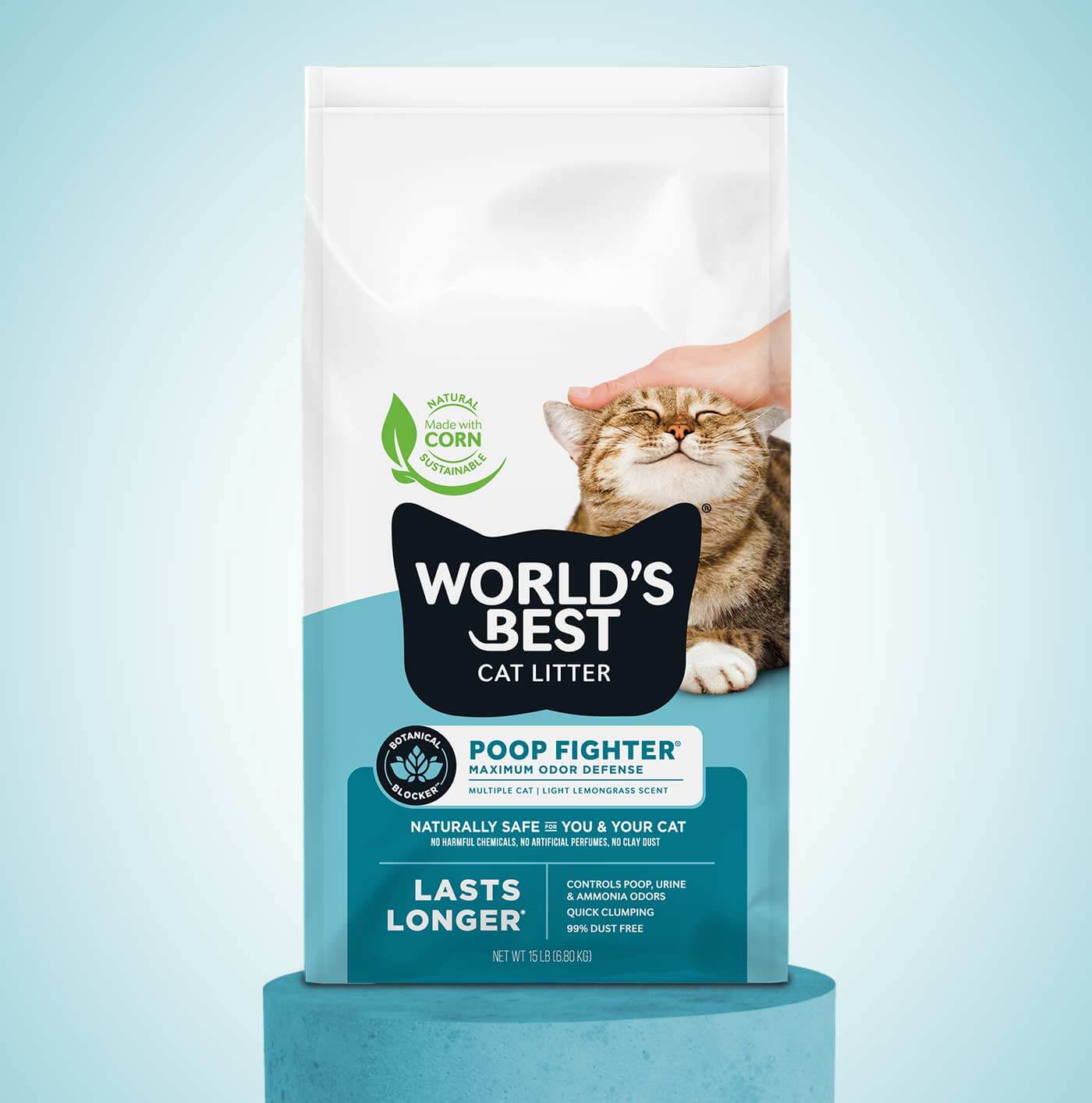
Credit: www.worldsbestcatlitter.com
Choosing The Right Cat Food
Selecting the best cat food can help reduce smelly poop. Opt for high-quality, easily digestible ingredients. Avoid fillers and artificial additives for healthier digestion and less odor.
Choosing the right cat food can make a world of difference in managing your feline friend’s smelly poop. It’s not just about finding the right brand but understanding what goes into the food that you’re feeding your pet. Have you ever wondered why some foods make your cat’s litter box unbearable, while others don’t?High-quality Ingredients
High-quality ingredients can play a significant role in reducing odor. Foods that list real meat like chicken, beef, or fish as the first ingredient often provide better digestion and less smelly waste. Look for foods without artificial additives or fillers, which can cause digestive issues. Cats thrive on protein, so ensuring their food contains quality protein sources is crucial. Avoid products with vague terms like “meat by-products,” which can be less digestible and lead to smellier poop.Grain-free Options
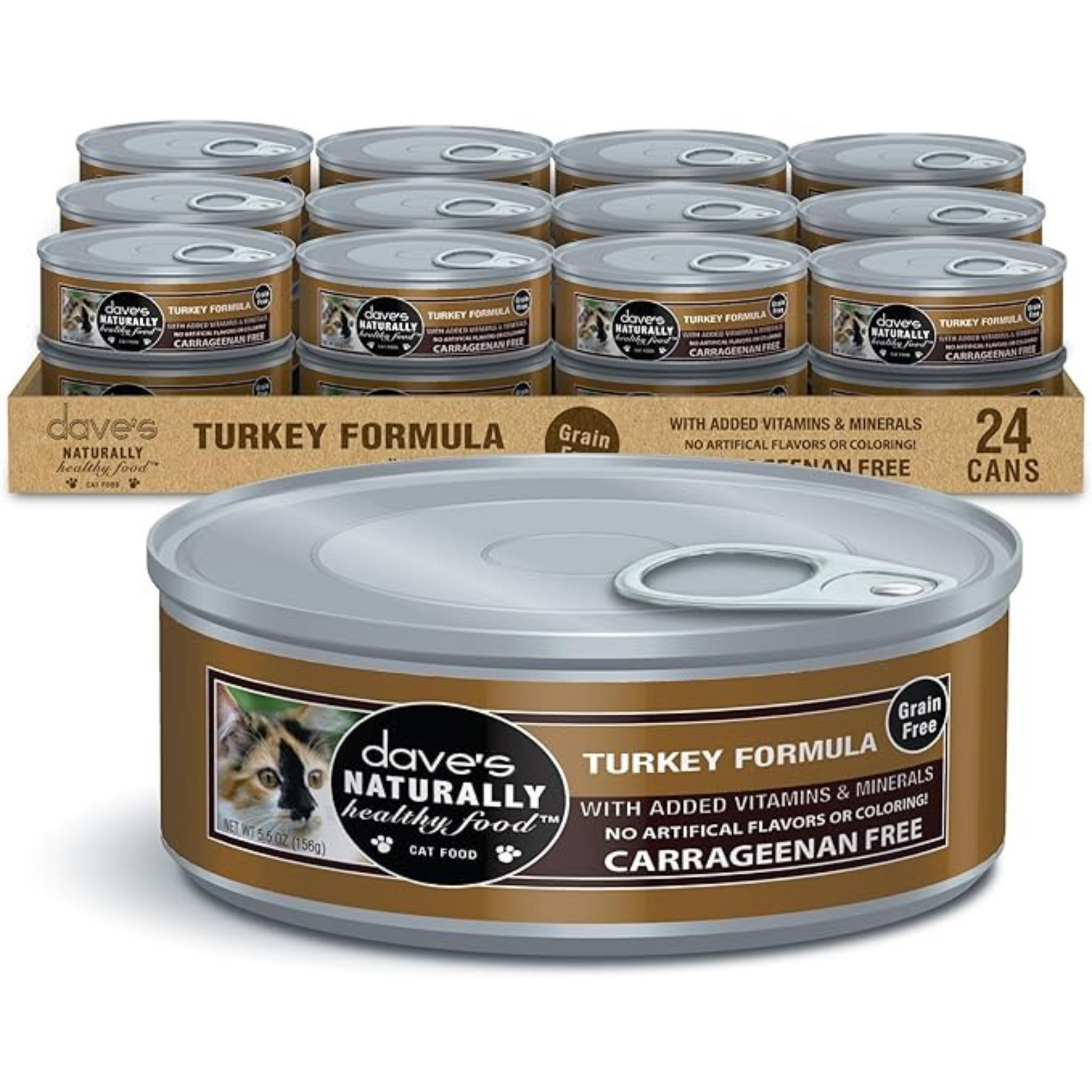
Grain-free cat food options are becoming increasingly popular. Some cats have difficulty digesting grains, which can contribute to odor issues. By removing grains like corn, wheat, and soy, you may notice an improvement in your cat’s stool smell. However, not all cats need a grain-free diet. It’s essential to observe how your cat reacts to different foods. Have you tried a grain-free diet and noticed a difference in your cat’s litter box habits?Limited Ingredient Diets
Limited ingredient diets are designed to reduce the number of components in your cat’s food. This can be particularly helpful if your cat has sensitivities or allergies. By simplifying their diet, you might find a reduction in unpleasant odors. These diets typically focus on one protein source and one carbohydrate source. This simplicity can aid digestion and minimize stool odor. Have you considered if your cat could benefit from fewer ingredients in their diet? Choosing the right cat food can be a game-changer for both you and your furry friend. Are you ready to experiment with your cat’s diet to create a more pleasant home environment?Top Cat Food Brands
If you’ve been dealing with the problem of smelly cat poop, you’re not alone. It’s a common issue faced by cat owners, often due to diet. Selecting the right cat food can make a big difference. But with so many brands out there, where do you start? Let’s dive into the top cat food brands that can help you tackle this issue head-on.
Premium Brands
Premium cat food brands often offer high-quality ingredients that can improve your cat’s digestion and reduce odor. Brands like Royal Canin and Hill’s Science Diet are known for their specialized formulas. They focus on balanced nutrition, which aids in better digestion and can potentially minimize smelly poop.
Imagine feeding your cat a diet that not only keeps them healthy but also keeps your home smelling fresh. Opting for premium brands might be a bit pricey, but the benefits are worth considering. You get peace of mind knowing you’re feeding your cat the best.
Budget-friendly Choices
You don’t have to break the bank to find effective solutions. Brands such as Purina One and Iams offer affordable options without compromising on quality. These brands often have formulas that help with digestion, which can lead to less odor.
Why spend more when you can get the same results with budget-friendly choices? These brands are widely available and offer a variety of flavors, ensuring your cat enjoys their meals while you enjoy a fresher home environment.
Specialty Diets
Specialty diets cater to specific dietary needs and can significantly reduce smelly poop. Grain-free options, like those from Blue Buffalo, are popular for cats with sensitive stomachs. They focus on natural ingredients and are designed to promote better digestive health.
Ever wonder if your cat’s diet is truly suitable for them? Specialty diets might be the answer. They provide targeted nutrition, and sometimes that’s all it takes to solve the odor issue. Explore these options if your cat has unique dietary requirements.
Choosing the right cat food can feel overwhelming, but understanding your options can help you make informed decisions. Which brand will you try first to tackle the smelly poop problem?
Wet Vs Dry Cat Food
Choosing between wet and dry cat food can significantly impact your feline friend’s digestive health. If your cat struggles with smelly poop, understanding the differences between these two types of food can be essential. Each option has its unique benefits and drawbacks, and finding the right balance might be the key to improving your cat’s digestion.
Pros Of Wet Food
Wet cat food is often praised for its high moisture content. This can help keep your cat hydrated, especially if they don’t drink much water.
Additionally, wet food tends to be more palatable and easier to digest. This can lead to less odorous poop as the food is broken down more efficiently.
Many cat owners find that wet food makes their pet’s coat shinier and healthier, another bonus of the increased moisture intake.
Benefits Of Dry Food
Dry cat food is convenient and easy to store. It doesn’t require refrigeration, making it a great option if you have a busy lifestyle.
It’s also cost-effective, allowing you to feed your cat quality nutrition without breaking the bank.
Dry food can be beneficial for dental health, helping to reduce plaque and tartar buildup as your cat chews.
Combination Feeding
Mixing wet and dry cat food can offer a balanced approach. It allows you to provide hydration from wet food while maintaining the dental benefits of dry food.
This method can also cater to picky eaters, offering variety in texture and flavor.
Consider experimenting with portion sizes to find the mix that leads to healthier digestion and less smelly poop. What works for one cat may not work for another. Have you tried different combinations for your furry friend?
Making an informed choice about what you feed your cat is crucial for their overall well-being. Understanding the pros and cons of wet versus dry food can help you tailor their diet to their specific needs, leading to a happier and healthier pet.
Homemade Cat Food Alternatives
Homemade cat food alternatives can be a lifesaver if you’re dealing with smelly cat poop. Many cat owners have found that switching to homemade meals helps manage odor issues and improves their pet’s health. The key is ensuring these meals are nutritionally balanced, easy to prepare, and safe for your feline friend.
Nutritional Balance
Ensuring your homemade cat food is nutritionally balanced is crucial. Cats require specific nutrients like taurine, protein, and healthy fats for optimal health. You might think about adding chicken or fish as a protein source, along with some vegetables like carrots or peas. But remember, cats are obligate carnivores, meaning their diet should be mostly meat-based.
A balanced meal can not only improve digestion but also reduce odor. You wouldn’t want your cat to miss out on essential vitamins and minerals. Consider consulting with a vet or a pet nutritionist to get the right mix.
Preparation Tips
Preparing homemade cat food doesn’t have to be a daunting task. Start small; maybe try a simple chicken and rice dish. Make sure to cook the meat thoroughly and avoid any seasoning. Cats prefer natural flavors, and spices can be harmful to them.
Consistency is key. You might discover that your cat prefers their food a certain way, perhaps chopped finely or a bit chunkier. Observe their preferences and adjust accordingly. Wouldn’t it be nice to know that you’re feeding your cat a meal they truly enjoy?
Safety Considerations
Safety should be your top priority when making homemade cat food. Avoid ingredients like onions, garlic, and chocolate, which are toxic to cats. Always ensure the meat is cooked to avoid bacterial infections.
Storage is another important aspect. Homemade cat food can spoil quickly, so make sure to refrigerate leftovers and use them within a couple of days. Can you imagine the disappointment of feeding your cat a spoiled meal?
Offering homemade cat food alternatives is a wonderful way to manage your cat’s health and reduce smelly poop. What changes will you make to your cat’s diet today?
Tips For Managing Smelly Poop
Managing smelly cat poop can be a daunting task. The odor can be overwhelming and unpleasant. But with the right approach, you can reduce the smell. Here are some effective tips to help you manage this issue.
Litter Box Solutions
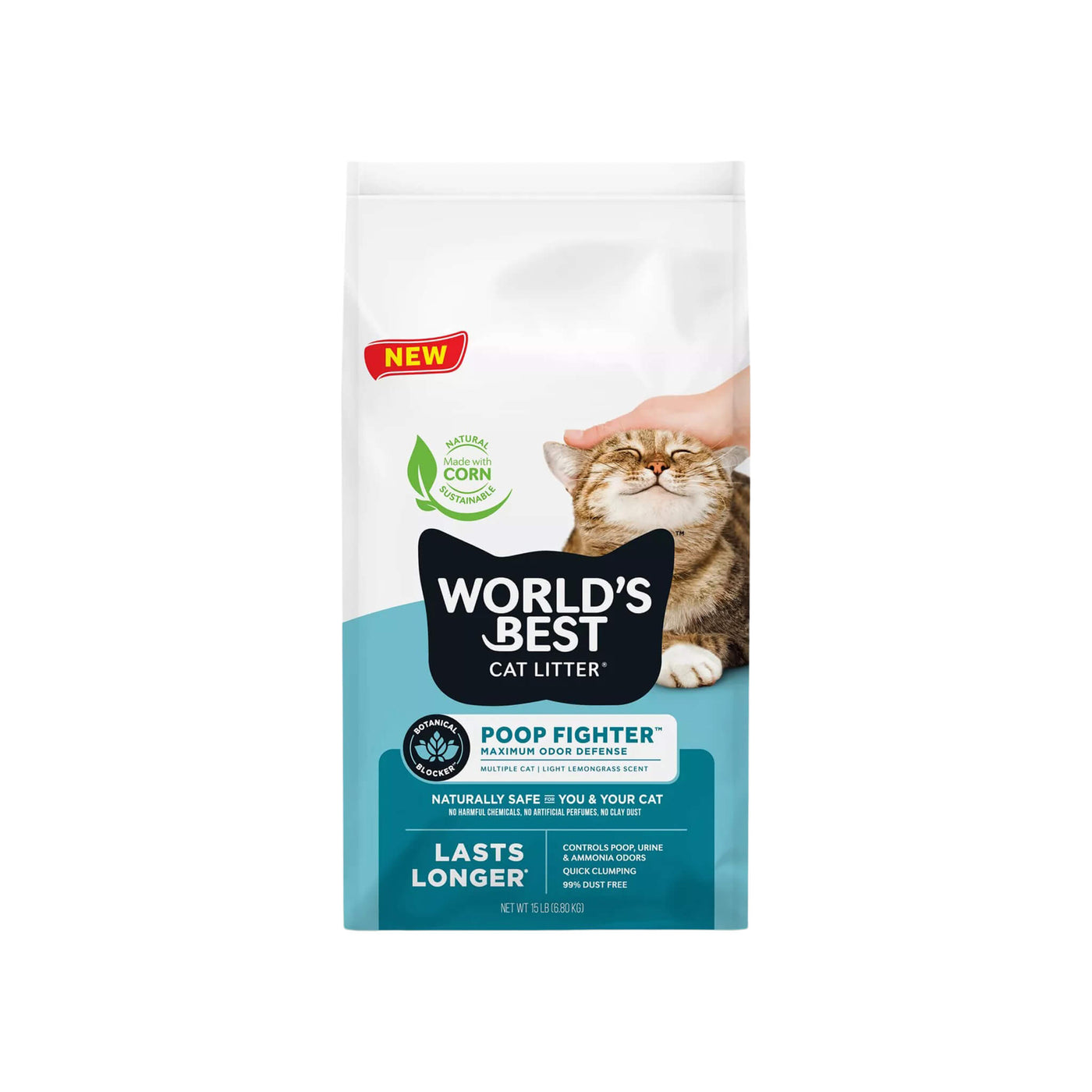
Choose a high-quality litter that traps odors. Clumping litters are often effective. They make it easy to remove waste quickly. Clean the litter box daily to prevent buildup. A clean box reduces smells and keeps your cat happy. Consider using a covered litter box. It can help contain odors better.
Probiotic Supplements
Probiotics can improve your cat’s digestion. They balance the gut bacteria, reducing odors. You can find probiotic supplements in pet stores. Add them to your cat’s diet as directed. They are often tasteless, making them easy to mix with food. Always check with your vet before starting supplements.
Regular Vet Check-ups
Schedule regular vet visits for your cat. A vet can identify underlying health issues. Digestive problems can lead to smelly poop. Early detection can prevent serious health conditions. Discuss your cat’s diet and any concerns you have. A vet’s advice is invaluable in managing your cat’s health.

Credit: www.amazon.com
Frequently Asked Questions
How Can I Make My Cat’s Poop Less Smelly?
Choose high-quality cat food with fewer fillers. Ensure your cat drinks enough water. Regularly clean the litter box. Incorporate probiotics or fiber supplements into their diet. Consult a vet for persistent issues.
Why Does My Cat’s Poop Smell So Rancid?
Cat poop can smell rancid due to diet, digestive issues, or infections. Switch to high-quality food and ensure hydration. Consult a vet if the odor persists or if there are other symptoms. A balanced diet often improves stool smell and overall health.
How To Eliminate Cat Poop Odor Naturally?
Use baking soda to neutralize cat poop odor. Sprinkle it in the litter box. Clean regularly and ensure proper ventilation. Add activated charcoal or essential oils like lavender to further eliminate smells. Maintain a healthy diet for your cat to reduce odor from the source.
What Causes Smelly Cat Poop?
Smelly cat poop is often due to diet, health issues, or poor digestion. Foods high in fillers and artificial ingredients can contribute to odor. Switching to high-quality, natural cat food can help reduce the smell. If the problem persists, consult a vet to rule out any health concerns.
Conclusion
Choosing the right cat food is crucial. It can help reduce smelly poop. Check labels for high-quality ingredients. Avoid artificial additives and fillers. Opt for food with real meat and fiber. These support digestion and overall health. A balanced diet leads to a happier cat.
And less odor in your home. Experiment with different brands. Find what suits your cat best. Consult your vet if needed. They can provide personalized advice. Remember, a healthy diet benefits your furry friend. Keep your cat’s needs in mind.
Your cat deserves the best nutrition.