Should You Brush Cats Teeth: Essential Pet Care Tips
Imagine a world where your cat flashes a charming smile with healthy teeth every time it purrs. You’re probably wondering, “Is brushing my cat’s teeth really necessary?”
Well, you’re not alone. Many cat owners grapple with this question, weighing the importance of oral hygiene against the challenge of getting their feline friend to cooperate. As you delve into this topic, you might discover surprising facts that could change your pet care routine forever.
Your cat’s dental health is crucial, not just for their smile but for their overall well-being. Neglecting their teeth can lead to serious health issues that might affect their quality of life. But here’s the catch: brushing a cat’s teeth isn’t as straightforward as brushing your own. It requires patience, skill, and a bit of creativity. So, should you brush your cat’s teeth? Is it worth the effort? Stick around as we explore the benefits, challenges, and techniques that could make this task easier and more rewarding for both you and your furry companion. You might find that a few minutes a day can make a world of difference in your cat’s health. Let’s dive into the world of feline dental care and discover what you can do to ensure your pet’s smile stays bright and healthy.
Importance Of Dental Care For Cats
Dental care for cats is often overlooked. Yet, it’s crucial for their health. Cats, like humans, can suffer from dental issues. Ignoring these problems can lead to serious health risks. Regular dental care ensures a longer, healthier life for your feline friend.
Why Dental Health Matters For Cats
Cats use their teeth for eating and grooming. Healthy teeth mean better nutrition and well-being. Dental issues can cause pain and discomfort. This affects their mood and behavior.
Common Dental Problems In Cats
Cats can develop plaque and tartar buildup. This leads to gum disease and tooth decay. Bad breath is a sign of dental issues. Left untreated, infections can spread to other parts of the body.
Signs Your Cat Needs Dental Attention
Watch for drooling, pawing at the mouth, or difficulty eating. These are signs of dental pain. Regular vet check-ups can catch problems early. Early detection prevents more serious health issues.
How To Maintain Your Cat’s Dental Health
Brush your cat’s teeth regularly. Use cat-friendly toothpaste. Provide dental treats and toys. These help reduce plaque buildup. Regular vet visits are also essential for dental care.
Benefits Of Regular Dental Care
Good dental care improves your cat’s overall health. It reduces the risk of serious infections. Your cat will feel happier and more active. A healthy mouth means a happy cat.
Credit: www.carecredit.com
Signs Of Dental Issues
Many cat owners overlook the importance of their feline’s dental health, often because signs of trouble can be subtle. Knowing what to look for can help you catch issues early and keep your cat happy and healthy. Just like humans, cats can experience discomfort from dental problems, and recognizing these signs can make a significant difference in their quality of life.
Bad Breath
Have you noticed a change in your cat’s breath? While a mild odor is normal, a strong or foul smell can indicate dental disease. This could be a sign of plaque buildup or a more serious gum issue.
Difficulty Eating
Is your cat suddenly picky with food or eating less than usual? Cats with dental pain may drop food, chew on one side, or avoid eating altogether. This can lead to weight loss and nutritional deficiencies.
Swollen Or Bleeding Gums
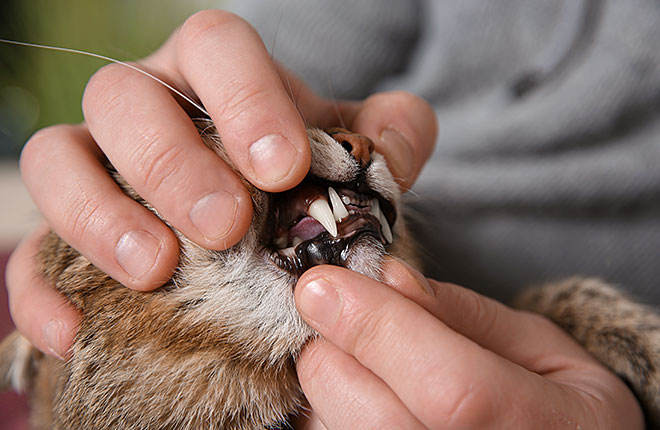
Take a look at your cat’s gums the next time they yawn. Healthy gums should be pink, not red or swollen. Bleeding gums can be a warning sign of gingivitis or periodontal disease.
Excessive Drooling
Does your cat drool more than usual? While some cats drool when purring, excessive drooling can indicate oral pain or infection. You might notice this alongside other signs like pawing at the mouth.
Visible Tartar Buildup
Look closely at your cat’s teeth. Is there a yellow or brown coating? Tartar buildup can lead to gum disease and tooth decay, making regular dental checks crucial.
What do you do if you spot any of these signs? Schedule a visit to the vet. Early intervention can prevent more serious problems down the road.
Have you ever noticed these signs in your cat? Sharing your experiences can help other cat owners recognize and address dental issues promptly.
Benefits Of Brushing Cat’s Teeth
Brushing your cat’s teeth can prevent dental diseases and reduce bad breath. It helps maintain healthy gums and teeth, avoiding costly vet visits. Regular dental care can improve your cat’s overall health and well-being.
Brushing your cat’s teeth may not be the first thing you think of when it comes to pet care, but it holds significant benefits for your feline friend. Healthy teeth are a crucial part of your cat’s overall well-being. Ignoring dental care can lead to various health issues that are easily preventable.Prevention Of Dental Diseases
Brushing your cat’s teeth regularly can help prevent common dental diseases. Cats, like humans, can suffer from gum disease and tooth decay. Regular brushing reduces plaque buildup, which is a primary cause of these issues.Improved Overall Health
Did you know that oral health is closely linked to overall health? By brushing your cat’s teeth, you’re not just protecting their mouth. You are also helping to prevent serious conditions such as heart and kidney disease, which can be linked to poor dental hygiene.Better Breath
No one enjoys the smell of bad breath, especially from a cuddly cat. Regular brushing can lead to fresher breath, making those close cuddles more pleasant for both you and your cat. You might find yourself more willing to share cozy moments with your pet.Enhanced Quality Of Life
Think about how much more comfortable your cat will feel with a healthy mouth. Cats with dental issues often experience pain that can affect their eating and playing habits. By maintaining good oral hygiene, you enhance their quality of life, ensuring they remain active and happy.Cost-effective Care
Preventive care is always more cost-effective than treating problems after they arise. Regular brushing can save you from expensive vet bills in the future. Investing a few minutes a week in brushing can lead to significant savings and a healthier cat.Stronger Bond With Your Cat
Brushing your cat’s teeth can also strengthen the bond between you and your pet. Initially, your cat may resist, but with patience, it can become a bonding ritual. This routine care shows your cat that you prioritize their health and well-being. Are you ready to start a brushing routine for your cat? Consider the benefits and think about how it could positively impact your pet’s life. Taking this small step can lead to big rewards for both you and your feline friend.Choosing The Right Toothbrush And Toothpaste
Brushing your cat’s teeth helps prevent dental problems. A soft-bristled toothbrush and cat-safe toothpaste are essential. Regular dental care keeps your cat healthy and comfortable.
Choosing the right toothbrush and toothpaste for your cat is crucial to ensure effective dental care. Just like humans, cats need regular brushing to prevent oral health issues. But with so many products available, how do you choose the best ones for your feline friend?Understanding Cat Toothbrushes
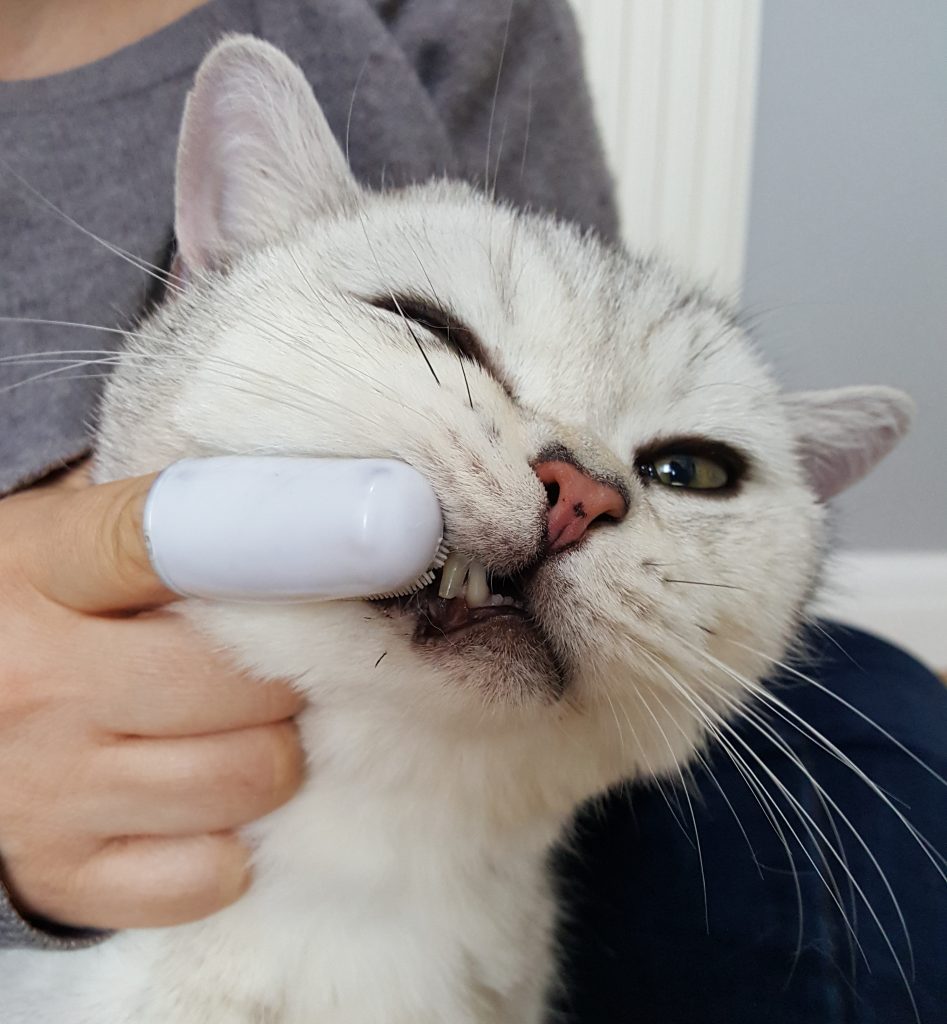
When selecting a toothbrush for your cat, consider their size and temperament. Smaller brushes with soft bristles are ideal for cats, as they are gentle on delicate gums. A finger brush can be a great option if your cat is skittish, allowing for better control and less intimidation. Think about how your cat reacts to new experiences. If they are more relaxed, a standard cat toothbrush might work well. If they are more anxious, a finger brush might be your best bet.Picking The Right Toothpaste
Choosing the right toothpaste is equally important. Human toothpaste is a no-go for cats. It contains fluoride and other ingredients that can be harmful to them. Opt for toothpastes specially formulated for cats, often available in flavors like chicken or fish that can make brushing more palatable for your pet. Look for options labeled as enzymatic, which help break down plaque and tartar more effectively. This can make a huge difference in maintaining your cat’s dental health.Trying Different Products
Experimenting with different toothbrushes and toothpastes might seem tedious, but it’s crucial to find what works best for your cat. You might discover that your cat has a preference for certain flavors or types of brushes. Consider your cat’s unique personality. Are they adventurous or more reserved? This can guide you in choosing products that they’ll tolerate and maybe even enjoy.Establishing A Routine
Once you’ve found the right tools, establishing a routine is essential. Regular brushing can prevent costly vet visits in the future. Aim to brush your cat’s teeth at least a few times a week, if not daily. Think about your daily schedule and find a time that works for both you and your cat. Consistency is key to ensuring they get used to the routine.Observing Results
Pay attention to changes in your cat’s dental health. Are their gums looking healthier? Is their breath fresher? These are signs that your choice of toothbrush and toothpaste is working. Reflect on how you can improve the brushing experience. Is there anything that could make your cat more comfortable during the process? Your observations can guide you to make tweaks in your approach. Choosing the right toothbrush and toothpaste for your cat is a journey. By considering their preferences and establishing a routine, you can ensure their dental health is well taken care of. So, what will you choose for your feline friend today?Steps To Brush Your Cat’s Teeth
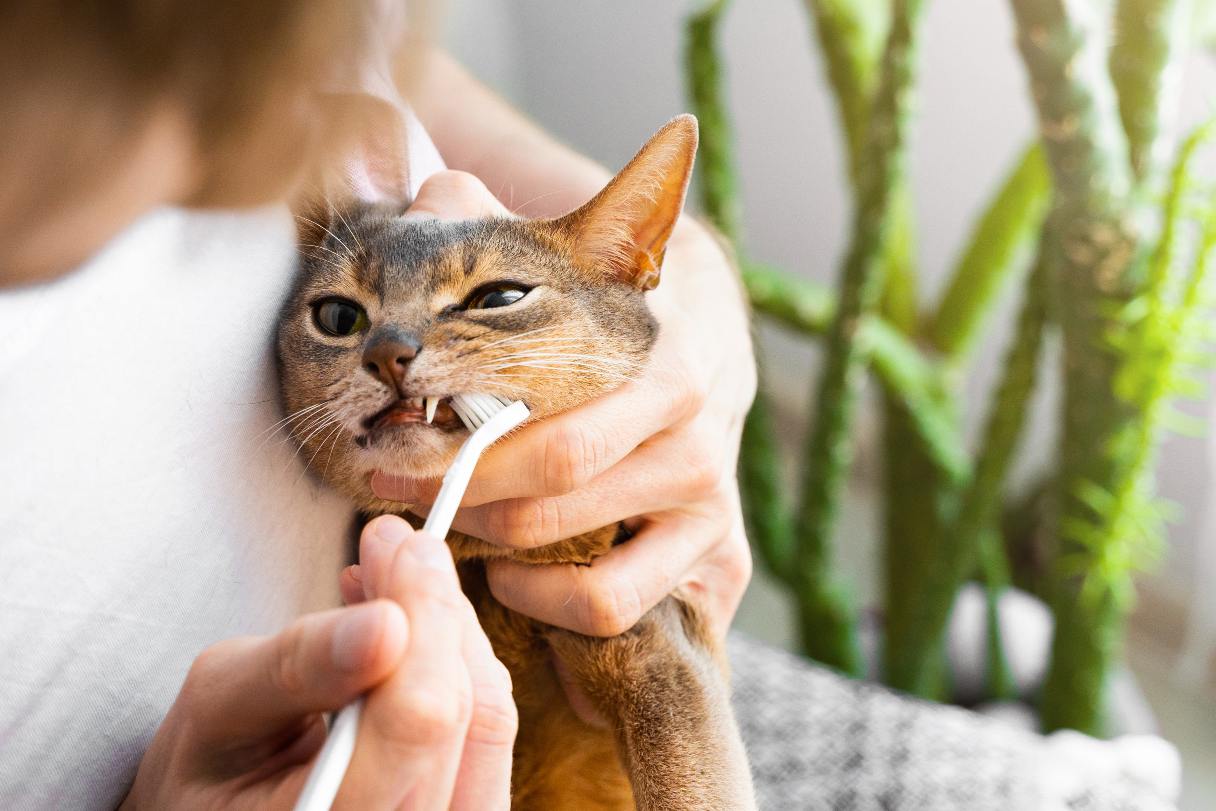
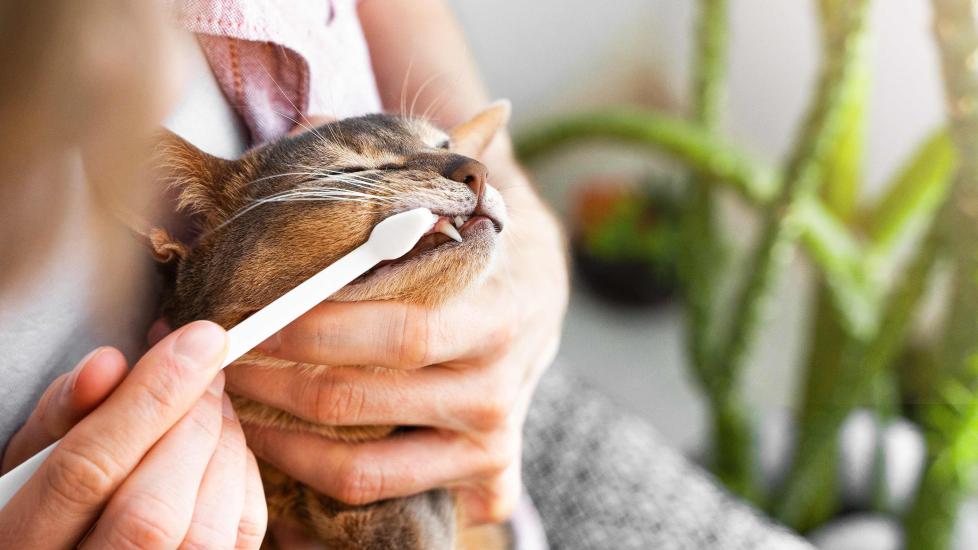
Brushing your cat’s teeth helps prevent dental problems. Start by using a cat-friendly toothbrush and toothpaste. Gently lift your cat’s lips and brush in small circles. Gradually increase brushing time as your cat gets comfortable. Consistent dental care keeps your pet healthy.
Brushing your cat’s teeth might seem daunting, but it’s a crucial step for their health. Just like humans, cats can suffer from dental issues if their teeth are neglected. You might wonder how to manage this task without turning it into a wrestling match. With the right approach, you can make it a smooth routine that both you and your feline friend can look forward to. Let’s dive into how you can effectively brush your cat’s teeth, ensuring their dental hygiene is top-notch.Preparing Your Cat
Preparation is key to a successful tooth-brushing session. Start by selecting a quiet, comfortable spot. Your cat should feel safe, not cornered. Introduce them to the toothbrush and toothpaste gradually. You might want to let them sniff and explore these items. This can build familiarity and reduce anxiety. If your cat is particularly skittish, try gently massaging their gums with your finger first. This can help them get used to the sensation.Brushing Techniques
Once your cat is accustomed to the idea, begin with short sessions. Aim for a few seconds at first, gradually increasing as they become more comfortable. Use a cat-specific toothbrush and toothpaste. Human toothpaste can be harmful to cats, so be sure to avoid it. Brush in gentle circular motions, focusing on the gum line. This helps remove plaque effectively. Remember to speak softly and reassure your cat throughout the process.Rewarding Your Cat
It’s important to make this experience positive for your cat. Offer them a treat or some extra petting afterwards. Rewards can reinforce good behavior and make your cat more cooperative in future sessions. Consider using their favorite snack to make it special. How do you know your efforts are paying off? Notice if your cat eagerly approaches when it’s time for dental care. This shows they’re associating it with positive outcomes, making your job easier. By following these steps, you can maintain your cat’s dental health with minimal fuss. Are you ready to transform tooth-brushing into a bonding experience?Alternatives To Brushing
Brushing a cat’s teeth can be challenging. Dental wipes and gels offer an easier way to maintain oral health. Regular vet check-ups help prevent dental issues.
Brushing your cat’s teeth might sound like an impossible task. Thankfully, there are alternatives that can help maintain your feline friend’s dental health without the struggle. Let’s explore some effective methods that could work for you and your furry companion.Dental Treats
Dental treats are a popular choice among cat owners. They are specifically designed to reduce plaque and tartar buildup. These treats often have a unique texture that helps clean your cat’s teeth as they chew. Have you ever noticed how your cat loves crunchy snacks? That crunchiness not only satisfies their taste buds but also contributes to their dental hygiene. It’s a win-win! When choosing dental treats, check for those approved by veterinarians. They are usually labeled with a seal of approval, making it easier for you to trust their effectiveness.Professional Cleanings
Scheduling professional cleanings is another alternative. Veterinary professionals have the tools and expertise to clean your cat’s teeth thoroughly. This option ensures a deep clean that you might not achieve at home. You might wonder, “Is this necessary for my cat?” If you notice persistent bad breath or discolored teeth, it’s time to consider it. A professional cleaning can prevent serious dental issues down the road. Think of it like your own dental visits. Regular check-ups and cleanings keep your teeth healthy, and the same applies to your cat. Incorporating these alternatives can make a significant difference in your cat’s dental health. You don’t have to tackle the daunting task of brushing, yet you can still provide the care they deserve. What steps will you take to ensure your cat’s teeth stay healthy?Common Challenges And Solutions
Brushing your cat’s teeth might seem daunting. Many pet owners face common challenges. These challenges can hinder maintaining good dental hygiene for cats. Understanding these obstacles and finding solutions can make the process smoother.
Handling Resistance
Cats often resist tooth brushing. The foreign sensation in their mouths makes them uncomfortable. Start slowly. Use a small toothbrush and flavored toothpaste. Let your cat sniff and lick the toothbrush first. This builds familiarity.
Be patient. Gradually introduce brushing by gently lifting their lip. Brushing should be brief initially. Praise them for calm behavior. Reward with treats or affection to create a positive association.
Maintaining A Routine
Consistency is key. Establish a regular brushing schedule. Pick a time when your cat is relaxed. Brushing at the same time daily helps. This routine becomes a part of their day.
Stay consistent even if your cat resists. Regularity helps them adjust. Over time, they will accept the routine. Make it a bonding experience. Your cat will appreciate your care and attention.
Credit: www.petmd.com
Monitoring Dental Health
Monitoring dental health in cats is crucial for their overall wellbeing. Dental issues can lead to pain and affect eating habits. Regular checks can help catch problems early. This ensures your cat stays healthy and happy.
Regular Check-ups
Visiting the vet for dental check-ups is essential. During these visits, the vet examines the teeth and gums. They look for signs of decay or disease. Regular check-ups help keep your cat’s mouth healthy. They also allow vets to clean teeth professionally.
Signs Of Improvement
After starting dental care, watch for signs of improvement. Your cat might eat better or seem more comfortable. Look for less plaque buildup. Notice fresher breath. These signs mean dental health is improving. It’s a positive step towards a happier pet.
Credit: www.zoetispetcare.com
Frequently Asked Questions
What Can I Do Instead Of Brushing My Cat’s Teeth?
Use dental treats, toys, or water additives to promote oral health. Regular vet check-ups ensure proper dental care.
How Often Must I Brush My Cat’s Teeth?
Brush your cat’s teeth daily to maintain optimal dental health. Use a cat-specific toothbrush and toothpaste. Regular brushing helps prevent plaque buildup, gum disease, and bad breath. Start slowly to get your cat accustomed to the routine. Consistency is key for effective dental care.
How Are You Supposed To Brush Your Cat’s Teeth?
Use a cat-specific toothbrush and toothpaste. Gently lift the cat’s lip and brush in circular motions. Start slowly and reward your cat with treats. Gradually increase brushing time as your cat becomes more comfortable. Aim to brush your cat’s teeth at least a few times a week.
Why Should You Brush A Cat’s Teeth?
Brushing a cat’s teeth helps prevent dental disease. It reduces plaque and tartar buildup, promoting better oral health. Regular brushing can prevent bad breath and painful infections. It’s essential for a cat’s overall well-being and longevity.
Conclusion
Brushing your cat’s teeth can boost their overall health. Regular dental care prevents plaque buildup and bad breath. Cats with clean teeth are less likely to suffer gum disease. Start slow and be patient. Use a cat-friendly toothbrush and toothpaste.
Your feline friend might resist at first, but persistence is key. Consult your vet for guidance if needed. They can offer tips tailored to your cat’s needs. Remember, a small effort now means a healthier, happier cat. Keep their teeth clean, and enjoy more purrs and cuddles!

Similar Posts