How Can You Tell If a Cat is Stressed: Key Signs
Have you ever wondered if your cat is stressed? Cats are masters at hiding their feelings, and it’s easy to miss the subtle signs they give us.
Stress in cats can lead to both behavioral and health issues, impacting their overall well-being. If you’ve noticed something seems off with your furry friend, you’re not alone. Understanding how to identify stress in your cat is crucial for their happiness and health.
You’ll discover the telltale signs of feline stress and learn simple steps to help your cat feel more at ease. Keep reading to ensure your beloved pet lives a calm and stress-free life.

Credit: www.banfield.com
Physical Signs
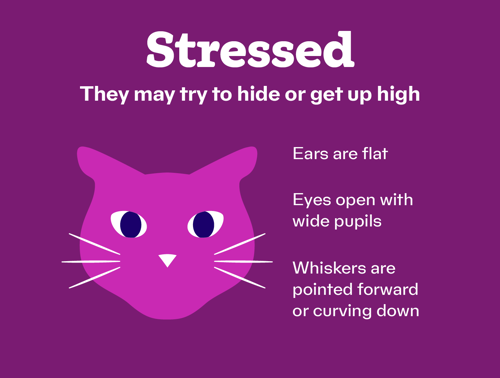
Cats show stress through physical signs like hiding, excessive grooming, or sudden aggression. Changes in appetite or litter box habits also indicate anxiety. A stressed cat may become more vocal or have dilated pupils.
Cats are sensitive creatures. Stress can affect their behavior and health. Identifying physical signs of stress in cats is crucial. These signs can range from subtle to noticeable changes. Understanding these can help ensure your cat’s well-being.Changes In Appetite
A stressed cat may eat less or more than usual. Sudden appetite changes might signal stress. Monitor their eating habits. Consistent changes require attention. Loss of appetite can lead to health issues. Overeating might result in weight gain. Both are indicators of stress.Increased Shedding
Cats shed naturally. Stress can increase shedding levels. You may notice more fur around your home. Excessive shedding might point to stress. Check for bald patches or thinning fur. These can be signs of anxiety. Regular grooming helps manage shedding.Excessive Grooming
Cats groom themselves to stay clean. Stress can cause them to groom excessively. It might lead to skin irritation. You may see bald spots or sores. This behavior is a stress indicator. Watch for changes in grooming patterns. These require immediate attention.
Credit: www.richmondvetclinic.ca
Behavioral Changes
Cats are sensitive creatures. Their behavior can reveal stress. Understanding these changes helps address their needs. A stressed cat may show various signs. Noticing these signs is crucial for their well-being. Let’s explore some common behavioral changes.
Aggression Or Withdrawal
A cat under stress might become aggressive. Biting or scratching can increase. This behavior is a cry for help. Conversely, some cats withdraw. They hide away from people. They avoid interaction. Both aggression and withdrawal signal distress.
Increased Vocalization
Stressed cats often vocalize more. They meow loudly or frequently. This behavior is unusual for them. It’s their way of communicating discomfort. Pay attention to these sounds. They might indicate a problem needing attention.
Changes In Litter Box Habits
Litter box habits can change with stress. A cat might stop using the box. This could mean stress or illness. Monitor any changes closely. It’s important to address these shifts. They might point to underlying issues.
Environmental Triggers
Cats, like humans, can feel stress due to their environment. Understanding these triggers helps in creating a calming space for your feline friend. Their surroundings play a crucial role in their emotional well-being.
New Pets Or People
Introducing new pets can unsettle your cat. A newcomer might invade their space. The cat may feel threatened or anxious. Even new people can cause stress. Visitors or a new family member might disrupt their peace. Notice changes in behavior. Your cat might hide or act aggressively.
Changes In Routine
Cats thrive on routine. Any changes can cause them distress. A shift in feeding times might upset them. Moving furniture or changing their sleeping spot can also unsettle them. Even small changes matter. Be observant. A stressed cat might over-groom or stop using the litter box.
Lack Of Stimulation
Indoor cats need mental stimulation. A monotonous environment can stress them. Lack of toys or playtime leads to boredom. Boredom can manifest as stress. Provide engaging toys and activities. A window perch for bird watching helps. Keep their environment lively and stimulating.
Health Concerns
Understanding the health concerns associated with a stressed cat can be crucial for their well-being. Cats, much like humans, exhibit physical symptoms when they’re stressed. These symptoms can lead to frequent illness and digestive issues. Recognizing these signs early can help you take steps to relieve their stress and improve their health. Let’s dive into how stress affects a cat’s health and what you can do about it.
Frequent Illness
Stress can weaken your cat’s immune system, making them more prone to frequent illnesses. You might notice your feline friend catching colds often or suffering from respiratory infections. When my cat Bella was stressed due to a change in our home environment, she began sneezing and had watery eyes. It was a wake-up call that something was wrong.
To combat this, ensure your cat has a quiet, safe space to retreat to. Regular vet check-ups can also help catch any health issues early. Remember, a healthy cat is a happy cat.
Digestive Issues
Stress can wreak havoc on your cat’s digestive system. Symptoms like vomiting, diarrhea, or constipation may appear. My neighbor’s cat, Max, experienced frequent vomiting after they moved houses. This was clearly stress-induced, as it subsided once he settled in.
You can help your cat by providing a consistent routine and a balanced diet. Consider adding some calming supplements to their meals, but always consult your vet first. Have you noticed any changes in your cat’s eating habits during stressful times?
By paying attention to these health concerns, you can take actionable steps to support your cat. Keeping a close watch on their health can make a significant difference in their overall happiness.
Monitoring Stress Levels
Cats often show stress by hiding or avoiding interaction. Changes in eating habits or excessive grooming can indicate discomfort. Watch for unusual behavior to spot stress signs in your feline friend.
Monitoring stress levels in cats is crucial for their well-being. Cats can’t verbally express their discomfort, but their behavior speaks volumes. Recognizing stress signs early can prevent health issues and improve your cat’s quality of life. So, how can you ensure your furry friend is happy and relaxed? Let’s dive into some techniques and tools that can help you monitor and manage their stress effectively.Observation Techniques
Observe your cat’s daily routine. Changes in eating habits, grooming, or litter box use can indicate stress. Is your cat hiding more than usual? Cats often retreat when anxious. Pay attention to vocalizations. Excessive meowing might be a cry for help. Do they seem more aggressive or withdrawn? Monitor body language. Tail flicking, flattened ears, or dilated pupils are signs of distress. Watching these subtle cues can provide insights into their emotional state.Use Of Stress-relief Tools
Consider using stress-relief tools designed for cats. Have you tried pheromone diffusers? These can create a calming environment. Interactive toys can help distract and engage your cat. Do they prefer puzzle feeders or laser pointers? Create a safe space. A quiet corner with soft bedding can be a sanctuary. Does your cat have a favorite hideaway? Regular playtime can significantly reduce stress. How often do you engage your cat in activities that stimulate them both physically and mentally? Understanding your cat’s stress levels requires patience and attention. What changes can you make today to ensure a happier, healthier cat? Remember, a relaxed cat equals a happier home.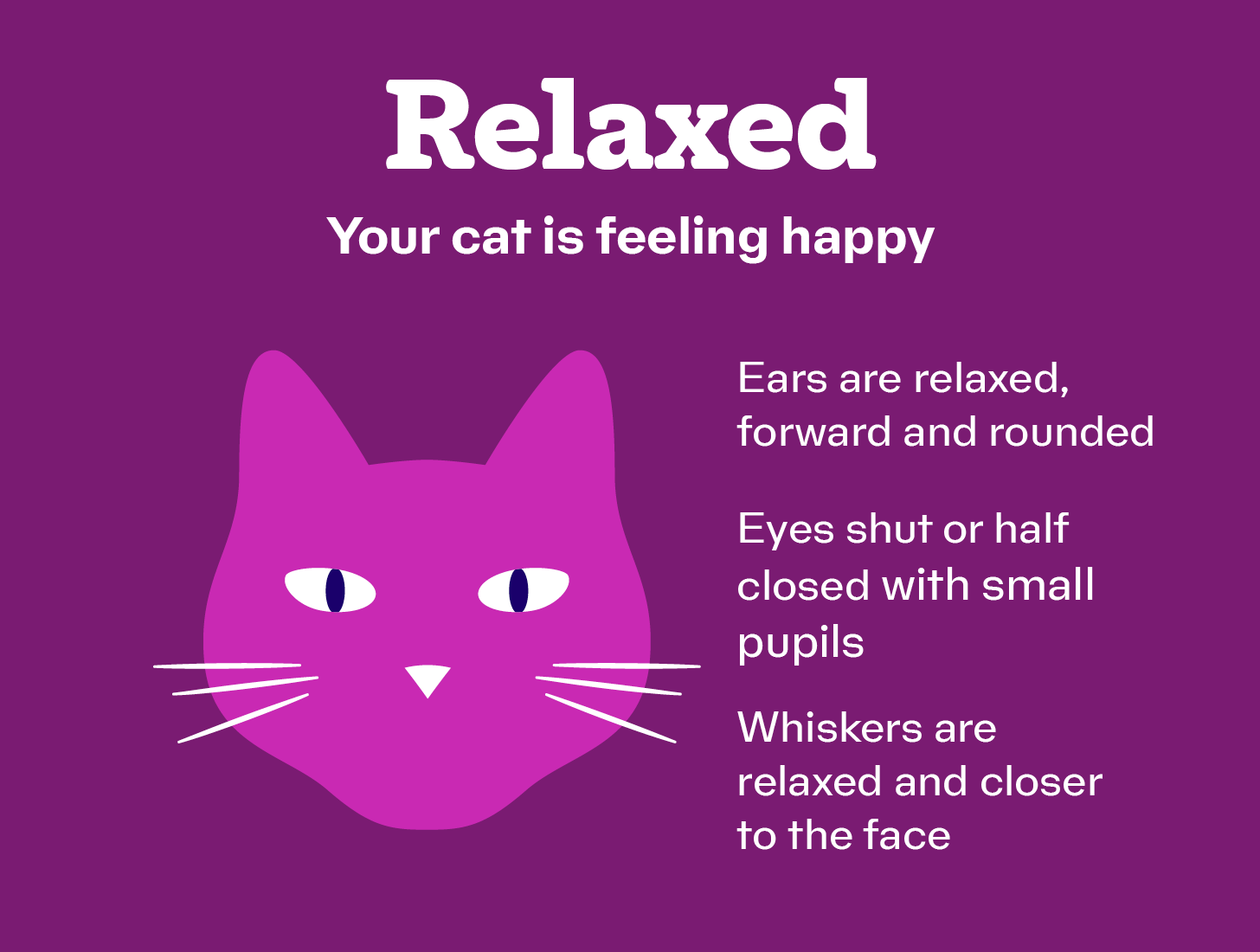
Credit: www.cats.org.uk
When To Consult A Vet
Cats might show stress by hiding or grooming too much. Changes in eating or litter habits could also indicate stress. Consult a vet if these signs persist or worsen.
When to Consult a VetIdentifying stress in your cat is crucial, but knowing when it’s time to consult a vet is even more important. Cats, being the mysterious creatures they are, often hide their discomfort. But there are signs you can’t ignore. Have you noticed your cat acting differently for a prolonged period? Are you unsure if it’s just a phase or something more serious? Let’s dive into when it’s necessary to seek professional help.Persistent Symptoms
If your cat is consistently showing signs of stress, such as excessive grooming, hiding, or changes in appetite, it’s time to take action. A change in litter box habits can also be a red flag. Don’t wait for these symptoms to resolve on their own. The longer these symptoms persist, the more distress they can cause your pet. A vet visit can help determine if there’s an underlying medical condition. They can run tests to rule out any health issues. Sometimes, stress manifests in physical ailments like vomiting or diarrhea. These can be signs that your cat’s body is reacting to stress. It’s essential to address these symptoms promptly.Behavioral Consultation
Have you ever thought about getting a behavioral consultation for your cat? Vets can offer advice or refer you to a specialist. This can be particularly useful if your cat’s stress is linked to environmental changes. Has there been a recent move or addition to your family? These can be significant stressors for your pet. A behavioral consultant can provide strategies to help your cat adjust. Behavioral consultations can offer insights you might not consider. They can also equip you with tools to create a more harmonious environment for your cat. Remember, a stressed cat can impact your home’s overall happiness. Engaging with your cat and paying attention to their needs can make a world of difference. Your vigilance and care are essential in maintaining their well-being. So, are you ready to take the next step for your furry friend?Frequently Asked Questions
How To Relieve A Cat’s Stress?
Provide a quiet, safe space for your cat to relax. Use calming pheromones or diffusers. Engage in gentle play and regular routines. Offer interactive toys and scratching posts. Ensure a balanced diet and fresh water.
How Long Does It Take A Cat To Get Over Stress?
Cats typically recover from stress within a few days to a week. It depends on the stressor and individual cat. Providing a calm environment and consistent routine can help speed up their recovery. If stress persists, consult a veterinarian for further advice.
What Happens If A Cat Is Stressed?
Stressed cats may exhibit excessive grooming, aggression, or hiding. Appetite changes and litter box issues are common. Watch for increased vocalization, or destructive behavior. Consult a vet if stress persists.
What Is The Best Anxiety Relief For Cats?
Provide a calming environment with soothing music and pheromone diffusers. Try natural supplements like CBD oil or catnip. Consult your veterinarian for anxiety medication if needed. Regular playtime and a consistent routine can also help reduce anxiety in cats.
Conclusion
Recognizing stress in cats can improve their well-being. Pay attention to changes in behavior or routine. Subtle signs matter. Look for altered eating or grooming habits. Increased hiding or aggression can indicate stress. Create a calm environment. Offer safe spaces and regular playtime.
Consult a vet if stress persists. Early detection helps maintain your cat’s health. A happy cat equals a happy home. Stay observant. Make adjustments as needed. Your feline friend will thank you. Remember, understanding is key. Your cat’s happiness depends on it.
Keep your furry companion stress-free. Always prioritize their comfort and peace.