Ragamuffin vs Ragamese: Key Differences Explained

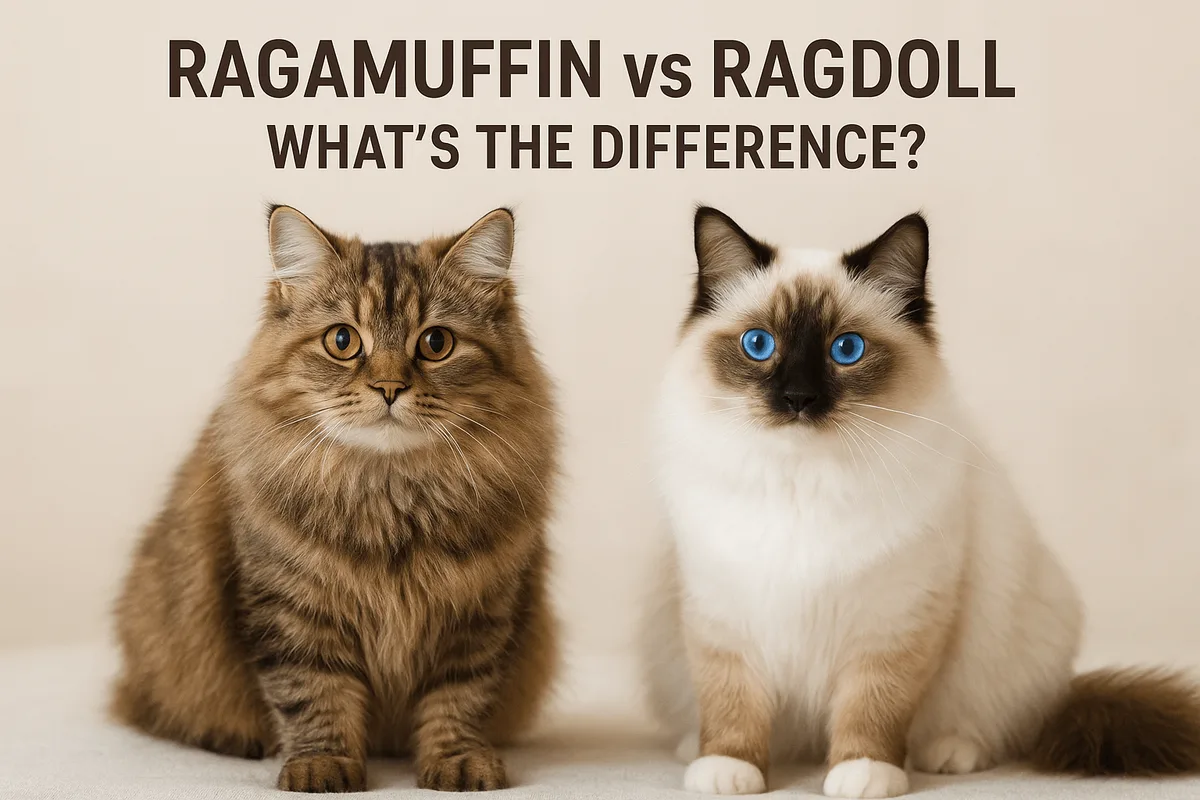
If you've been searching for "ragamese cats," you've probably seen a mix of gorgeous photos and a whole lot of confusion. Let's clear that up right now: "Ragamese" isn't a recognized breed. It's a charming nickname that people use for a cross between a Ragdoll and a Siamese, or sometimes for a Siamese with fluffy, pointed fur.
People fall in love with the photos, but they often have zero clue what they're actually getting into.
That's the real problem here. You’re trying to figure out what this cat actually is, what it's like to live with, and whether it's the right fit for your home. Aggregate reviews and owner forums indicate that while these cats are stunning, they come with a very specific set of personality traits and care needs.
This guide breaks down everything you need to know about the Ragdoll vs Siamese mix, so you can decide if this specific "designer mix" fits your lifestyle in 2026.
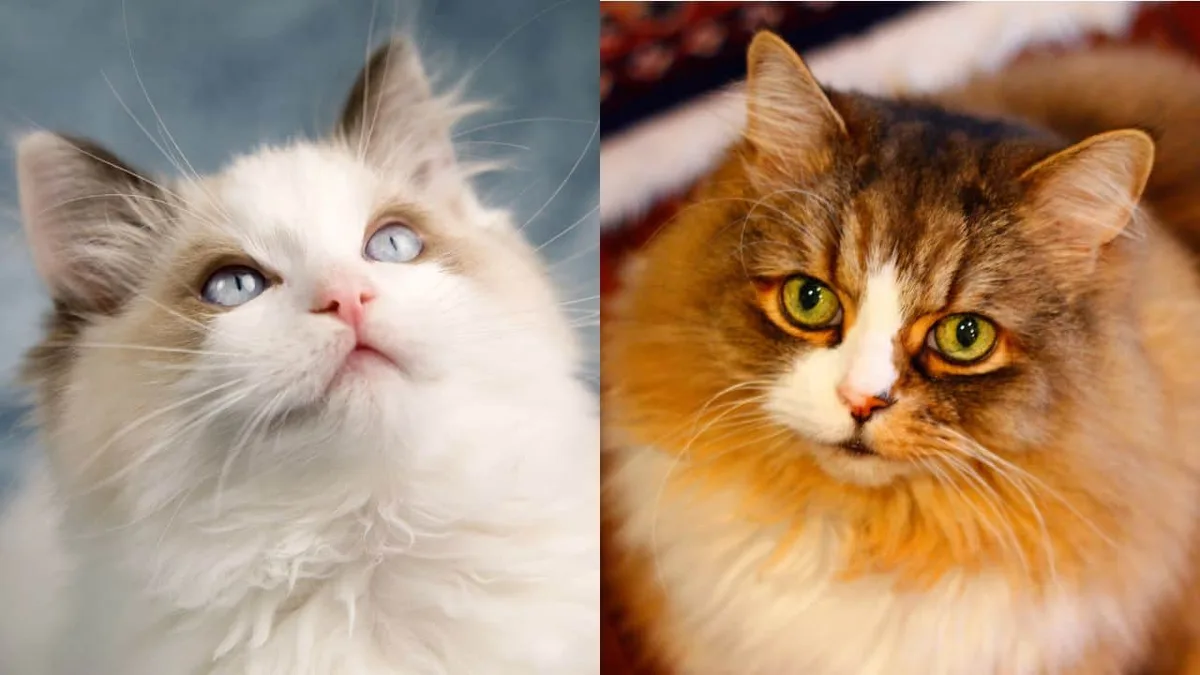
Image source: Bing (Web (fair-use with source credit))
What Exactly Is a Ragamese Cat?
The term "ragamese" is a portmanteau, a fancy way of saying a blended word. It mashes together "Ragdoll" and "Siamese." In the real world, it refers to one of two things: a first-generation crossbreed (a Ragdoll parent and a Siamese parent) or, more commonly, a backcross (a mixed cat bred back to one of the pure breeds).
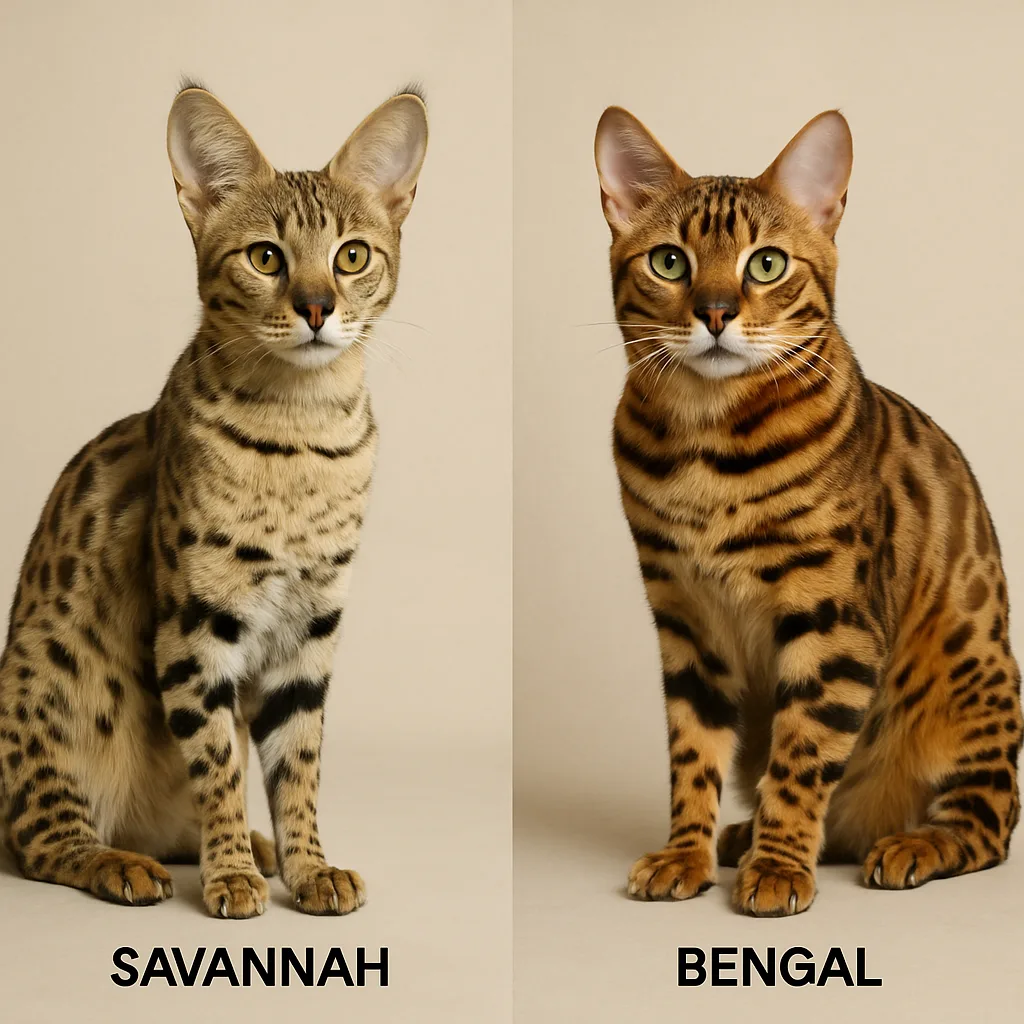
This isn't a hybrid like a Bengal or a Savannah. Those are wild cat crosses. This is simply a domestic mixed-breed cat that just happens to have two very specific, very popular breeds in its family tree.
The mix is so common that some shelters even use "ragamese" as a descriptive term, even if the cat isn't a perfect 50/50 split of the two breeds.
The catch? There's no breed standard here. Unlike a purebred Ragdoll that has a strict color and temperament standard per the Cat Fanciers' Association, the Ragamese has zero standardization.
So, if you buy one from a breeder advertising "rare ragamese kittens," you're likely overpaying for a domestic shorthair or longhair with a fancy label. Most reputable cat rescues will tell you that mutts are healthier, and this mix is no exception, but you still need to know the genetic traits you're buying into.
Temperament: Ragdoll vs Siamese
This is where the rubber meets the road. The RCM is a fascinating study in contradictions because Ragdolls and Siamese are almost polar opposites in personality. Understanding which parent dominates is the key to knowing if this cat is for you.
The Ragdoll Side (The Laid-Back Angel):
Ragdolls got their name because they literally go limp when you pick them up, like a ragdoll. They are famously docile, affectionate, and incredibly relaxed. If you want a cat that follows you from room to room, flops onto your lap, and tolerates being carried around like a baby, you want the Ragdoll's influence.
They are generally quiet, with a soft, chirpy meow. They rarely hiss and are notoriously social with other cats and dogs.
The Siamese Side (The Vocal Genius):
The Siamese is the polar opposite. This is the most social and vocal breed on the planet. They demand attention and they aren't shy about telling you about it.
If a Ragamese inherits the Siamese voice, you're going to have a long, loud, opinionated conversation every single day. They are also more energetic and curious. A Siamese needs interactive play, puzzle feeders, and high places to climb.
If they get bored, they will get into your kitchen cabinets. Our research shows that most behavioral complaints from owners of this mix stem from the Siamese side being under-stimulated.
The Reality of the Mix:
In our research, aggregate owner reviews indicate that the result is a cat that is glued to your side, desperate for affection, but with a spark of high-energy mischief. You won't get a couch potato, and you won't get an independent cat. You get a "Velcro cat" with an amazing off-switch.
They often bond to one primary human but remain friendly to everyone.
Grooming and Coat Care

Image source: Bing (Web (fair-use with source credit))
This is the section that confuses everyone. "Do I brush it or not?" Well, it depends entirely on the coat length.
- The Ragdoll Parent: The Ragdoll has a "semi-longhair" coat. It’s surprisingly easy to care for, as the fur is silky and doesn't mat super easily. Think of it as a rabbit’s coat trapped on a cat. You need to brush it a few times a week to keep out loose hair and prevent hairballs.
- The Siamese Parent: The Siamese has a very short, fine "pointed" coat. It's like velvet and sheds lightly. For this, a weekly once-over with a cat brush is usually fine.
What to Expect from the Mix:
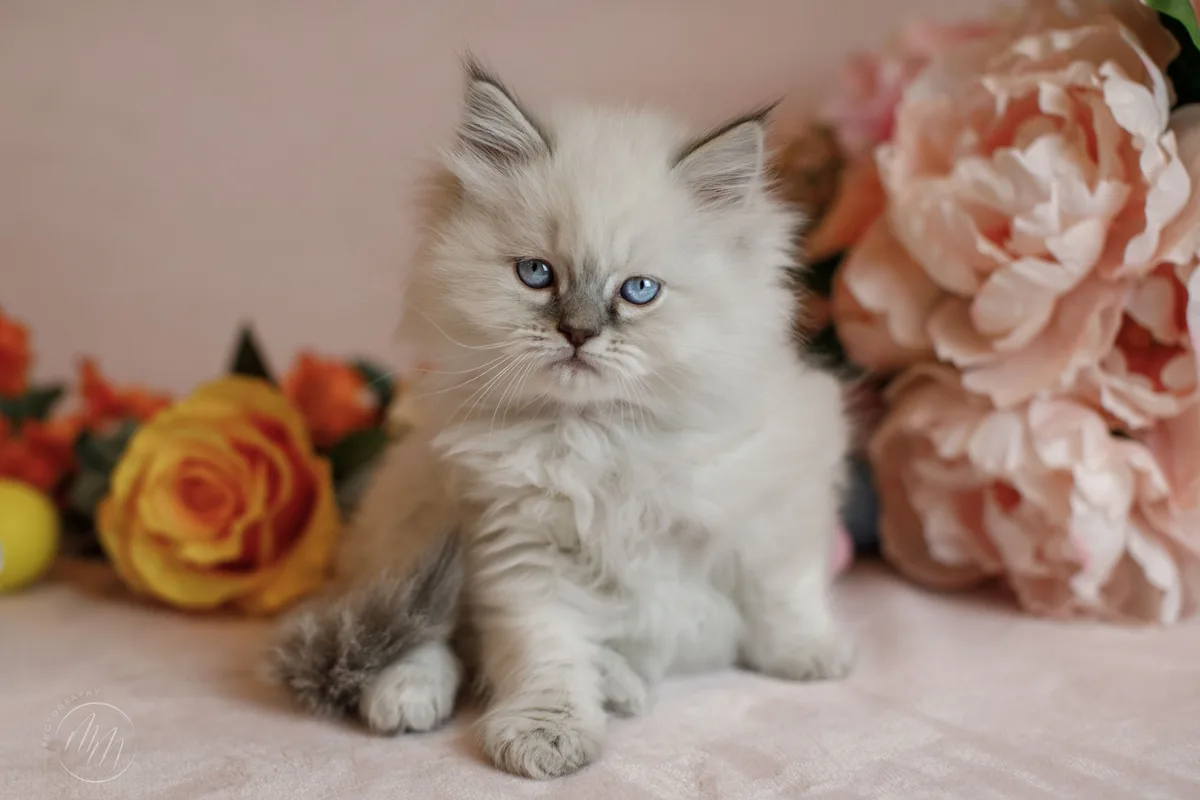
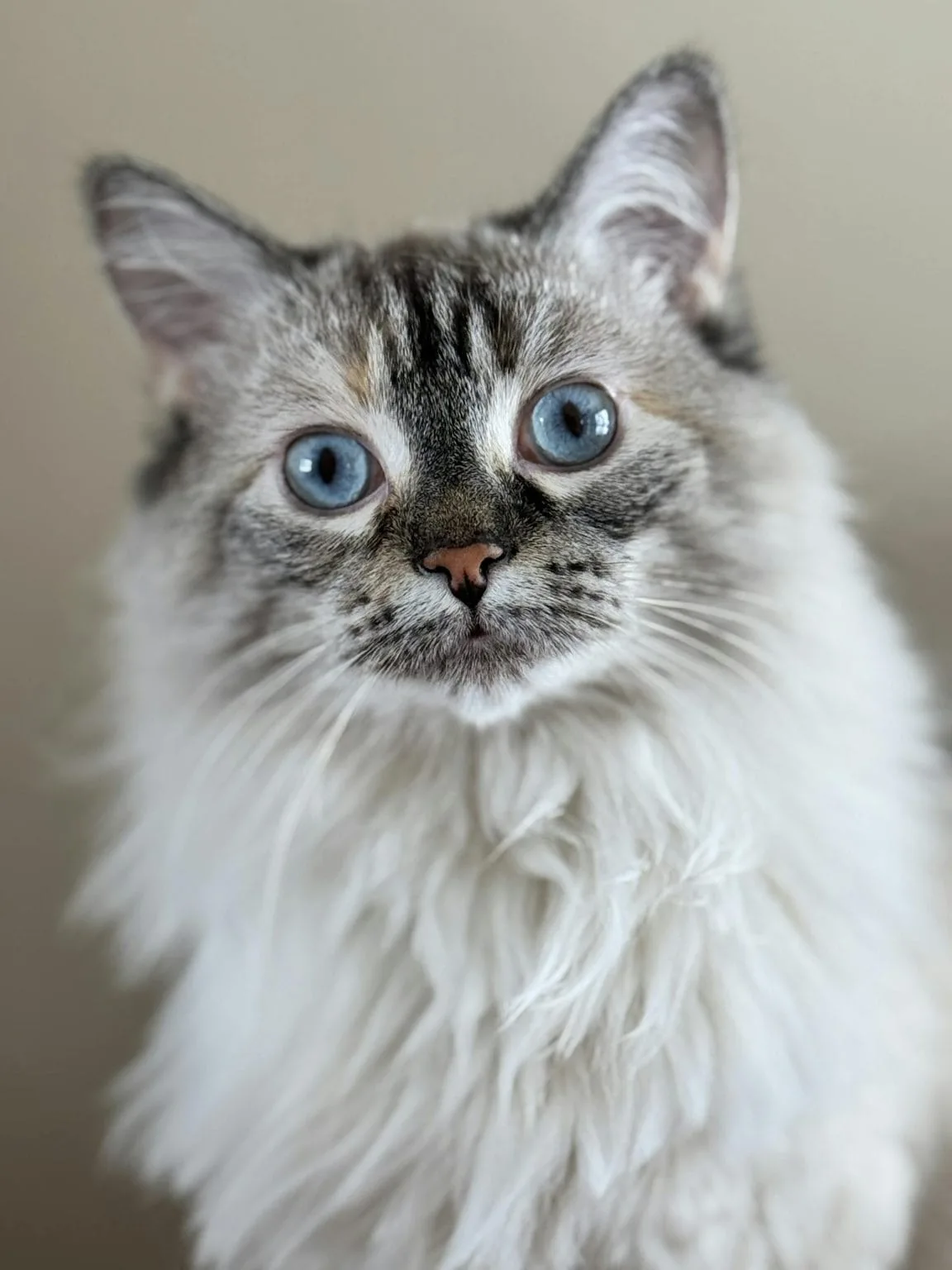
A Ragamese combines "pointed" coloring with that fluffy body. You'll most likely get a medium-length coat with the Siamese's pale body and dark ears, face, paws, and tail.
- Shedding: Universal cat parent advice: buy a lint roller. You'll be using it.
- Brushing: If your cat has a longer coat, a weekly brush session is non-negotiable. If it's short, a quick daily petting with the brush keeps the dander down.
- Bathing: Avoid it unless absolutely necessary. Cats with this genetic blend tend to have sensitive skin. Over-bathing strips natural oils and dries out their skin, which actually makes them shed more. A bath is only needed if they get into a real mess, like grease or paint.
Health and Lifespan of the Mix
Here's the golden rule about mixed-breed cats: they often benefit from something called "hybrid vigor," meaning they inherit fewer genetic diseases than their purebred parents. However, this doesn't make them immune to the big, scary ones. We can't dodge the health risks that come from these two specific lines.
The Siamese Parent's Risks:
The most common concern is Amyloidosis, particularly of the liver. It's a metabolic issue where protein deposits build up in the organ. Symptoms are vague, like weight loss, excessive thirst, and a yellow hue to the gums.
They also suffer from a higher prevalence of certain eye issues like progressive retinal atrophy (PRA) which leads to blindness.
The Ragdoll Parent's Risks:
This breed throws the heaviest hitter on the list: Hypertrophic Cardiomyopathy (HCM) . It's a genetic heart disease where the muscle thickens, making it harder for the heart to pump blood. It’s a ticking time bomb that can cause sudden death or heart failure.
Real Talk on the Mix:
Your mix could test clear, but the risk is still statistically higher than a generic shelter cat. The official sources on this, like the American Veterinary Medical Association research, confirm HCM is a major concern in Ragdolls (and Maine Coons). Because you're mixing them, you might get a cat with HCM.
You might not. But you need to be prepared to test for it.
The Lifespan:
- Siamese: Long-lived. Often 15 to 20 years.
- Ragdoll: 12 to 17 years.
- Ragamese Mix: Generally, you're looking at 12 to 18 years. That's a long commitment. A study of 5,000+ cats found crossbreeds live on average about 1.5 years longer than purebreds, mostly due to higher genetic diversity.
Costs, Adoption, and Finding a Reputable Source
Let's kill the elephant in the room: you shouldn't pay a breeder for a "Ragamese." Real breeders don't produce mixes, because it's not a recognized standard. If you see an ad for "Rare Ragamese Kittens for Sale, $1500," run. That's a scam or a backyard breeder mixing two purebreds to cash in on a trend.
That likely results in health problems.
So, where do you find one?
- Cat Shelters & Local Humane Societies: Go to a no-kill shelter. Tell them you're looking for a cat with Siamese or Ragdoll traits. They often have these mixed breeds surrendered, usually as "Domestic Longhair (Siamese Mix)." Adoption fees are typically $75 to $150, which only covers vaccination, spay/neuter, and a check-up.
- Rescue Groups: Look for specific breed rescues. There are entirely separate Ragdoll rescue groups and Siamese rescue groups. They all run across mixed litters. They charge a similar adoption fee, but they are highly professional about matching cats to homes.
Aggregate Buyer Research:
Reviews indicate that you're looking at $75 to $400 total in the first month. That includes food, litter, a scratching post, toys, and the initial vet visit. There is no "cheap" cat.
The only "free" kitten is the one that costs $500 in emergency vet bills. Don't skimp on the initial vet visit and DNA health test.

Similar Posts