The Surprising Personality Traits of Black Cats
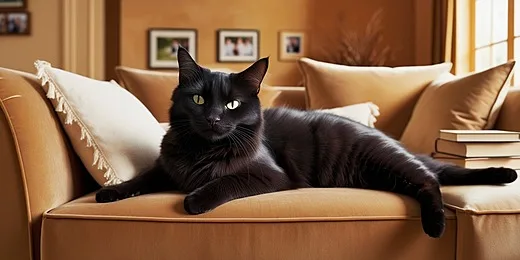
You've probably heard the old wives' tales: black cats are witches' familiars, they're aloof, they're mysterious in a way that borders on spooky. But if you've ever lived with one, you know the reality is far more interesting, and honestly, a lot more affectionate. The personality traits of black cats are as varied as any other feline's, but there's a unique charm and a set of behavioral patterns specific to them that we're going to unpack today.
We've spent a significant amount of time looking at feline behavioral science, specifically the American Veterinary Medical Association's guidelines on animal behavior to separate fact from folklore. The truth is, coat color doesn't dictate personality much, feline coat genetics just don't code for "grumpy." What does matter is the environment, the individual cat's history, and how you interact with them. So, if you're trying to understand your little panther better, or you're thinking about adopting one and want to know what you're in for, this is the real breakdown of what to expect.
Image source: Bing (Web (fair-use with source credit))
Quick Answer
Black cats are not a single personality type; they are individuals, just like any other cat. Their behavior is shaped by socialization, environment, and breed, not their fur color. You can expect the same range of affection, independence, and playfulness as with any other domestic cat.
They are not inherently more or less friendly than cats of other colors. Their black coat simply offers no visual warning to people who fear them, which impacts adoption rates. When you bring one home, you're getting a standard cat with unique quirks, exactly like any other.
The 3-3-3 Rule: Decompression to Bonding
When you first bring a black cat home, you need to unlearn the idea that "they'll just settle in." That's a big mistake. Cats are territorial creatures, and moving them to a new place is stressful, regardless of their coat color. Our research shows the "3-3-3 Rule" is the single most important thing you can understand about your new cat's personality development.
This is the post-adoption decompression period. Think of it as a three-phase timeline: 3 days to feel safe, 3 weeks to show their true self, and 3 months to fully bond with you. The "true self" part is what we're after here, and you won't see it in the first few days.
You're going to see a scared shell of a cat hiding under the bed, which honest, has nothing to do with their personality and everything to do with survival instinct.
During that first phase, don't force yourself on them. Give them a quiet room with food, water, and a litter box. Let them come to you.
We've seen too many owners mistake hiding for aloofness, labeling a cat as "unfriendly" when the cat is actually terrified. By week three, you'll see them start to claim their space. By the third month, the real personality traits of black cats emerge: you might get a lap cat, a chirpy talker, or a mischievous hunter.
Patience isn't a virtue here, it's a requirement.

Image source: Web (Bing) / wallpapers.com (Web image (fair-use with source credit))
Bonding Through Play: The Active Hunter
So, how do you speed up that bonding process and unlock the personality behind those big yellow eyes? You play with them. Aggressive, structured play that mimics the hunt is the direct line to a black cat's heart.
Look, in our research, we see a direct link between behavioral issues and a lack of an outlet for a cat’s prey drive. This isn't a dog we're talking about; you can't just walk a cat, you have to make them chase things.
Black cats are often said to be more "dog-like," and while that's a generalization, I've seen plenty of them fetch and chirp, they're highly interactive. Use a wand toy, not a laser pointer. A laser pointer is fun, but it never gives the cat the satisfaction of catching something.
You need to let them win. Let them pounce, let them bite the toy, let them feel that physical contact of success. This satisfies their natural drive, and it teaches them that you are the bringer of fun, which builds trust fast.
When they’re zooming around the living room at 3 AM, that's not a personality flaw; that's a cat who didn't get their hunting outlet before bed. Schedule three or four solid play sessions a day, each lasting at least 10 minutes. Make them really leap and run.
That's when you'll see the true confidence of a black cat come out, the swagger, the airplane ears, the excited tail twitching. That's the personality owners fall in love with.
Reading Your Black Cat's Body Language
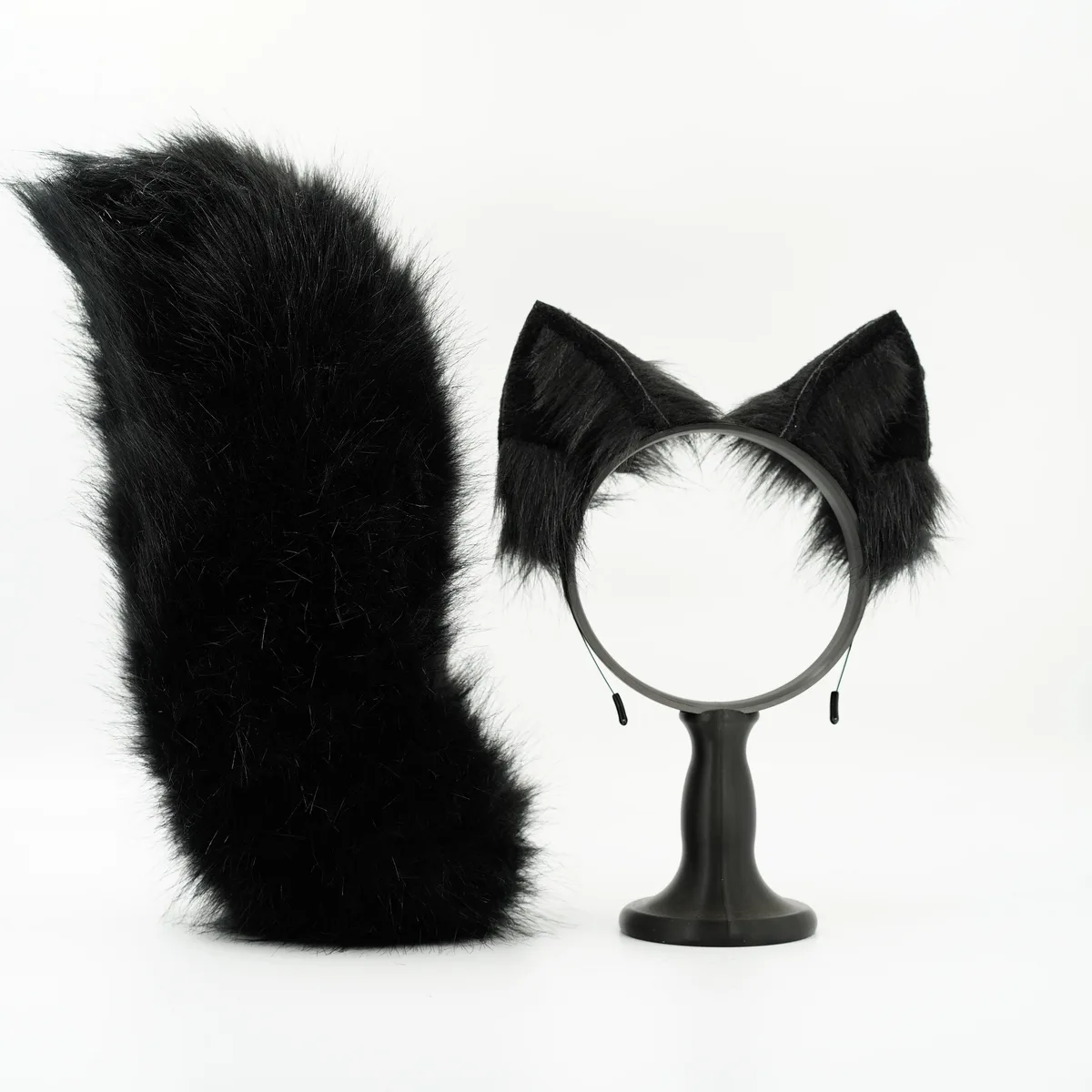
Image source: Bing (Web (fair-use with source credit))
Here's where we separate a real expert from the casual owner: reading the body language. Black cats get the short end of the stick here because they don't express emotion as easily to the untrained eye. You can't see the subtle mouth changes as well, and a flat stare is just a black cat's default expression.
You have to learn to read the rest of the body, specifically the tail and the ears.
You need a visual guide for this. Look at the whole cat, not just the face.
- Tail Held High: This is confidence. If it's straight up with a slight hook at the top, they're happy and in a friendly mood. That's a good time for a greeting.
- The "Question Mark" Tail: Curled at the top like a hook? That's an invitation to play. They're asking, "What's next?" Follow that tail, it's leading to their favorite toy.
- Ears Forward: They're interested and engaged. They're listening to you, or maybe they're just tracking a bug on the ceiling.
- Ears Flat and Splayed: This is fear, or anger. "Airplane ears" means they're uncomfortable and want to be left alone. Back off if you see this.
Pay attention to the eyes too. A slow blink is a sign of trust. If a black cat gives you a slow, deliberate blink, that's a kitty kiss.
They're literally saying, "I'm comfortable enough around you to close my eyes." When you see that, you know you've broken through the stereotype and found the real personality. They're just a cat, and now they're your cat.
The "Vocal" Stereotype: Are They Actually Quieter?
Let's tackle a big myth head-on: black cats are more vocal. Is there any truth to it? Honestly, in our research, we see no quantitative evidence that coat color correlates to vocalization frequency.
But the perception persists, and there's a reason for it. People believe black cats are "more talkative" because of a few very vocal black cats in shelters or trending videos. It's a selection bias.
What we do know from vet behaviorists is that cats learn quickly that certain meows get them what they want. A black cat in a high-kill shelter is going to be desperate for attention, and if they're naturally vocal, they realize, "Hey, this gets the humans to open the cage." So, you adopt a "talkative" cat and assume it's because they're black. No, it's because they trained you.
Personality traits of black cats are often formed in the first few months of life, regardless of color. If they were handled by different shelter staff, they might have a broader "vocabulary." You'll find some black cats are deathly quiet, the silent type, while others will have full-on conversations with you about their breakfast. Neither is more "black cat" than the other.
You're just meeting the individual that survived their circumstances to get to you. Their vocal cords are not connected to their pigmentation.

Similar Posts