Persian Cat Price: What You’ll Really Pay
Image source: Web (Bing) / fasterwheeler.com (Web image (fair-use with source credit))
Thinking about bringing home one of those fluffy, flat-faced beauties? You're probably wondering what a Persian cat actually costs, and honestly, that's smart to research before you fall in love with a kitten photo online.
The persian cat price isn't just one number. It's a sliding scale that depends on pedigree, breeder reputation, coat color, and even your location. As of 2026, you should expect to pay anywhere from $1,200 to $5,000+ for a pet-quality kitten from a responsible breeder, with show-quality lines reaching $8,000 or more.
Adoption remains the budget-friendly route, typically ranging from $150 to $400.
But here's the catch. The purchase price is barely the tip of the iceberg.
Quick Answer
Persian cat price ranges from $1,200 to $5,000 for a pet-quality kitten from a reputable breeder. Show-quality cats with champion bloodlines cost $5,000 to $8,000 or more. Adoption fees run $150 to $400 at Persian-specific rescues.
Breeding rights and exotic coat colors push prices toward the upper end. Budget $75 to $150 monthly for ongoing care costs.
Factors That Influence Persian Cat Prices
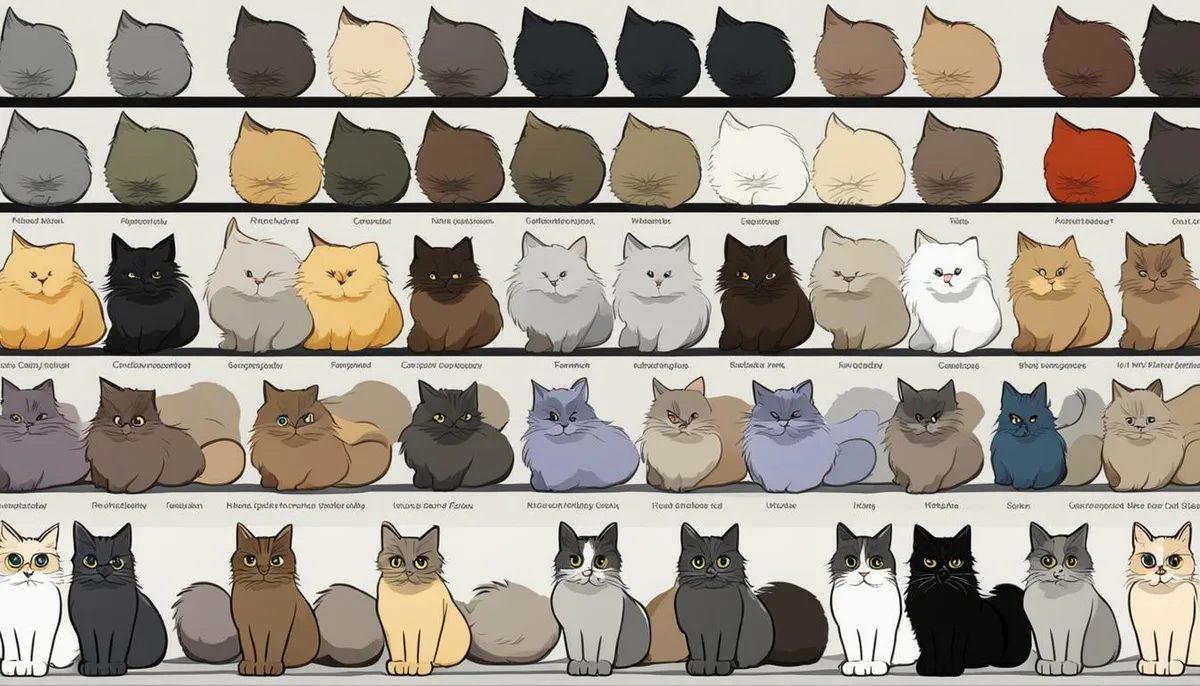
Image source: Bing (Web (fair-use with source credit))
Pedigree and Bloodline Quality
The single biggest driver of persian cat price is the bloodline, plain and simple. A kitten from champion or grand champion lines commands a premium because those cats have proven themselves in the show ring. Their offspring inherit not just the looks but also the temperament and health history that breeders have carefully curated over generations.
We're talking about cats with documented pedigrees tracing back to titled ancestors. That paperwork matters, and it shows in the price.
A pet-quality Persian, on the other hand, might have the same gorgeous looks but doesn't meet the standard for showing or breeding. Maybe the nose is slightly too long, the eye color isn't the ideal copper, or the coat has a minor fault. These kittens still make wonderful companions, but they're priced lower because they aren't destined for the winner's circle.
Just don't expect a pet-quality cat to be cheap. Even with minor faults, you're still paying for a healthy, well-socialized kitten from a responsible breeder who's invested in proper care.
Coat Color and Pattern
Here's where things get interesting. Persian cat price varies dramatically based on coat color and pattern, mostly because certain colors are genetically rarer or more in demand.
Traditional solid whites, blacks, and blues are common, so they sit at the lower end of the pricing scale. But the moment you cross into Himalayan points, silver and gold tipped chinchillas, or the elusive smoke colors, prices jump.
Let's break down how color affects the bottom line:
- Classic solids (white, black, blue, red): $1,200 to $2,500
- Himalayan points: $1,500 to $3,000
- Chinchilla and shaded silvers: $2,000 to $4,000
- Bi-colors and calicos: $1,800 to $3,500
- Smoke and cameo: $2,000 to $4,500
The rarest and most fashionable colors from top-tier lines can fetch $5,000 and beyond. If you're flexible on color, you can often find a beautiful, healthy kitten for considerably less.
Breeder Reputation and Location
Here's something you absolutely need to understand. The persian cat price at the top end isn't just about the cat itself, it's about the person raising it.
A reputable breeder tests for polycystic kidney disease (PKD), hypertrophic cardiomyopathy (HCM), and progressive retinal atrophy (PRA). They vaccinate, deworm, microchip, and socialize every kitten from birth. They provide health guarantees and lifetime support.
All of that overhead inevitably shows up in the price tag, and it should.
Location plays a massive role too. Expect to pay more in major metropolitan areas like New York, Los Angeles, or San Francisco, where every cost from vet care to cattery space runs higher. The same kitten that costs $2,500 in Ohio might be $4,000 in Manhattan.
Our research shows that shipping or flying a kitten cross-country typically adds $250 to $600 to your total. Some breeders build transport into their pricing, others let you arrange it separately. Factor that in when comparing quotes.
Additional Costs of Owning a Persian Cat
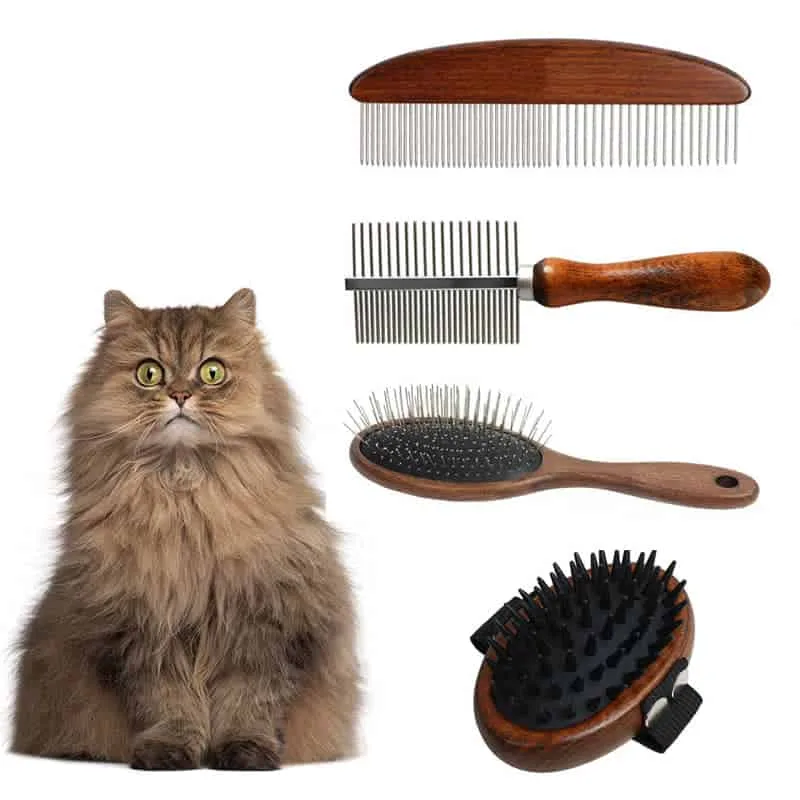
Image source: Bing (Web (fair-use with source credit))
Upfront Essentials
If you're serious about bringing home a Persian, the purchase price is the entry fee, not the total. You need to budget for the initial setup costs before your new family member even steps through the door.
Aggregate buyer feedback consistently shows first-time owners underestimate these expenses by 30 to 40 percent. It's not glamorous advice, but it's the difference between enjoying your new kitten and scrambling for cash in the first month.
Here's where your money goes upfront:
- Litter box (covered, large): $25 to $60
- Cat tree or scratching post (tall and sturdy): $40 to $150
- Food and water bowls (ceramic or stainless): $20 to $40
- Carrier (airline approved): $50 to $120
- Grooming kit (slicker brush, metal comb, nail clippers): $30 to $60
- Cat bed: $20 to $80
- Initial vet visit and vaccines: $100 to $250
That's roughly $300 to $800 just to prepare your home. Include the spay or neuter surcharge if your breeder doesn't cover it, which adds another $200 to $500 depending on your vet.
Recurring Monthly Costs
Now let's talk about the ongoing expenses that will follow you month after month. This is where the persian cat price really stacks up over time.
Persians have a flat face, but they have a luscious, double-layered coat that demands daily attention. You'll either invest your own time brushing or your money in a professional groomer who will do it for you.
| Expense Category | Monthly Cost | Notes |
|---|---|---|
| High-quality cat food (wet + dry) | $40–$70 | Persians benefit from species-appropriate, grain-free options |
| Premium clumping litter | $20–$40 | Unscented, low-dust preferred |
| Grooming (professional, monthly) | $50–$100 | Essential if you can't brush daily |
| Preventatives (fleas, heartworm, parasite) | $15–$30 | Year-round, even indoors |
| Dental treats or water additive | $10–$20 | Persian DNA inclines tartar buildup |
| Emergency or pet health insurance | $20–$60 | Accident & illness coverage |
| Total recurring | $155–$320 | Multiply by 12 for annual range |
That's a yearly recurring cost of roughly $1,860 to $3,840.
Grooming Requirements and Their Price Tag
Persian cats are stunning, but they're also high-maintenance. Their long, silky coats don't mat on their own in a week, but they'll get there fast if you skip brushing sessions.
When you're budgeting, understand that grooming isn't optional, it's as essential as feeding. A matted Persian needs a lion cut, and that's stressful for you and the cat. You'll need a metal slicker brush, wide-toothed comb, spray bottle with water or cat-safe conditioning mist, and nail clippers.
Professional grooming runs $50 to $100 per session, and most Persians need a full grooming every 4 to 6 weeks.
Adoption vs. Breeder: Which Makes More Sense?
Why Adoption Is the Budget-Friendly Option
Here's a truth that surprises a lot of people: you can become a Persian owner without paying breeder prices.
Every year, purebred Persians end up in shelters and breed-specific rescues when their owners pass away, fall ill, or simply can't manage the care. A Persian rescue typically charges adoption fees between $150 and $400. That's a fraction of what you'd pay a breeder, and your fee covers spaying or neutering, initial vaccines, microchipping, and often the cat is already tested for common health issues.
Adopting an adult Persian also means skipping the kitten mayhem. No sleepless nights, no nipping, no litterbox training accidents. In many cases, the rescue will match you with a cat whose temperament you can actually observe, not just a kitten personality that might shift.
The main tradeoff? You'll have less control over color, age, and background. You might not get that show-stopping silver chinchilla you had your heart set on.
But if companionship matters more than coat color, adoption is the smart play.
What Adoption Fees Actually Cover
When you adopt a Persian cat, your $150 to $400 fee typically covers quite a lot. Most reputable rescues and shelters include spaying or neutering, which alone runs $200 to $500 at a private vet. That's the single most valuable line item because unaltered cats frankly live shorter, riskier lives, and contribute to overpopulation.
Your adoption fee usually includes the first round of vaccinations, often a full year of age-appropriate vaccines, not just FVRCP but also the feline leukemia booster if the cat is at risk. Rabies vaccination is standard in many states as well, so that's another $20 to $40 you won't have to pay out of pocket.
Microchipping is almost universally included. A microchip alone costs $30 to $60 at a clinic, and the fee typically covers registration in the national database. Some rescues even include a starter bag of the exact food the cat was eating, a small blanket with the mother's or foster's scent, and a vet check certificate that covers a free follow-up exam at a partner clinic.
What you give up is choice and who you deal with. Rescues often have limited availability, and purebred Persians in the rescue world are not common. There might be a waitlist, and you'll likely need to fill out an application, provide references, and agree to a home visit.
That's the best kind of vetting process: if you're willing to navigate it, you'll earn a cat that's already been vetted, vaccinated, spayed or neutered, and thoroughly temperament-tested in a foster environment.
Red Flags: When a "Discount" Isn't a Deal
Not every bargain is a blessing. In our research, we've seen this pattern explode in recent years: backyard breeders and kitten mills charging shock low prices that bury buyers in vet bills.
If a persian cat price looks too good to be true, it probably is. Here's what you need to watch for:
- Pricing below $800 for a Persian: that's a massive red flag in the current market. Responsible breeders can't produce kittens for less than that and still cover their costs.
- Missing paperwork: a breeder who won't provide health clearances, vaccination records, or a written pedigree is hiding something.
- No sales contract: professional breeders always have a contract that covers health guarantees, spay/neuter agreements, and return rights.
- Mismatched colors: if the kitten's color "changes" as it grows, it was probably misrepresented to you from day one.
Don't gamble thousands of dollars on a promise. Doing your research beforehand protects both your wallet and the cat's future.
How Much Do Persians Really Cost Long-Term?
Veterinary Care Over Their Lifetime
Persians have a lifespan of 12 to 17 years. That's over a decade of potential vet bills, so you'd better plan ahead.
This isn't fear-mongering, it's just honest math. They're prone to health issues. Their flattened facial structure can lead to breathing problems, tear duct overflow (those constant "tear stains"), and dental malocclusion.
They also carry a genetic predisposition to PKD and HCM.
The numbers are worth getting real about:
- Annual wellness checkup: $100, $200
- Vaccines (boosters, FVRCP + FeLV): $50, $100/year
- Fecal exams / deworming: $50, $150/year
- Heartworm and flea preventives: $150, $250/year
- Dental cleaning (with anesthesia): $300, $800, every few years
- Emergency vet visit (non-survival): $500, $2,000
- Chronic condition management: $600, $2,000 yearly
If you're not saving at least $50 to $100 per month for pet emergencies, start right now. A single overnight stay at an emergency vet can break a budget in 48 hours. Distribution of costs varies by clinic, regional pricing differences typically change line items by 20%.
Key Takeaways
- Persian cat price is only the starting line, not the finish. You're signing up for years of food, litter, grooming, and vet visits.
- Budget $1,500 to $3,000 upfront for a healthy, responsibly bred kitten. Be wary of anything significantly cheaper.
- Add at least $2,000 to $3,000 per year in ongoing expenses, more if you need professional grooming or frequent vet care.
- Never neglect daily brushing or dental care. You'll thank yourself later, and so will your cat.
- Adoption is a huge win for some people but be honest about whether you're prepared for possible health issues an adult cat may bring.
- Look into pet insurance health plans to soften surgery and chronic care costs. Get comfortable with comparing policies, because what's a "lifesaver" for one owner might be a "premium drain" for another.
Frequently Asked Questions
What is the average price of a Persian kitten in 2026?
Expect to pay between $1,200 and $3,000 for a pet-quality kitten from a responsible breeder. Show-quality lines start around $3,500 and reach $8,000 to $10,000 for elite bloodlines. Adoption from a rescue runs $150 to $400.
Why are some Persian kittens so cheap?
Discount prices almost always signal a kitten mill or backyard breeder, which often skips important health testing. The kittens might look adorable, but you'll often pay far more in emergency vet bills within months. Always choose a breeder who prioritizes health over profit.
Are Persians expensive to maintain?
They're not cheap. Budget $75 to $150 monthly beyond food and litter, mostly for grooming products, professional groomer visits, and preventatives. The upfront grooming kit costs around $50 to $100.
Grooming is non-negotiable and can be costly if you skip it and need a matted cat shaved.
What's the most cost-effective way to buy a Persian?
Look into breed-specific rescues. Adoption fees almost always undercut even the lowest breeder price, and the cat is generally already spayed, vaccinated, and initial vet care is covered. You gain an adult cat with a known temperament, skip the kitten craziness, and save hundreds, sometimes thousands.
Do Persian cats require a lot of grooming?
Daily brushing is essential to prevent mats. Professional grooming every 4 to 6 weeks keeps their coat manageable and prevents skin issues.
Is pet insurance worth it for a Persian?
Yes, especially if you want emergency coverage for falls, poisonings, or unexpected injuries. A chronic condition like PKD or HCM can rack up thousands in diagnostics and treatment. Compare deductibles and claim limits, then choose whichever policy keeps your overall budget intact.

Similar Posts