Is Civet Cat Dangerous? Uncover the Surprising Truth
Have you ever stumbled upon the intriguing question: “Is the civet cat dangerous?” You’re not alone.
This curious creature, known for its role in producing the world’s most expensive coffee, has sparked interest and a fair share of concern among many. Are civet cats harmless fuzzballs or should you tread carefully around them? Before you make any assumptions, let’s delve into the world of civet cats together.
Understanding their behavior and potential risks might not only satisfy your curiosity but also equip you with valuable knowledge. So, are you ready to uncover the truth about civet cats and find out what you really need to know? Keep reading to discover the fascinating facts that might surprise you.
Civet Cat Characteristics
Civet cats possess unique features, including a musky scent and nocturnal habits. They are generally shy and avoid humans. Their natural behavior makes them unlikely to pose a threat, but they can bite if startled. Understanding their characteristics helps in appreciating their role in ecosystems without fear.
Understanding the characteristics of civet cats can provide valuable insights into their behavior and lifestyle. This knowledge can help you assess whether they pose any danger. Civet cats, often misunderstood due to their nocturnal nature, have unique traits that make them fascinating creatures. Let’s explore their physical appearance and natural habitat to paint a clearer picture.Physical Appearance
Civet cats are distinct in their appearance. They typically have long, slender bodies with short legs, giving them an agile look. Their fur is usually a mix of gray and brown, adorned with black spots or stripes, making them quite striking. Their face resembles a raccoon with a pointed snout and sharp teeth. This can be intimidating at first glance, but they aren’t naturally aggressive. Their eyes are large and round, adapted for night vision, which is essential for their nocturnal activities. The tail of a civet cat is another notable feature. It’s often as long as their body, bushy, and sometimes ringed, aiding in balance and communication. Have you ever spotted a civet cat in the wild? Their unique look is unforgettable.Natural Habitat
Civet cats are incredibly adaptable creatures. They thrive in various environments, from dense forests to urban areas. This adaptability is one reason they occasionally wander into human settlements. Their natural habitat spans across Asia and Africa. They prefer areas with plenty of vegetation, as this provides both cover and abundant food sources. Civet cats are omnivorous, feeding on fruits, insects, and small mammals. In urban areas, they might forage through trash or gardens in search of food. This behavior sometimes leads to encounters with humans. Have you ever heard rustling in your backyard at night? It could have been a curious civet cat. By understanding these characteristics, you can appreciate the civet cat’s role in the ecosystem. They are not inherently dangerous but deserve respect and space. Would you want a civet cat as a neighbor, knowing their habits and traits?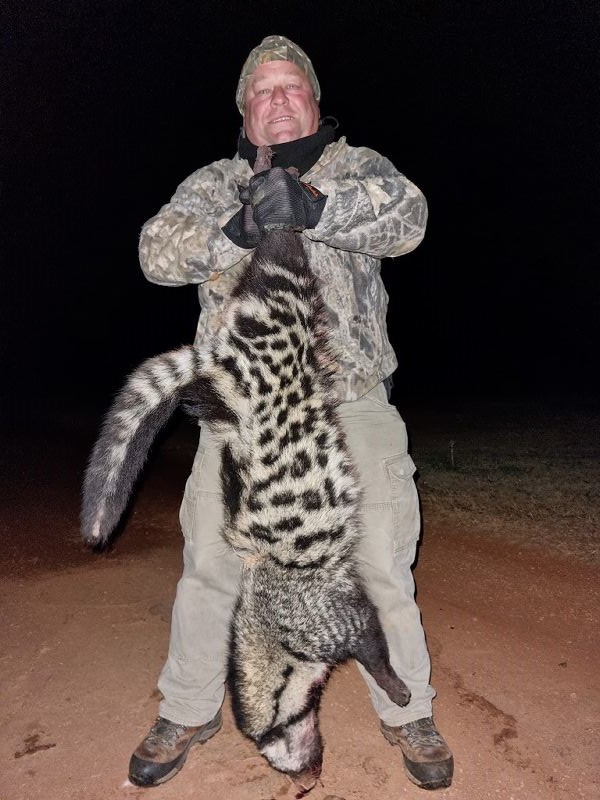
Credit: somerbysafaris.com
Behavior And Temperament
Civet cats are not typically aggressive, but they can bite if threatened. Their shy nature often keeps them away from humans. It’s important to approach them with caution and respect their space.
The civet cat, often mistaken for a feline, is an intriguing creature with unique behavioral traits. Understanding its temperament can help you appreciate this animal while ensuring your safety. Known for their solitary nature, civet cats prefer to roam independently, showcasing a mix of curiosity and caution.Dietary Habits
Civet cats are omnivorous, enjoying a varied diet that includes fruits, insects, and small vertebrates. In my backyard, I once noticed one nibbling on fallen mangoes, effortlessly balancing its protein intake with sweet treats. This balanced diet supports their nocturnal lifestyle, allowing them to be active hunters at night. Interestingly, civet cats are famous for their role in producing kopi luwak, a type of coffee made from beans that these animals consume and partially digest. This quirky dietary habit highlights their adventurous palate. What does this mean for you? It’s a reminder of the civet cat’s adaptability and resourcefulness in finding food.Interaction With Humans
Civet cats are generally shy around humans. Their solitary nature means they rarely seek interaction, preferring to stay out of sight. However, there are instances where curiosity might lead them closer to human habitats. I remember one evening when a civet cat peeked through my garden, cautiously observing me while maintaining a safe distance. Despite their reticent demeanor, civet cats can feel threatened if cornered. It’s crucial to respect their space, ensuring any encounters are peaceful. If you ever spot one, it’s best to admire from afar and avoid trying to touch or feed them. How would you feel if someone invaded your space? Civet cats deserve the same respect. Understanding the behavior and temperament of civet cats equips you with the knowledge to appreciate their presence without compromising your safety. Their unique dietary habits and interactions with humans offer a glimpse into their fascinating world. Would you be more conscious of your surroundings knowing civet cats might be nearby?Potential Dangers
Civet cats can pose risks due to their potential to carry diseases like rabies. Their sharp claws and teeth may cause injuries if they feel threatened. Interaction with humans might lead to aggressive behavior, making caution essential.
Civet cats, while fascinating creatures, come with their own set of potential dangers that are crucial for anyone considering interacting with or keeping them to understand. These dangers are often underestimated due to their small size and seemingly harmless appearance. However, understanding the risks can help you make informed decisions about how to handle and approach these animals.Aggression In Captivity
Civet cats can exhibit aggressive behavior, especially when kept in captivity. They are wild animals by nature and not accustomed to human interaction. This can lead to unpredictable behavior, such as biting or scratching, which poses a risk to humans. Even if a civet appears calm, stress from captivity can trigger defensive actions. I once visited a wildlife rescue center where a civet, seemingly docile, suddenly lashed out when approached too closely. It was a stark reminder of their wild instincts. Consider how you’d feel if you were confined against your will. Their aggression is often a manifestation of stress and fear.Disease Transmission
Civet cats can also be carriers of diseases that are transmittable to humans. Known as zoonotic diseases, these can include serious illnesses like SARS. The civet cat played a significant role in the SARS outbreak, highlighting the potential health risks they pose. Even their feces can harbor harmful pathogens. If you’re handling a civet or cleaning their enclosure, maintaining hygiene is crucial. Use gloves and wash your hands thoroughly afterward. It’s a simple action that can prevent potential health issues. This raises an important question: Is the allure of owning a civet worth the health risks? Understanding the potential dangers helps you make a responsible choice. Stay informed and prioritize safety for both you and the animal.
Credit: en.wikipedia.org
Civet Cats And Ecosystem
Civet cats, often misunderstood and sometimes feared, play a fascinating role in the ecosystem. While their nocturnal habits and unique appearance might raise questions about their danger, it’s essential to understand their contribution to biodiversity and their impact on local wildlife. Let’s delve into these intriguing aspects.
Role In Biodiversity
Civet cats are vital players in maintaining ecological balance. You might be surprised to learn that their diet includes a variety of fruits, insects, and small animals. This diverse palate makes them excellent seed dispersers. As they move through forests, they inadvertently plant new seeds, which helps to maintain healthy vegetation.
Consider the forests where civet cats thrive. These areas often have rich biodiversity, partly due to the civet’s role in spreading plant life. Without them, certain plant species might struggle to propagate. Have you ever thought about how interconnected animal and plant life can be? Civet cats are a living testament to this intricate web of life.
Impact On Local Wildlife
Civet cats can influence local wildlife dynamics. Their presence in an area can affect the population of small animals and insects. While this might seem negative at first glance, it helps keep potential pest populations in check. This natural control prevents any one species from dominating the ecosystem.
Imagine a garden. If left unattended, certain weeds might overrun it. Civet cats act as natural gardeners, ensuring balance in their habitat. How does this impact you? If you live near civet habitats, their presence could mean fewer pests in your area. It’s a fascinating example of nature’s way of maintaining harmony.
So, are civet cats dangerous? While they might pose a threat if provoked, their contribution to the ecosystem is invaluable. Understanding their role offers a fresh perspective on how we coexist with nature. Next time you encounter a civet cat, consider the broader picture. How can your actions support this delicate balance?
Human-civet Cat Conflicts
Civet cats are not inherently dangerous to humans, but conflicts arise due to their nocturnal habits and territorial nature. These animals may enter homes searching for food, leading to misunderstandings and fear. Understanding civet behavior can reduce unnecessary alarm and promote peaceful coexistence.
Human-Civet Cat conflicts are intriguing and sometimes troublesome. These small mammals, known for their nocturnal habits, often find themselves at odds with human activities. As cities expand and agricultural areas grow, civet cats venture into human territories. Understanding these conflicts can help mitigate potential issues.Urban Encounters
Civet cats are adaptable creatures. They often explore urban areas in search of food. Garbage bins and gardens attract them. These encounters can lead to unexpected problems. Civet cats might invade homes or cause disturbances. Their presence can alarm residents unfamiliar with wildlife. Nighttime visits are common, adding to their mysterious reputation.Agricultural Challenges
Farmers often face challenges from civet cats. These mammals love fruits and crops. They might raid fields, causing damage. This leads to economic losses for farmers. Protecting crops becomes essential. Civet cats can also impact livestock. They may disturb poultry farms. This creates additional stress for farmers managing their resources.Safety Measures
Ensuring safety around civet cats is essential for both humans and animals. Civet cats, though generally shy, can become aggressive if threatened. Understanding how to prevent encounters and handle them is crucial. Let’s explore some practical safety measures.
Preventing Encounters
Keep your surroundings clean and free of food waste. Civet cats are attracted to leftovers and garbage. Secure trash bins with tight lids. This discourages them from visiting your home.
Install motion-sensor lights around your property. Bright lights can scare away nocturnal animals like civet cats. Trim trees and shrubs near your home. This removes potential hiding spots.
Handling And Relocation
Do not attempt to capture a civet cat by yourself. It can be dangerous. Instead, contact local wildlife authorities for assistance. Trained professionals know how to safely handle and relocate them.
If you must approach, wear protective gloves and long sleeves. Keep a safe distance. Avoid cornering the animal, as this can provoke aggression.
Always prioritize your safety and the animal’s well-being. Respect their space and habits. By following these measures, you can coexist peacefully with civet cats in your area.
Conservation Efforts
Civet cats are not usually dangerous to humans. They tend to be shy and avoid contact. Conservation efforts focus on protecting their habitats and ensuring their survival in the wild.
Civet cats, often misunderstood, play a crucial role in their ecosystems. Yet, their survival is under threat due to habitat destruction and illegal poaching. Conservation efforts are vital to protect these creatures and maintain biodiversity.Protection Laws
Governments worldwide have recognized the need to protect civet cats through legislation. Many countries have implemented strict laws prohibiting hunting and trading of these animals. These regulations aim to curb illegal activities and ensure civets can thrive in their natural habitats. However, enforcing these laws remains a challenge in some regions. Corruption and lack of resources can hinder effective implementation. As a reader, you might wonder: How can communities help in enforcing these laws?Conservation Programs
Numerous conservation programs are dedicated to preserving civet cats and their environments. These programs often involve habitat restoration and community education. By engaging local populations, these initiatives encourage sustainable practices that benefit both people and wildlife. A visit to a conservation area can be eye-opening. Witnessing the efforts of dedicated teams can inspire you to support these programs. Have you ever thought about volunteering or donating to such causes? Conservation programs also focus on scientific research to better understand civet cat behavior and ecology. This knowledge aids in formulating effective conservation strategies. Engaging in citizen science projects can be a rewarding way to contribute to this research. By participating in these efforts, you not only help civet cats but also become part of a global movement to protect our planet’s precious biodiversity. What role can you play in ensuring the future of civet cats?
Credit: www.youtube.com
Frequently Asked Questions
Do Civets Bite Humans?
Civets can bite humans if they feel threatened or cornered. They are generally shy and avoid confrontation. It’s important to handle them with care and respect their space. Wild animals should not be approached, and professional guidance is recommended if you encounter one.
Can A Civet Cat Be A Pet?
Civet cats can be kept as pets, but it’s challenging. They require special care, space, and legal permits. These animals are nocturnal, have strong odors, and can be aggressive. Before deciding, research thoroughly and check local regulations. Responsible ownership is crucial for the well-being of both the civet and the owner.
What Eats Civet Cats?
Civet cats are preyed upon by larger predators like leopards, pythons, and large birds of prey. Humans also hunt them for their musk and meat. These threats make civet cats vulnerable in their natural habitats. Conservation efforts are crucial for their survival in the wild.
Is Civet Coffee Safe To Drink?
Civet coffee is generally safe to drink if it’s processed correctly. Ensure it’s sourced from reputable producers. Poor processing can lead to health risks. Always verify the coffee’s authenticity and origin. Enjoy it in moderation to avoid excessive caffeine intake.
Conclusion
Civet cats pose little threat to humans. They prefer avoiding contact. Their nocturnal nature keeps them hidden. Most interactions occur by accident. It’s important to maintain distance. Respect their space. Civet cats are important for ecosystems. They help control insect populations.
Observing them can be fascinating. Understanding their behavior is crucial. Awareness helps reduce fear. Proper research clears misconceptions. Civet cats enrich our biodiversity. They add value to the environment. Appreciate their role in nature. Recognize their importance. Feel safe with knowledge.
Education builds confidence. Share insights with others. Enjoy learning about these unique creatures.