How Long Do Domestic Shorthair Cats Live: Lifespan Insights
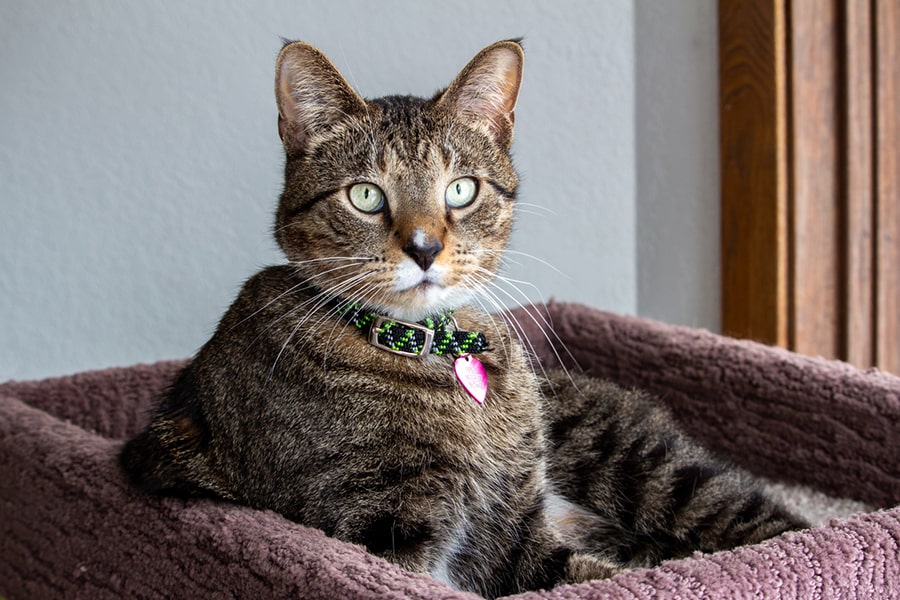
Are you curious about the lifespan of your beloved domestic shorthair cat? You’re not alone.
As a cat owner, you want to ensure your furry friend is with you for as long as possible. These charming cats, with their diverse appearances and loving personalities, have a special place in many homes. But how long can you expect them to be a part of your family?
Understanding their lifespan can help you provide the best care possible, ensuring they live a long, happy life. Dive into this article to uncover the secrets of their longevity, and discover actionable tips to help your feline companion thrive. Your cat’s future could be brighter than you think!
Factors Affecting Lifespan
Understanding the lifespan of domestic shorthair cats involves looking at various factors. Each cat is unique, and their longevity is influenced by a blend of genetics, diet, healthcare, and environment. By focusing on these areas, you can help ensure your furry friend lives a long, healthy life.
Genetics
Genetics play a crucial role in determining how long your domestic shorthair cat might live. Some cats inherit genes that predispose them to certain health conditions. You might notice that some cats seem to have endless energy and vitality, while others may face challenges. Knowing your cat’s genetic background can guide you in preventive care and help manage potential risks.
Diet And Nutrition
What you feed your cat is pivotal to its health. A balanced diet rich in essential nutrients can extend your cat’s lifespan. Imagine if you ate junk food every day; you’d probably feel sluggish and unwell. The same applies to your cat. Providing high-quality food with proper vitamins and minerals supports their overall well-being. Consider consulting a vet to tailor a diet plan that suits your cat’s needs.
Healthcare And Vet Visits
Regular vet visits are vital for your cat’s health. Just like humans, cats benefit from routine check-ups to catch potential health issues early. Have you ever skipped a dentist appointment only to regret it later? It’s similar with vet visits. Preventive care can save your cat from uncomfortable situations and ensure they live a happier life. Keep up with vaccinations and screenings to protect your cat from diseases.
Environment
Your cat’s environment significantly affects its lifespan. A safe, stimulating space can enhance their quality of life. Think about the effect a cluttered, stressful environment has on you. Cats thrive in clean, enriching spaces where they can play, explore, and relax. Ensure your home is free from hazards and provide toys and climbing structures to keep them active. Is your home a sanctuary for your cat?
By addressing these factors, you can make informed choices that promote your cat’s longevity. Remember, every decision you make can have a lasting impact on your feline friend’s life.
Credit: www.litter-robot.com
Average Lifespan Range
Understanding the lifespan of domestic shorthair cats helps in planning their care. These cats are known for their adaptability and resilience. Knowing their average lifespan range provides insight into their health needs.
Typical Lifespan
Domestic shorthair cats often live between 12 to 15 years. With proper care, some cats exceed this range, living up to 20 years. Their lifespan depends on diet, environment, and health care.
Comparisons With Other Breeds
Domestic shorthairs tend to live longer than some purebreds. Siamese cats usually live around 15 years, similar to domestic shorthairs. Persian cats, with specific care needs, often live 12 to 14 years. This shows domestic shorthairs have a robust life expectancy.
Signs Of Healthy Aging
Domestic Shorthair cats often live between 12 to 15 years. Good care and regular vet visits can extend their lifespan. Healthy aging signs include playful behavior, shiny coat, and healthy weight.
As your domestic shorthair cat grows older, you might wonder how to ensure they age gracefully and maintain their health. Recognizing the signs of healthy aging can help you keep your feline friend happy and comfortable. It’s crucial to understand these indicators to provide the best care possible.Physical Health Indicators
Pay attention to your cat’s weight and coat quality. A healthy weight indicates that your cat is eating well and staying active. If your cat’s coat remains shiny and smooth, it’s a sign of good nutrition and grooming habits. Monitor your cat’s dental health. Regular dental check-ups can prevent issues like gum disease, which can impact overall health. A robust appetite and clean teeth are positive signs. Watch for mobility and flexibility. Cats that move smoothly and play are showing signs of healthy joints. Encourage playtime with toys to keep them active.Behavioral Changes
Observe any shifts in your cat’s behavior. A friendly and interactive cat is typically healthy. Look for consistent social interaction with you and other pets. Notice sleeping patterns. Cats sleep a lot, but changes in sleep duration or location can signal health issues. A cat that sleeps in its usual spots and for its usual length is likely aging well. Check for mental sharpness. Engaging in playful activities and responding to stimuli are signs of cognitive health. Try using puzzle toys to keep their minds sharp. Do you see these signs in your cat? If not, what changes have you noticed? Understanding these indicators can guide you in adapting your cat’s care routine. Your observations and actions make a difference in their aging journey.Extending Their Lifespan
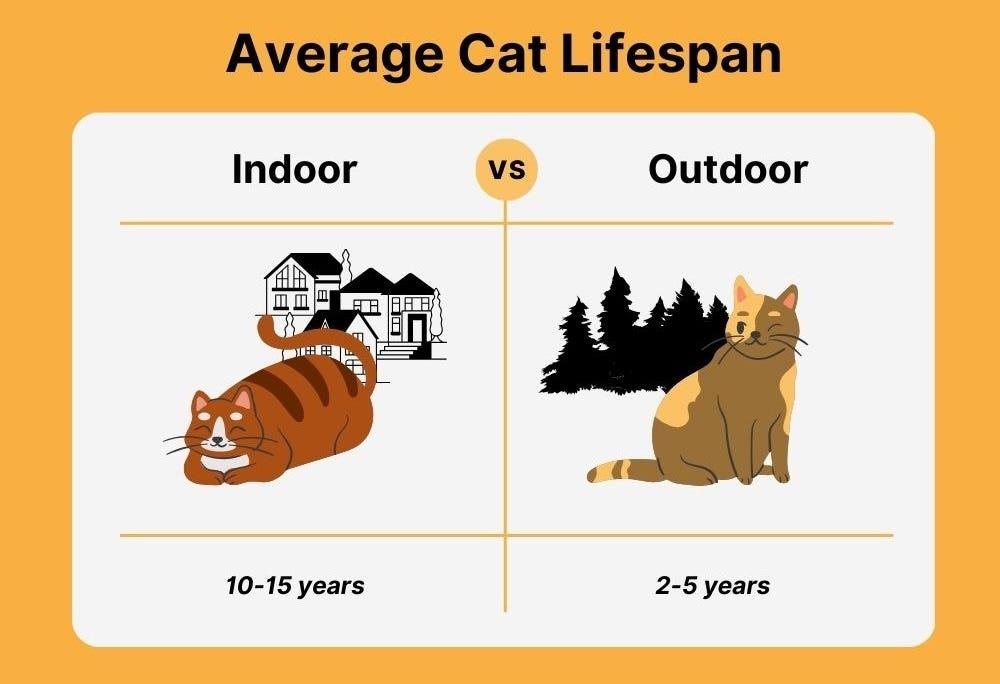
Domestic Shorthair cats often live between 12 to 15 years with proper care. Regular vet visits and a balanced diet can extend their lifespan. Indoor environments also contribute to their longer, healthier lives.
Extending the lifespan of domestic shorthair cats involves key practices. These practices ensure they live longer, healthier lives. Owners can significantly impact their cat’s longevity. Providing proper care is essential. Focus on diet, exercise, and healthcare. Each plays a crucial role in a cat’s life.Proper Diet
A balanced diet boosts a cat’s health. Quality food provides essential nutrients. Cats require proteins, fats, and vitamins. Avoid foods with fillers. Fillers can lead to obesity and health issues. Hydration is vital too. Fresh water should always be available. Regular vet consultations can help tailor diets. Special diets suit cats with allergies or conditions. Always read food labels carefully.Regular Exercise
Exercise keeps cats fit and active. Playtime is essential for their well-being. Toys encourage movement and mental stimulation. Climbing structures like cat trees are beneficial. Scratching posts help maintain claws. Interactive play strengthens bonds with owners. Exercise prevents obesity and related health problems. Daily activity ensures they stay agile.Preventive Healthcare
Regular check-ups are crucial for cats. Vaccinations protect against diseases. Dental care prevents oral issues. Parasite control keeps them safe from fleas and worms. Monitor weight and overall health regularly. Early detection of issues leads to better outcomes. Discuss preventive care with veterinarians. They offer guidance tailored to your cat’s needs.Common Health Issues
Domestic Shorthair cats are popular pets due to their adaptability and affectionate nature. Understanding common health issues can help in their care. Awareness of these issues can extend their lifespan and improve their quality of life.
Obesity
Obesity is a prevalent issue among Domestic Shorthair cats. These cats often enjoy food and can easily gain weight. Excess weight can lead to other health problems like diabetes. Regular exercise and a balanced diet can prevent obesity.
Dental Problems
Dental health is crucial for Domestic Shorthair cats. They can suffer from gum disease and tooth decay. Regular dental check-ups and cleanings can prevent these issues. Feeding them dental-friendly foods helps maintain oral health.
Chronic Diseases
Chronic diseases can affect the lifespan of Domestic Shorthair cats. Kidney disease and heart conditions are common. Early detection through regular vet visits is vital. Proper management can improve their life expectancy and comfort.

Credit: www.aspcapetinsurance.com
Senior Cat Care Tips
Domestic shorthair cats often live 12 to 15 years. Proper care can extend their lifespan. Regular vet visits, balanced diet, and exercise are essential for senior cat health.
As your Domestic Shorthair cat ages gracefully, it’s essential to adjust their care routine to meet their changing needs. Senior cats often require different attention compared to their younger counterparts. This guide will help you offer the best care for your cherished feline friend, ensuring they enjoy their golden years comfortably and happily.Adjusting Diet
Senior cats often need a diet that supports their aging bodies. Consider switching to a senior-specific cat food that is lower in calories but rich in essential nutrients. You might notice your cat becoming less active, so this adjustment helps prevent weight gain and supports joint health. Incorporate foods with high-quality proteins to maintain muscle mass. Your vet can provide recommendations tailored to your cat’s health needs, like adding more fiber for digestive health. Does your cat have specific dietary preferences? This might be the perfect time to explore new flavors and textures to keep them excited about mealtime.Comfort And Safety
As your cat gets older, comfort and safety become a priority. Ensure their favorite resting spots are easily accessible. Consider adding ramps or steps if your cat struggles to jump to their favorite perch. Check your home for potential hazards like slippery floors or narrow spaces that could lead to accidents. Keep your cat’s essentials, such as litter boxes and food bowls, within easy reach. Have you ever noticed how your cat has a favorite sunny spot? Make sure it’s still easy for them to reach and enjoy.Monitoring Health
Regular vet check-ups are crucial for senior cats. Early detection of health issues can make a significant difference in treatment outcomes. Keep an eye on changes in behavior, appetite, or litter box habits, and report these to your vet promptly. It’s helpful to create a health diary to track any changes you notice. This practice can provide valuable information during vet visits. How can you be sure your cat is still thriving in their senior years? Trust your observations and maintain an open dialogue with your vet to ensure your cat receives the best possible care.
Credit: petsure.com.au
Frequently Asked Questions
How Long Does An Indoor Domestic Shorthair Cat Live?
An indoor domestic shorthair cat typically lives 12 to 15 years. Some may reach up to 20 years with proper care. Providing a healthy diet, regular vet check-ups, and a safe environment can enhance their lifespan. Each cat’s lifespan can vary due to genetics and lifestyle factors.
Do Female Or Male Cats Live Longer?
Female cats generally live longer than male cats. Several factors contribute to this difference, including genetics and lifestyle. Spaying and neutering also impact lifespan positively. Ensuring proper nutrition, regular vet visits, and a safe environment can help extend a cat’s life, regardless of gender.
Do Domestic Shorthair Cats Have Health Issues?
Domestic shorthair cats are generally healthy with strong genetics. They might face common cat issues like dental problems or obesity. Regular vet check-ups and a balanced diet help maintain their health. Their diverse gene pool often protects them from breed-specific ailments.
Always monitor your cat’s health for any changes.
How Rare Is It For A Cat To Live 20 Years?
A cat living up to 20 years is uncommon but not extremely rare. With proper care, some cats reach this age. Around 10% of domestic cats live to 20 years. Regular veterinary check-ups, a balanced diet, and a safe environment can increase a cat’s lifespan.
Conclusion
Domestic Shorthair cats bring joy to many families. They often live 12-15 years, with good care. Remember, a healthy lifestyle helps them live longer. Regular vet visits are crucial. A balanced diet supports their health too. Playtime keeps them active and happy.
Love and attention also matter. Each cat is unique. Their lifespan can vary. Cherish every moment with your furry friend. Their companionship is precious. Enjoy their playful nature and gentle purrs. Life with a Domestic Shorthair is truly special. Keep them safe, loved, and healthy.
Your cat will thank you with endless affection.

Similar Posts