Why is My Cats Hair Falling Out: Uncover the Causes
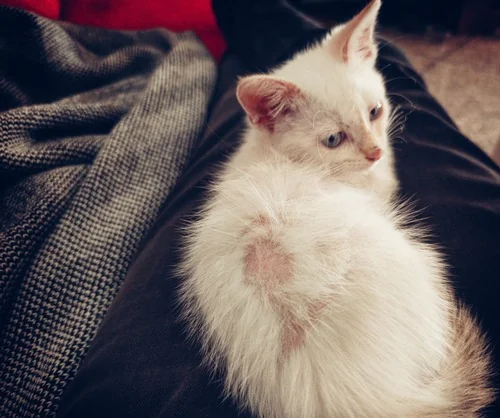
Have you noticed your cat’s fur scattered all over the house, more than usual? If you’re wondering, “Why is my cat’s hair falling out?”
You’re not alone. Watching your feline friend’s coat thin out can be concerning. It can make you feel worried and even a bit helpless. But understanding the reasons behind this shedding can ease your mind and help you take the right steps to address it.
You’ll discover the common causes of hair loss in cats and learn how you can help your pet maintain a healthy, shiny coat. Keep reading to uncover the secrets behind your cat’s hair fall and how to bring back that soft, fluffy fur you love to stroke.
Common Causes Of Hair Loss In Cats
Seeing your cat’s fur scattered around the house can be concerning. Hair loss in cats, also known as alopecia, is a common issue. This problem can stem from various causes. Understanding these causes helps address the issue effectively.
Allergies
Allergies are a frequent cause of hair loss in cats. Food or environmental allergens trigger reactions. These reactions lead to itching and scratching. Cats may develop bald patches due to excessive grooming. Identifying the allergen is crucial for treatment.
Parasites
Parasites like fleas or mites can cause hair loss. They irritate the skin, prompting cats to scratch. This scratching leads to hair falling out. Regularly check your cat for parasites. A vet can recommend suitable treatments.
Infections
Skin infections result in hair loss too. Bacterial or fungal infections are common culprits. They cause inflammation and discomfort. Cats may lick or bite the affected areas. This behavior worsens the hair loss. Seek veterinary care for proper diagnosis.
Hormonal Imbalances
Hormonal imbalances affect fur health. Thyroid issues often lead to hair loss in cats. Hormones play a significant role in coat condition. Imbalances disrupt normal hair growth. A vet can conduct tests to identify any hormonal issues.
Environmental Factors
Cats may lose hair due to various environmental factors. These factors can affect their health and coat condition. Understanding these can help in managing your cat’s hair loss.
Stress
Stress can cause hair loss in cats. Loud noises or changes in routine might stress them. Cats need a calm environment to thrive.
Dietary Issues
Poor diet can lead to hair loss in cats. Nutrients like proteins and vitamins are crucial. Ensure your cat’s food is balanced and nutritious.
Temperature Changes
Sudden temperature changes can affect a cat’s coat. Cold or hot weather can cause shedding. Maintain a stable temperature for your pet’s comfort.
Genetic Predispositions
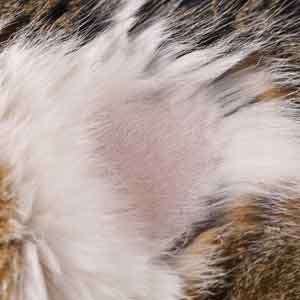
Have you ever noticed your cat’s fur shedding more than usual? While a certain amount of hair loss is normal, excessive shedding could be linked to genetic predispositions. These hereditary factors can play a significant role in your cat’s health and the condition of their coat. Understanding these genetic influences can help you address the issue more effectively and ensure your furry friend’s well-being.
Breed-specific Hair Loss
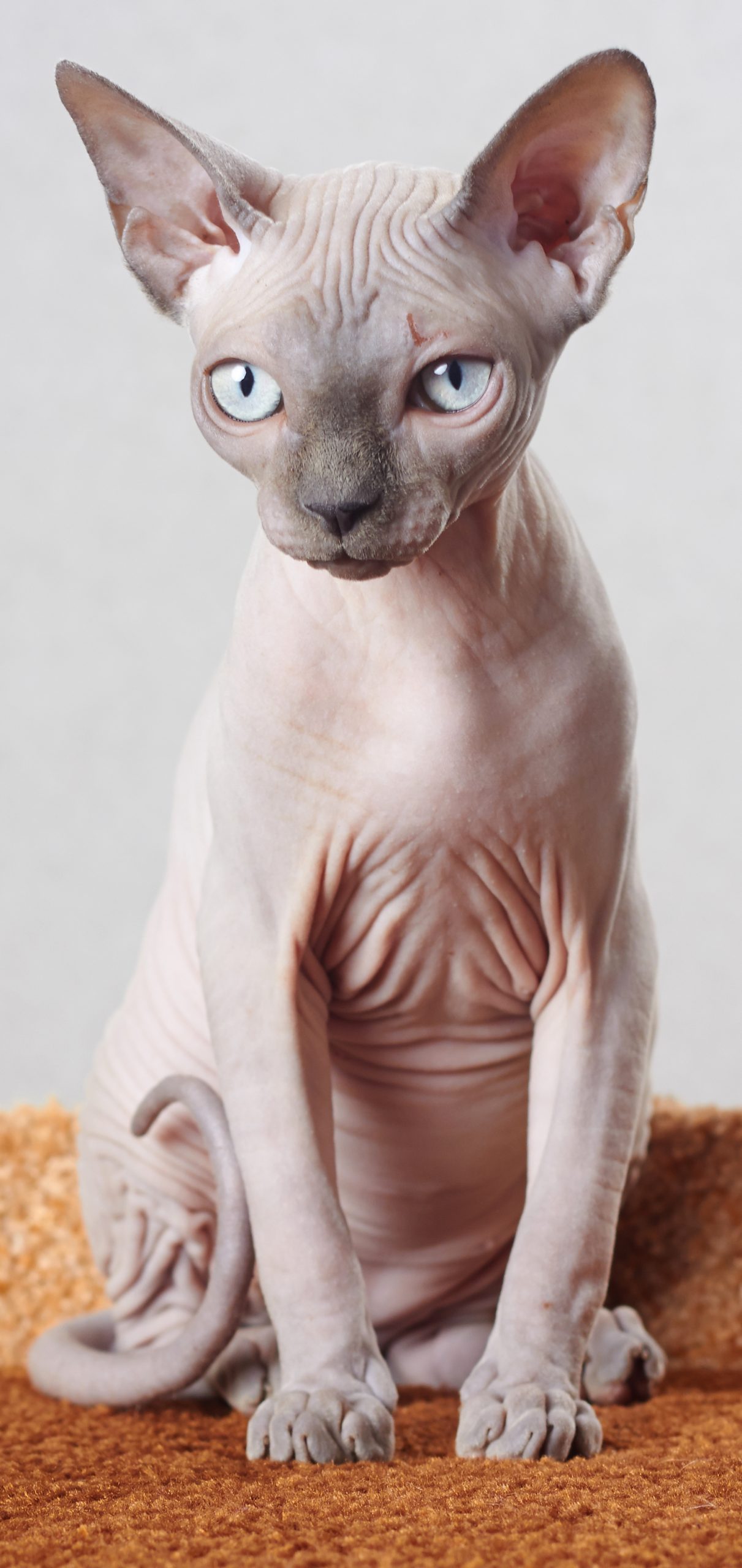
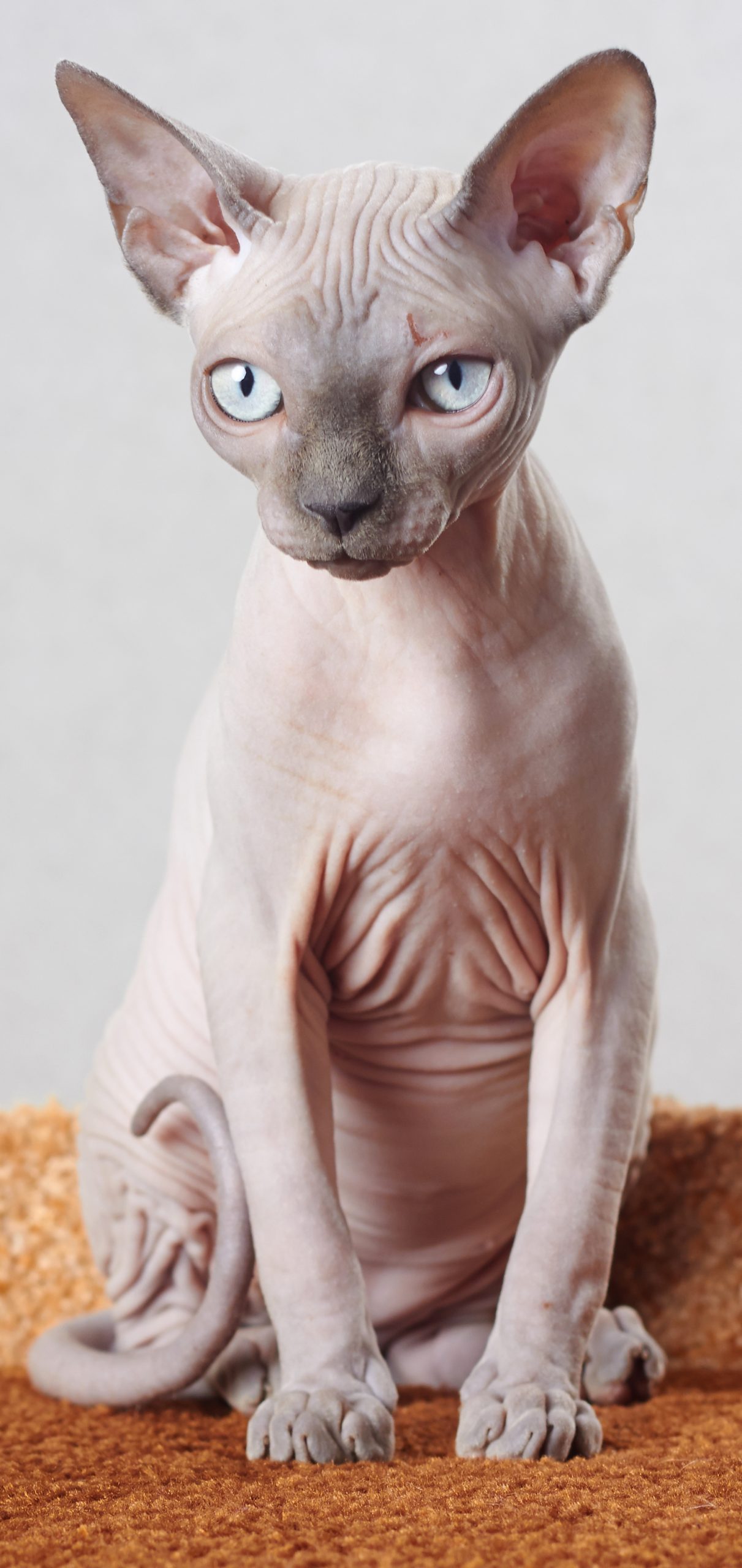
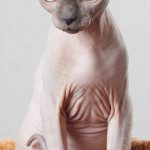
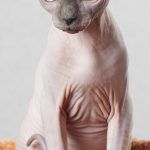
Some cat breeds are more prone to hair loss due to their genetic makeup. For instance, Sphynx cats naturally lack fur, while breeds like Devon Rex and Cornish Rex have very short hair, making them more susceptible to noticeable shedding. If your cat belongs to one of these breeds, hair loss might be a common occurrence rather than a health concern.
Consider the unique characteristics of your cat’s breed. Does your kitty belong to a breed known for specific coat issues? If yes, you might need to adjust grooming practices or consult a vet for breed-specific advice. Understanding your cat’s breed can help you manage their hair care more effectively.
Inherited Skin Conditions
Beyond breed-specific traits, some cats inherit skin conditions from their parents. These conditions can lead to excessive hair loss, itching, and discomfort. Common inherited conditions include alopecia and dermatitis, which require medical attention for proper management.
Think about how these conditions might affect your cat’s daily life. Are they scratching more frequently or showing signs of irritation? Early diagnosis can prevent complications and improve your cat’s quality of life. If you suspect an inherited skin condition, a vet consultation can offer solutions tailored to your cat’s needs.
Genetic predispositions don’t just explain hair loss; they provide a roadmap for how you can best support your cat’s health. What steps will you take to ensure your feline friend remains comfortable and happy?
Credit: www.ellevetsciences.com
Medical Conditions
Cat owners often worry when their pet’s hair starts falling out. This problem can be due to various medical conditions. Understanding these conditions is crucial for proper care. Let’s explore some common causes.
Hyperthyroidism
Hyperthyroidism affects a cat’s thyroid gland. It leads to excessive hormone production. This can cause hair loss and weight issues. Cats may also seem restless and hungry. Early detection is vital for treatment.
Autoimmune Disorders
Autoimmune disorders occur when a cat’s immune system attacks its own body. This can result in skin inflammation and hair loss. Symptoms vary but include itching and redness. Veterinary intervention often helps manage these conditions.
Cancer
Cancer in cats can lead to hair loss. Tumors or treatment methods may affect the skin and fur. Regular vet check-ups are essential for early diagnosis. Different types of cancer impact hair differently.
Behavioral Issues
Understanding why your cat’s hair is falling out can be distressing. Behavioral issues are a significant factor. Cats may engage in activities that lead to hair loss. These behaviors can stem from stress or discomfort. Identifying and addressing these issues can help restore your cat’s coat.
Excessive Grooming
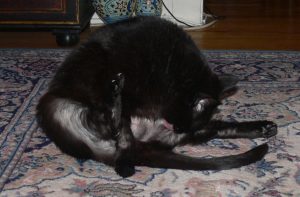
Cats groom themselves to maintain cleanliness. Sometimes, they groom too much. This can lead to hair thinning. Cats may pull out hair due to irritation or anxiety. Observe your cat’s grooming patterns. Excessive grooming might signal an underlying issue.
Anxiety
Anxiety can cause hair loss in cats. Changes in environment or routine can trigger stress. Cats might respond by over-grooming or pulling their fur. Provide a calm environment for your cat. Reducing stressors can help alleviate anxiety. This can, in turn, reduce hair loss.
Compulsive Disorders
Some cats develop compulsive disorders. These disorders lead to repetitive behaviors. Over-grooming is a common compulsive behavior. It often results in hair loss. Identifying compulsive patterns is crucial. Consult a vet for guidance on managing these behaviors.
Credit: thecatdoctor.co.uk
When To See A Veterinarian
Noticing your cat’s hair falling out can be concerning. Allergies, stress, or diet changes might be the culprits. Consulting a veterinarian ensures proper diagnosis and treatment, keeping your feline friend healthy and happy.
When your cat’s hair starts falling out, it can be both puzzling and concerning. You might wonder whether this is just a normal part of their shedding cycle or if something more serious is at play. While some hair loss is expected, there are certain situations where you should reach out to a veterinarian. Understanding these signs can make a big difference in your cat’s health and well-being.Signs Of Serious Conditions
If your cat’s hair loss is accompanied by other symptoms, it may be time to consult a vet. Watch out for red flags such as skin redness, open sores, or excessive scratching. Have you noticed any changes in your cat’s behavior or appetite? These signs could indicate an underlying health issue. Hair loss concentrated in patches might suggest a skin infection or parasite infestation. Additionally, if your cat is losing weight or seems lethargic, it’s essential to seek professional advice. These symptoms could hint at more serious conditions like hormonal imbalances or allergies.Diagnostic Tests
Once you decide to visit the vet, they might suggest a series of diagnostic tests. These tests help pinpoint the exact cause of your cat’s hair loss. Blood tests are often used to check for hormonal issues, such as thyroid problems. Skin scrapings might be taken to identify parasites like mites or fleas. In some cases, allergy testing can reveal if your cat’s hair loss is due to an allergic reaction. Diagnostic imaging, like X-rays, might be necessary if there’s a suspicion of internal health problems.Treatment Options
Treatment will depend on the diagnosis, but there are several options that vets commonly recommend. If parasites are to blame, a simple anti-parasitic medication could resolve the issue. For allergies, dietary changes or hypoallergenic shampoos might be suggested. In cases of bacterial infections, antibiotics could be prescribed. Hormonal imbalances often require specific medications to balance the levels. It’s crucial to follow your vet’s guidance to ensure your cat’s condition improves promptly. Have you ever dealt with a similar situation with your pet? How did you handle it, and what steps did you take? Engaging in conversation with fellow pet owners can provide additional insights and ease any concerns you might have.Preventing Hair Loss In Cats
Cats might lose hair due to allergies, stress, or poor diet. Regular vet check-ups can help identify causes. Ensuring a balanced diet and a stress-free environment can prevent excessive hair loss.
Preventing hair loss in cats is crucial for their well-being. Many cat owners face the challenge of their feline friend’s hair falling out. Understanding the causes is the first step. Taking preventive measures can significantly help. Below, we explore key strategies to maintain your cat’s luscious coat.Proper Nutrition
A balanced diet is essential for healthy cat hair. Cats need proteins, vitamins, and minerals. These nutrients support skin and coat health. Omega-3 fatty acids improve fur shine and reduce shedding. High-quality cat food usually contains these nutrients. Consult your vet for dietary recommendations. Ensure your cat has constant access to fresh water.Regular Grooming
Regular grooming helps manage hair loss. Brushing removes loose hair and prevents tangles. It also distributes natural oils, making fur shiny. Grooming sessions strengthen the bond with your cat. Use a brush suited for your cat’s fur type. Short-haired cats need less frequent grooming. Long-haired breeds require more attention.Stress Management
Stress can cause hair loss in cats. Cats are sensitive creatures. Changes in the environment can stress them. New pets, loud noises, or moving homes might affect them. Create a calm environment for your cat. Provide hiding spots or quiet spaces. Use pheromone diffusers to reduce anxiety. Playtime and affection also help lower stress levels.:strip_icc()/cat-going-bald-on-hind-legs-3384806_final-a1a4a409849146c4afd41b8092cc056f.jpg)
Credit: www.thesprucepets.com
Frequently Asked Questions
Should I Be Worried If My Cat Is Losing Hair?
Hair loss in cats can be caused by stress, allergies, or parasites. Monitor the condition closely. If the hair loss persists, consult a vet to rule out serious health issues. Early detection and treatment can ensure your cat’s well-being. Remember, a healthy cat has a shiny, full coat.
Do Cats Lose Hair When They Are Dying?
Cats may lose hair due to stress, illness, or poor health. Hair loss isn’t a definitive sign of dying. Ensure they receive proper care and consult a veterinarian for accurate diagnosis and treatment.
How Do I Stop My Cat Fur From Falling Out?
Improve your cat’s diet with high-quality food rich in omega-3 fatty acids. Regular grooming helps reduce shedding. Ensure your cat is stress-free and check for underlying health issues. Consult a veterinarian for persistent problems.
Is It Normal For Cats To Have Bald Spots On Their Head?
Cats can have bald spots due to allergies, stress, or skin conditions. It’s not always normal. Consult a vet if baldness persists or worsens. Regular grooming and a balanced diet help maintain healthy fur. Keep an eye on any changes in your cat’s skin or behavior.
Conclusion
Hair loss in cats can be concerning. Understanding the causes helps. Stress, allergies, or diet might be to blame. Consult a vet for accurate diagnosis. Early detection ensures better treatment. Regular grooming keeps their coat healthy. Feed them a balanced diet.
Pay attention to their environment. Reduce stress to improve their well-being. Always observe changes in their behavior. Your cat’s health is important. Keep them happy and healthy. Address hair loss concerns promptly. Your furry friend’s comfort matters.

Similar Posts