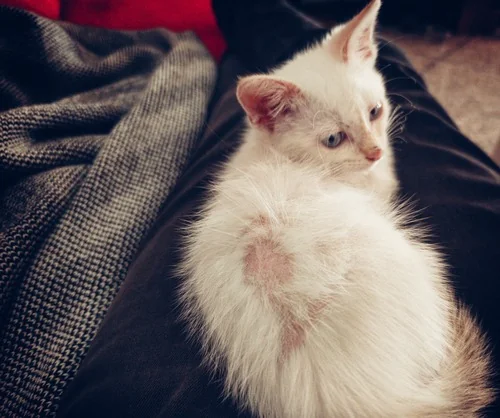
Have you ever noticed clumps of hair around your house or found your cat grooming excessively? If so, you’re not alone.
Many cat owners wonder why their feline friends seem to shed more than usual. Hair loss in cats can be puzzling, and sometimes concerning. Understanding the reasons behind it can help you ensure your furry companion stays healthy and happy.
We will uncover the common causes of hair loss in cats and what you can do about it. From allergies to stress, there are several factors that might be affecting your cat’s coat. By the end, you’ll have a clearer picture of what could be triggering your cat’s hair loss and how to address it effectively. So, if you’re keen on keeping your cat’s fur as lush and beautiful as ever, keep reading to discover the secrets behind why cats lose hair.
Common Causes Of Hair Loss
Cats often lose hair due to allergies, stress, or parasites like fleas. Hormonal imbalances and fungal infections can also lead to shedding. Regular vet check-ups help identify underlying issues causing hair loss in cats.
Cats often experience hair loss for various reasons. Understanding these causes helps in managing the issue. Hair loss in cats can be natural or a sign of health problems. Identifying the cause is crucial for proper care.Seasonal Shedding
Many cats shed their fur with changing seasons. This process is natural and helps them regulate body temperature. During warmer months, they lose thicker fur. In colder months, their coat grows denser. Regular grooming can manage seasonal shedding. It reduces loose hair and keeps your home cleaner.Hormonal Changes
Hormonal imbalances can lead to hair loss in cats. Conditions like hyperthyroidism affect hormone levels. This can result in thinning fur or bald patches. Spaying or neutering also causes hormonal shifts. These changes may temporarily affect the coat. Consulting a vet is important if you notice unusual hair loss.Nutritional Deficiencies
A balanced diet is vital for a healthy coat. Nutritional deficiencies can cause hair loss. Lack of essential fatty acids impacts fur quality. Protein is crucial for hair growth and repair. Ensure your cat’s diet meets nutritional needs. A vet can recommend supplements if necessary.
Credit: thecatdoctor.co.uk
Medical Conditions
Cats may lose hair due to stress, allergies, or skin infections. Fleas and poor nutrition also contribute. Regular vet check-ups help identify the cause.
Cats are known for their beautiful, silky fur, but sometimes they start losing it. One of the reasons behind this can be medical conditions. These health issues can lead to hair loss, and understanding them is crucial for your cat’s wellbeing. While some conditions are simple to treat, others might require a bit more attention. Let’s explore some common medical reasons why your cat might be shedding more than usual.Skin Infections
Skin infections can be a major culprit behind your cat’s hair loss. Bacterial or fungal infections can cause irritation and inflammation, leading to patches of missing fur. You might notice your cat grooming excessively or scratching more than usual. If your cat has ever had an infection, you know how frustrating it can be for them. Identifying skin infections early can help prevent further hair loss. Look for redness, swelling, or unusual odors on their skin. A quick visit to the vet can usually sort it out with the right medication.Parasites And Fleas
Parasites, especially fleas, are notorious for causing hair loss in cats. These tiny creatures can make your cat itch like crazy, leading them to scratch and bite their skin. Imagine trying to relax while constantly feeling itchy; your cat might be going through just that. Regularly checking your cat for fleas can keep their fur intact. Use flea prevention treatments and maintain a clean environment to ward off these pesky invaders. A flea comb can be handy to catch any early signs of infestation.Allergies
Did you know cats can have allergies just like humans? Allergies can lead to hair loss, as they cause itching and skin irritation. It might be something in their food, the pollen in the air, or even the laundry detergent you use. Watching your cat’s behavior can give you clues about possible allergies. If they scratch or lick a lot after a particular meal or during certain seasons, they might be allergic to something. Consulting with a vet can help pinpoint the allergen and adjust your cat’s diet or environment accordingly. Hair loss in cats can be concerning, but by understanding these medical conditions, you can take steps to help your feline friend maintain their lovely coat. Have you ever faced a situation where you had to act quickly to save your cat’s fur? Share your experiences or thoughts in the comments below!Psychological Factors
Understanding why cats lose hair can be puzzling, especially when the cause isn’t physical but psychological. Psychological factors play a critical role in your cat’s well-being. Stress and anxiety, along with compulsive grooming, are key contributors to hair loss in cats. This article will delve into these psychological triggers and help you identify if they might be affecting your feline friend.
Stress And Anxiety
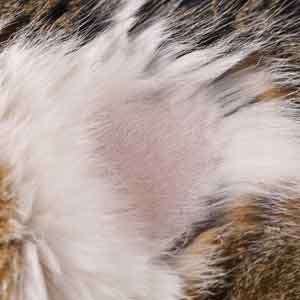
Cats are sensitive creatures, and changes in their environment can lead to stress and anxiety. Have you recently moved house, introduced a new pet, or changed your routine? Such changes can leave your cat feeling uneasy and vulnerable. Stress can cause your cat to pull out hair or even develop bald patches.
Imagine how you feel when facing a stressful situation; your cat feels the same way. Their response might be to over-groom, leading to hair loss. It’s essential to identify stressors in their environment. Could a noisy appliance or frequent visitors be causing your cat distress?
Compulsive Grooming
Compulsive grooming is another psychological factor contributing to hair loss. Cats naturally groom themselves, but excessive grooming can indicate underlying issues. This behavior can be a response to stress, anxiety, or even boredom.
Have you noticed your cat grooming more than usual? They might be trying to soothe themselves, similar to how humans bite nails or twirl hair during anxious moments. Excessive grooming can lead to raw skin and further hair loss. Consider whether your cat is getting enough mental and physical stimulation to keep them occupied.
So, what can you do to help? Try creating a safe and stable environment for your cat. Regular play and interaction can reduce anxiety and curb compulsive grooming. You might also consider consulting a veterinarian or animal behaviorist for further guidance.
By addressing these psychological factors, you can significantly improve your cat’s well-being and minimize hair loss. What changes can you make today to create a more comforting space for your furry friend?
Credit: www.ellevetsciences.com
Environmental Influences
Changes in environment can cause cats to shed hair. Stress, temperature shifts, and allergens often trigger this condition. Keeping a stable, clean space helps maintain their coat health.
Cats, like humans, can be deeply affected by their environment. If your feline friend is losing hair, environmental influences might be the culprit. Understanding these influences can help you ensure your cat stays healthy and fluffy. Let’s explore how temperature fluctuations and exposure to chemicals can impact your cat’s coat.Temperature Fluctuations
Temperature changes can be a significant factor in your cat’s hair loss. Just like you might feel uncomfortable in extreme temperatures, your cat’s body reacts similarly. Sudden changes in temperature can stress their system, leading to hair shedding. Imagine your cat’s cozy body adapting to a warm indoor environment, only to be exposed to the brisk cold outside. This abrupt shift can cause their hair follicles to weaken, resulting in hair loss. Consider maintaining a consistent indoor climate to help minimize this stress. Does your home experience extreme temperature swings? If so, it might be worth investing in a thermostat to ensure a stable and comfortable environment for your feline companion.Exposure To Chemicals
Chemicals can also play a role in your cat’s hair loss. Everyday household products, like cleaning agents and pest control sprays, can be harmful to your pet’s skin and coat. Have you noticed your cat scratching more after a cleaning session? This could be a sign that your cleaning products are irritating their skin. Opt for pet-friendly cleaners or natural alternatives to reduce potential exposure. Even seemingly benign items, like certain laundry detergents, can impact your cat if they frequently come into contact with freshly laundered fabrics. Could switching to hypoallergenic products make a difference in your cat’s life? By becoming more aware of these environmental factors, you can take proactive steps to protect your cat’s health and keep their coat in top condition. Are you ready to make the changes necessary for your cat’s well-being?Prevention And Management
Cats may lose hair due to stress, poor diet, or skin conditions. Regular vet visits help identify causes early. Balanced nutrition and stress reduction are key in managing hair loss.
Cats often lose hair due to various reasons. Prevention and management can help maintain a healthy coat. Understanding the causes aids in effective solutions. Here are practical steps for managing hair loss in cats.Dietary Adjustments
A balanced diet supports healthy skin and fur. Ensure your cat gets enough protein. Omega-3 fatty acids enhance coat health. Consider supplements if needed. Consult a vet for diet plans tailored to your cat’s needs. Fresh water is vital for hydration.Regular Veterinary Checkups
Routine checkups detect underlying issues early. Skin infections or allergies may cause hair loss. Vets provide treatments and advice. Keep vaccination schedules updated. Parasite control prevents infestations that lead to hair loss.Stress Relief Techniques
Stress affects a cat’s overall health. Create a calm environment. Provide toys for mental stimulation. Regular playtime reduces anxiety. Safe spaces allow for relaxation. Observe changes in behavior and address them promptly.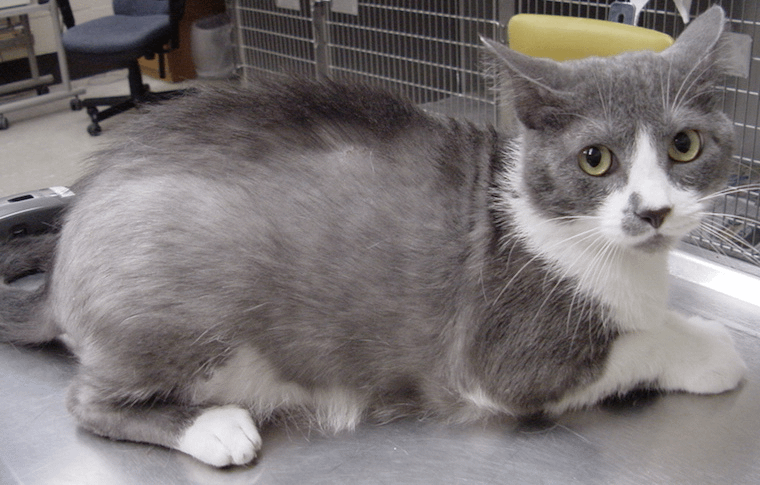
Credit: www.litter-robot.com
Frequently Asked Questions
Should I Be Worried If My Cat Is Losing Hair?
Yes, hair loss in cats can indicate health issues. Check for allergies, parasites, or stress. Consult a vet for diagnosis. Early detection ensures effective treatment. Regular grooming helps maintain healthy fur. Keep your cat comfortable and observe any behavioral changes.
Proper care prevents further hair loss.
What Deficiency Causes Hair Loss In Cats?
A deficiency in essential nutrients, particularly Vitamin A, Vitamin E, and omega fatty acids, can cause hair loss in cats. Ensure a balanced diet to maintain their coat health. Consult a vet for proper diagnosis and treatment.
What Can I Feed My Cat For Hair Loss?
Feed your cat high-quality protein-rich foods. Include omega-3 and omega-6 fatty acids. Offer foods with vitamins A, E, and biotin. Consider supplements like fish oil. Always consult your vet for personalized advice.
Do Cats Bald From Stress?
Yes, stress can cause cats to lose hair, leading to bald patches. This condition is known as psychogenic alopecia. Cats may over-groom due to anxiety, resulting in hair loss. It’s important to identify the stressors and address them to help your cat’s coat return to normal.
Conclusion
Cats lose hair for many reasons. Stress, allergies, or skin conditions. Each factor needs attention. Regular grooming helps manage shedding. Visit the vet for unusual hair loss. They provide the best advice. Nutrition plays a key role too. A balanced diet supports healthy fur.
Remember, every cat is unique. Observing changes is crucial. Early detection prevents serious issues. Keep your cat comfortable and happy. Their fur reflects their health. Your care makes a difference. Love and attention go a long way. Stay aware, stay informed.
Your furry friend deserves the best.